Fishing Submerged Timber on Lake Hartwell in South Carolina
There's nothing quite as frustrating as feeling that subtle thump on your line, the unmistakable sign of a fish, only for your lure to instantly wedge itself deep within a submerged tree limb. It’s a rite of passage for many anglers on Lake Hartwell, where hidden underwater forests hold some of the biggest and most elusive fish. But don't let the snags deter you! This guide is here to equip you with the knowledge, techniques, and gear to conquer Lake Hartwell's submerged timber, turning those frustrating hang-ups into triumphant catches.
Why Submerged Timber is a Prime Fishing Hotspot
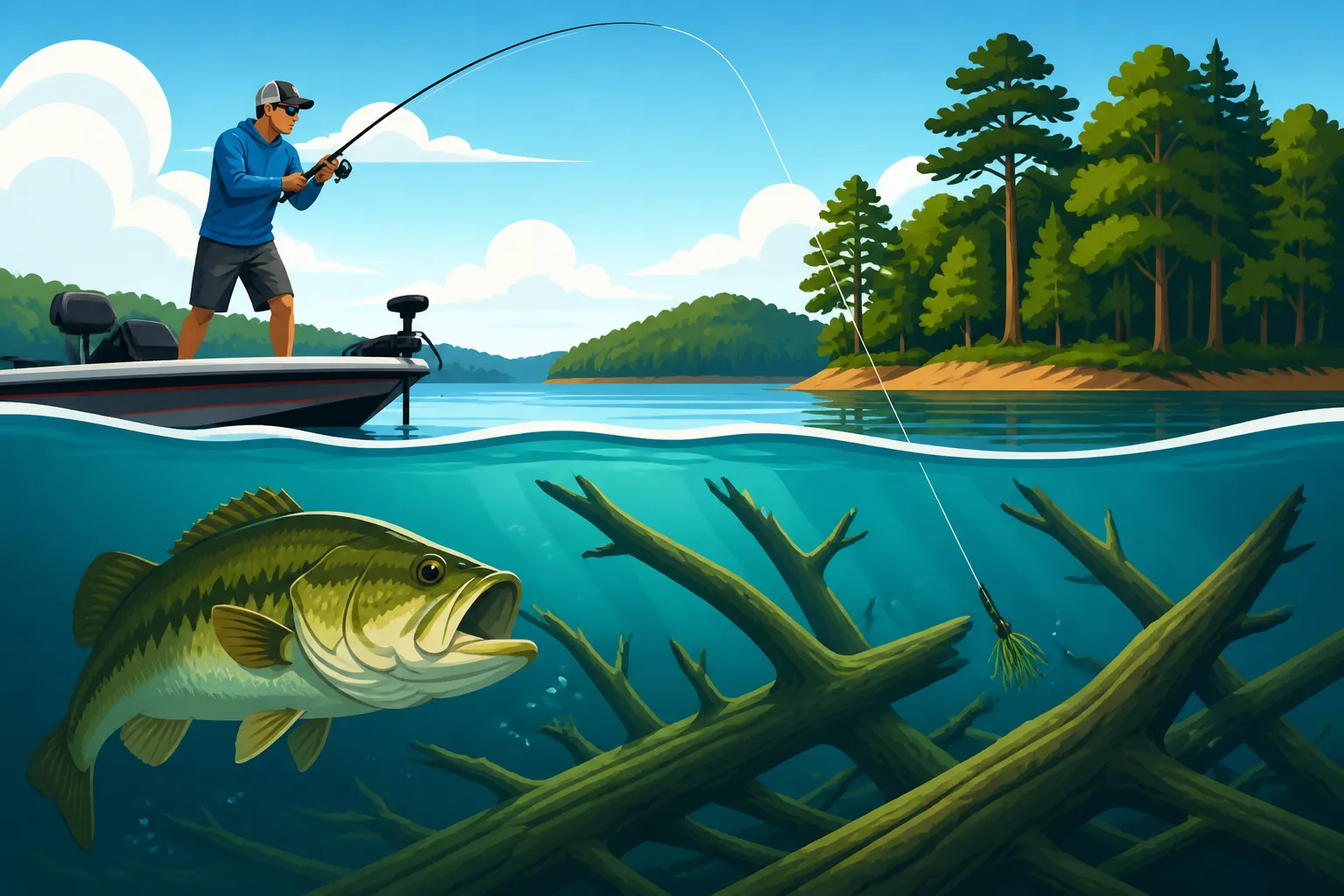
Submerged timber—those drowned trees, stumps, and brush piles that litter the bottom of many reservoirs, including Lake Hartwell—might seem like a nightmare for anglers. However, for fish, especially predatory species like largemouth bass, spotted bass, crappie, and even striped bass, these underwater jungles are absolute paradises. Understanding why fish gravitate to timber is the first step in effectively targeting them.
Shelter and Ambush Points for Predators
Think about it from a fish's perspective. Life in a wide-open lake can be perilous. Submerged timber offers unparalleled protection from larger predators and harsh environmental conditions. The dense branches provide shade from intense sunlight, which can be critical during hot South Carolina summers, helping fish regulate their body temperature and conserve energy.
More importantly, timber creates perfect ambush points. A bass or crappie can tuck itself into a knot of branches, perfectly camouflaged, waiting for unsuspecting baitfish or crayfish to swim by. When a meal presents itself, they explode from cover, snatch their prey, and quickly retreat to safety. This "hide-and-seek" dynamic makes timber an incredibly productive area for targeting aggressive feeders. If you're looking to consistently hook into some feisty fighters, understanding these behaviors is key to success on waters like Lake Hartwell.
Forage and Food Chain Concentration
Beyond just shelter, submerged timber is a vibrant ecosystem supporting the entire food chain. Algae and microscopic organisms colonize the decaying wood, which in turn attracts insects, small crustaceans, and a variety of baitfish species like shad and minnows. These smaller fish then become the primary forage for larger game fish.
So, when you find a dense patch of submerged timber, you’re not just finding cover; you’re tapping into a concentrated food source. It’s like a bustling underwater restaurant where everything a fish needs to survive and thrive is readily available. Targeting these areas means you're putting your lure right where the fish are actively feeding, significantly increasing your chances of a bite. This rich environment is precisely why fishing these structures is often so rewarding, despite the challenges.
Locating Submerged Timber on Lake Hartwell
Finding these hidden fish havens on a vast body of water like Lake Hartwell can feel like searching for a needle in a haystack. However, with the right tools and a keen eye, you can pinpoint the most promising timber structures. Lake Hartwell, being a large reservoir formed by damming the Seneca and Tugaloo rivers, has extensive submerged topography, including old river channels and flooded timber forests from before its impoundment.
Using Electronics for Precision Spotting
Modern fishing electronics are your best friends when it comes to locating submerged timber. A quality fish finder with Down Imaging or Side Imaging capabilities can revolutionize your timber fishing success.
- 2D Sonar: While basic, 2D sonar can show you vertical lines or "trees" extending up from the bottom. The density and height of these readings give you clues about the timber. Look for areas where the bottom isn't flat, but instead shows distinct structures rising.
- Down Imaging: This technology provides a picture-like view directly beneath your boat, making it much easier to distinguish individual tree limbs, stumps, and brush piles from rock piles or other debris. You'll see actual images of the trees, allowing you to interpret their density and height more accurately.
- Side Imaging: This is arguably the most powerful tool for timber. Side Imaging scans out to the sides of your boat, giving you a wide swath of coverage. You can literally "see" an entire submerged forest, identify lanes or pockets within the timber, and spot isolated stumps far from your boat's path. This allows you to stay a safe distance from the densest snags while still casting into productive areas. Brands like Humminbird and Garmin offer excellent units with these capabilities. Learning to read your electronics effectively for Lake Hartwell Fishing Spots on the South Carolina-Georgia Border is a game-changer.
When scouting, don't just idle over an area once. Make multiple passes from different directions, adjusting your sensitivity and contrast settings to get the clearest picture. Mark promising timber structures as waypoints on your GPS. Over time, you'll build a personal map of productive timber spots.
Interpreting Topographic Maps and Satellite Imagery
Before you even launch the boat, you can do significant groundwork by studying topographic maps (often integrated into modern GPS units) and satellite imagery.
- Topographic Maps: These maps, especially older ones from before the lake was filled, can show you old creek beds, river channels, and even outlines of old homesteads or fields. When these areas were flooded, the trees often remained standing, creating dense submerged timber. Look for sharp drop-offs, humps, and points that would have held trees on dry land. The old Tugaloo River channel, for instance, is a classic area to explore for deep timber. You might want to explore the Tugaloo River Arm Bass Fishing on Lake Hartwell.
- Satellite Imagery: Services like Google Earth can be invaluable. Look at the shorelines, especially during low water periods, to identify areas where dead trees or stumps are visible near the banks. These visible structures often indicate that more timber extends out into the lake, hidden by the water. You can often see outlines of old roads or cleared areas that can help you orient yourself to pre-flood terrain.
Combine these methods: find a promising area on a topo map, cross-reference with satellite imagery, then confirm with your electronics once on the water. This layered approach ensures you spend less time searching and more time fishing.
Essential Gear and Tackle for Timber Fishing
Fishing submerged timber demands a specific setup to minimize snags and maximize your chances of landing a fish once it bites. Skimping on tackle here will lead to endless frustration, lost lures, and potentially lost fish.
Rods, Reels, and Line: Building a Battle-Ready Setup
Your rod, reel, and line are the foundation of your timber fishing arsenal. They need to be robust enough to handle violent strikes and strong enough to pull fish (and occasionally lures) out of heavy cover.
- Rods: Opt for a heavy or medium-heavy power rod with a fast action. This combination provides the backbone necessary to leverage fish out of dense cover and the sensitive tip to detect subtle bites. A length of 7' to 7'6" is generally ideal, offering good casting distance and enough leverage. For species like largemouth bass, a stout casting rod is usually preferred. If you’re targeting crappie, a sensitive but strong jigging rod around 6' to 7' is more appropriate.
- Reels: For bass, a baitcasting reel with a gear ratio around 7.1:1 or higher allows for quick line pickup, which is crucial for getting a fish out of timber before it can wrap you up. Ensure it has a strong drag system. For crappie or lighter presentations, a sturdy spinning reel in the 2500-3000 size range will suffice.
- Line: This is perhaps the most critical component. Forget fluorocarbon or monofilament for your main line when fishing dense timber. Braided line is king here. Its extreme abrasion resistance and zero stretch are invaluable. Choose a braided line in the 30-50 lb test range for bass, and 15-20 lb for crappie or lighter presentations. The lack of stretch means you can feel every bump and tick against the timber, and more importantly, you have maximum power to pull a fish free or even straighten a hook if your lure gets snagged. You can find excellent braided line options on Amazon, often at competitive prices. For a leader, if you feel one is necessary, a heavy fluorocarbon (20-30 lb for bass) can be used, but keep it short (12-18 inches) to minimize potential snags.
Lures and Hooks Designed for Snag-Proof Success
The right lure choice can make all the difference between a productive day and a frustrating one. The key is weedlessness or at least snag-resistance.
- Texas-Rigged Soft Plastics: This is arguably the most effective timber fishing presentation for bass. Worms, creature baits, or even swimbaits rigged with an offset wide gap hook, where the hook point is buried back into the plastic, are incredibly weedless. Use weights from 1/4 oz to 1 oz, depending on depth and wind. The weight helps punch through cover, and the weedless design allows it to slip through branches. Learn How to Rig a Texas-Rig Worm for Bass for maximum effectiveness.
- Jigs: Rubber skirted jigs, especially those with stout weedguards, are another timber staple. Pair them with a craw or creature bait trailer. The weed guard deflects snags, and the compact profile makes it easy to penetrate cover. Jigs are fantastic for mimicking crawfish and offer a substantial meal for bigger fish.
- Spinnerbaits and Bladed Jigs: While not entirely snag-proof, spinnerbaits with a single upright hook and bladed jigs (like a ChatterBait) can be retrieved through lighter timber with surprising effectiveness. Their flashy blades can trigger reaction strikes. Just be prepared for occasional snags in dense areas.
- Topwater Frogs: For timber that’s barely submerged or breaks the surface, a hollow-body frog is a phenomenal choice. It's completely weedless and can be walked directly over thick mats of wood or lily pads that might be interspersed with timber.
- Crappie Jigs: For crappie, small hair jigs or soft plastic tube jigs rigged on weedless jig heads (often called spider jigs or brush jigs) are excellent. Small grub-style baits on a 1/16 or 1/8 oz jig head can be very effective, just be sure to use a stronger wire hook that can be bent free if snagged.
Always carry a variety of weights and hook sizes. When fishing, if you feel a potential snag, a quick snap of the rod tip can often free a Texas-rigged bait. For stubborn snags, a specialized lure retriever tool (available on Amazon) can save you many expensive lures.
| Lure Type | Target Species | Ideal Timber Density | Snag Resistance | Key Benefits |
|---|---|---|---|---|
| Texas-Rigged Soft Plastic | Bass | Heavy to Medium | Excellent | Highly weedless, versatile, natural presentation, can be worked slowly. |
| Rubber Skirted Jig | Bass | Medium to Heavy | Good | Mimics crawfish, good bulk, strong hook, weed guard protects. |
| Spinnerbait | Bass | Light to Medium | Fair to Good | Flash and vibration attract fish, can cover water quickly, good for reaction strikes. |
| Bladed Jig (ChatterBait) | Bass | Light to Medium | Fair to Good | Strong vibration, mimics baitfish, often triggers aggressive bites. |
| Hollow-Body Frog | Bass | Surface/Sparse | Excellent | Works over thick cover, exciting topwater bites, completely weedless. |
| Crappie Jigs (weedless) | Crappie | Medium | Good | Small profile, subtle action, ideal for vertical presentations, strong wire hooks help avoid loss. |
Effective Techniques for Fishing Timber Without Getting Snagged
The biggest hurdle in timber fishing is, of course, the constant threat of getting snagged. But with deliberate techniques and a mindful approach, you can present your lures effectively and retrieve them with minimal losses. It's all about precision, patience, and understanding how your lure interacts with the wood.
Pitching and Flipping for Close-Quarters Presentation
When you've located a dense brush pile or a cluster of submerged trees that looks promising, you don't want to make a long, uncontrolled cast that risks burying your lure deep in the outer limbs. This is where pitching and flipping come into play. These are short-distance, controlled casting methods designed to place your lure softly and accurately into small openings within the cover.
- Flipping: This technique involves using a long rod (often 7'6" or longer) and letting out a controlled amount of line (say, 10-15 feet) from the reel. You then swing the lure like a pendulum, using the rod tip to drop it precisely into a target area. It's very quiet and allows you to present your bait vertically into tight spots. Once the lure enters the water, maintain a "tight line" – not so tight that it snags, but just enough tension to feel the lure's descent and any subtle bites.
- Pitching: Similar to flipping but with a slightly longer cast, pitching uses a gentle lobbing motion. You pull a loop of line off your reel, hold the lure in one hand, and swing the rod to cast. The key is a soft entry, minimizing splash, and landing your bait exactly where you want it. This is ideal for reaching those openings a little further from the boat without spooking fish.
Both techniques allow you to guide your lure through the cover more effectively. As your bait falls, pay close attention to your line. Any pause, twitch, or sideways movement could indicate a bite. If you feel your lure touch wood, gently lift and drop it, trying to "walk" it over or around the obstruction rather than pulling straight through. When you get a bite, set the hook hard and immediately start reeling to pull the fish out of the timber before it can burrow deeper.
The Art of Slow Retrieval and Contact Point Fishing
Fishing timber is often a slow game. Speed is not your friend when you're trying to avoid snags. Instead, focus on a methodical, deliberate retrieve that allows your lure to "feel" its way through the cover.
- Slow Roll/Drag: When using a Texas-rigged soft plastic or a jig, allow it to sink slowly to the bottom. Once it hits, slowly drag or hop it over branches and stumps. You'll feel every piece of wood your lure encounters. This "contact point fishing" is crucial. Fish often position themselves right against these structures, waiting for prey to bump into their hiding spot. A lure that slowly crawls over a limb often triggers a strike.
- Controlled Slack Line: While you want to maintain some tension to feel bites, too much tension can cause your lure's hook point (even if weedless) to catch on rough bark. A bit of controlled slack allows your lure to deflect off obstacles rather than impaling itself. It's a delicate balance that comes with practice.
- Pause and Shake: When your lure contacts a piece of timber, don't just pull it straight away. Often, pausing and gently shaking your rod tip will make the lure vibrate in place, enticing a curious fish hiding nearby. This subtle movement can be irresistible to a bass or crappie that's on the fence about biting. After a few seconds, gently lift your rod to clear the obstruction and continue your retrieve.
Remember, fishing submerged timber is a high-reward, high-risk endeavor. You will get snagged. Even the most experienced anglers do. The goal is to minimize snags while maximizing your time in the strike zone. Having a good Boat Fishing Techniques for Deep Water Bass approach will greatly improve your success here.
Seasonal Strategies for Lake Hartwell Timber
Lake Hartwell's fish population, particularly bass and crappie, utilize submerged timber year-round, but their positioning and feeding patterns around these structures change with the seasons and water temperatures. Adapting your approach based on the time of year is crucial for consistent success.
Spring: Pre-Spawn and Post-Spawn Timber Aggression
Spring on Lake Hartwell brings a surge of activity as fish prepare for and recover from spawning. This is often an excellent time to target timber.
- Pre-Spawn (Late Winter to Early Spring): As water temperatures begin to rise into the 50s Fahrenheit, bass and crappie will start moving from their deep winter haunts towards shallower spawning areas. Submerged timber acts as critical staging grounds along these migration routes. Look for timber on main lake points, secondary points, and creek channel swings leading into coves and flats. Bass will often suspend in or around the timber, fattening up before the spawn. Try slowly working jigs and Texas-rigged creature baits through the timber. Crappie will similarly move into submerged brush in shallower coves as they seek warmer water and prepare to lay eggs. Vertical jigging small jigs directly in brush piles can be deadly. If you're focusing on bass, consider exploring Spring Bass Fishing on South Carolina's Lake Hartwell.
- Post-Spawn (Late Spring): After the rigors of spawning, fish are often exhausted but quickly become aggressively hungry again. They'll retreat from the shallowest beds but will often hold tight to nearby cover, including timber, to recover and feed. Timber on deeper main lake points or in the mouths of creeks can be productive. Reaction baits like spinnerbaits (carefully fished) or bladed jigs can be effective if fish are active, but Texas-rigs and jigs are still reliable for targeting fish nestled deep in the wood.
During the spring, water levels on Lake Hartwell can fluctuate, so keep an eye on how high or low the water is. Higher water can make shallower timber more accessible and productive, while lower water exposes more of the timber, making it easier to locate but also more challenging to fish without snagging.
Summer: Deep Timber and Thermocline Tactics
Summer on Lake Hartwell often means hot weather and stable water levels, pushing fish deeper to seek cooler temperatures and consistent oxygen levels. Submerged timber in deeper water becomes paramount during these months.
- Thermocline Connection: During summer, a thermocline typically forms in Lake Hartwell, which is a layer of water where the temperature changes rapidly with depth. Fish will often suspend right on top of or just within this layer, seeking comfortable temperatures and higher oxygen. Locate deep timber that extends into or above the thermocline. Your electronics will be vital for finding these deep structures and identifying where fish are holding. Bass, especially striped bass, will often school around these deep timber structures. Look into Lake Hartwell Striped Bass Fishing Spots.
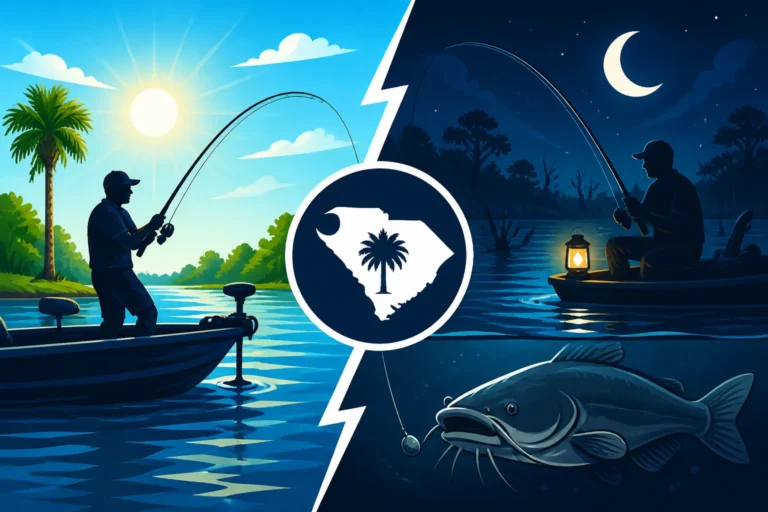
- Deep Water Techniques: Focus on vertical presentations. Drop-shotting a small worm or creature bait directly into timber, or slowly dragging a heavy Carolina-rigged soft plastic, can be very effective. Heavy jigs are also excellent. The key is to get your bait down quickly and precisely to where the fish are holding without getting snagged on the way down. This might involve pitching directly into an opening or letting your lure fall on a slack line, then slowly taking up the slack as it descends, feeling for any contact with wood or a bite. Night fishing can also be particularly effective during summer, as cooler surface temperatures can draw fish shallower to feed around timber. You'll find that Catfish Fishing Spots on Lake Hartwell, South Carolina, are often related to deep timber in the summer.
Fall and Winter: Transition Zones and Wintering Holes
As autumn arrives, water temperatures begin to cool, and fish patterns shift again, often making timber fishing highly productive. Winter sees fish retreating to specific deep-water structures.
- Fall Turnover and Migration (Autumn): The fall turnover, when surface water cools and mixes with deeper water, can temporarily disperse fish. However, as the lake settles, fish become very active, feeding heavily to prepare for winter. They will use submerged timber as ambush points during this feeding frenzy. Look for timber along creek channels, main lake points, and humps where baitfish are congregating. Bass will often chase bait around these areas. Spinnerbaits, bladed jigs, and Texas-rigs can be very effective as fish become more aggressive. Fall Bass Fishing Around Rocky Points on South Carolina's Lake Hartwell, often includes searching adjacent timber.
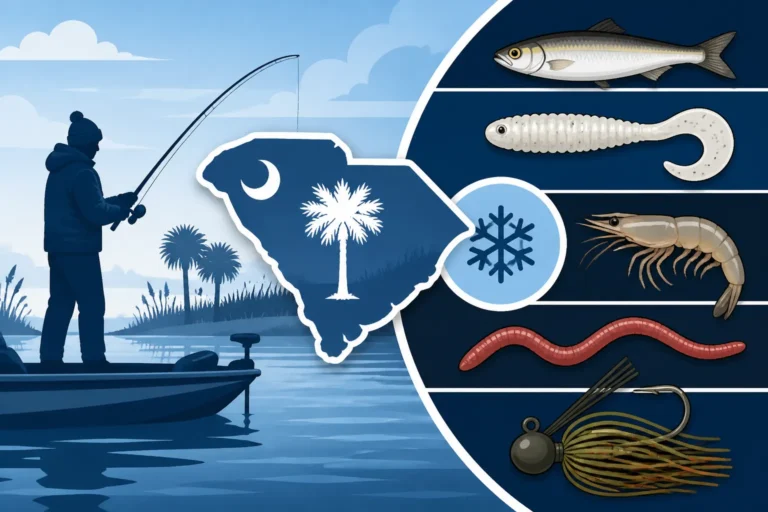
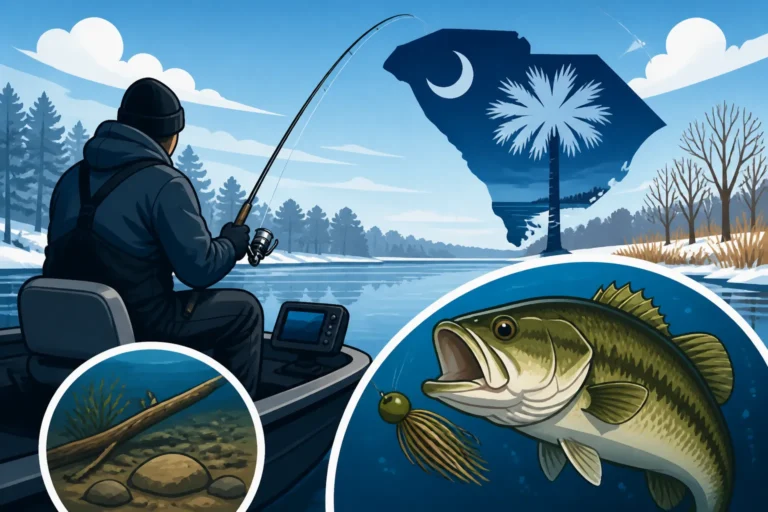
- Wintering Holes (Winter): In the coldest months, fish generally seek stable, deep water. Large, dense timber structures in deep creek channels or on the main lake bottom become prime wintering holes. Fish will often suspend tightly within these submerged forests. Slow-moving baits are key. Jigging spoons, blade baits, or slow-rolled jigs and Texas-rigs are effective. Your electronics are essential to locate these deep, dense timber piles and pinpoint the fish within them. The bites can be extremely subtle, so highly sensitive equipment and braided line are crucial to detect those faint winter nudges.
By understanding these seasonal movements and adapting your techniques and lure choices, you can effectively fish Lake Hartwell's submerged timber year-round, turning potential snags into memorable catches.
Disclaimer
Fishing always carries inherent risks. Please consult the latest South Carolina Department of Natural Resources (SCDNR) regulations for specific fishing licenses, seasons, bag limits, and size restrictions for all species mentioned. Always prioritize safety on the water and be mindful of local boating laws and conditions. The information provided here is for general guidance and educational purposes only.