South Carolina Fishing Seasons Guide
It’s a tale as old as time for anglers: you've got a free weekend, the gear is packed, and the boat's gassed up, but then the crucial question hits you – "What should I even be fishing for right now in South Carolina, and where do I go?" Our state's waters are incredibly diverse, from the trout streams of the Upstate to the redfish flats of the Lowcountry, and what's biting strong in one season might be completely dormant in another. This comprehensive guide will pull back the curtain on South Carolina's fishing seasons, breaking down what to expect, which species to target, and the best techniques to use, ensuring your next trip isn't just a hopeful cast, but a well-planned success.
Understanding South Carolina's Diverse Fishing Seasons
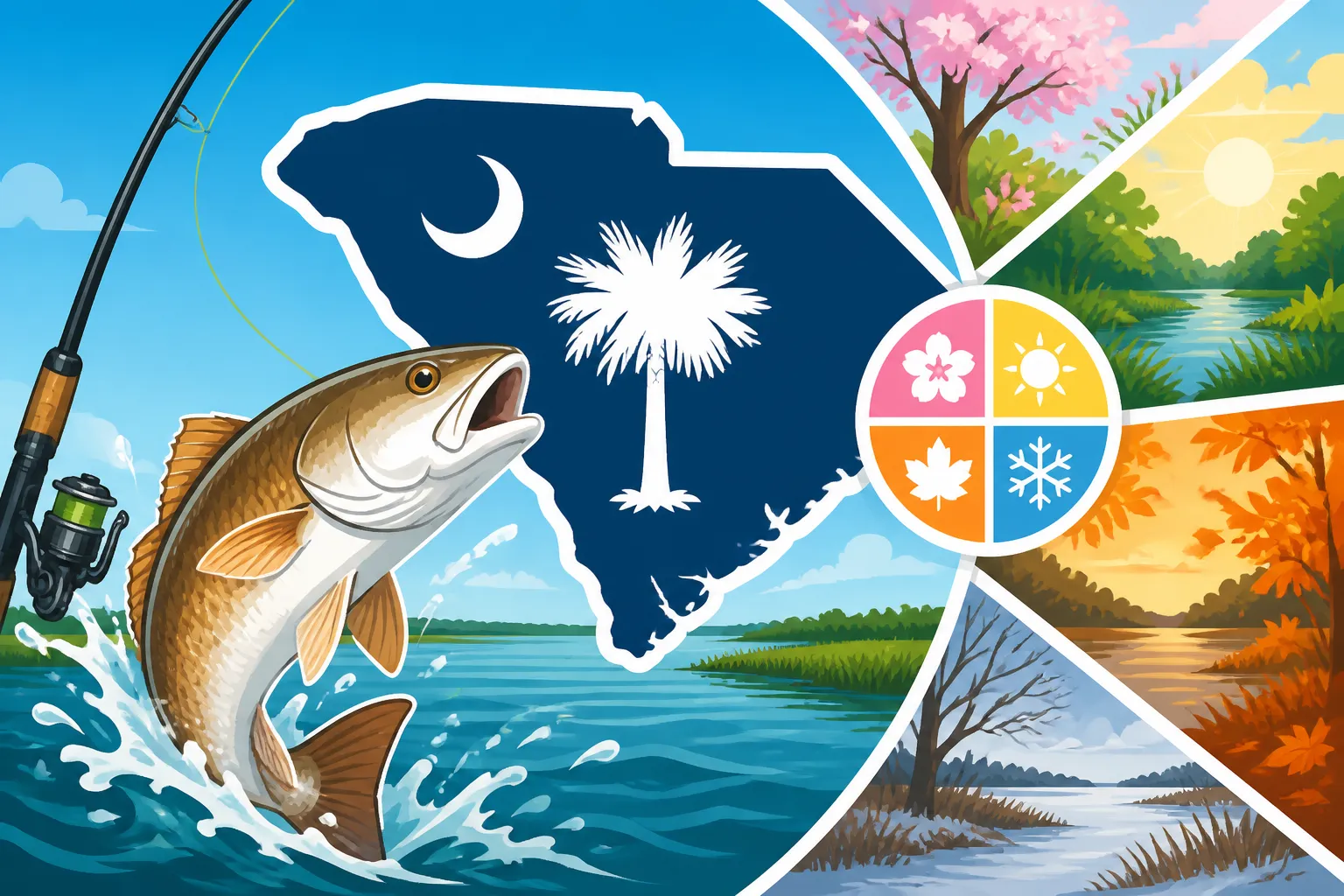
South Carolina is a fisherman's paradise, but it’s not a static one. Our climate, with its distinct four seasons, plays a massive role in where the fish are, what they’re eating, and how active they'll be. You can’t fish the same way in January as you do in July and expect consistent results. It's about understanding the rhythm of the water, the lifecycle of the fish, and how environmental factors trigger their movements and feeding patterns. Ignoring these seasonal shifts is like trying to drive a boat with the anchor down – you just won't get anywhere fast.
The Influence of Water Temperature on Fish Behavior
Water temperature is arguably the single most important factor dictating fish behavior. Just like we seek comfortable temperatures, fish are constantly seeking their optimal thermal zone. In colder water, their metabolism slows down, making them less active and less inclined to chase a fast-moving lure. Think of it like trying to run a marathon after a big holiday meal – you’re just not as enthusiastic. Conversely, when the water warms up to their preferred range, they become much more energetic, feeding aggressively and moving more freely.
For instance, cold-blooded creatures like fish can't regulate their internal body temperature, so the surrounding water temperature directly impacts their activity levels. Different species have different preferences. Trout, for example, thrive in cooler water, often between 50-65°F, while largemouth bass prefer slightly warmer temperatures, typically 65-75°F for peak activity. In saltwater, species like redfish and speckled trout will move into shallower, warmer flats in the spring and fall, but retreat to deeper channels or estuaries during the extreme heat of summer or the cold of winter. Knowing these thermal preferences helps you pinpoint where fish are likely to be holding, whether it’s deeper pockets in a lake or sun-warmed shallows in a coastal marsh. It’s all about putting yourself in their fins, so to speak.
Seasonal Migration Patterns of Key Species
Beyond just temperature, many of South Carolina's most sought-after species undertake significant migrations throughout the year. These movements are often driven by spawning instincts, food availability, or simply seeking more comfortable water conditions. Understanding these patterns is critical for timing your trips and knowing which waters to focus on. It’s not just about being in the right place, but being there at the right time.
Take striped bass, for example, a truly iconic species in our state. In the spring, these powerful fish make their way up rivers from coastal areas to spawn. Anglers on the Congaree or Santee Rivers will see a massive influx of stripers during this period. As the water warms in summer, these fish often move to deeper, cooler sections of large reservoirs like Lake Murray, where they can be found schooling near the thermocline. Later in the fall, they often return to shallower, more accessible feeding grounds as temperatures moderate and baitfish are plentiful. Similarly, saltwater species like redfish will move from expansive marsh flats to deeper creek channels or even near inlets in the winter to escape extreme cold, only to push back into the shallows as spring brings warmer, bait-filled waters. Even flounder, typically found in coastal shallows, undertake offshore migrations in late fall and winter for spawning. Recognizing these predictable movements is a huge advantage, letting you anticipate where the bite will be hot.
Spring Fishing in South Carolina: The Awakening
Ah, spring in South Carolina! It's a truly magical time to be on the water. After the dormancy of winter, everything comes alive. The trees are budding, the birds are singing, and most importantly, the fish are shaking off their winter sluggishness and getting ready for the spawn. This period is often characterized by rapidly warming water, increased baitfish activity, and fish moving into shallower areas. It’s a prime window for some of the year's most exciting fishing, but you need to understand the nuances of the pre-spawn, spawn, and post-spawn phases.
Freshwater Spring Frenzy: Bass, Crappie, and Bream
In freshwater lakes and rivers across South Carolina, spring marks the beginning of the most anticipated fishing of the year for many. As water temperatures climb into the 50s and 60s Fahrenheit, largemouth bass, crappie, and various panfish like bream and bluegill start their march toward the shallows. This is often called the "pre-spawn" phase, where fish are aggressively feeding to build up energy for spawning.
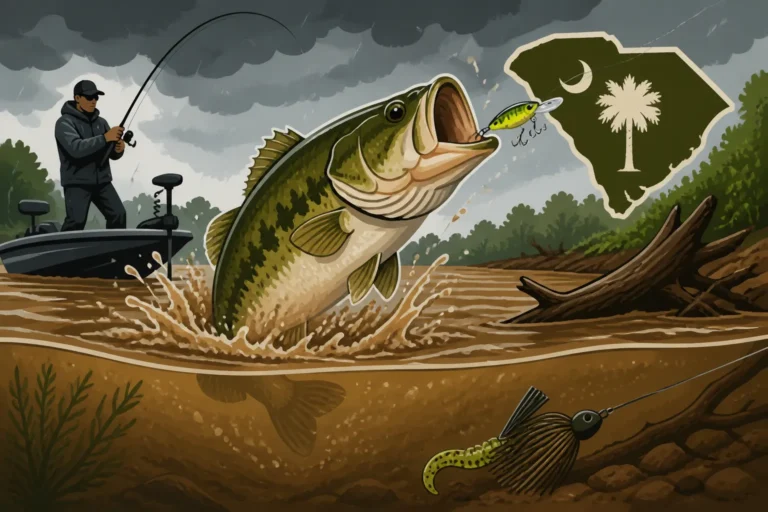
For bass anglers, the pre-spawn can be fantastic. Largemouths are often concentrated on points, humps, and secondary creek channels leading into spawning flats. They’re looking for easy meals, making crankbaits, spinnerbaits, and jig-and-trailer combos incredibly effective. As the water hits the mid-60s, the "spawn" begins, and bass move onto shallow beds, often visible in clear water. This is a time when sight fishing can be incredibly productive, using soft plastics like lizards or creature baits to irritate them into striking. However, remember to practice catch and release during the spawn to protect future generations of fish. Once the spawn is over, fish enter the "post-spawn" phase; they can be lethargic and dispersed initially, but as they recover, they move to nearby cover or slightly deeper water, often transitioning to a shad-based diet. Anglers might find success throwing topwater lures in the mornings or fishing soft plastics around docks and brush piles. You can learn more about South Carolina Bass Fishing Techniques by Season to fine-tune your approach for these different phases.
Crappie, those delicious papermouths, also offer incredible action in the spring. As water temperatures reach the high 50s and low 60s, crappie move from their deeper winter haunts to shallow brush piles, submerged timber, and bridge pilings to spawn. Anglers often target them with small jigs, live minnows under a bobber, or by spider rigging multiple rods. Places like Lake Moultrie and Lake Marion on the Santee Cooper system are legendary for their spring crappie bite. It's a time when even novice anglers can fill a cooler. Don't forget the humble bream and bluegill either; these feisty panfish spawn a bit later, usually when water temperatures are in the high 60s to low 70s. They congregate in huge numbers on beds in shallow, sandy areas, making them perfect targets for kids or anyone looking for consistent action with a simple cane pole, a hook, and a red wiggler worm.
Saltwater Spring Surge: Redfish, Trout, and Drum
The coastal waters of South Carolina also burst with life in the spring. As the chilly winter waters give way to milder temperatures, the Lowcountry estuaries, tidal creeks, and oyster beds become bustling feeding grounds. This is a prime time for inshore species like redfish, spotted seatrout, and black drum to become incredibly active. The baitfish, crabs, and shrimp that were scarce in winter start to become abundant, signaling a feast for predators.
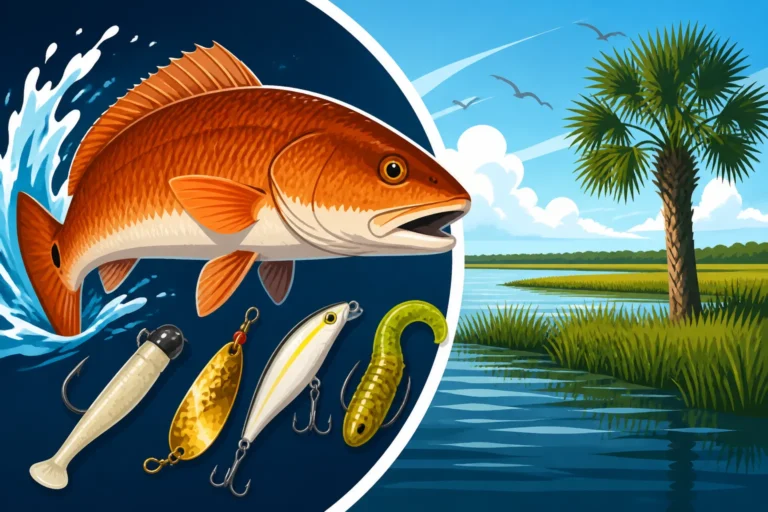
Redfish, always a favorite, really light up in the spring. They move out of their deeper winter holes and spread across the vast marsh flats, often tailing in the grass on high tides as they root for crabs. Anglers targeting them will find success with live shrimp, mud minnows, or a variety of artificial lures such as soft plastic paddle tails (like those from Z-Man or Berkley Gulp!) fished on jig heads. The South Carolina Redfish Slot Limit Rules are important to remember as you pursue these copper-colored beauties. Spotted seatrout, another inshore staple, also become much more active. They'll school up in grass flats and around oyster reefs, eagerly taking soft plastics under a popping cork or free-lined live shrimp. Spring is also a great time for black drum, especially around oyster beds and bridge pilings where they feast on shellfish. They're often caught on pieces of crab or shrimp fished on the bottom. It’s important to note that while spring is excellent, there are specific regulations that might come into play, for instance, there may be a South Carolina's Winter Gigging Ban for Seatrout that extends into early spring depending on the specific dates and conditions for that year. Always check the latest SCDNR regulations before heading out.
Summer Fishing in South Carolina: Heat and Deep Water Tactics
Summer in South Carolina is a mixed bag for fishing. On one hand, the warm weather and long days mean more time on the water. On the other hand, the scorching heat can make fishing challenging, pushing fish into deeper, cooler waters or making them active only during specific low-light periods. It's a time when your angling strategies need to adapt significantly from the spring frenzy. Staying hydrated and planning your trips for early mornings, late evenings, or even nights becomes paramount.
Adapting Freshwater Techniques for Summer Heat
When the dog days of summer hit, especially in July and August, freshwater fish in South Carolina's lakes and rivers feel the heat just like we do. The surface water can reach into the 80s or even low 90s, forcing most species to seek refuge in deeper, cooler water or dense cover. This doesn't mean fishing shuts down, but it certainly shifts.
Largemouth bass, for example, will often retreat to deeper ledges, brush piles, submerged timber, and even the shade of docks. Anglers need to switch from shallow-water power fishing to more vertical presentations. This means techniques like deep cranking, Texas-rigging worms or creature baits, drop-shotting, and jigging spoons become highly effective. Early mornings and late evenings can also offer a brief window of shallow-water topwater action as bass temporarily move up to feed. Striped bass in our larger reservoirs, like Lake Murray or Lake Hartwell, provide excellent summer action, but again, it’s all about depth. They'll often suspend in the cooler water of the thermocline, feeding on schools of baitfish. Trolling with downriggers, vertical jigging, or live bait fishing with blueback herring are common and very effective tactics. If you're targeting stripers on Lake Murray, mastering Lake Murray Summer Striped Bass Techniques in South Carolina is crucial to success. Catfish, however, can remain active throughout the summer, often found in deeper channels and river bends, and can be caught day or night using various stink baits, cut bait, or live bream. The key across the board for freshwater summer fishing is understanding depth and finding thermal refuge for your target species.
Navigating South Carolina's Coastal Summer Bites
South Carolina’s coast is vibrant in the summer, with plenty of species to target, but the intense sun and heat bring their own set of challenges. Just like in freshwater, inshore species will often seek deeper water or more oxygenated areas during the hottest parts of the day.
Redfish and spotted seatrout, while still present, might be less active on the shallow flats during midday. Anglers will often find better success targeting them in deeper creek channels, around oyster bars with good current flow, or under docks providing shade. Fishing during the cooler periods of dawn and dusk, or even at night, can be incredibly productive for these inshore favorites. Live bait such as shrimp or mullet is often a top choice, as fish can be a bit pickier. Offshore, summer is when the pelagic action really heats up. Species like mahi-mahi (dolphin), wahoo, and various tuna species are migrating through our waters. Booking an Offshore Fishing Charters near Hilton Head, South Carolina can put you on these powerful game fish, often caught by trolling baits and lures far from shore. Nearshore, Spanish mackerel, king mackerel, and robust populations of sharks offer thrilling fights. Shark fishing charters become very popular during the summer months, providing an exciting experience for anglers looking for a strong tug on the line. Just remember, hydration and sun protection are non-negotiable on a South Carolina summer fishing trip.
Fall Fishing in South Carolina: The Feeding Frenzy
If spring is the awakening, then fall is the grand finale of the fishing year in South Carolina. As temperatures begin to drop from the summer highs, the water cools, and fish enter a frantic feeding period known as the "fall turnover" or "fall bite." This is when many species aggressively feed to build up fat reserves for the leaner winter months ahead. It’s a time of incredible action, often accompanied by pleasant weather and fewer crowds than in spring.
Explosive Freshwater Fall Fishing Opportunities
For freshwater anglers, fall is often considered one of the most productive times of the year. The cooling water revitalizes sluggish fish, and the abundance of baitfish (often schools of shad that have grown throughout the summer) creates a feeding frenzy.
Largemouth bass become incredibly active, chasing baitfish in open water and moving closer to the surface. Topwater lures, spinnerbaits, and crankbaits that imitate shad can be incredibly effective during this period. Bass will also gravitate towards schooling bait around points, humps, and submerged timber. It’s a fantastic time for power fishing, covering lots of water to find those active schools. Consider exploring our guide on Best Bass Lures for Fall Fishing to stock your tackle box. Striped bass in the major reservoirs are also on fire in the fall. They'll often push massive schools of bait to the surface, resulting in explosive "boiler" or "jump school" activity where birds dive and stripers thrash, creating a chaotic and thrilling fishing opportunity. Following the birds and casting swimbaits or spoons into the chaos is a surefire way to hook into a hard-fighting striper. Crappie and panfish also experience a resurgence in activity, moving back into shallower depths as the water cools, making them easier to locate and catch before they retreat to deeper winter havens. Fall brings a general sense of urgency to the fish, and anglers who get out there often reap the rewards.
Saltwater Fall Run: Baitfish and Predators
Just like in freshwater, the South Carolina coast comes alive in the fall. The cooling water temperatures trigger significant baitfish migrations, bringing in a host of predatory species right behind them. This "fall run" can be spectacular, offering some of the best inshore and nearshore action of the entire year.
Redfish, in particular, become incredibly aggressive. They'll school up in larger numbers, pushing baitfish against creek banks or onto shallow flats. Live mullet, cut bait, and a variety of artificial lures, especially those that mimic shrimp or small baitfish, are highly effective. The cooler, less humid weather also makes for more comfortable days on the water. Spotted seatrout fishing can be phenomenal, with big "gator" trout becoming more active as they bulk up. They’ll readily hit soft plastics, topwater lures, and live shrimp. The clarity of the water often improves in the fall too, making sight fishing for redfish on the flats a possibility on calm, sunny days. Offshore, the pelagic bite often continues strong into early fall, especially for wahoo and tuna, as they follow bait schools. Nearshore, Spanish mackerel, king mackerel, and even some schools of false albacore can provide exciting action for those trolling or casting into busting schools. Fall in South Carolina's saltwater environment is a time of plenty, and anglers who hit the water are often rewarded with memorable catches.
Winter Fishing in South Carolina: Embracing the Chill
Many anglers put their rods away when the cold weather sets in, but that would be a mistake in South Carolina. While fishing can certainly be slower and more challenging, winter offers some unique opportunities for those willing to brave the chill. The key is to adapt your techniques, slow down your presentation, and target species that remain active in colder water. It's often a time of tranquility on the water, with fewer boats and a serene atmosphere.
Freshwater Winter Wonders: Stripers, Crappie, and Catfish
Even when the air bites, there's still plenty of action in South Carolina's freshwater systems during winter. The cold concentrates many species, making them predictable, even if less aggressive.
Striped bass, often considered a year-round target, provide excellent winter action in our large reservoirs. They tend to school up tightly and can be found in deeper areas, often near main lake channels, humps, and points. While they might not be crashing the surface as much as in fall, they are still feeding. Techniques like vertical jigging with heavy spoons or large soft plastics, slow trolling live bait (like blueback herring or gizzard shad), or even umbrella rigs can be incredibly effective. Remember that the colder water means their metabolism is slower, so a slower, more deliberate presentation is often required. Crappie are another winter favorite. They'll school up in deep brush piles, submerged timber, or under bridge pilings, often suspended. Anglers use electronics to locate these schools and then employ "tightlining" or "spider rigging" techniques with small jigs or live minnows, presenting the bait directly into the school. This is a game of patience and precision, but the reward is a cooler full of delicious crappie. If you want to dive deeper into this, our guide on Winter Fishing Techniques in South Carolina Lakes will provide even more insights. And let's not forget catfish; these resilient bottom dwellers remain active all winter, especially the larger blues and flatheads in deeper holes in rivers and lakes. Cut bait, chicken livers, or whole shad fished on the bottom can yield impressive trophy-sized catches, especially in systems like the Santee Cooper lakes.
Saltwater Winter Action: Sheepshead, Black Drum, and Tautog
For saltwater enthusiasts, winter means focusing on species that tolerate or even thrive in colder coastal waters. The inshore marsh creeks can get quite chilly, pushing some fish out to deeper, more stable environments, but others stay put and offer great sport.
Sheepshead are a prime winter target along the South Carolina coast. These striped "convict fish" are known for their incredibly strong bite and their preference for structure. They congregate around bridge pilings, jetties, oyster reefs, and dock pilings where they scrape off barnacles and feed on crustaceans. Anglers target them with fiddler crabs, shrimp, or small pieces of oyster on small, strong hooks. It’s a subtle bite, often described as a "tap-tap-drop," but the fight is tenacious. Black drum also remain active in the winter, often found in deeper channels, around structure, and near inlets, feeding on crabs and shrimp. They can be caught using similar baits to sheepshead, fished on the bottom. Occasionally, tautog, another structure-loving species, can be found around offshore wrecks and reefs, offering a challenging but rewarding winter bite. While the fast-paced action of spring and fall might be absent, winter fishing in South Carolina saltwater offers a unique opportunity to target specific, hard-fighting species, often in peaceful solitude. Just make sure to bundle up, bring a hot thermos, and dress in layers.
Key Fish Species by Season: A South Carolina Calendar
Trying to figure out which fish are biting when can feel like cracking a secret code. But with a bit of knowledge about their seasonal habits, you can dramatically improve your success rate. South Carolina offers a phenomenal array of species, both freshwater and saltwater, but knowing their prime seasons is what separates a hopeful outing from a productive one.
Freshwater Favorites: When and Where to Find Them
South Carolina's freshwater systems are teeming with life, from mountain streams to sprawling reservoirs. Here’s a quick rundown of when and where to focus your efforts for some of our most popular species:
Largemouth Bass:
- Spring (March-May): Excellent. Pre-spawn activity on points and humps, then spawning in shallow coves. Post-spawn sees them recover near cover.
- Summer (June-August): Good. Deeper structure, brush piles, main lake channels. Early morning/late evening topwater.
- Fall (September-November): Excellent. Aggressive feeding on schooling baitfish, often near the surface or along channel swings.
- Winter (December-February): Fair to Good. Deep ledges, brush piles, vertical presentations. Slower bites, but bigger fish possible.
Striped Bass:
- Spring (March-May): Excellent. Spawning runs up coastal rivers. Post-spawn, they move to main lake bodies and become very active.
- Summer (June-August): Good. Deep, cool waters in reservoirs (thermocline), suspended over humps. Trolling, live bait, jigging.
- Fall (September-November): Excellent. Pushing bait to the surface, "boilers" and "jump schools." Aggressive feeding.
- Winter (December-February): Good. Concentrated in deep channels and humps in reservoirs. Live bait, vertical jigging, umbrella rigs.
Crappie:
- Spring (March-May): Excellent. Moving shallow to spawn in brush piles, submerged timber. Jigs, minnows.
- Summer (June-August): Fair. Retreat to deeper brush piles and structure. Best at dawn/dusk or night.
- Fall (September-November): Good. Move shallower again, actively feeding before winter. Similar to spring patterns.
- Winter (December-February): Good. Concentrated in deep brush piles and suspended over structure. Vertical jigging, tightlining minnows.
Catfish (Blue, Channel, Flathead):
- Year-Round: Excellent. Remain active in deeper holes, channels, and river bends throughout all seasons. Spawn in summer.
- Spring/Fall: Highly active.
- Summer/Winter: Consistent, though summer can see them more nocturnal in extreme heat.
This table provides a generalized guide, but local conditions can vary. Always check current reports and adapt to the specific lake or river you're fishing. And if you're looking for an overview of everything swimming in our waters, check out South Carolina Fish Species: A Complete Guide to What's in the Water.
Saltwater Stars: Timing Your Coastal Pursuit
South Carolina's coastline, with its rich estuaries, tidal creeks, and offshore opportunities, offers a different cast of characters. Here’s when they shine:
Redfish (Red Drum):
- Spring (March-May): Excellent. Moving onto marsh flats, tailing in grass, feeding aggressively.
- Summer (June-August): Good. Found in deeper channels, under docks, or early/late on flats.
- Fall (September-November): Excellent. Schooling up, actively chasing bait. Strongest bite of the year.
- Winter (December-February): Good. Retreat to deeper creeks and channels. Can be found schooled tightly.
Spotted Seatrout (Speckled Trout):
- Spring (March-May): Excellent. Active in grass flats, oyster reefs. Topwater, popping corks, live shrimp.
- Summer (June-August): Good. Often deeper, around current-heavy areas. Best at low light.
- Fall (September-November): Excellent. Big "gator" trout are active, bulking up. Consistent bite.
- Winter (December-February): Fair to Good. Retreat to deeper creeks, holes. Requires slower presentations. Be mindful of the South Carolina Spotted Seatrout Gigging Ban Dates if you're into gigging, as it restricts harvest during crucial colder months, but rod-and-reel fishing usually remains open. If the ban is in effect, you might want to learn How to Catch Spotted Seatrout in South Carolina During the Gigging Ban.
Flounder:
- Spring (March-May): Good. Moving into estuaries from offshore spawning grounds.
- Summer (June-August): Excellent. Abundant inshore, around structure, inlets, and creek mouths.
- Fall (September-November): Excellent. Aggressively feeding before their offshore migration.
- Winter (December-February): Poor. Most have moved offshore to spawn.
Sheepshead:
- Winter (December-February): Excellent. Concentrated around coastal structures (pilings, jetties, oyster reefs).
- Spring (March-May): Good. Still around structure, but may disperse more.
- Summer (June-August): Fair. Present but often harder to target consistently.
- Fall (September-November): Fair. Still around structure, but less concentrated than winter.
Mahi-Mahi (Dolphin), Wahoo, Tuna (Offshore):
- Summer (June-August): Excellent. Peak season for these pelagic species offshore.
- Spring/Fall (May, September-October): Good. Transition periods, can still be found.
- Winter (December-April): Poor to nonexistent nearshore.
It's clear that while some fish are migratory, others are year-round residents, simply changing their habits with the seasons. A versatile angler in South Carolina can find something exciting to catch no matter the month!
Planning Your Trip: Essential Seasonal Considerations
Beyond just knowing which fish are biting, a successful and enjoyable fishing trip in South Carolina requires thinking about the bigger picture. The seasons affect everything from legal regulations to the gear you’ll need and even the best fishing spots. A little forethought can prevent disappointment and ensure you're compliant and comfortable.
Navigating Seasonal Regulations and Limits
This is arguably the most critical non-fishing aspect of any trip. South Carolina, like all states, has a dynamic set of fishing regulations that can change seasonally, based on species management needs, or even as emergency closures. Failing to understand these rules can result in fines and legal trouble, which nobody wants.
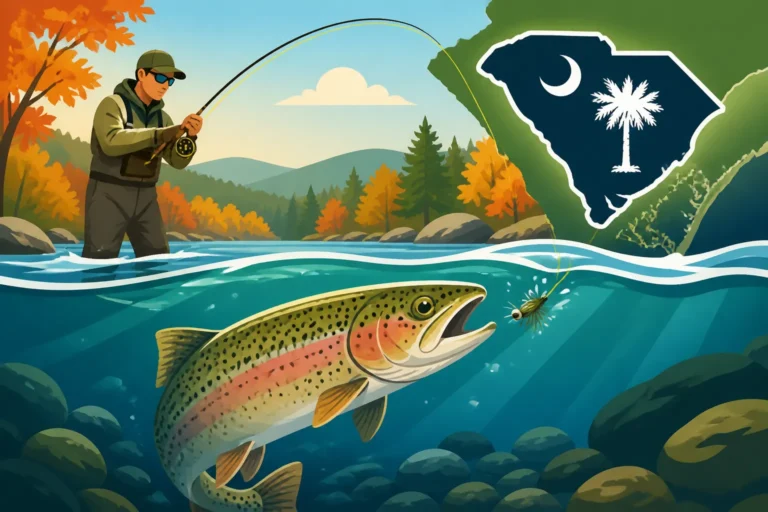
For example, certain species might have different size limits, bag limits, or even seasonal closures. We already discussed the potential South Carolina Spotted Seatrout Gigging Ban Explained, which typically runs from December to February. Redfish, while a year-round target, has a strict slot limit and a vessel limit to protect breeding stock. You might catch a trophy-sized redfish in the fall, but if it's over the maximum length, it must be released. Likewise, trout limits in mountain streams can vary dramatically depending on the specific section of the river, with some being catch-and-release only. Always, and I mean always, consult the latest South Carolina Department of Natural Resources (SCDNR) regulations before you head out. These are available online and often in printed guides where you purchase your fishing license. Speaking of licenses, understanding your South Carolina Fishing License Requirements in South Carolina is paramount. A simple day trip can turn sour quickly if a game warden checks your license and you don't have the correct one, or any at all. It's not just about compliance, it's about being a responsible angler and contributing to the conservation efforts that keep our fisheries healthy.
Weather Wisdom and Gear Adjustments for Each Season
South Carolina weather can be unpredictable, especially during transition seasons like spring and fall. A beautiful sunny morning can quickly turn into a thunderstorm, or a mild winter day can drop into freezing temperatures by afternoon. Being prepared for these shifts is crucial for your comfort and safety on the water.
Spring: Expect rapid temperature swings. Dress in layers. Rain gear is a must. The water can still be chilly, so waders or waterproof boots are helpful for wade fishing. Check the marine forecast for coastal trips, as spring winds can kick up quickly. For gear, think versatile: a mix of shallow-running lures and some deeper options as fish transition. Many anglers like to find a selection of baits for their tacklebox on sites like Amazon.
Summer: Heat and humidity are the primary concerns. Lightweight, long-sleeved, breathable clothing (UPF-rated for sun protection) is essential. Wide-brimmed hats, sunglasses, and plenty of water or sports drinks are non-negotiable. Plan for early mornings or late evenings to avoid the midday sun. Gear-wise, deeper diving crankbaits, heavy jigs, and topwater lures for low-light conditions will be key. Keep your live bait in a well-aerated cooler to prevent spoilage in the heat.
Fall: Often the most pleasant weather, but still prone to sudden changes. Layers are your friend. A light jacket for the morning, easily shed as the day warms. Rain gear is still a good idea. Water temperatures are typically comfortable. Your gear should focus on aggressive presentations, mirroring the fish’s feeding frenzy – lots of moving baits like spinnerbaits, crankbaits, and swimbaits, especially in freshwater.
Winter: This is when warmth and dryness are paramount. Multiple layers, including thermal underwear, fleece, and a waterproof, windproof outer shell, are essential. Insulated boots, gloves, and a warm hat are critical. Consider hand warmers. Hot drinks in a thermos are a lifesaver. On the gear front, think subtle and slow. Smaller jigs, live bait, and slow-moving presentations are often more effective. Your electronics become even more valuable for locating deep-holding fish. Even for basic items like fishing line or specific jig heads, many anglers will browse for options on Amazon to ensure they have exactly what they need for colder water conditions. No matter the season, having a well-stocked first-aid kit and communicating your float plan to someone on shore are always good practices. Being prepared ensures that you can focus on the fishing, regardless of what Mother Nature throws your way.
| Season | Prime Freshwater Species | Prime Saltwater Species | Key Technique Adaptation |
|---|---|---|---|
| Spring | Largemouth Bass, Crappie, Bream | Redfish, Spotted Seatrout, Black Drum | Target shallow spawning areas; aggressive feeding. |
| Summer | Striped Bass, Catfish, Deep Bass | Offshore Pelagics, Sharks, Inshore Redfish (low light) | Go deep or go early/late; focus on thermocline/shade. |
| Fall | Largemouth Bass, Striped Bass, Crappie | Redfish, Spotted Seatrout, Flounder | Focus on aggressive feeding; chasing baitfish. |
| Winter | Striped Bass, Crappie, Catfish | Sheepshead, Black Drum, Tautog | Slow, subtle presentations; target deep holes & structure. |
Disclaimer
Fishing conditions, regulations, and fish behavior can change rapidly. While this guide provides comprehensive information, always consult the latest South Carolina Department of Natural Resources (SCDNR) regulations before any fishing trip. The information presented here is for general guidance and informational purposes only, and does not constitute professional advice.