Free Public Boat Ramps in South Carolina
Oh, the sheer frustration of trying to find a good fishing spot, only to realize the best access points either charge an arm and a leg or are so obscure you need a treasure map to find them! For many of us, getting our boat into the water shouldn't be an expensive hurdle. This guide is all about cutting through that confusion, helping you uncover the fantastic free public boat ramps scattered across South Carolina, ensuring your next fishing adventure starts smoothly and without an unexpected dent in your wallet.
Why Finding Free Public Boat Ramps Matters for Every Angler
Let's be real, fishing can add up. Between licenses, gear, bait, and gas, the last thing you want is to shell out more money just to put your boat in the water. Free public boat ramps are an absolute game-changer, not just for your budget but also for expanding your angling horizons across the Palmetto State. It’s about more than just saving a few bucks; it’s about accessibility and the pure joy of the sport.
Cost Savings and Broader Accessibility
Think about it: an average launch fee at a private marina can run you anywhere from $5 to $20, sometimes even more for larger vessels. If you’re a frequent angler, those fees can quickly accumulate over a season, turning a hobby into a surprisingly costly endeavor. By opting for free public ramps, you keep more money in your pocket, which can then be reinvested into better gear, more bait, or even a new fishing license for a different type of water, like exploring options covered in our guide on the South Carolina Fishing License Guide. This financial relief alone makes the hunt for free ramps entirely worthwhile.
Beyond the savings, free public ramps dramatically increase accessibility to South Carolina’s incredible waterways. They’re often strategically located to provide access to prime fishing grounds that might otherwise be overlooked or difficult to reach without paying a premium. This means you can explore more diverse ecosystems, from tranquil freshwater lakes to bustling saltwater estuaries, without worrying about restricted entry. It opens up opportunities to fish new areas and chase different species, enriching your overall fishing experience.
Avoiding Crowds and Private Fees
There’s a special kind of annoyance that comes with arriving at a highly-touted fishing spot only to find the launch crowded, the parking lot overflowing, and a hefty fee booth awaiting you. Private ramps, while often well-maintained, can sometimes feel exclusive or prohibitively expensive, especially during peak seasons or holidays. They might also cater to specific types of boats or have strict operating hours that don't align with your early-morning or late-evening fishing plans.
Free public ramps, on the other hand, often offer a more democratic approach to water access. While popular ones can still get busy, you generally won't encounter the same level of commercial pressure or restrictive policies. They're designed for the everyday angler, providing straightforward access without the fuss or the price tag. Sometimes, these ramps lead to more secluded sections of a lake or river, allowing for a more peaceful and uncrowded fishing experience. Imagine launching at dawn, the air crisp and quiet, knowing you haven't spent a dime just to get your boat wet – that's the kind of serenity many anglers crave, and free ramps often deliver it.
Key Resources for Locating Free Public Boat Ramps
Finding these hidden gems often requires knowing where to look. While it might seem daunting at first, South Carolina has excellent resources available that make discovering free public boat ramps much easier. Knowing how to leverage these tools is like having a secret weapon in your tackle box.
SCDNR's Official Website
The South Carolina Department of Natural Resources (SCDNR) website is, hands down, your most reliable and comprehensive source for locating public boat ramps throughout the state. The SCDNR manages a vast network of public access points, and their website provides an interactive map and detailed lists that are regularly updated. This is where you’ll find the most accurate information on whether a ramp is free, what amenities it offers (like restrooms or courtesy docks), and even specific directions.
To use it effectively, navigate to the "Boating and Waterways" section and look for "Boat Ramps & Access." You can usually filter by county, water body, or even search for specific amenities. The beauty of the SCDNR resource is its precision; it often includes details about parking capacity, ramp type (concrete, gravel), and any length restrictions, which is crucial if you're hauling a larger vessel. It’s a bit like having a detailed nautical chart right at your fingertips, ensuring you're aware of any South Carolina's Freshwater Fishing Regulations or Saltwater Fishing Rules in South Carolina that might apply to the area. I always advise new anglers, and even seasoned ones, to start their ramp search here because the information is verified and directly from the source.
Online Mapping Tools and Apps
Beyond the official state resources, a combination of general online mapping tools and specialized fishing apps can be incredibly helpful. Google Maps, for instance, is excellent for a broad overview. By simply searching "boat ramp near [city/lake name] South Carolina," you’ll often get a plethora of results. Then, it's about clicking on each location to check reviews or look for official government designations that indicate a public, free launch. Many users will also upload photos, giving you a sneak peek at the ramp conditions and parking situation.
Specialized fishing apps, like Fishbrain, Navionics, or even platforms such as FishingBooker, which primarily focuses on connecting anglers with charters but often includes detailed information about local launch points and fishing spots, can also be invaluable. While FishingBooker is great for finding a Murrells Inlet Inshore Fishing Charters or other guided trips, their detailed location data often cross-references publicly accessible ramps. Many of these apps have community-driven contributions, meaning other anglers might have posted tips, warnings, or confirmed free status for various ramps. When you’re scouting out a new area, particularly if you're looking for Best Fishing Spots in South Carolina, these digital tools can fill in the gaps that official sites might not cover, like recent conditions or local quirks.
Notable Regions with Abundant Free Public Boat Ramps
South Carolina is blessed with an incredible diversity of waterways, from the mountain streams of the Upstate to the tidal marshes of the Lowcountry. Fortunately, this means there are free public boat ramps available in almost every major fishing region, allowing anglers to explore without financial barriers.
Upstate Lakes and Rivers
The Upstate region of South Carolina is an angler's paradise, boasting a collection of large, pristine lakes and numerous scenic rivers. These areas often have well-maintained, free public boat ramps that make accessing these waters a breeze.
- Lake Hartwell: Straddling the South Carolina-Georgia border, Lake Hartwell is famous for its bass and striped bass fishing. You’ll find numerous SCDNR-managed ramps here, especially around towns like Anderson and Clemson. Many of these, like the one at Big Water Marina, offer excellent concrete ramps, ample parking, and often a courtesy dock, making it easy to launch your boat for a day of chasing those trophy fish. For more specific insights into this fantastic fishery, check out our guide on Lake Hartwell Fishing Spots on the South Carolina-Georgia Border.
- Lake Keowee: Known for its clear, deep waters and excellent trout and bass fishing, Lake Keowee also has several free public access points. Look for ramps managed by Duke Energy or the SCDNR, often featuring multiple lanes and good parking. These ramps are generally well-suited for larger boats, allowing you to access the vast expanses of this beautiful mountain lake.
- Lake Murray: Often called the "Jewel of South Carolina," Lake Murray is a powerhouse for striped bass and largemouth bass. While some ramps are private, many free public options exist, particularly on the western and northern shores. Sites like Dreher Island State Park (though the park itself has an entry fee, the ramp access is often considered public within that framework, or look for ramps just outside the park boundaries) or other SCDNR sites offer great launching opportunities. Exploring this lake is a must, and our Lake Murray Fishing Guide for South Carolina Anglers can help you find the best spots once you're on the water.
- Upstate Rivers (Saluda, Broad): For river fishing, particularly for species like redeye bass or smallmouth bass, several public access points dot the Saluda and Broad Rivers. These might be less developed than lake ramps, sometimes consisting of gravel or improved dirt, but they provide crucial access to less-pressured waters. Always check current river conditions and water levels before using river ramps, as they can fluctuate significantly.
Midlands Reservoirs
The heart of South Carolina is home to several massive reservoirs, most notably the Santee Cooper Lakes system, which are legendary for their prolific fisheries. These lakes are well-equipped with public access.
- Santee Cooper Lakes (Marion and Moultrie): These twin lakes, Lake Marion and Lake Moultrie, are arguably the best freshwater fishing destination in the state, famous for enormous catfish, crappie, and bass. The SCDNR has invested heavily in public access here. You'll find numerous free boat ramps dotted along the shorelines, especially around small towns and state parks. Many are concrete, multiple-lane ramps with extensive parking, perfect for accommodating the large numbers of anglers drawn to this world-class fishery. To get the most out of these incredible waters, definitely check out our Santee Cooper Lakes: South Carolina's Legendary Bass Fishery article.
- Lake Wateree: A popular choice for local anglers targeting bass, crappie, and catfish, Lake Wateree also benefits from multiple free public ramps. These are typically easy to find and use, offering convenient access for a day on the water without any fees.
- Lake Greenwood: This beautiful lake in the western Midlands provides excellent fishing for stripers, bass, and crappie. Several public boat ramps are managed by various entities, including the SCDNR and local municipalities, ensuring ample free access for visitors and residents alike.
Coastal Waterways and Estuaries
Accessing South Carolina's saltwater fishing can sometimes feel more challenging due to the intricate network of tidal creeks and coastal development. However, the coast offers numerous free public boat ramps, from the northern beaches down to the Lowcountry.
- Charleston Harbor and Surrounding Areas: The Charleston area is rich with opportunities for inshore and nearshore fishing, targeting redfish, spotted seatrout, and flounder. While some private marinas dominate, there are key public ramps. For example, the Wappoo Cut public boat ramp is a popular, busy, and free spot, offering access to the bustling Charleston Harbor. Other less-known public ramps exist in towns like Mount Pleasant and Johns Island, providing quieter access to tidal creeks. For prime fishing spots, consult our Charleston Harbor Fishing Spots for South Carolina Anglers guide.
- Murrells Inlet: South of Myrtle Beach, Murrells Inlet is a fantastic destination for inshore fishing. While many fishing charters operate from private docks, the main public boat ramp provides excellent free access to the inlet’s productive waters. It's often busy, but well-equipped.
- Edisto River and Estuary: For a mix of freshwater and brackish water fishing, the Edisto River offers numerous public landings. As you move closer to the coast, these ramps provide access to the vast estuarine system, home to a wide array of saltwater species. Consider exploring our guide on Edisto River Fishing Spots in South Carolina to plan your trip.
- General Coastal Access: Along the entire coast, from Little River down to Hilton Head Island, many smaller, often less-developed public ramps can be found, particularly in county parks or at the end of public roads where a suitable launching point has been created. These might be gravel or shell, best suited for smaller boats, but they offer incredible access to unpressured marsh and creek systems.
Here’s a quick overview of some common characteristics of public boat ramps by region:
| Region | Typical Ramp Surface | Parking Availability | Tidal Influence | Common Amenities | Notes |
|---|---|---|---|---|---|
| Upstate Lakes | Concrete | Ample | None | Docks, restrooms (sometimes) | Great for all boat sizes, often well-maintained. |
| Midlands Reservoirs | Concrete | Very Ample | None | Docks, restrooms, fish cleaning | Highly developed due to popular fisheries. |
| Coastal Estuaries | Concrete/Gravel | Moderate | Significant | Docks (variable), limited restrooms | Must consider tides; can be busy, especially on weekends. |
| Rivers | Concrete/Gravel/Dirt | Limited to Moderate | Variable | Basic (sometimes none) | Conditions can change with water levels; check before going. |
Essential Tips for Using Public Boat Ramps
Using public boat ramps efficiently and respectfully ensures a smooth experience for everyone. A little planning and courtesy go a long way, whether you're a seasoned pro or just getting your feet wet.
Pre-Trip Planning and Courtesy
A successful launch starts long before you even back down the ramp. First, always make sure your boat, trailer, and tow vehicle are in good working order. There’s nothing more frustrating (and embarrassing) than holding up a line of eager anglers because of a flat tire or engine trouble. Have all your gear loaded and secured, your drain plug in, and your safety equipment readily accessible before you even get in line. If you’re unsure about South Carolina Fishing License Requirements in South Carolina, double-check them before you leave home to avoid any issues with local authorities.
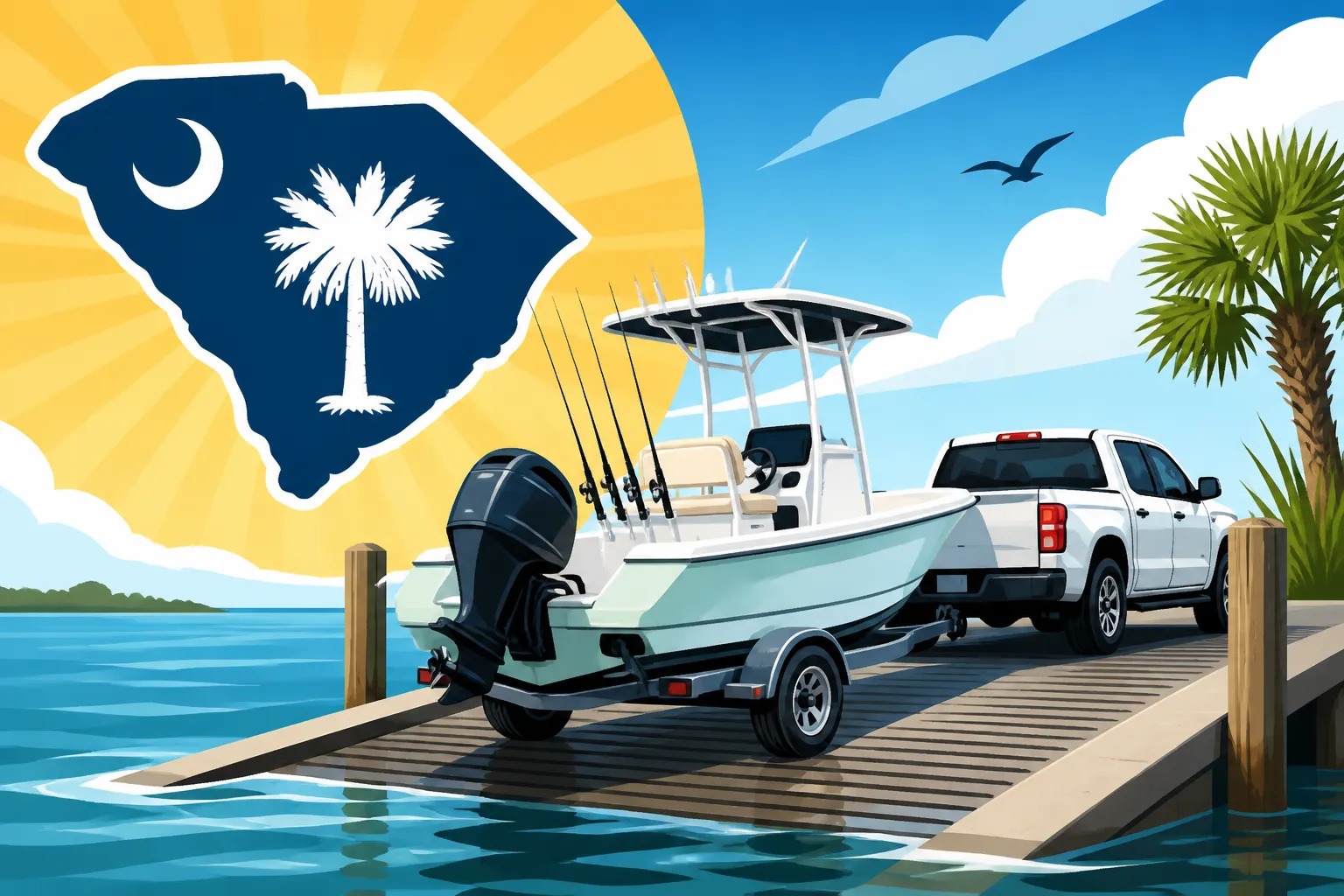
When it comes to courtesy at the ramp, remember the golden rule: be efficient. The ramp is not the place to rig up your rods, transfer gear from your truck to your boat, or even load your cooler. Do all of this in the staging area or parking lot. When it’s your turn, move quickly and confidently. If you're struggling, don't be afraid to ask for help, but also don't expect others to wait indefinitely. After launching, clear the ramp area immediately to allow the next boat to launch. Similarly, when retrieving your boat, be quick about getting it back on the trailer and then pull away from the ramp to finish securing it. A little respect for everyone's time makes the experience better for all.
Safety and Environmental Considerations
Safety at the boat ramp extends beyond just efficient launching. Always wear appropriate footwear, especially on wet or algae-covered ramps, which can be incredibly slick. Be mindful of prop wash from other boats, as it can create slippery conditions or even damage exposed ramp surfaces. If you’re launching alone, consider practicing your backing skills in an empty parking lot beforehand, or use a spotter if available.
From an environmental standpoint, it's our collective responsibility to keep these beautiful waterways clean and healthy. Always "Clean, Drain, Dry" your boat and trailer, especially when moving between different bodies of water, to prevent the spread of invasive species. Dispose of all trash properly – never leave bait containers, fishing line, or food wrappers at the ramp or in the water. Remember that these public access points are a privilege, not just a given. By adhering to good stewardship practices, we ensure that these free public boat ramps, and the incredible fishing opportunities they provide, remain available for generations to come. Many of the fish you'll be targeting, like the Redfish or Spotted Seatrout, rely on clean habitats, and by keeping our ramps and waters pristine, we contribute to healthier fish populations.
Disclaimer
The information provided in this guide is for general informational purposes only and is subject to change. While we strive for accuracy, fishing regulations, access policies, and specific ramp conditions can vary and be updated by the South Carolina Department of Natural Resources (SCDNR) or local authorities without prior notice. Always consult the official SCDNR website or relevant local government resources for the most current regulations and information before planning your trip. FishingBooker and other third-party apps, while useful, may not always have the most up-to-the-minute data. Your safety and adherence to all laws are your sole responsibility.