Striped Bass Fishing Spots on Lake Moultrie
There's nothing quite like the thrill of a hard-fighting striped bass, and if you've ever cast a line into the expansive waters of Lake Moultrie, you know the potential for a truly memorable catch is huge. However, this massive South Carolina reservoir can feel daunting, and many anglers get frustrated trying to pinpoint those elusive stripers. This guide is dedicated to breaking down the prime striped bass fishing spots on Lake Moultrie, offering practical advice to help you hook into the state's official freshwater game fish.
Understanding Lake Moultrie's Striper Dynamics
Before we dive into specific locations, it's crucial to grasp a few fundamental truths about striped bass behavior in a system as vast and dynamic as Lake Moultrie. Stripers aren't static; they're constantly on the move, driven by instinct, water conditions, and their relentless pursuit of forage. Ignoring these underlying patterns is often why anglers struggle, casting blindly when the fish have already moved on.
Seasonal Movements of Striped Bass
Striped bass are highly sensitive to water temperature, which dictates their depth and location throughout the year. Understanding these seasonal shifts is your first key to success.
- Spring (March – May): As water temperatures begin to rise into the 50s and 60s, stripers become incredibly active. They'll often move into shallower areas, especially coves and flats where baitfish are spawning. This is a fantastic time for casting a variety of lures, and you might find them schooling near the surface, aggressively feeding. They're recovering from winter and building energy for the upcoming spawn, making them eager biters. Look for them in the upper and mid-lake sections before they begin their move toward traditional spawning grounds upriver.
- Summer (June – August): This is perhaps the most challenging time for Lake Moultrie stripers. As surface temperatures soar, stripers seek refuge in deeper, cooler, more oxygenated water. They'll often be found in the main lake basin, congregating around thermoclines, deep channels, and the mouths of creeks. This usually means targeting them with downriggers or heavy live bait rigs, focusing on depths where they can find comfortable temperatures and abundant forage like blueback herring. Early mornings and late evenings might see them push shallower briefly, but generally, summer is a deep-water game.
- Fall (September – November): As temperatures cool, stripers become active again, mirroring their spring behavior but with an added intensity. Baitfish schools become larger and more concentrated, and stripers will follow them relentlessly. This often leads to spectacular topwater action, especially in the mornings and evenings, as stripers herd bait to the surface. They can be found across the lake, from creek channels to open water, and are generally easier to locate due to their aggressive feeding frenzies.
- Winter (December – February): During the colder months, Lake Moultrie stripers tend to school up tightly in deeper areas, often suspending over ledges, humps, or in the main river channels. While they might not be as overtly aggressive, they're still catchable. Downsizing baits, slowing presentations, and using electronics to locate these dense schools are key. The Diversion Canal can also be a significant draw in winter due to its consistent current and often slightly warmer waters. If you're looking for more general guidance on fishing throughout the year, our guide to the Best Time of Year to Fish in South Carolina can be a great resource.
Forage Base and Structure
The primary diet of striped bass in Lake Moultrie consists of blueback herring and gizzard shad. These baitfish are constantly on the move, and understanding their patterns is vital. Stripers will almost always be found near their food source.
- Blueback Herring: These open-water baitfish are a staple for larger stripers. They prefer deeper, cooler water, especially in summer, and tend to move in large schools. When stripers are feeding on herring, you'll often find them suspending in open water or along deep channels.
- Gizzard Shad: Shad are more versatile, found in a wider range of depths and conditions. They are crucial during spring and fall when stripers are in shallower areas.
- Structure: Stripers relate to structure for ambush points and cover, especially when actively feeding. Look for them around:
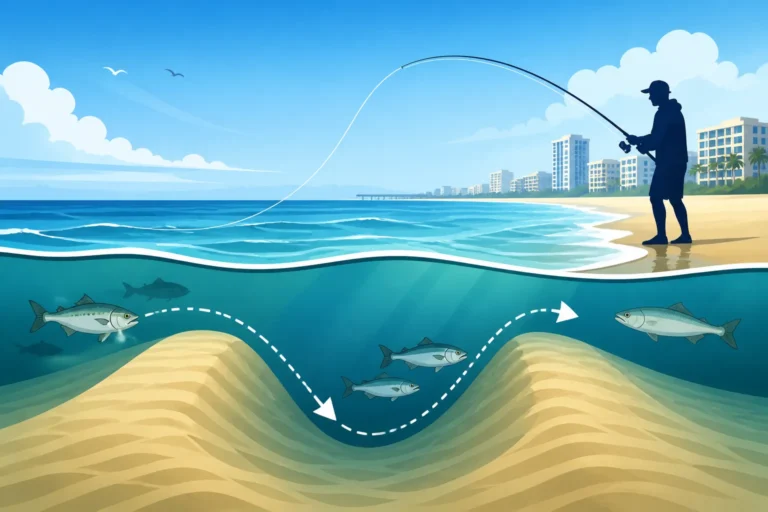
- Submerged Humps and Ledges: These underwater topographical features provide perfect ambush points and often hold schools of baitfish.
- Deep Channels: The old river channels that wind through Lake Moultrie are highways for stripers, especially in deeper water.
- Bridges and Causeways: Man-made structures can concentrate bait and provide current breaks.
- Open Water: Don't forget that stripers are also pelagic and will often suspend in the middle of nowhere, following massive schools of bait. Advanced electronics are critical for finding these suspended fish.
Top Striped Bass Hotspots on Lake Moultrie
Lake Moultrie, as part of the massive Santee Cooper Lakes system, offers a wealth of potential striped bass locations. Here are some of the most consistent and productive areas to target these hard-fighting fish.
The Diversion Canal Area
Without a doubt, the Santee Cooper Diversion Canal is a legendary spot for striped bass, not just on Lake Moultrie, but in all of South Carolina. This canal connects Lake Moultrie to Lake Marion, creating a constant flow of water and an ecological goldmine for stripers.
- Why it's a hotspot: The constant current from the Lock and Dam near Pinopolis means highly oxygenated water and a continuous stream of forage moving through. This consistent environment attracts and holds stripers year-round, even when other parts of the lake are slow. The depth varies, but deep holes and ledges along the banks provide excellent ambush points. The cooler, moving water here can be a lifesaver in the heat of summer. For specific details about this area, refer to our comprehensive guide on Santee Cooper Diversion Canal Fishing Spots.
- How to fish it:
- Trolling: This is a very popular method in the canal. Use planer boards to get your baits away from the boat or downriggers to target specific depths. Artificial lures like Rapala Shad Raps, Bomber Long A's, or bucktail jigs are effective, often tipped with a piece of cut bait.
- Live Bait: Freelinning live blueback herring or gizzard shad with the current is incredibly effective. Use a Carolina rig with a minimal weight to allow the bait to drift naturally. Anchor up current from a known hole or ledge and let the baits work.
- Casting: When stripers are schooling or busting on the surface, casting topwater plugs, swimbaits, or even bucktail jigs can yield explosive strikes.
- Challenges: The strong current can make boat control difficult, especially for less experienced anglers. It can also get very crowded, so patience and courtesy are essential. Always be aware of passing boat traffic.
Pinopolis Dam Tailrace
The area immediately below the Pinopolis Dam (where Lake Moultrie meets the Cooper River) is another famous striped bass magnet, though it has specific regulations and safety concerns due to the dam operations.
- Why it's a hotspot: The constant discharge of water from the dam creates an irresistible current and a highly oxygenated environment that stripers love. Baitfish are often stunned or disoriented by the turbulent water, making them easy targets. This area essentially creates a feeding funnel for larger predatory fish.
- How to fish it:
- Current-Oriented Techniques: Heavy jigs, bucktails, or large swimbaits are often needed to get down through the current. Live bait, particularly large gizzard shad, drifted on heavy Carolina rigs, can be highly effective.
- Bank Fishing: Access points below the dam are popular for bank anglers targeting stripers, especially during cooler months. Using heavy tackle and bait-and-wait methods with cut bait or live shad can be productive.
- Challenges: Safety is paramount here. Always be aware of dam discharge schedules and never enter restricted areas. The current is extremely powerful, and floating debris can be an issue. Always check local regulations, as rules for this specific area can sometimes differ from the main lake.
Major Humps and Ledges in the Main Lake
Lake Moultrie is known for its vast, open water, but beneath the surface lies a complex topography of old river channels, submerged timber, and most importantly for stripers, numerous humps and ledges.
- Why they're hotspots: These underwater features act as congregation points for baitfish and, consequently, for stripers. They provide vertical relief in an otherwise flat expanse, giving stripers structure to ambush prey. In summer, the deeper sides of these humps hold cooler water, making them prime habitat.
- How to find and fish them:
- Electronics are Key: A good fishfinder (sonar) with GPS mapping is non-negotiable here. You need to be able to identify these humps, ledges, and channel swings. Mark prominent features and baitfish schools.
- Trolling: Covering water over these structures with deep-diving crankbaits, spoons, or umbrella rigs is a go-to method. Experiment with different depths until you find the fish.
- Live Bait: Once you've marked fish on a hump or ledge, anchor upcurrent and freeline live blueback herring over the structure or use a Carolina rig to get the bait to the bottom. Drifting over these areas can also be very effective.
- Jigging: When stripers are tightly schooled on a hump, vertical jigging with heavy spoons or large soft plastics can be deadly.
- Prime Locations: While specific GPS coordinates are best found through local fishing reports or guides, look for these features in the lower and mid-lake sections of Moultrie, away from the immediate shorelines. Any area where the depth quickly changes from, say, 20 feet to 40 feet, then back to 25 feet, is a prime candidate. This kind of structure is crucial for stripers. Our general guide to Striped Bass Fishing on Lake Moultrie offers more insights into their habits.
Open Water Drifting Areas
Sometimes, stripers aren't relating to any specific structure but are instead suspending in the vast open water, following massive schools of blueback herring.
- Why they're hotspots: Especially in summer, but also during active feeding periods in spring and fall, stripers will roam the main lake in pursuit of their pelagic prey. This is often where you find the largest schools of fish.
- How to fish them:
- Search with Sonar: Again, your electronics are your best friend. Look for large arches or bait balls in the water column, often suspended anywhere from 15 to 60 feet down.
- Planer Boards & Freelinning: Once you locate schools of fish or bait, deploy live blueback herring on planer boards to cover a wide swath of water, or simply freeline them behind the boat with minimal weight to keep them at the desired depth. You can also use a "kite" system to keep baits closer to the surface if fish are busting.
- Trolling: Trolling umbrella rigs or deep-diving crankbaits through these suspended schools can also be very effective, especially for locating active fish.
Essential Techniques for Lake Moultrie Stripers
Having the right gear and knowing how to present your bait effectively can make all the difference, particularly when targeting these powerful fish in a challenging environment.
Trolling and Downrigging
Trolling is a highly effective method for covering large areas of Lake Moultrie and targeting stripers that are suspended or following deep structure. It allows you to present multiple baits at various depths simultaneously.
- Trolling with Planer Boards: This technique gets your baits away from the boat, covering a wider path and often enticing shy fish that might be spooked by the boat's motor. Attach your lines to planer boards (like Off Shore Tackle boards) with a live bait or artificial lure, and let them run out to the side. This is great for active fish near the surface or just below.
- Downrigging: When stripers are deep, especially in summer, downriggers are indispensable. These devices use heavy weights to take your lines down to precise depths. You attach your fishing line to a release clip on the downrigger wire, and when a fish strikes, the line releases, allowing you to fight the fish directly. Pair downriggers with spoons, bucktails, or live bait for the best results. For more on year-round techniques, check out South Carolina Striped Bass Fishing Techniques by Season.
- Umbrella Rigs: These rigs mimic a school of baitfish and can be trolled behind the boat or a planer board. They often consist of multiple swimbaits or bucktail jigs attached to a wire frame, making them incredibly attractive to stripers.
Live Bait Strategies
There's just something about live bait that stripers can't resist, especially natural forage like blueback herring or gizzard shad.
- Blueback Herring: These are arguably the top choice for live bait on Lake Moultrie. They are hardy, lively, and a primary food source for stripers. You can catch them using sabiki rigs or cast nets, often over deep humps or near the dam. Once caught, keep them in a well-aerated livewell.
- Gizzard Shad: Another excellent choice, particularly for larger stripers. Shad can be harder to keep alive but are worth the effort. They are typically caught with cast nets in shallower coves or creek mouths.
- Presentation:
- Freelinning: For active fish or when drifting over humps, simply hook a live bait through the nose or back and let it swim freely. Use minimal weight, if any, to allow it to move naturally. This is fantastic when stripers are busting or feeding near the surface.
- Carolina Rig: When targeting deeper fish or fishing near the bottom, a Carolina rig with an egg sinker (1/2 oz to 2 oz, depending on depth and current) and a barrel swivel to a fluorocarbon leader (2-4 feet) with a stout circle hook is effective. This rig keeps the bait near the bottom while allowing it natural movement.
- Balloon Rigs: For suspending baits near the surface in windy conditions or over structure, a balloon can keep your live bait in the strike zone longer.
Casting and Topwater
While live bait and trolling dominate much of the striper fishing on Lake Moultrie, don't underestimate the thrill of casting, especially during those magical times when stripers are actively feeding on the surface.
- Topwater Action: Early mornings and late evenings, particularly in spring and fall, are prime times for topwater. When stripers are schooling and driving baitfish to the surface, throwing large topwater plugs like poppers, walking baits (e.g., Heddon Super Spook), or prop baits can result in explosive, heart-stopping strikes. Look for diving birds or boils on the surface to pinpoint the action.
- Swimbaits and Jigs: When stripers are just below the surface or in shallower areas, casting large swimbaits (like the Zoom Super Fluke or a weighted soft plastic) or bucktail jigs can be incredibly effective. Vary your retrieve speed and depth until you find what the fish are looking for.
- Spinnerbaits: While more common for largemouth bass, large spinnerbaits with tandem blades can also draw strikes from aggressive stripers, especially in stained water or around shallower cover. The vibration and flash can be irresistible. Many different lures can be effective; check out our guide on the Best Lures for Striped Bass in South Carolina for more ideas.
Navigating and Accessing Lake Moultrie
Lake Moultrie is a large body of water, and knowing how to safely navigate it and where to launch your boat is essential for a productive trip.
Key Boat Ramps and Marinas
Accessing Lake Moultrie is relatively easy, with numerous public boat ramps and private marinas scattered around its perimeter.
- Bonneau Ferry Public Boat Landing: Located on the western side of the lake, this is a popular access point, offering multiple ramps and ample parking. It provides relatively quick access to both the main lake and the upper portions.
- MacDaddy's Restaurant & Marina (formerly Blacks Camp): Situated near the Diversion Canal, this is an excellent central location if you plan to focus on the canal or the mid-lake humps. They often have amenities like fuel and bait.
- Fred L. Day Public Boat Landing: Another good option on the eastern side, providing access to the main body of the lake.
- Hole N The Wall Marina: This marina offers good access and services for anglers on the lower end of the lake, closer to the dam.
- Planning Your Launch: Consider where you want to fish when choosing a ramp. If you're targeting the Diversion Canal, launching closer to that area will save you significant travel time. For a broader overview of access points in the area, our article on Boat Ramps on Lake Marion and Lake Moultrie is a useful read.
Safety Considerations
Fishing on a large reservoir like Lake Moultrie requires adherence to safety protocols. Its vastness means conditions can change rapidly, and being prepared is not just smart, it's crucial.
- Weather Awareness: Always check the weather forecast before heading out. High winds can quickly turn Lake Moultrie into a rough, dangerous environment with significant chop. Be prepared to cut your trip short if conditions deteriorate.
- Navigation: While much of the lake is open, submerged hazards do exist, especially in less-traveled areas or when navigating old river channels. Use your GPS and depth finder diligently. Pay attention to buoys and markers.
- Life Jackets: Ensure everyone on board has a properly fitting life jacket, and wear it, especially when running at speed or in rough water.
- Communication: Carry a fully charged cell phone and consider a VHF radio, especially if you plan to venture far from shore. Let someone know your float plan (where you're going and when you expect to return).
- Sun Protection and Hydration: On open water, the sun's intensity is amplified. Wear sunscreen, a wide-brimmed hat, and sunglasses. Bring plenty of water to stay hydrated.
| Hotspot Area | Primary Season(s) | Recommended Techniques | Key Features to Target | Potential Challenges |
|---|---|---|---|---|
| Diversion Canal | Year-round, especially winter | Trolling, Live Bait (freelining) | Deep channels, current breaks, Lock & Dam area | Heavy current, crowds |
| Pinopolis Dam Tailrace | Year-round, especially cooler months | Heavy jigs, Live Bait (heavy rigs) | Turbulent water, deep holes, current seams | Extreme current, restricted areas |
| Main Lake Humps/Ledges | Summer (deep), Spring/Fall (active) | Trolling, Live Bait (Carolina rig), Jigging | Sudden depth changes, bait schools on sonar, old river beds | Finding small features in vast water |
| Open Water Drifting | Summer, Spring/Fall (busting) | Freelinning Live Bait, Trolling Umbrella Rigs | Suspended bait balls, diving birds | Requires good sonar, covering lots of water |
If you're still feeling a bit overwhelmed by the sheer size of Lake Moultrie, or if you're visiting from out of state and want to maximize your chances, consider hiring a local guide. Platforms like FishingBooker can connect you with experienced captains who specialize in Lake Moultrie striper fishing. They know the subtle nuances of the lake, have the right equipment, and can quickly put you on fish, giving you an unforgettable experience. Plus, a good guide will typically handle all the license requirements for charter passengers, though it's always smart to confirm. Speaking of licenses, always make sure you have your South Carolina Fishing License Guide in order before you hit the water.
Disclaimer
Fishing conditions and regulations in South Carolina can change. Always consult the latest rules and advisories from the South Carolina Department of Natural Resources (SCDNR) before your trip. This guide is for informational purposes only and does not constitute legal advice.