Fishing Spots Near Charleston, Columbia, and Myrtle Beach
It's incredibly frustrating when you're itching to wet a line in South Carolina, but the sheer number of waterways leaves you wondering where to even begin, especially around bustling cities like Charleston, Columbia, and Myrtle Beach. You want to make the most of your precious fishing time, not spend it endlessly searching for the perfect spot or driving to a location that turns out to be a dud. This comprehensive guide will cut through the confusion, offering detailed insights into the best fishing spots near these major South Carolina hubs, equipping you with the local knowledge to reel in a great catch.
Charleston: Where History Meets the High Tide
Charleston is a true angler's paradise, a place where historic charm blends seamlessly with incredible fishing opportunities. The Lowcountry's intricate network of tidal creeks, estuaries, and offshore waters makes it a prime destination for both seasoned pros and eager beginners. Whether you're looking for the thrill of a redfish on the flats or the deep-sea challenge of pelagic species, Charleston delivers.
The Dynamic Inshore Estuaries
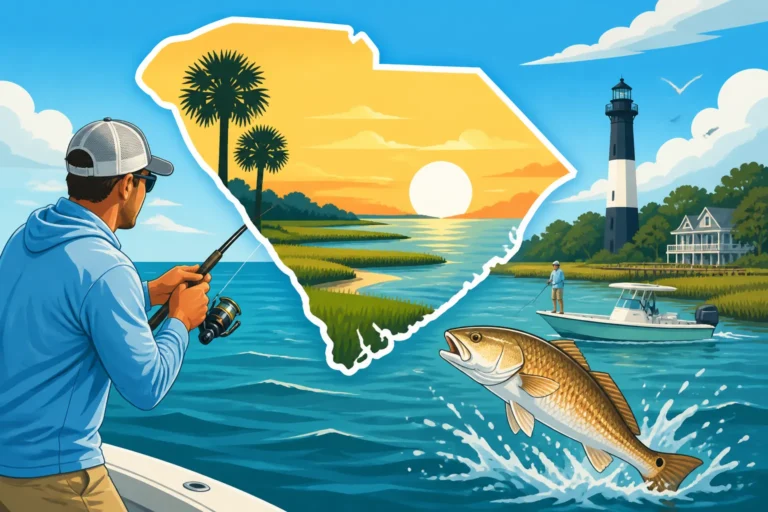
The creeks and estuaries winding around Charleston are simply teeming with life. This brackish environment, a mix of fresh and saltwater, creates a rich ecosystem perfect for a variety of popular inshore species. Think about the intricate marsh grass labyrinth of the Stono, Folly, and Cooper Rivers, all offering fantastic fishing. These areas are truly the bread and butter of Lowcountry fishing, providing sheltered waters where you can target fish year-round.
One of the most sought-after species here is the redfish, often found tailing in shallow grass flats during high tide or schooling in deeper creek bends as the tide falls. Anglers often employ light tackle, casting soft plastics like Gulp! shrimp or live bait such as mud minnows and live shrimp. The key is to pay close attention to the tides, as they dictate the fish's movement and feeding patterns. For more on navigating these complex rules, check out our guide on South Carolina Redfish Slot Limit Rules. Another popular target is the spotted seatrout, which you'll find lurking around oyster beds and submerged structure. They're usually caught with artificial lures like MirrOlures or live shrimp under a popping cork. Beyond these two, you'll also find flounder, black drum, and sheepshead frequenting these same habitats, making every trip a potential mixed bag of excitement.
Pier and Bank Fishing Opportunities
Not everyone has a boat, and honestly, you don't always need one to enjoy fantastic fishing in Charleston. The area boasts several excellent piers and public access points for bank fishing that can put you on fish without ever launching a vessel. The Mt. Pleasant Pier, extending 1250 feet into Charleston Harbor, is a prime example. It’s built on the pilings of the old Grace Memorial Bridge and offers incredible access to deeper waters where you can hook into a surprising variety of species.
On a good day, from the Mt. Pleasant Pier, you might catch anything from sheepshead and flounder to speckled trout and even smaller sharks. It’s a great spot for families, too, with plenty of room to spread out and usually a tackle shop nearby for bait and last-minute supplies. Beyond the piers, numerous public docks and park access points along the Cooper River or various tidal creeks offer excellent bank fishing. Places like Pitt Street Bridge in Mount Pleasant provide a picturesque setting for casting a line, often yielding redfish and trout as the tides ebb and flow. Just remember to check for local regulations and signage before settling down to fish.
Venturing Offshore for Deeper Thrills
For those who crave the open ocean and the thrill of battling larger, more powerful fish, Charleston's offshore waters are an absolute playground. This is where the real big game action happens, from reefs and wrecks just a few miles out to the bluewater depths of the Gulf Stream. Many anglers opt for a charter boat for these trips, and if you’re looking to find a reputable captain, platforms like FishingBooker can connect you with experienced guides familiar with these waters.
Nearshore reefs and wrecks, often within a short boat ride, hold a bounty of species like snapper, grouper, sea bass, and king mackerel. Dropping live baits or jigs around these structures can lead to some incredible action. Further offshore, hitting the Gulf Stream is an adventure in itself, targeting highly prized pelagic species such as mahi-mahi (dolphin), wahoo, tuna, and marlin. These trips typically require specialized gear and a significant time commitment, often full-day excursions, but the potential rewards are truly unforgettable. To plan these trips, consulting our guide on Charleston Harbor Fishing Spots for South Carolina Anglers can give you a head start on local hot spots.
Columbia: River City's Freshwater Havens
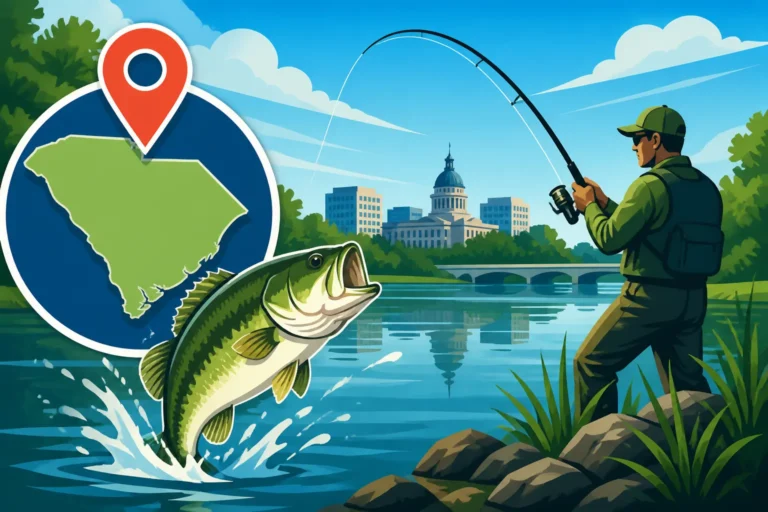
While Charleston shines with its saltwater allure, Columbia, the state capital, offers an equally compelling freshwater fishing scene. Nestled at the confluence of the Broad, Saluda, and Congaree Rivers, Columbia is a true hub for riverine and lake fishing. This area provides a stark contrast to the coast, with serene river stretches and expansive lakes that are home to some of South Carolina's most exciting freshwater species.
The Congaree and Broad River Systems
The heart of Columbia's fishing lies within its powerful river systems. The Congaree River, formed by the convergence of the Broad and Saluda, is particularly renowned for its robust catfish population. Imagine anchoring your boat in a deep bend or setting up on a sandbar, soaking cut bait for monster flatheads and blue cats. These fish grow to impressive sizes here, and a typical outing can result in multiple catches, often leading to a delicious fish fry. The Congaree is also a fantastic spot for striped bass, especially during their seasonal runs. These hard-fighting fish provide an exhilarating challenge, often requiring heavier tackle and a keen understanding of their migratory patterns.
The Broad River, flowing down from the upstate, offers a different flavor of angling. Known for its strong currents and rocky shoals, it’s an excellent choice for anglers seeking smallmouth bass in certain stretches, a less common but equally exciting target in South Carolina. Additionally, the Broad is another prime location for striped bass, particularly in the cooler months. Kayak and canoe anglers find the Broad River particularly appealing for its scenic beauty and accessible fishing, allowing them to drift through productive stretches, casting for various sunfish species or bass hiding behind structure. Many local outfitters can provide guidance on safe access points and current conditions for river fishing. Our article on Congaree River Fishing Spots Near Columbia, South Carolina goes into even more detail about these specific areas.
Urban Ponds and City Parks
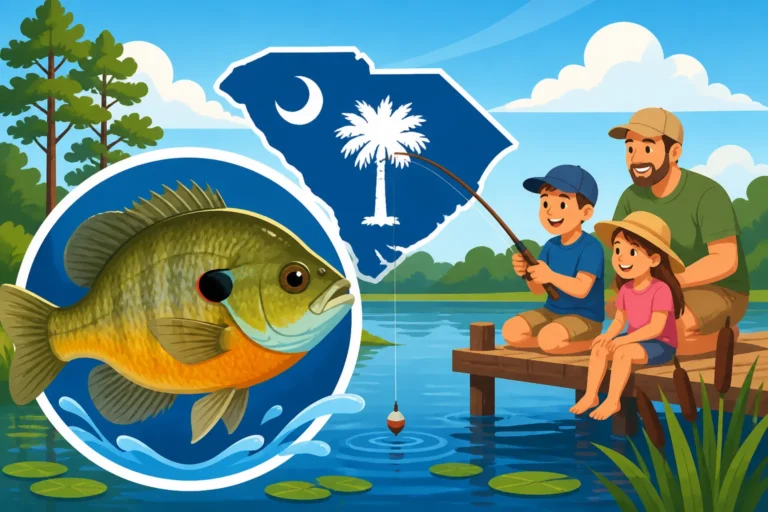
For a quick fishing fix or a family-friendly outing, Columbia also offers a surprising number of accessible urban ponds and lakes within its city limits and surrounding parks. These smaller bodies of water are perfect for introducing kids to fishing or for a relaxing afternoon without the need for extensive travel or specialized gear. Often stocked by the South Carolina Department of Natural Resources (SCDNR), these ponds can yield a pleasant surprise.
Typically, you'll find a healthy population of panfish here, including bluegill, redear sunfish, and crappie. Simple setups with a bobber, a small hook, and live worms or crickets are usually all you need. You might also encounter largemouth bass, especially in ponds with more natural structure like lily pads and submerged logs. Popular spots include the ponds in Sesquicentennial State Park or various city park ponds around the greater Columbia area. These offer easy bank access, picnic areas, and often playgrounds, making them ideal for a family outing. Remember that even in smaller urban waters, a South Carolina Fishing License Guide is usually required, so always make sure you’re properly licensed.
Nearby Lake Adventures
Just a short drive from Columbia lies the vast expanse of Lake Murray, a true jewel for freshwater anglers. Often referred to as the "Jewel of South Carolina," this enormous reservoir is nationally recognized for its striped bass and largemouth bass fishing. It's a significant destination that draws anglers from all over, offering an entirely different scale of fishing compared to the rivers and ponds closer to the city.
Lake Murray's incredible productivity is due to its vast size, diverse habitats, and robust management by the SCDNR. Striped bass are particularly famous here, with anglers often targeting them by trolling live bait or artificial lures in open water, especially during the summer months when they congregate in deeper, cooler areas. For largemouth bass, Lake Murray offers fantastic opportunities around its abundant coves, submerged timber, and rocky points. Many professional bass tournaments are held on Lake Murray, a testament to its quality. You'll also find excellent crappie and catfish fishing in various parts of the lake, making it a truly versatile destination for any freshwater enthusiast.
Myrtle Beach: Coastal Charms and Angling Adventures
Myrtle Beach, a famous vacation destination, isn't just about sunbathing and amusement parks; it's also a fantastic spot for coastal fishing. From the pounding surf to serene inlets, the Grand Strand offers diverse fishing environments that cater to every angler, whether you're a casual vacationer or a dedicated local.
The Thrill of Surf Fishing
One of the most accessible and quintessential Myrtle Beach fishing experiences is surf fishing. Imagine standing on the wide, sandy beaches, the waves crashing at your feet, casting your line out into the Atlantic. It's a wonderfully relaxing yet exciting way to fish, requiring minimal gear beyond a sturdy surf rod, a good sand spike, and some bait. The best times for surf fishing are often around sunrise and sunset, and sometimes even into the night when the crowds thin out.
Common catches from the surf include whiting, pompano, croaker, and various species of drum (black and red). You might even hook into a small shark or stingray, which can provide a surprising fight. Fresh cut bait like mullet or shrimp is usually the most effective, fished on a Carolina rig to keep it on the bottom. Pay attention to troughs and cuts formed by the waves, as these are natural feeding lanes for fish. For more detailed tips on where to cast your line, be sure to read our guide on Myrtle Beach Surf Fishing Spots in South Carolina. Many local tackle shops, such as Captain Dick's, can give you up-to-the-minute reports on what's biting and what bait to use.
Pier Fishing for All Ages
Myrtle Beach is famous for its numerous fishing piers, which offer incredible access to deeper water without needing a boat. These piers are community hubs, bustling with anglers of all ages and skill levels, making them perfect for families or those who enjoy a social fishing experience. Piers like Apache Pier, the Myrtle Beach State Park Pier, and Cherry Grove Pier stretch hundreds of feet into the ocean, allowing you to bypass the shallow surf and target species that inhabit deeper water columns.
From these piers, anglers regularly catch king mackerel, Spanish mackerel, bluefish, flounder, sheepshead, and various bottom fish. Using a two-hook bottom rig with shrimp or squid is effective for smaller species, while heavier tackle and live bait can land you bigger game like king mackerel. Many piers have bait and tackle shops, restrooms, and even restaurants, making it a comfortable and convenient option for a full day of fishing. Plus, many piers operate under a blanket fishing license, meaning you often don't need your own individual South Carolina Fishing License Requirements in South Carolina while fishing from their structure, though it's always wise to confirm this with the pier staff.
Exploring Inshore Backwaters
While the beaches get all the attention, Myrtle Beach also boasts a fantastic network of inshore backwaters, especially around Murrells Inlet and the Intracoastal Waterway. These areas provide sheltered fishing grounds and are incredibly productive, mirroring some of the same species found in Charleston's estuaries. Think of calm, winding creeks, oyster beds, and marsh grass edges that hold an abundance of fish. If you're looking for an excellent guided experience in these areas, FishingBooker lists several local captains who specialize in navigating these intricate waterways.
Here, you'll primarily target redfish, spotted seatrout, and flounder, much like in the Charleston Lowcountry. Artificial lures like soft plastic paddletails, spoons, or live shrimp under a popping cork are deadly effective. Many anglers explore these areas by kayak, paddleboard, or small skiff, allowing for quiet stealth and access to very shallow areas where larger boats can't go. Murrells Inlet, in particular, is a well-known spot, often called the "Seafood Capital of South Carolina" not just for its restaurants, but for the abundant fish in its waters. The tidal influence is crucial here, just as it is in Charleston, so understanding the ebb and flow will significantly increase your success. Our comprehensive guide on Best Inshore Fishing Spots in South Carolina can offer a broader perspective on these productive coastal areas.
Navigating South Carolina's Diverse Waters
Fishing in South Carolina, especially around these key cities, offers an incredible array of options. But successfully navigating these diverse waters often comes down to a few key strategies, regardless of whether you're casting into a freshwater lake or the salty Atlantic. Knowing where to look for information and how to prepare properly can make all the difference between a frustrating outing and a memorable day on the water.
Tapping into Local Knowledge and Online Resources
One of the greatest assets any angler can have is local knowledge. This doesn't mean you have to be born and raised in South Carolina, but it does mean being willing to seek out information from those who are. Bait and tackle shops are absolute goldmines of real-time intel. The folks working there live and breathe fishing, and they're usually more than happy to share tips on what's biting, what bait to use, and even where the fish are holding. They might even clue you into a lesser-known public access point or a subtle current break that's been producing.
Beyond the friendly faces at the bait shop, the internet offers a wealth of resources. Dedicated fishing forums for South Carolina are great places to ask questions and learn from other anglers. Apps and websites with detailed nautical charts and topographic maps, like Navionics or local GIS portals, can reveal submerged structures, contour lines, and creek channels that are invisible from the surface but crucial for locating fish. Even platforms like FishingBooker, which primarily connect anglers with charters, often have blog posts or destination guides that highlight productive areas and seasonal patterns. Don't be shy about doing your homework; a little research can go a long way.
Essential Gear and Safety Considerations
Having the right gear is fundamental, but "right" doesn't necessarily mean the most expensive or complicated. For freshwater, a medium-action spinning rod and reel combo with 8-12 lb test line is incredibly versatile for bass, crappie, and even smaller catfish. For saltwater, especially inshore, a medium-heavy setup with 15-20 lb braided line is a good starting point for redfish and trout. If you're surf fishing, a longer rod (10-12 feet) designed to cast heavy weights is a must. Matching your tackle to your target species and environment will not only increase your success but also prevent unnecessary break-offs.
Safety, however, always comes first. This is especially true when fishing in unfamiliar waters or engaging in activities like kayak fishing in tidal creeks. Always tell someone where you're going and when you expect to return. Wear appropriate sun protection, bring plenty of water, and keep a first-aid kit handy. If boating, ensure all required safety gear is aboard, including life jackets, a whistle, and navigational lights if you'll be out at dusk or dawn. Understanding weather patterns is also crucial, as conditions can change rapidly on the coast or large lakes. A sudden thunderstorm or a pop-up squall can turn a pleasant day into a dangerous one very quickly.
Seasonal Strategies for Success
South Carolina's diverse climate means that fishing success often hinges on understanding seasonal patterns. Fish behavior changes dramatically with water temperature, spawning cycles, and available forage. What works in the spring might be completely ineffective in the heat of summer, and vice-versa. Adapting your techniques and choosing your spots based on the time of year is paramount to consistent success.
Spring's Bustling Bite and Summer's Heat
Ah, spring! This is often considered the most exciting time for many anglers in South Carolina. As water temperatures rise after the winter chill, fish become incredibly active, driven by the urge to spawn and feed heavily. In freshwater, the largemouth bass spawn is in full swing, leading to aggressive strikes from protective males and hungry females. Crappie also move into shallower waters, making them easier to target. On the coast, redfish become more active, moving onto the flats more readily, and the first migratory species like Spanish mackerel begin to show up nearshore, bringing fast-paced action. Our guide on Best Time of Year to Fish in South Carolina delves deeper into these seasonal opportunities.
Summer, however, brings a different challenge: the heat. While the action can still be fantastic, fish often retreat to deeper, cooler waters during the day or feed more actively during the cooler hours of dawn and dusk. For freshwater lakes like Murray, this means targeting striped bass in thermoclines using downriggers or trolling. Inshore saltwater species like redfish might be found hunkered down in deeper creek channels or under shady mangrove edges, making them harder to entice. Offshore fishing, conversely, truly heats up, with mahi-mahi and other pelagic species abundant in the warmer Gulf Stream waters. Early morning or late evening trips become particularly productive in both freshwater and saltwater during these scorching months.
Fall's Bounty and Winter's Quiet Opportunities
As summer transitions into fall, the fishing in South Carolina often experiences a glorious resurgence. The decreasing water temperatures re-energize fish, and they enter a feeding frenzy, packing on reserves for the leaner winter months. In freshwater, bass and stripers become incredibly aggressive, often chasing baitfish near the surface. The cool, crisp air makes for incredibly comfortable fishing days, and the vibrant fall foliage adds a beautiful backdrop to your angling adventures.
Winter, while often overlooked by fair-weather anglers, offers its own unique charm and incredible opportunities. The crowds thin out, and the fish, though less active, can be highly concentrated. Inshore saltwater species like redfish and spotted seatrout often school up in deep holes within the estuaries, making them easier to locate once you find a school. Targeting these winter schools can lead to epic days of catching. In freshwater, techniques like slow-rolling crankbaits or fishing jigs near deep structure can produce some of the largest bass of the year. For detailed regulations on some popular winter targets, refer to Spotted Seatrout Size and Bag Limits in South Carolina. So, don't put your rods away just because it's cold; winter fishing in South Carolina can be incredibly rewarding for those willing to brave the chill.
Understanding Licensing and Regulations
One of the most crucial, yet often overlooked, aspects of fishing is understanding and adhering to local regulations. Nothing puts a damper on a great day faster than an encounter with a game warden when you're not in compliance. South Carolina, like all states, has specific rules designed to protect its fisheries and ensure sustainable angling for future generations. These rules can vary significantly depending on whether you're fishing in freshwater or saltwater, and they are regularly updated, so staying informed is vital.
Freshwater vs. Saltwater Requirements
The first major distinction to grasp is the difference between freshwater and saltwater fishing licenses. You simply cannot use one for the other. If you plan to fish in lakes, rivers, or ponds, you'll need a freshwater license. This includes places like Lake Murray, the Congaree River, or any of the smaller ponds around Columbia. The rules for a South Carolina's Freshwater Fishing Regulations are distinct, covering species like largemouth bass, crappie, catfish, and various sunfish.
Conversely, if your sights are set on the coast—Charleston Harbor, Murrells Inlet, or the surf at Myrtle Beach—you'll need a saltwater fishing license. This covers all marine species from redfish and spotted seatrout to flounder and offshore giants. The boundaries between fresh and saltwater can sometimes be a little murky in brackish estuaries, so if you're ever in doubt, it's always safest to purchase both or consult the SCDNR regulations closely. A helpful resource like the South Carolina Annual Fishing License Price Breakdown can guide you through the various options and costs for both types of licenses, including annual and short-term permits.
Bag Limits and Size Restrictions
Beyond simply having a license, anglers must also be aware of bag limits and size restrictions, which are in place for nearly all popular game fish. A bag limit dictates the maximum number of fish of a particular species you can keep in a single day, while size restrictions establish minimum and sometimes maximum lengths. For instance, you can't just keep every redfish you catch; there's a specific slot limit (e.g., 18-25 inches in many areas) designed to protect juvenile and breeding-size fish. This means fish below the minimum or above the maximum size must be immediately released.
These regulations are subject to change based on scientific assessments of fish populations, so what was legal last year might not be this year. Always consult the most current SCDNR regulations booklet or website before heading out. They even have apps that can provide real-time updates. Ignoring these rules can lead to hefty fines, confiscation of your catch and gear, and even loss of fishing privileges. Remember, these regulations aren't just arbitrary rules; they're vital tools for conservation, ensuring that South Carolina's incredible fishing opportunities remain abundant for generations to come. For specific details on what you can legally keep, our guide on South Carolina Fishing Bag Limits Explained is an essential read.
| City/Area | Primary Fishing Type | Target Species (Common) | Optimal Seasons | Recommended Fishing Method(s) |
|---|---|---|---|---|
| Charleston | Saltwater (Inshore) | Redfish, Spotted Seatrout, Flounder | Spring, Fall, Winter | Light tackle, Popping cork, Live/Soft plastics |
| Saltwater (Offshore) | Mahi-Mahi, King Mackerel, Snapper, Grouper | Summer, Late Spring, Early Fall | Trolling, Bottom fishing, Jigging | |
| Columbia | Freshwater (Rivers) | Catfish, Striped Bass, Smallmouth Bass | Year-round, Stripers in cooler months | Bottom fishing, Cut bait, Trolling, Casting |
| Freshwater (Lakes/Ponds) | Largemouth Bass, Crappie, Bluegill, Striped Bass | Spring, Fall (Bass/Crappie); Summer (Stripers deep) | Lure casting, Jigging, Bobber fishing | |
| Myrtle Beach | Saltwater (Surf) | Whiting, Pompano, Croaker, Red Drum | Spring, Fall | Surfcasting, Bottom rigs, Cut/Live bait |
| Saltwater (Piers) | King Mackerel, Spanish Mackerel, Flounder, Sheepshead | Spring, Summer, Fall | Live bait, Jigging, Bottom fishing | |
| Saltwater (Inshore) | Redfish, Spotted Seatrout, Flounder | Spring, Fall, Winter | Light tackle, Popping cork, Live/Soft plastics |
Disclaimer
Please remember that fishing conditions, regulations, and local access points can change. Always consult the latest South Carolina Department of Natural Resources (SCDNR) regulations before fishing and prioritize your safety on the water.