What Happens If You Get Caught Fishing Without a License?
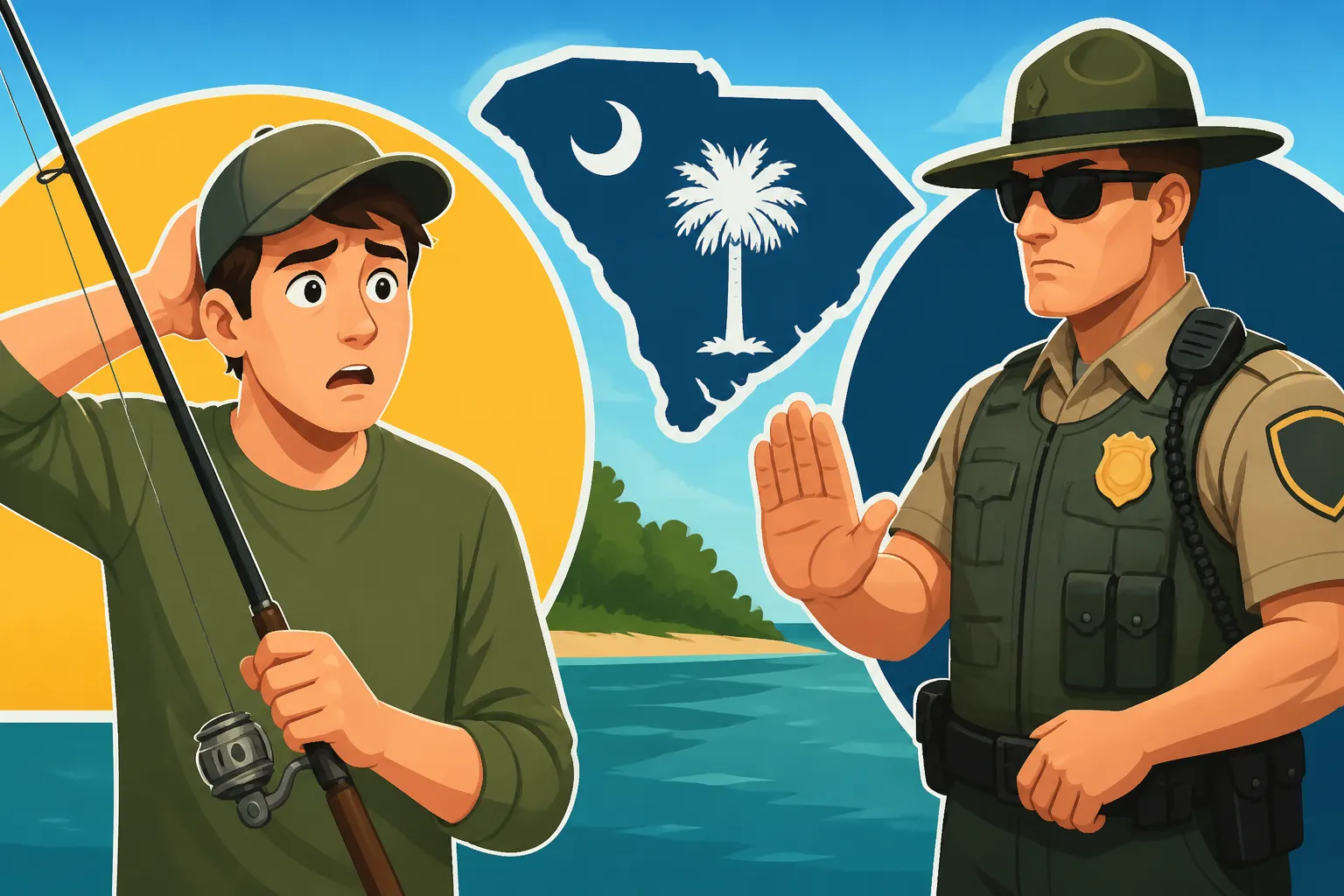
It's a beautiful day, the line is in the water, and you're enjoying the peace and quiet of a South Carolina lake or a coastal creek. Suddenly, a boat pulls up, or an officer approaches from the bank. The question hits: "May I see your fishing license?" For many, this simple request can spark a moment of panic if that little piece of paper isn't where it should be. This guide is here to shed light on exactly what happens if you're caught fishing without a valid license in the Palmetto State, detailing the immediate and potential long-term repercussions.
The Initial Encounter: What to Expect from Law Enforcement
Getting stopped by a game warden or law enforcement officer while fishing can be a bit startling, especially if you're not sure your license is in order. It's crucial to understand who has the authority to check your credentials and what the typical process looks like. Remaining calm and cooperative is always the best approach, regardless of the situation.
Who Can Check Your License?
In South Carolina, the primary agency responsible for enforcing fishing regulations is the South Carolina Department of Natural Resources (SCDNR). Their game wardens, officially known as DNR officers, have full law enforcement authority and are specifically trained in wildlife and fisheries laws. They routinely patrol public waterways, boat ramps, piers, and popular fishing spots across the state, both on land and water.
However, it’s not just SCDNR officers. Any certified law enforcement officer, including county deputies, municipal police, and even state troopers, can potentially check your fishing license if they have reasonable suspicion or are assisting a DNR officer. While less common for a local police officer to initiate a license check specifically for fishing, if they encounter you in a situation where fishing is occurring and regulations are in question, they can certainly ask. It’s always best to be prepared and carry your license with you, whether it’s a physical copy or a digital version on your phone. Many anglers ask, "Can Rangers Check Your Fishing License in South Carolina?" and the answer is a definitive yes – it's their job to uphold these conservation laws.
The Process of Being Cited
If an officer determines you are fishing without a valid license, the process will generally involve being cited, which is essentially receiving a ticket or summons. The officer will typically ask for your identification to confirm your identity and residency. They will then explain the violation, which is fishing without the required license. This could be a freshwater license, saltwater license, or a combination, depending on where and what you're fishing for.
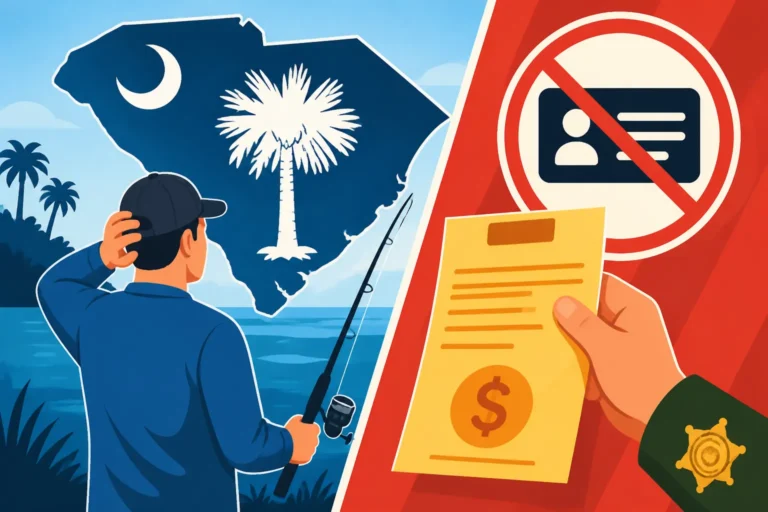
The citation will include details like your name, address, the specific charge (e.g., "fishing without a valid SC fishing license"), the date, time, and location of the offense. It will also specify a court date and location where you'll need to appear, or provide instructions on how to pay the fine without a court appearance if that option is available for the specific offense. It’s important to understand that this isn’t just a simple warning; it's a legal document that requires a response. Ignoring it can lead to further, more severe legal problems down the road, such as a bench warrant for your arrest.
Understanding the Penalties: Fines and Legal Ramifications
The immediate aftermath of being caught without a fishing license in South Carolina often involves a fine, but the full scope of penalties can be more complex than just a monetary penalty. These laws are in place to fund conservation efforts and manage fish populations, so the state takes them seriously.
Typical Fines for Unlicensed Fishing
The most common penalty for fishing without a license in South Carolina is a monetary fine. While the exact amount can vary depending on the specific circumstances, jurisdiction, and whether it’s a first offense or a repeat violation, it's generally considered a misdemeanor offense. In many cases, the base fine can range from around $100 to several hundred dollars. For instance, if you're caught fishing without a license on Lake Murray, the fine might be around $180-$200 for a first offense. This is just for the license violation itself, not including any other potential violations like exceeding bag limits or fishing in a closed season.
It's also worth noting that the court may add administrative fees and court costs on top of the base fine, significantly increasing the total amount you’ll have to pay. This means a seemingly minor offense can quickly become a much larger financial burden than the cost of a valid Fishing License Costs in South Carolina in the first place.
Here’s a simplified breakdown of potential costs:
| Penalty Type | Typical Range (First Offense) | Notes |
|---|---|---|
| Base Fine | $100 – $250 | Varies by specific offense and county. |
| Court Costs/Fees | $75 – $150 | Added by the court, regardless of plea or appearance. |
| Total Minimum Cost | $175 – $400 | Can be higher for repeat offenders or additional violations. |
| License Purchase | ~$10 – $150 | The actual cost of a SC fishing license (annual, resident, non-res). |
This table clearly illustrates that the cost of being caught without a license far outweighs the modest expense of acquiring one legally. For instance, a South Carolina Resident Freshwater Fishing License Annual Cost is only $10.
The Possibility of Court Appearances
While some minor citations might offer an option to pay the fine online or by mail, many fishing license violations in South Carolina will require a court appearance. This is especially true if it's not your first offense, if there are additional charges, or if the officer believes there are circumstances that warrant a judge's review. When you receive a citation, it will usually specify a date and time for your court appearance in the magistrate's court for the county where the offense occurred.
Attending court can be a time-consuming and inconvenient process. You’ll need to take time off work or other obligations, travel to the courthouse, and potentially wait for your case to be called. During the appearance, you can plead guilty, no contest, or not guilty. If you plead not guilty, you will typically be scheduled for a trial where you can present your defense. A judge will then decide your guilt and impose the sentence. Even if you plan to plead guilty, attending court allows you to explain your situation, although it doesn’t guarantee a lesser penalty.
Additional Penalties Beyond Fines
Beyond monetary fines and court hassles, there can be other, less immediate but equally impactful penalties. These often relate to your fishing privileges themselves.
For example, if you are convicted of fishing without a license, the SCDNR can suspend your fishing privileges for a period of time. This means you would be legally prohibited from fishing in South Carolina waters, even if you later purchase a license, for the duration of the suspension. This can be a real blow to passionate anglers who rely on fishing for recreation or even sustenance. The length of the suspension can vary, often increasing with subsequent offenses.
In some severe or repeat cases, the court might even order the forfeiture of your fishing equipment, such as rods, reels, or even a boat, if it was used in the commission of the offense. While this is less common for a simple license violation, it underscores the potential seriousness of ignoring fishing regulations. Furthermore, having a misdemeanor conviction on your record, even for a fishing offense, can sometimes have broader implications, though usually minor, for things like background checks. It’s important to understand these Penalties for Fishing Without a License in South Carolina.
Long-Term Consequences: Beyond the Immediate Fine
The ramifications of being caught fishing without a license can extend far beyond the initial fine and court date. These long-term consequences are designed to deter repeat offenses and reinforce the importance of adherence to state regulations for sustainable resource management.
License Suspension and Future Eligibility
One of the most significant long-term consequences is the potential suspension of your fishing privileges. A conviction for fishing without a license can result in the South Carolina Department of Natural Resources (SCDNR) suspending your ability to purchase or hold a fishing license for a specified period. This means that even if you decide to buy a license after being cited, you might not be legally allowed to do so for months or even years.
Imagine planning a summer fishing trip to the coast, only to find out you're ineligible to get a South Carolina Fishing License Guide for the next six months because of a past infraction. This can be incredibly frustrating and effectively cuts you off from enjoying one of South Carolina’s most beloved outdoor activities. The duration of the suspension often depends on the severity of the offense and whether you have a history of violations. Repeat offenders face stiffer penalties and longer suspension periods, making it clear that the state is serious about enforcement.
Impact on Hunting Privileges
For those who enjoy both fishing and hunting, a fishing license suspension can sometimes impact your hunting privileges as well. While not always a direct one-to-one suspension, many states view wildlife and fisheries violations holistically. If you are found guilty of a serious or repeated fishing regulation violation, the SCDNR has the authority to suspend all of your hunting and fishing privileges. This could mean you lose the ability to hunt deer in the fall or turkey in the spring, in addition to not being able to cast a line.
This interconnectedness highlights the importance of understanding all aspects of South Carolina Fishing License Requirements in South Carolina and hunting regulations. It’s a unified system designed to protect all of the state's natural resources, and violations in one area can have ripple effects across your entire outdoor recreational access.
Reputation and Record Considerations
While a fishing license violation might seem minor compared to other legal issues, it still results in a mark on your record. These offenses are typically misdemeanors. A criminal record, even for a misdemeanor, can potentially show up on background checks, depending on the depth of the check. While it's unlikely to derail a job application, it's still something to be aware of.
Beyond the formal record, there's also the impact on your reputation within the angling community. South Carolina has a strong community of responsible anglers who are passionate about conservation and respecting regulations. Being known for cutting corners or disregard for the rules can certainly affect how you're perceived by fellow fishermen, guides, and even local tackle shop owners. Most people prefer to fish with those who share a commitment to ethical angling practices.
Avoiding the Predicament: Always Be Prepared
The easiest way to avoid the stress, fines, and potential long-term consequences of fishing without a license is to simply ensure you're always properly licensed and informed. It's a small investment for peace of mind and the right to enjoy South Carolina's incredible fisheries.
How to Ensure You're Always Licensed
Staying licensed is remarkably easy in South Carolina. The SCDNR has made the process straightforward and accessible.
First, identify which license you need. Are you fishing in freshwater lakes and rivers, or heading out to the brackish estuaries and the open ocean? South Carolina has separate South Carolina's Freshwater Fishing Regulations and Saltwater Fishing Rules in South Carolina, and therefore different licenses. If you plan to do both, a combination license is often the most cost-effective and convenient option.
You can purchase your license in several ways:
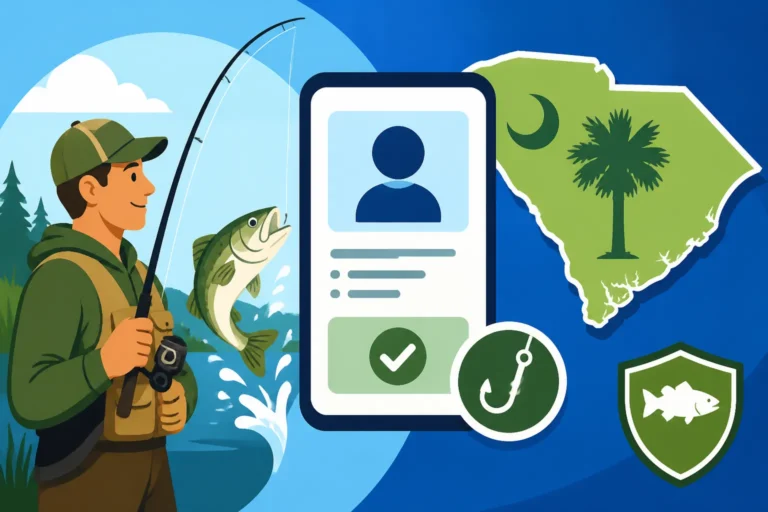
- Online: The most popular and convenient method is through the SCDNR's Go Outdoors South Carolina portal. This allows you to purchase a license from the comfort of your home, and you can often print it immediately or save a digital copy to your phone. Check out Buying a South Carolina Fishing License Online for detailed steps.
- In Person: Many local tackle shops, sporting goods stores (like some larger retail chains), and authorized SCDNR vendors sell fishing licenses. This is a great option if you prefer a physical card or need immediate assistance. If you're wondering Where to Buy a Fishing License in South Carolina, these are prime locations.
- By Phone: You can also call the SCDNR licensing division directly to purchase a license.
Remember to pay attention to expiration dates. Annual licenses typically expire on June 30th of each year, regardless of when you purchased them. Setting a reminder to check your South Carolina Fishing License Renewal Basics date can prevent an accidental lapse. Also, be aware of South Carolina Fishing License Age Requirements; generally, residents 16 years of age and older need a license.
Double-Checking Regulations
Beyond having a license, it's just as important to understand and follow the specific regulations for the waters you're fishing and the species you're targeting. These regulations cover everything from bag limits and size restrictions to seasons and legal methods of take.
Regulations can change, sometimes annually, to reflect the health of fish populations and management strategies. A great example of this is the dynamic nature of South Carolina Redfish Slot Limit Rules, which are often adjusted to protect this popular sportfish. Always consult the most current SCDNR rules and regulations guide before you head out. This guide is available online on the SCDNR website and often in print at license vendors. Many anglers also appreciate digital copies of regulations, which are easily accessible on a smartphone while on the water.
Knowing the rules for a particular species, like the Spotted Seatrout Size and Bag Limits in South Carolina, can prevent another type of violation, even if your license is in order. A truly prepared angler has both their license and an understanding of the current rules for their specific fishing adventure. By taking a few minutes to get licensed and review the regulations, you ensure your time on the water remains enjoyable and free of legal headaches. It’s always better to be proactive and informed rather than face the unpleasant consequences later.
Disclaimer
The information provided in this guide is for general informational purposes only and does not constitute legal advice. Fishing regulations and penalties can change, and interpretations may vary. Always consult the official South Carolina Department of Natural Resources (SCDNR) regulations and, if facing a legal issue, seek advice from a qualified legal professional.