Choosing Between a Guide and a Charter in South Carolina
One of the most common dilemmas for anyone planning a fishing trip to South Carolina, whether you're a seasoned angler or a curious beginner, is figuring out the difference between a fishing guide and a fishing charter. It's easy to get them confused, but picking the wrong one can drastically change your experience. This guide will help clear up that confusion, explaining the unique benefits and considerations for both options so you can choose the perfect adventure on the water.
Understanding the Core Differences: Guide vs. Charter
When you're trying to decide how to hit the water in South Carolina, the terms "fishing guide" and "fishing charter" often get thrown around interchangeably, but they actually represent two distinct types of experiences. Understanding these differences from the outset is crucial for matching your expectations with what's actually offered. It’s not just about the size of the boat; it's about the entire philosophy of the trip.
What Exactly is a Fishing Guide?
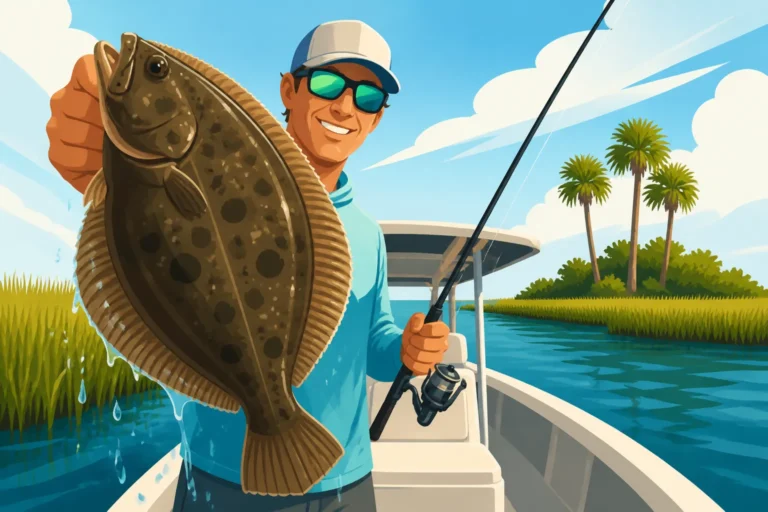
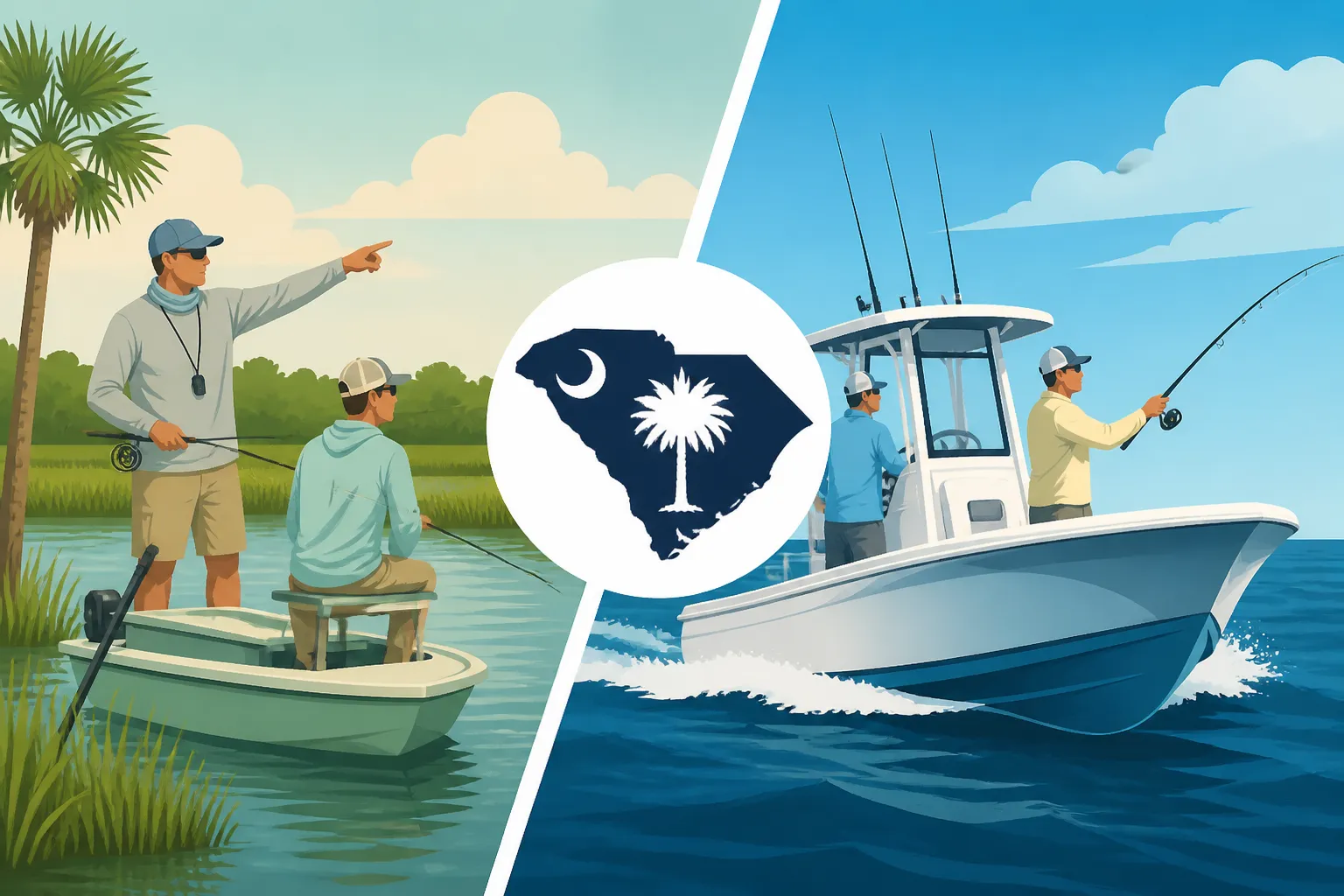
Think of a fishing guide as your personal on-the-water mentor and expert. They typically operate smaller, more nimble vessels, like bay boats, flats boats, or even kayaks, especially for freshwater trips on rivers or smaller lakes. Their primary goal is to provide a highly personalized, educational, and immersive fishing experience. A guide is often specialized, focusing on particular species (like fly fishing for trout in the Upstate mountains or chasing largemouth bass on specific reservoirs) or niche techniques.
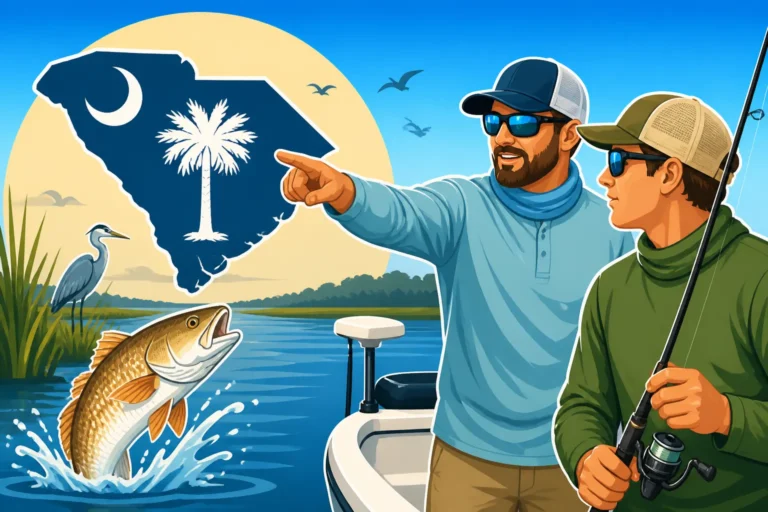
When you book a guide, you’re often signing up for a hands-on learning opportunity. They’ll teach you how to read the water, understand fish behavior, perfect your casting, or rig up specific baits. The group sizes are usually very small, often one to three anglers, allowing for extensive one-on-one attention. This intimacy means the guide can adapt the trip in real-time to your skill level and interests, truly tailoring the day to what you want to achieve. It’s less about a luxurious boat ride and more about the raw, engaging act of fishing with an expert by your side. They live and breathe the local waters, knowing every nook and cranny, which can make all the difference when trying to locate elusive fish.
What Defines a Fishing Charter?
A fishing charter, on the other hand, typically refers to a trip on a larger vessel, often designed for offshore excursions or for navigating bigger inshore waters like Charleston Harbor or the vast expanse of the Santee Cooper lakes. Charters tend to focus on the overall "trip" experience, which might include a wider range of amenities beyond just fishing. These boats often come equipped with more advanced electronics, outriggers, live wells, and sometimes even enclosed cabins with restrooms – certainly a plus when you're miles offshore for hours!
While charter captains are undoubtedly knowledgeable anglers, the emphasis can often be more on putting clients on fish quickly and efficiently, rather than deeply teaching every single aspect of the craft. They manage the boat, the gear, and the general fishing operation, making it a smoother, more comfortable experience for a larger group. You might find yourself on a charter targeting big game species like tuna, mahi-mahi, or wahoo offshore, or a bay charter focusing on a broader range of inshore species for a family outing. The size of the boat and the crew usually allow for accommodating more people, making it a popular choice for larger families, corporate outings, or groups of friends who want to share the experience.
Factors to Consider When Making Your Choice
Deciding between a guide and a charter isn't a one-size-fits-all answer. It truly boils down to what kind of experience you're hoping to have on the water in South Carolina. There are several key elements to weigh before you commit, each influencing whether a guided trip or a chartered boat is the right fit for your angling adventure.
Your Fishing Goals and Desired Experience
This is perhaps the most critical factor. What do you actually want to achieve? Are you looking to improve your skills, learn a new technique like fly casting for trout, or understand the intricacies of Inshore Redfish Techniques for Beginners? If so, a guide who offers personalized instruction and can deep-dive into specific methods might be your best bet. A guide's intimate knowledge can be invaluable for truly learning the ropes.
Perhaps your goal is simply to relax, enjoy the open water, and have the best chance of catching a lot of fish, regardless of how you catch them. Maybe you’re hoping to battle a trophy fish, or you dream of a deep-sea adventure targeting species like tuna and wahoo. For these objectives, especially if they involve venturing far offshore, a charter is usually the more appropriate choice. They are set up to handle the logistics of open-ocean fishing, providing the right gear and safety measures for such an expedition. Consider if it's a learning experience or an adventure you're after.
Group Size and Budget Considerations
The number of people in your fishing party will significantly impact your decision. Guided trips excel with smaller groups – typically one to four anglers – as this allows for that high level of personal attention and flexibility. If you're planning a solo trip, a romantic outing for two, or a close-knit group of three, a guide is often ideal. The cost for a guide is usually for the entire boat, making it more cost-effective per person for very small groups.
Charters, with their larger vessels, can comfortably accommodate bigger parties, often six or more people. If you have a larger family, a group of friends, or are organizing a corporate team-building event, a charter will provide the space and amenities needed. While the overall price of a charter might seem higher upfront, the South Carolina Charter Fishing Costs and Trip Types can be quite reasonable when split among a larger group, making the per-person cost sometimes lower than a private guide if you max out the boat's capacity. Make sure to check if the price is per person or for the entire vessel when comparing options.
| Feature | Fishing Guide | Fishing Charter |
|---|---|---|
| Boat Size | Smaller, more nimble (skiffs, bay boats, kayaks) | Larger, more stable (center consoles, cabin boats) |
| Group Size | Typically 1-4 anglers | Often 4-6+ anglers |
| Focus | Education, personalized instruction, specific techniques/species | Catching fish, overall experience, comfort, amenities |
| Typical Waters | Rivers, small lakes, inshore creeks, shallow flats | Offshore, large inshore bays, open lakes |
| Cost Structure | Often fixed rate per trip (boat) | Can be per person or per boat; varies by duration |
| Amenities | Basic gear, sometimes drinks | Often includes restrooms, larger coolers, advanced electronics, sometimes food |
| Ideal For | Learning, specific species pursuit, intimate experience, solo/small groups | Large groups, offshore adventures, comfort, less hands-on |
Target Species and Location
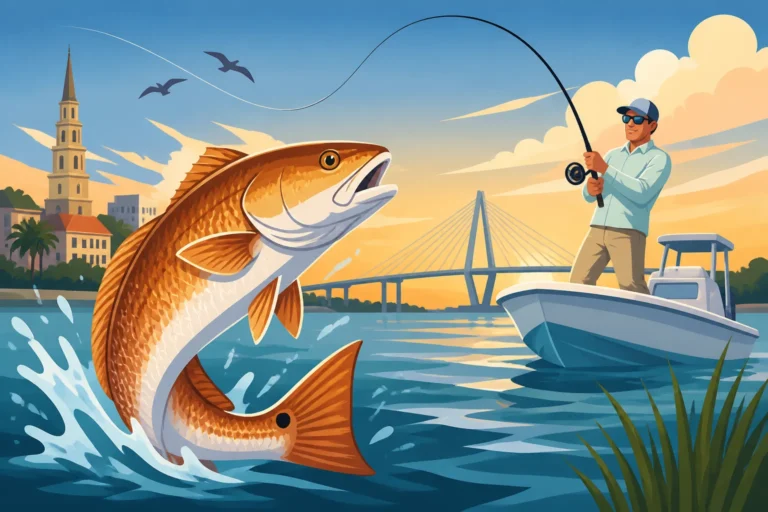
The fish you're hoping to catch and where you want to catch them are paramount in your decision. If you're dreaming of battling a hefty blue catfish on the Congaree River, chasing elusive native brook trout in the mountain streams of the Upstate, or sight-fishing for redfish in the shallow coastal marsh creeks, a specialized guide with intimate knowledge of those specific habitats and species will be your best asset. They know the subtle nuances of these environments, from water levels to oyster beds. These guides often specialize in very specific types of fishing, such as fly fishing for smallmouth bass or targeting largemouth bass around submerged timber.
Conversely, if your ambition is to venture out into the Atlantic for offshore species like snapper, grouper, or even larger game fish like Tuna and Wahoo Charters off the South Carolina Coast, then a fishing charter is the unequivocal choice. These larger boats are built for open-ocean conditions, equipped with the necessary safety gear, powerful engines, and specialized tackle (like heavy rods and reels, outriggers, and deep-dropping rigs) to handle bigger fish and rougher seas. Even for larger freshwater lakes, a charter might be preferable if you're targeting big striped bass in deep water or want the comfort of a larger boat for a long day on the water.
Equipment and Amenities
Consider what kind of gear and comforts you expect on your trip. With a fishing guide, especially those focused on more technical fishing, the equipment provided will be high-quality and specific to the target species and technique. For example, a fly fishing guide will have a range of fly rods, reels, and hand-tied flies perfectly suited for the local conditions. While they'll provide all necessary fishing gear, amenities like a private restroom or a spacious cabin are unlikely on their smaller, more utilitarian boats. It's often a more rugged, "back to basics" fishing experience where the focus is solely on the angling.
Charters, particularly offshore ones, often come with a broader array of equipment and creature comforts. You'll find heavy-duty rods and reels, advanced sonar, GPS systems, and often a mate to assist with baiting, casting, and landing fish. The boats frequently have shaded areas, seating, coolers stocked with ice and water, and often a marine head (restroom). If you're planning a longer trip or fishing with people who appreciate more comfort, these amenities can make a big difference. For families or those less accustomed to rugged fishing, the added comfort of a charter can significantly enhance the enjoyment of the day. Remember to always ask what's included, as policies can vary. Some might provide snacks and drinks, while others expect you to bring your own.
The Benefits of Each Option for South Carolina Anglers
Both fishing guides and charters offer incredible opportunities to experience the diverse waters of South Carolina. While they cater to different needs and preferences, each brings a unique set of advantages that can make your trip truly memorable. Knowing these benefits can further refine your choice, ensuring your time on the water is exactly what you envisioned.
Advantages of Booking a Fishing Guide in South Carolina
Booking a fishing guide in South Carolina is like unlocking a secret level of local knowledge and personalized attention. These captains often grew up fishing the very waters you're exploring, giving them an unparalleled understanding of local fish patterns, seasonal movements, and prime, often Remote Coves on Lake Keowee for Fishing. They're not just taking you to fish; they're teaching you how to fish better in that specific environment. This educational aspect is a huge draw for anglers looking to hone their skills or learn a new technique. Whether it's perfecting your topwater presentation for bass or understanding the subtle bites of crappie, a guide provides real-time coaching that's hard to get elsewhere.
Furthermore, guides offer incredible flexibility. Their smaller operations mean they can often tailor the start time, duration, and even the target species on the fly, depending on conditions or your evolving interests throughout the day. If the redfish aren't biting in one spot, they can quickly pivot to a different area for speckled trout. The intimate setting of a small boat allows for direct, uninterrupted communication with your captain, fostering a deeper connection to the fishing experience. You're not just a passenger; you're an active participant, and the guide is invested in your personal success and enjoyment. This personalized approach is invaluable for beginners who might feel overwhelmed on a larger, busier charter.
Advantages of Booking a Fishing Charter in South Carolina
The biggest draw of a fishing charter in South Carolina is often the sheer scope of the adventure it can provide. Charters are your gateway to exploring vast expanses of water, particularly the rich offshore fishing grounds of the Atlantic. They have the robust boats and safety equipment necessary to handle ocean conditions, allowing you to chase species like king mackerel, mahi-mahi, or even marlin that are simply inaccessible from smaller guided boats. This ability to travel further and fish deeper opens up a whole new world of angling opportunities, often targeting bigger, more challenging game fish. For those who want to experience true deep-sea fishing, a charter is the only viable option. Check out South Carolina Offshore Fishing Charters Explained for more details on these exciting trips.
Beyond the offshore access, charters often provide a more comfortable and amenity-rich experience. With larger decks, stable rides, and often a dedicated mate, they are well-suited for families with children or groups seeking a more relaxed outing. You might have access to a private restroom, ample cooler space, and shaded areas, which can be crucial on long, hot summer days. The presence of a mate means more hands on deck for rigging lines, netting fish, and generally making the trip smoother, allowing you to focus purely on the fun of fishing. Plus, for larger groups, charters offer a fantastic way to share the thrill of catching fish together, creating lasting memories without anyone feeling cramped or left out.
How to Find and Book the Right Trip
Once you've weighed your options and have a clearer idea of whether a guide or a charter suits your South Carolina fishing dreams, the next step is actually finding and booking your ideal trip. This process involves a bit of research and asking the right questions to ensure you get exactly what you're looking for.
Researching and Vetting Your Options
The digital age has made finding reputable fishing guides and charters easier than ever, but it also means wading through a lot of information. Start by using online platforms that specialize in connecting anglers with captains. Websites like FishingBooker, for instance, allow you to browse a wide array of options in specific South Carolina locations like Charleston, Myrtle Beach, or Hilton Head. You can filter by trip type (inshore, offshore), target species, and even boat size. Reading reviews from previous clients is absolutely essential; these testimonials provide honest insights into a captain's personality, teaching style, and ability to put clients on fish.
Don't stop at online reviews, though. Take the time to visit a captain's personal website or social media pages. Look for up-to-date photos of recent catches and trip reports. This will give you a feel for their specialties and whether their approach aligns with your expectations. If you're looking for a highly specialized guide for, say, fly fishing for mountain trout, seeking out local fly shops or fishing forums can also lead you to excellent recommendations that might not be as prominently featured on larger booking sites. The more research you do upfront, the more confident you'll be in your choice. For more specific advice, take a look at Choosing the Right South Carolina Fishing Guide.
Key Questions to Ask Before Booking
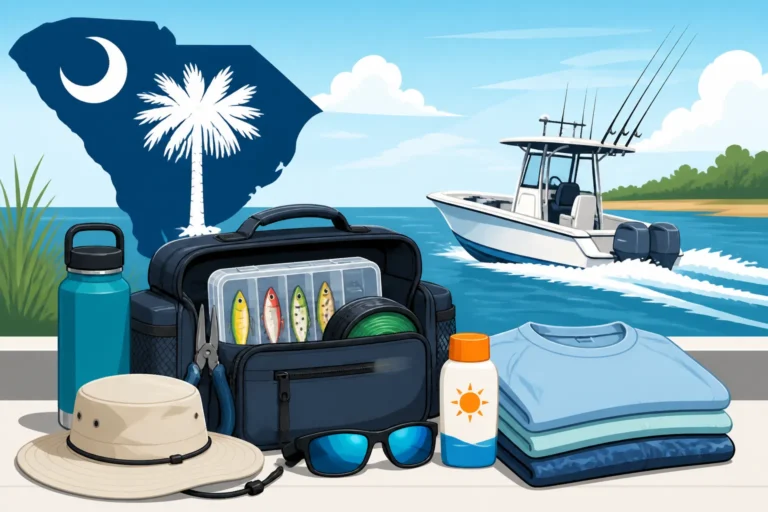
Before you hand over your deposit, a quick conversation or email exchange with the captain is invaluable. This is your chance to clarify any uncertainties and ensure there are no surprises on the day of your trip. Crucial questions include: "What exactly is included in the price?" You'll want to know if a South Carolina Fishing License Guide is needed or provided, if bait, tackle, and ice are covered, and whether fish cleaning is part of the service. Some charters might even offer complimentary snacks and drinks, while others expect you to bring your own What to Bring on a South Carolina Fishing Charter.
Also, always ask about their cancellation policy, especially regarding bad weather. South Carolina weather can be unpredictable, and understanding the policy for rescheduling or refunds due to unsafe conditions is vital. Inquire about the maximum number of passengers allowed and if there are any age restrictions for children, as some captains have specific rules for very young anglers. Finally, don't shy away from discussing your target species and preferred fishing techniques. A good captain will be upfront about what's realistic for the season and conditions, ensuring your expectations are managed. For more details on what to expect, read Booking Deposits and Cancellation Policies for South Carolina Charters.
Making Your Reservation
Once you've done your research and asked all the right questions, it's time to secure your trip! Many guides and charters offer online booking directly through their websites or via platforms like FishingBooker. This is often the most convenient way to check availability and pay any necessary deposits. Be aware that popular guides and charters, especially during peak seasons like spring and summer, book up quickly. Planning ahead, sometimes months in advance, is often essential, particularly if you have specific dates in mind or are visiting during a busy holiday.
Always get a confirmation in writing – an email or a booking confirmation from an online platform will suffice. This document should detail the date, time, cost, duration, and any agreements made regarding inclusions or policies. Most captains will require a deposit to hold your date, with the remaining balance due on the day of the trip. Confirm what payment methods they accept for the final payment (cash, credit card, etc.). Don't forget to ask about meeting points and any specific instructions for the day of your trip. By following these steps, you’ll be well on your way to a fantastic fishing experience in South Carolina. If you're ready to proceed, take a look at How to Book a Fishing Charter in South Carolina for a step-by-step guide.
Disclaimer
This article is for general informational purposes only and does not constitute professional advice. Laws, prices and regulations vary by location and change over time. Consult a qualified professional for guidance on your specific situation.