South Carolina’s Winter Gigging Ban for Seatrout
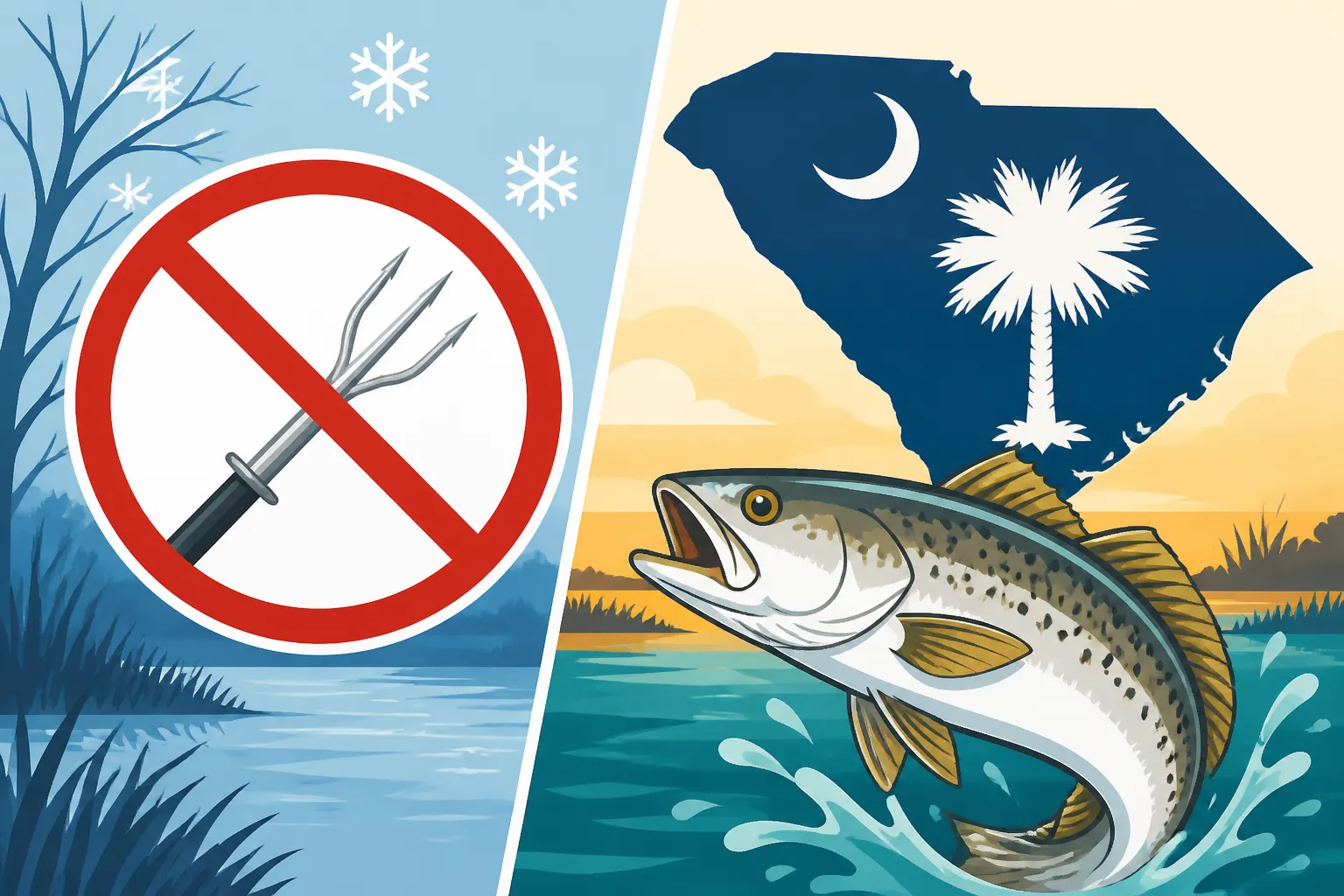
It can be incredibly frustrating to head out to your favorite fishing spot, only to realize you're not entirely sure about the latest rules, especially when it comes to specific techniques like gigging. The ever-changing landscape of fishing regulations, particularly regarding popular species like spotted seatrout, often leaves anglers scratching their heads. This comprehensive guide is here to clear up all the confusion surrounding South Carolina's winter gigging ban for seatrout, detailing why it's in place, what it means for you, and how you can still enjoy targeting these fantastic fish responsibly.
Understanding South Carolina's Seatrout Gigging Ban
For many Lowcountry anglers, gigging for spotted seatrout is a time-honored tradition, a quiet, almost primitive way to harvest fish. However, like all fishing methods, it comes with responsibilities and regulations designed to protect our precious marine resources. The winter gigging ban is one such critical measure, implemented after careful consideration by the state's conservation authorities.
What is Gigging for Seatrout?
Gigging is a distinct fishing method that involves using a long pole fitted with multiple barbed tines or prongs (the "gig") to spear fish. Traditionally, this is done at night, often from a shallow-draft boat or by wading in knee-deep water, especially during low tides. Anglers use powerful lights to spot fish resting on the bottom or cruising slowly through shallow flats. The appeal lies in its simplicity, the quiet hunt, and the direct engagement with the environment, offering a unique challenge different from rod-and-reel fishing. It's particularly effective when fish are "bedded down" or moving sluggishly, making them easier targets to spot and spear. In South Carolina, the Lowcountry marshes and estuaries have long been popular locales for this traditional pursuit.
Why the Ban is in Place: Conservation Efforts
The gigging ban isn't about unfairly targeting a specific group of anglers; it's a critical conservation measure driven by scientific understanding of fish behavior. During the colder winter months, usually from December through February, spotted seatrout become incredibly vulnerable. As water temperatures drop significantly, their metabolism slows down, making them lethargic and less able to react quickly to threats. They tend to concentrate in deeper, more stable thermal refugia – specific holes, channels, and muddy bottoms that offer slightly warmer water.
This aggregation makes them highly susceptible to overharvesting by gigging. A concentrated group of sluggish fish is an easy target for giggers, allowing for the rapid removal of a large number of fish in a short period. This poses a significant threat to the overall population health and stability of the spotted seatrout fishery. The South Carolina Department of Natural Resources (SCDNR) monitors fish populations closely, and when data indicates a vulnerability that could lead to unsustainable harvest levels, regulations like the gigging ban are put into effect. This is why you'll often hear discussions about Why Gigging Gets Banned but Rod-and-Reel Fishing Doesn't – it's about the method's efficiency in targeting vulnerable, aggregated fish.
Key Dates and Duration of the Ban
The South Carolina Department of Natural Resources has established specific dates for the winter gigging ban on spotted seatrout. Typically, this ban runs annually from December 1st through February 28th (or 29th in a leap year). These dates are chosen because they encompass the coldest period of the year in coastal South Carolina, which is when spotted seatrout are at their most vulnerable due to cold water temperatures.
For instance, if you're wondering Is Seatrout Gigging Legal in South Carolina in December?, the answer is a firm no. This three-month window is considered crucial for the seatrout population to overwinter successfully without undue pressure from highly efficient harvest methods like gigging. While specific dates can sometimes be adjusted based on environmental factors and population assessments, this December-February timeframe has been consistent. Anglers should always consult the most current SCDNR regulations before planning any winter fishing trips to confirm the exact start and end dates of the ban. Understanding When Does South Carolina's Seatrout Gigging Ban End? is vital for planning your return to gigging once the season reopens.
Identifying the Affected Species
To comply with regulations and support conservation, it's essential for every angler to accurately identify the fish they are targeting. In the case of the winter gigging ban, the primary focus is on the beloved spotted seatrout. Misidentification could lead to accidental violations and unintended harm to other species.
Focus on Spotted Seatrout
The spotted seatrout, scientifically known as Cynoscion nebulosus, is one of South Carolina's most iconic and sought-after inshore game fish. They are characterized by their sleek, silver bodies adorned with numerous distinct black spots scattered across their backs, dorsal fins, and tail. They possess an elongated body shape, typically growing to a length of 12-25 inches, though larger specimens are certainly caught. A key feature for identification is their two prominent canine-like teeth located at the front of their upper jaw, which are quite sharp.
Spotted seatrout are a favorite among anglers not just for their beauty but also for their spirited fight and delicious white, flaky meat. They inhabit coastal estuaries, tidal creeks, and shallow grassy flats, often associating with oyster beds and submerged structure where they can ambush prey. Understanding the Spotted Seatrout Size and Bag Limits in South Carolina is crucial, even when using rod and reel, to ensure you're harvesting responsibly.
Distinguishing Seatrout from Other Species
While spotted seatrout have a distinctive look, novice anglers or those fishing in low light conditions (even with rod and reel) might sometimes confuse them with other species, particularly weakfish (gray trout) or silver trout. However, there are clear differences:
- Weakfish (Cynoscion regalis): Weakfish are often confused with spotted seatrout due to similar body shapes and silvery coloration. However, weakfish typically lack the prominent black spots that cover the spotted seatrout's body. They might have faint wavy lines along their sides, but not the definitive spots. Weakfish also tend to have a yellowish tinge to their fins, especially the caudal (tail) fin, which spotted seatrout generally do not.
- Silver Trout (Cynoscion nothus): Silver trout are generally smaller and much more uniformly silvery, almost iridescent, with no spots or markings on their body. They are less common in shallow inshore areas where spotted seatrout are abundant.
Accurate identification is paramount not only for legal compliance but also for contributing to effective conservation. When you know exactly what you've caught, you can apply the correct South Carolina's Spotted Seatrout Daily Bag Limit of 10 Fish rules and ensure you're fishing within ethical boundaries. If you're ever unsure, a good fish identification guide, perhaps one you can easily order from Amazon, is an invaluable tool to keep on your boat or in your tackle box.
Why Seatrout are Particularly Vulnerable in Winter
The vulnerability of spotted seatrout in winter is a critical aspect of their biology that directly informs the gigging ban. It boils down to their physiological response to cold water temperatures. When water temperatures drop into the low 50s Fahrenheit and below, seatrout experience what is often referred to as "cold stun" or thermal shock.
During this state, their metabolic rate slows dramatically. This means they digest food slower, move slower, and their reaction times are significantly impaired. They become lethargic and often seek out thermal refuges – deeper channels, muddy bottoms, or areas where water temperatures are slightly more stable and marginally warmer. In these areas, they can become highly concentrated, schooling together in an effort to conserve energy and survive the cold.
This combination of sluggishness and aggregation makes them incredibly easy targets for gigging. They are less likely to flee from lights or approaching boats, making them simple to spot and spear. The ban is a direct response to this seasonal vulnerability, aiming to reduce the harvest pressure on a species when it is least equipped to withstand it, thereby protecting the breeding stock and ensuring healthy populations for future seasons.
Alternative Methods for Catching Seatrout During the Ban
Just because gigging is off the table during the winter months doesn't mean you have to hang up your fishing hat! In fact, many dedicated anglers continue to successfully target spotted seatrout with rod and reel throughout the ban, embracing techniques that align with conservation goals by offering a more sporting challenge.
Rod and Reel Techniques that are Still Legal
The beauty of rod and reel fishing is that it remains a legal and highly effective way to catch spotted seatrout year-round, including during the gigging ban. The key to success in winter is adapting your approach to account for the fish's lethargic state.
- Slow and Low: In cold water, seatrout are less inclined to chase fast-moving baits. Think slow, deliberate retrieves. Soft plastics rigged on light jig heads (like 1/8 oz or 1/4 oz) that allow for a long, slow descent are incredibly effective. Mimic a slow-moving, injured baitfish or shrimp near the bottom.
- Bottom Bouncing: Spotted seatrout in winter often hug the bottom in deeper holes. A Carolina rig with a live shrimp or mud minnow, or a soft plastic, can be deadly. The weight keeps your bait in the strike zone, while the leader allows natural movement.
- Suspending Baits: Hard plastic twitchbaits and suspending lures, such as MirrOlures or Paul Brown's original Corkys, are fantastic. These lures can be retrieved with long pauses, allowing them to hang tantalizingly in the water column right in front of a sluggish fish. The slightest twitch can entice a bite. Many excellent options are available from reputable brands on Amazon, allowing you to stock up for winter.
- Popping Cork (Modified): While popping corks are famous for their noise, in winter, a quieter approach is often better. Try a "drought" or stealth cork that stays mostly submerged, or a traditional popping cork with minimal popping, just enough to suspend your live shrimp or artificial bait above the bottom in deeper water.
For more detailed strategies, you might want to look into How to Catch Spotted Seatrout in South Carolina During the Gigging Ban, which offers specific tactical advice for this challenging but rewarding period.
Recommended Baits and Lures for Winter Seatrout
Choosing the right bait and lure is crucial when targeting winter seatrout. Since their metabolism is slow, they're looking for an easy meal, something that doesn't require much energy to catch.
- Live Bait is King:
- Live Shrimp: Always a top choice for seatrout, live shrimp fished under a float rig or on a light jig head is irresistible. In winter, try a slip float rig that lets you present the shrimp at a precise depth, allowing it to drift naturally with the current.
- Mud Minnows: These hardy little fish are excellent cold-water baits. They stay alive well and are a natural food source for seatrout. Rig them on a jig head or a Carolina rig.
- Artificial Lures (Slow Presentation is Key):
- Soft Plastic Paddle Tails: Brands like Z-Man or DOA offer durable, realistic soft plastics. Colors like "electric chicken," "new penny," or natural baitfish patterns work well. Use them on light jig heads (1/8 oz to 1/4 oz) for a slow, seductive fall.
- Soft Plastic Jerk Shads: These mimic injured baitfish. Rig them weedless or on a weighted hook for a slow, darting action.
- Twitchbaits/Suspending Plugs: As mentioned, MirrOlure, Paul Brown's Corky, or similar suspending plugs are phenomenal. Their ability to "hang" in the water column during pauses perfectly imitates a struggling baitfish, triggering bites from hesitant trout. Consider purchasing a variety of these baits from online retailers like Amazon to test different colors and retrieve styles.
- Small Spoons: Silver or gold spoons, retrieved slowly, can also mimic baitfish and attract attention.
Remember, the goal is a slow, methodical presentation. Fish slowly, cover the water thoroughly, and pay close attention to subtle bites.
Finding Productive Winter Seatrout Spots
Locating seatrout in winter is often about finding warmth and stability. They won't be scattered across vast shallow flats like they might be in spring or fall. Instead, they seek out specific refugia.
- Deep Holes and Channels: These are prime real estate in winter. Look for the deepest parts of tidal creeks, river bends, and ICW channels. Seatrout will congregate here, finding water that remains a few degrees warmer and more stable than the shallows. Your fishfinder can be your best friend here, helping you identify these thermal pockets.
- Dark Muddy Bottoms: Dark mud absorbs and retains solar heat better than sandy bottoms. Look for creek bends or shallow flats with dark muddy bottoms that are adjacent to deeper water. Even a degree or two difference can be enough to attract fish.
- Protected Creeks and Bays: Areas shielded from strong winds and open water can maintain slightly higher temperatures. Seek out smaller, winding creeks with good depth.
- Oyster Shell Mounds and Submerged Structure: While looking for depth, don't forget structure. Oyster beds, fallen trees, and docks can also hold heat and provide ambush points for lethargic trout.
- Tide Influence: While an incoming tide might bring slightly warmer offshore water into the estuary, an outgoing tide can concentrate fish into the deeper channels as water drains from the flats. Pay attention to the tide cycles and how they affect water levels and temperatures in your chosen spots.
Understanding the behavior of winter seatrout and adapting your techniques accordingly will greatly increase your chances of success, all while respecting the conservation efforts behind Gigging Restrictions for Seatrout Explained.
Navigating Regulations and Staying Informed
Fishing regulations can sometimes feel like a maze, especially with seasonal changes and species-specific rules. Staying informed is not just about avoiding penalties; it's about being a responsible steward of South Carolina's natural resources.
Checking Official SCDNR Resources
The single most important step any angler can take is to regularly consult the official sources for fishing regulations. For South Carolina, this means the South Carolina Department of Natural Resources (SCDNR).
- SCDNR Website: The SCDNR website (www.dnr.sc.gov) is your primary and most up-to-date resource. They publish comprehensive guides, news releases about regulation changes, and specific details for all freshwater and saltwater species. Before every trip, especially during transitional seasons, make it a habit to check their "Rules & Regulations" section. This will confirm everything from the South Carolina Fishing License Guide requirements to specific bag and size limits for various species.
- SCDNR Mobile App: Many state DNRs offer mobile apps that provide instant access to regulations, often with mapping features to identify public access points and even report violations. While I can't recommend a specific app store, looking for the official SCDNR app for your device is a smart move.
- Printed Guides: While digital is often the quickest, the SCDNR also publishes annual fishing regulation booklets. Grab one from a local tackle shop or an SCDNR office. These are handy to keep on the boat or in your vehicle, especially if you're in an area with spotty cell service.
Don't rely solely on what you hear at the tackle shop or from other anglers. While often well-intentioned, secondhand information can be outdated or misinterpreted. Go straight to the source to ensure you're compliant.
Penalties for Violating the Gigging Ban
Violating the spotted seatrout gigging ban is not a minor infraction. SCDNR law enforcement officers (game wardens) patrol coastal waters regularly, and they are well-versed in the regulations. Ignorance of the law is generally not considered a valid excuse.
- Fines and Legal Consequences: If caught gigging for seatrout during the closed season, you can expect significant fines. These can vary depending on the severity of the violation, the number of fish involved, and any prior offenses.
- Confiscation of Gear: It is common for illegal gear, including gigs, boats, and other equipment used in the commission of the violation, to be confiscated by law enforcement.
- Loss of Fishing Privileges: Depending on the nature of the offense, violators could face suspension or revocation of their fishing license. This can mean being prohibited from fishing in South Carolina waters for a specified period.
- Criminal Charges: In severe cases, especially repeat offenses or large-scale illegal harvests, violations could escalate to criminal charges.
The penalties are designed to be a strong deterrent, reflecting the serious impact illegal harvesting can have on fish populations. It's a sobering reminder of the Penalty for Fishing Without a License in South Carolina, and similar repercussions apply to violating specific gear or season bans. It's simply not worth the risk.
The Role of Angler Education in Conservation
Every angler has a vital role to play in the conservation of South Carolina's fisheries. Regulations like the winter gigging ban are put in place to ensure that healthy populations of fish, like spotted seatrout, continue to thrive for future generations.
- Personal Responsibility: Educating yourself about all regulations, not just the gigging ban, is the first step. This includes understanding South Carolina Spotted Seatrout Fishing Regulations Explained, bag limits, size limits, and seasonal closures for all species you target.
- Spreading Awareness: Share accurate information with fellow anglers, friends, and family. If you hear misinformation, politely correct it with facts from the SCDNR. A community of informed anglers is a powerful force for conservation.
- Reporting Violations: If you witness illegal fishing activity, such as gigging during the closed season or exceeding bag limits, it's your responsibility to report it to the SCDNR. You can often do this anonymously through their dedicated hotline or online portal. This helps game wardens enforce the laws effectively and protect the resource.
- Practicing Catch and Release: Even when fishing legally with rod and reel, consider practicing catch and release, especially for larger breeding-size fish. Handle fish gently, minimize their time out of water, and use proper dehooking tools (many of which can be found on Amazon) to ensure their survival.
By actively participating in angler education and promoting ethical fishing practices, we all contribute to the long-term health and sustainability of South Carolina's vibrant aquatic ecosystems.
The Science Behind Winter Vulnerability
Understanding the scientific rationale behind the winter gigging ban makes it easier to appreciate its necessity. It's not arbitrary; it's based on how fish physiology interacts with environmental conditions, particularly cold water.
Cold Stun and Fish Behavior
"Cold stun" is a physiological phenomenon that occurs in many fish species, including spotted seatrout, when water temperatures drop rapidly or remain critically low for an extended period. Fish are cold-blooded, meaning their body temperature is largely dictated by their surrounding environment. As water temperatures fall below their optimal range (typically in the low 50s Fahrenheit and below for seatrout), their metabolic processes slow down dramatically.
Think of it like severe hypothermia for humans. Their muscles become stiff, their movements become sluggish and uncoordinated, and their ability to react to stimuli, such as predators or approaching boats and lights, is severely impaired. They essentially go into a state of semi-dormancy, struggling to swim, feed, or evade capture. This direct impact on their behavior is what makes them so exceptionally vulnerable to methods like gigging during cold snaps, as they are unable to escape effectively.
Concentration in Deeper Waters
Another key behavioral change in winter, driven by the need for survival, is the concentration of spotted seatrout into specific "thermal refuges." While shallow estuaries cool down quickly, deeper channels, holes, and muddy bottoms tend to retain heat more effectively and maintain a more stable, albeit still cold, temperature.
Fish, through instinct, will seek out these slightly warmer and more stable environments. This leads to large numbers of seatrout (and other species) congregating in predictable deep pockets. This natural aggregation is a survival mechanism, allowing them to conserve energy and find some relief from the harshest cold. However, this same behavior, when combined with their cold-stunned state, makes them incredibly easy targets for giggers who know where to find these wintering holes. The concentration eliminates the challenge of finding dispersed fish, leading to potentially unsustainable harvest rates from a method designed for efficiency rather than sport.
Impact of Water Temperature on Metabolism
The entire ecosystem is intricately linked to water temperature, and for fish, it's a primary driver of their metabolic rate. In warm summer waters, fish metabolism is high: they are active, feed frequently, grow quickly, and are very responsive. In cold winter waters, their metabolism slows significantly.
This metabolic slowdown means several things:
- Reduced Energy Requirements: Fish need less food and expend less energy to survive. This is why they don't actively chase fast-moving baits in winter.
- Slowed Digestion: Any food they do consume takes much longer to digest.
- Impaired Immune System: Prolonged exposure to critically cold water can stress a fish's immune system, making them more susceptible to disease.
- Stress and Mortality: Rapid drops in water temperature or prolonged periods of extreme cold can be fatal, even without human intervention. Mass fish kills due to cold snaps are not uncommon.
Therefore, the winter months are a period of high stress for spotted seatrout. By imposing a gigging ban, the SCDNR aims to reduce one significant source of mortality – direct human harvest through a highly efficient method – allowing the population to better cope with the natural stressors of winter. Protecting them during this critical time ensures that a healthy population survives to spawn in the spring and continues to provide angling opportunities in subsequent seasons, all while adhering to the South Carolina's Winter Gigging Ban for Seatrout.
| Regulation Aspect | Winter Gigging Ban (Dec-Feb) | Year-Round Rod & Reel |
|---|---|---|
| Technique | Prohibited | Permitted |
| Species Targeted | Spotted Seatrout | Spotted Seatrout |
| Vulnerability of Fish | High (cold stun, aggregation) | Moderate (sporting) |
| Conservation Rationale | Prevent overharvesting | Sustainable harvest |
| Gear Required | Gig (prohibited) | Rod, reel, line, bait/lures (available on Amazon) |
| License Required | Yes (South Carolina Fishing License Guide) | Yes (South Carolina Fishing License Guide) |
Disclaimer
Please be aware that fishing regulations are subject to change. While this guide provides comprehensive information, it is always your responsibility to verify the most current regulations with the South Carolina Department of Natural Resources (SCDNR) before engaging in any fishing activities. This article is for informational purposes only and does not constitute legal advice.