South Carolina Inshore Charter Fishing Trip Cost
If you're dreaming of a day spent casting lines in the serene backwaters or bustling estuaries of the Palmetto State, chances are you've already started wondering about the practicalities—and let's be honest, the cost is usually top of mind. Figuring out what you'll pay for a South Carolina inshore charter fishing trip can feel a bit like trying to read tea leaves, with so many variables at play. This guide is here to untangle all those factors, giving you a clear picture of what goes into the price tag and how to budget for your perfect Lowcountry angling adventure.
Understanding the Factors That Influence Inshore Charter Costs
It’s easy to look at a price tag for a fishing charter and think, "Wow, that's a lot!" But once you break down all the moving parts, it starts to make a lot more sense. Think of it like booking a vacation; there's the flight, the hotel, the activities, and all sorts of details that add up. Fishing charters are no different, and understanding these elements will help you appreciate the value you're getting.
Trip Duration: Half-Day vs. Full-Day
One of the biggest drivers of a charter's cost is simply how long you plan to be out on the water. It makes sense, right? More time equals more resources, more guide expertise, and more opportunities to reel in a trophy.
Shorter trips, typically around four hours, might represent the entry point for many anglers. These are often called "half-day" trips, and they're fantastic for families with younger kids or folks who just want a taste of the inshore action without committing to a whole day. A four-hour trip is usually enough time to hit a few productive spots, get some lines wet, and potentially catch a few fish, especially if the bite is on. It’s also a great option if you have other plans for the day, like exploring historic Charleston or enjoying the beaches of Hilton Head.
Mid-range options usually fall into the six-hour category. These offer a significant step up in terms of fishing time, allowing the captain to venture further, explore more varied habitats, and adapt to changing conditions. With six hours, you're more likely to experience different tides, target multiple species, or spend more time honing a specific technique. It gives you a much fuller fishing experience without being overly exhaustive.
Full-day excursions, which can last eight hours or more, will naturally fall into a higher price bracket. But for the serious angler, or those really looking to immerse themselves in the Lowcountry's fishing scene, these trips offer the most comprehensive experience. A full day allows for travel to more remote areas, dedicating substantial time to a particular fishing strategy, or simply waiting out a slow bite to find the action. This extended time can be particularly valuable if you're targeting specific, more challenging species or aiming for a certain size of fish.
Group Size and Boat Capacity
Another significant factor affecting the total price is the size of your group. Unlike some larger party boats that charge per person, most South Carolina inshore charters operate on a private trip basis. This means you're booking the entire boat and the captain's expertise for your group, up to a certain maximum number of passengers.
Generally, charter boats are priced for the vessel, not per individual, up to a limit—often three to six anglers, depending on the boat's size and the captain's preference. If you have a smaller group, say two or three people, you’ll split the total cost among fewer individuals, making the per-person price higher. Conversely, if you fill the boat to its maximum capacity, the per-person cost becomes much more economical. It’s often a sweet spot to gather a few friends or family members to share the experience and the expense.
Larger groups, exceeding the typical capacity of a single inshore boat, might require booking a larger vessel or even two separate charters. While this will increase the overall cost, it ensures everyone has enough space to fish comfortably and safely. Always be upfront with your prospective captain about your group size to ensure they can accommodate you and provide an accurate quote. Safety regulations and insurance policies strictly limit the number of passengers a captain can take, so it's not something that can be bent.
Type of Inshore Fishing Targeted
The kind of fish you hope to catch and the techniques involved can subtly influence the charter cost. While many inshore trips broadly target species like redfish, spotted seatrout, and flounder, some specialized trips might come with a slightly different price tag.
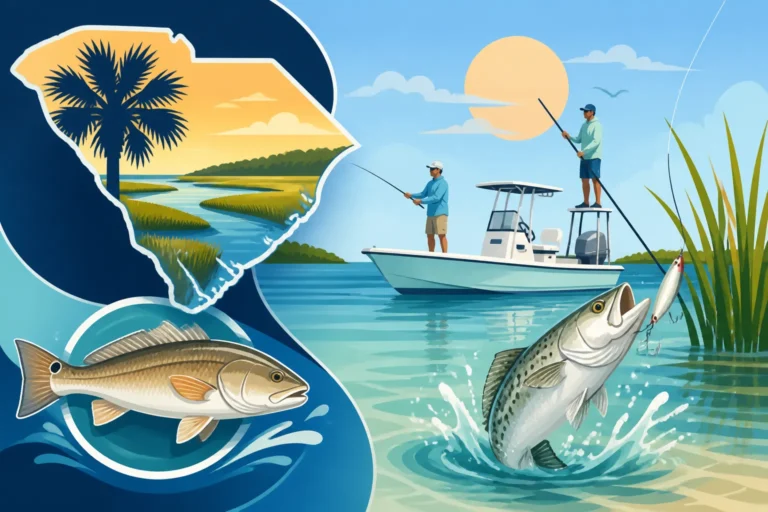
For instance, sight fishing for redfish on shallow grass flats requires a keen-eyed captain, precise boat positioning, and often specialized tackle like light spinning gear or even fly fishing setups. This type of fishing is incredibly rewarding but can be more labor-intensive for the guide and may sometimes be offered at a premium. Similarly, if you're looking for a specific, less common inshore species that requires venturing into particular areas or employing unique baiting strategies, it might involve additional time or resources.
Conversely, a more general "mixed bag" inshore trip, where the focus is on simply catching whatever is biting using various methods, might be more universally priced. Always discuss your target species and preferred fishing style with the captain when booking. They can advise on the best times of year for certain fish and any cost implications. Knowing what you want to catch helps the captain plan the most productive trip for your budget and expectations.
Inclusions and Exclusions What's Covered?
One of the best parts about booking a fishing charter is that a good portion of the logistical headache is handled for you. However, it's vital to understand exactly what your charter fee covers and what you'll need to bring yourself.
Most reputable South Carolina inshore charters will include the following in their base price:
- Fishing Licenses: Often, the captain will have a blanket boat license that covers all passengers, meaning you don't need to purchase your own individual South Carolina Fishing License Guide for the trip. Always confirm this, but it's a common and convenient inclusion.
- Bait: Whether it's live shrimp, mud minnows, or cut bait, the cost of bait is typically rolled into the charter fee. High-quality, fresh bait is essential for success, and guides often spend time sourcing it before your trip.
- Tackle and Rods: The boat will be outfitted with appropriate rods, reels, and terminal tackle (hooks, weights, leaders) for the targeted species and techniques. This saves you the hassle and expense of bringing your own gear, especially if you're traveling.
- Fuel: The cost of gas to get you to and from the fishing grounds is, of course, a significant operating expense for any captain, and it’s factored into the price.
- Fish Cleaning: Many captains will offer to clean and bag your legal catch at the end of the trip, ready for you to take home and cook. This is a fantastic amenity that saves you a messy chore!
What's typically not included, and something you'll need to plan for, are your personal items. This often includes food, drinks, sunscreen, hats, sunglasses, and appropriate clothing for the weather. It’s a good idea to pack a small cooler with your snacks and beverages. Some charters might offer water, but don't count on a full meal service unless explicitly stated. A conversation with your captain or a quick check of their website or listing on platforms like FishingBooker will clarify these details. Understanding these inclusions helps you avoid surprises and ensures you're prepared for your day on the water. You can also read What to Bring on a South Carolina Fishing Charter for more detailed packing advice.
Typical Cost Range for South Carolina Inshore Charters
Now that we've peeled back the layers on what influences the cost, let's talk about the actual numbers. Remember, I can't give you exact, current prices because those change all the time. But I can give you a really good sense of the range you can expect and what typically drives those differences. Think of this as a general guide to help you budget.
Entry-Level Options: Shorter Trips for Smaller Groups
For many folks looking to dip their toes into South Carolina's inshore fishing scene, the shorter, half-day trips are usually the most budget-friendly option. These are often 4-hour charters, perfect for a quick outing without breaking the bank.
These entry-level charters are fantastic for beginners, families with young children, or anyone who wants a taste of the action without committing to a full day on the water. They generally focus on readily available species like redfish, flounder, and speckled trout within easy reach of the marina. While the boat might not travel as far as on a full-day trip, a skilled captain can still put you on plenty of fish in a shorter timeframe. If you're comparing Half-Day vs Full-Day Fishing Charters in South Carolina, the half-day offers an excellent balance of experience and cost.
You'll find that these trips are typically priced per boat, not per person, and the overall cost will be on the lower end of the spectrum compared to longer outings. Sharing this cost among a few friends or family members can make it a really affordable and memorable experience. Just be sure to check directly with captains or online booking platforms for their current rates.
Mid-Range Experiences: Longer Trips and Specialized Targets
Stepping up from the shortest trips, the mid-range charters generally consist of 6-hour excursions. This duration provides a sweet spot for many anglers, offering significantly more fishing time than a half-day without the full-day commitment or price.
A 6-hour trip allows the captain more flexibility to chase the bite as tides change, explore a wider range of habitats, or dedicate more time to specific techniques, such as casting artificial lures for aggressive redfish or drifting live bait for large speckled trout. You might even have the opportunity to target multiple species in different locations throughout the day. This extra time can greatly increase your chances of a successful and diverse catch.
These mid-range options are a popular choice because they offer a more comprehensive experience, suitable for serious recreational anglers and groups who want to maximize their fishing time. While the cost will be higher than a 4-hour trip, it often feels like a better value when considering the extended hours and increased opportunities. Guides offering these trips often have a deeper understanding of seasonal patterns and can adjust their strategies to put you on fish.
Premium Packages: Full-Day Adventures and Added Amenities
At the top end of the inshore charter spectrum, you'll find the full-day adventures, typically lasting 8 hours or sometimes even longer. These are designed for the dedicated angler who wants to spend an entire day immersed in the fishing experience.
Full-day charters provide the ultimate flexibility for your captain. They can travel further into remote estuaries, navigate to specific honey holes that require longer travel times, or wait out slower periods to capitalize on optimal tides or feeding windows. This extended time is perfect for targeting elusive trophy fish, trying out various techniques, or simply enjoying a relaxed pace with ample opportunity to catch fish. Some premium packages might also include additional amenities, though this is less common for inshore than offshore trips.
The cost for these full-day excursions will be the highest, reflecting the captain's full day of work, increased fuel consumption, and the extended use of their boat and gear. However, for those who truly want to make a day of it, the investment often pays off in terms of a more comprehensive and potentially more productive fishing trip. It’s an ideal choice for experienced anglers or groups celebrating a special occasion.
Seasonal Variations and Demand
Just like anything else in the tourism industry, the demand for South Carolina inshore fishing charters can fluctuate with the seasons, and this can, in turn, impact pricing and availability.
- Peak Seasons: Summertime and major holidays (like spring break, Memorial Day, July 4th, Labor Day) are typically the busiest times of the year along the South Carolina coast. During these periods, demand for charters is high, which can mean captains are fully booked, and prices might be at their peak. Booking well in advance is crucial if you plan to fish during these popular times. The fishing is often fantastic, but you'll be competing with more visitors.
- Shoulder Seasons: Spring (April-May) and Fall (September-November) are often considered the "shoulder seasons." The weather is typically glorious, the fishing can be absolutely phenomenal (especially for redfish and trout), and there might be slightly less tourist traffic compared to summer. You might find more availability and potentially slightly more flexible pricing during these times, making them an excellent choice for a productive trip.
- Off-Season: Winter months (December-March), while colder, can still offer excellent inshore fishing opportunities, especially for redfish, which tend to school up. Demand for charters might be lower, potentially leading to better availability and sometimes slightly reduced rates. However, weather can be more unpredictable, so flexibility is key.
Regardless of the season, it's always a good idea to inquire about current pricing and availability as far in advance as possible. This is particularly true if you have specific dates in mind. Popular captains and boats often book up quickly, especially on weekends.
| Trip Duration | Typical Group Size | What's Included (Usually) | Cost Consideration (General) | Best For |
|---|---|---|---|---|
| 4 Hours | 1-4 people | Licenses, gear, bait, fuel | Entry-level | Families, beginners, short outings |
| 6 Hours | 1-5 people | Licenses, gear, bait, fuel | Mid-range | More serious anglers, varied targets, more time |
| 8 Hours | 1-6 people | Licenses, gear, bait, fuel | Premium | Dedicated anglers, trophy hunting, full experience |
Note: The number of people is a common range, but always confirm with the specific charter, as boat size and captain's policy dictate exact capacity. Fish cleaning is also often included.
Maximizing Value and Booking Smart
Now that you have a clearer picture of what influences the cost of an inshore charter in South Carolina, let's talk about how you can make the most of your investment and ensure a smooth booking process. A little preparation goes a long way in ensuring a memorable and frustration-free trip.
Booking Direct vs. Using Platforms
When it comes to reserving your South Carolina inshore fishing charter, you essentially have two main avenues: booking directly with a captain or using an online booking platform. Both have their advantages.
Booking Directly with a Captain:
Many local guides operate their own websites or manage bookings through phone calls and emails. The main benefit here is direct communication. You can speak directly with your captain, ask specific questions about their boat, their preferred fishing styles, and what to expect. This personal touch can be reassuring, especially if you have unique requests or concerns. Sometimes, a direct booking might offer a bit more flexibility with scheduling or customized trips. However, it requires more legwork on your part to research individual captains, compare their offerings, and verify their credentials.
Using Online Booking Platforms:
Platforms like FishingBooker act as a marketplace, aggregating many different charters in one place. This can be incredibly convenient for comparison shopping. You can easily filter by location (Charleston, Hilton Head, Murrells Inlet), trip type, duration, and even target species. These platforms typically feature extensive reviews from previous clients, which can be invaluable in choosing a reputable guide. They often handle payment processing securely and might have standardized cancellation policies. While you might not have direct contact with the captain until after booking, these platforms streamline the initial search and booking process significantly. Many anglers find the ease of comparing options and reading reviews to be a huge advantage.
Ultimately, the best approach depends on your preference for research and direct interaction. Both methods can lead to a fantastic fishing experience, but understanding the pros and cons helps you decide how to approach your search.
Understanding Deposits and Cancellation Policies
Before you finalize any booking, whether direct or through a platform, it is absolutely essential to understand the deposit requirements and the charter's cancellation policy. This is where unexpected headaches can arise if you're not prepared.
Most charters will require a deposit to secure your date, often a percentage of the total trip cost or a flat fee. This deposit protects the captain, who is reserving a specific date and time for you, potentially turning away other business. Be clear on when the remaining balance is due and what payment methods are accepted.
The cancellation policy is equally, if not more, important. Life happens: someone gets sick, travel plans change, or the weather turns sour. Reputable captains will always have a clear policy regarding cancellations, especially due to inclement weather. Typically, if the captain deems the weather unsafe (strong winds, lightning, heavy seas), they will offer to reschedule your trip or provide a full refund of your deposit. However, if you cancel for personal reasons, there's usually a timeframe (e.g., 72 hours, one week) within which you can cancel without forfeiting your deposit. If you cancel within that window, you might lose your deposit. Outside that window, you might be eligible for a refund. Always ask about their specific policy and get it in writing if possible. Understanding these rules upfront will prevent any frustrating surprises down the line. For more general advice on booking, check out How to Book a Fishing Charter in South Carolina.
Tipping Your Guide: An Important Consideration
While the charter fee covers the captain's services and boat operations, it's customary and highly recommended to factor in a gratuity for your guide. Think of it as a tip for excellent service, similar to what you'd give a waiter or a fishing guide in any other service industry.
A standard tip for a fishing guide who has worked hard, been attentive, and helped you have a great day on the water typically ranges from 15% to 20% of the total charter cost. This gratuity recognizes their effort, knowledge, and dedication—from preparing the boat and bait before you arrive to putting you on fish, tying knots, untangling lines, and cleaning your catch afterward. It's a significant part of their income.
You might be wondering, "But the charter already costs so much!" It's true, but guides are often small business owners with considerable overhead (boat maintenance, fuel, insurance, licenses, gear replacement). A good tip acknowledges their professionalism and the value of the experience they provide. Always carry some cash for this purpose, as many guides prefer it, and it's less complicated than trying to add it to a card payment. Budgeting for this ahead of time ensures you can properly thank your guide for their hard work. For more detailed insights, take a look at Tipping Your South Carolina Fishing Guide.
The Value of a Guided Inshore Experience
After all this talk about costs, it's worth reflecting on the immense value that a guided South Carolina inshore fishing trip offers. For many, it's not just about catching fish; it's about the entire experience.
Local Knowledge and Expertise: A professional charter captain lives and breathes fishing in their local waters. They know the tides, the seasonal movements of fish, the best bait, and the hidden spots that only years of experience can reveal. This invaluable local knowledge dramatically increases your chances of a successful and enjoyable trip, far more than you could achieve on your own, especially if you're unfamiliar with the area. This is a huge part of choosing the Right South Carolina Fishing Guide.
Equipment and Safety: Charter boats are typically well-maintained, equipped with top-notch fishing gear, and carry all necessary safety equipment (life jackets, first aid, radios, GPS). You don't have to worry about buying or maintaining expensive equipment, nor do you have to fret about navigating unfamiliar waters. The captain is a trained professional who prioritizes your safety.
Convenience and Education: Everything is set up for you. Show up, step on the boat, and start fishing. Beyond that, a good captain will often share tips, teach you new techniques, and help you understand the local ecosystem. It's an educational experience as much as a recreational one. You'll learn about South Carolina Redfish Slot Limit Rules and Spotted Seatrout Size and Bag Limits in South Carolina firsthand.
Memorable Experiences: Whether you're a seasoned angler chasing a personal best or a family creating new memories, a guided charter trip in the beautiful South Carolina Lowcountry offers an unparalleled adventure. The pictures, the stories, and the thrill of the catch will last long after the trip is over. Considering all these benefits, the cost of a South Carolina inshore fishing charter is truly an investment in an unforgettable day on the water.
Disclaimer
This article is for general informational purposes only and does not constitute professional advice. Laws, prices and regulations vary by location and change over time. Consult a qualified professional for guidance on your specific situation.