Shark Fishing Charters near Hilton Head in Summer
Heading out on the water near Hilton Head in the heat of summer for some shark fishing is an exhilarating thought, but it can also feel a bit daunting if you're not sure what to expect. There's a lot of excitement, sure, but also questions about safety, what you'll catch, and how to even book such an adventure. Don't worry, friend, you're in the right place! This guide is going to walk you through everything you need to know about booking and enjoying a fantastic shark fishing charter from Hilton Head during those warm, shark-filled months, ensuring you have an unforgettable adventure.
Why Summer is Prime Time for Shark Fishing near Hilton Head
Summer in South Carolina, especially around Hilton Head, isn't just for beach trips and ice cream. For anglers, it's prime shark season! The warmer water temperatures bring in an abundance of baitfish, which in turn draws in the predators that follow them. It's a natural cycle that creates incredible opportunities for shark enthusiasts.
Understanding Seasonal Shark Behavior
Think about it like this: just as we humans flock to the beach to cool off and enjoy the summer sun, many shark species migrate to warmer coastal waters during these months. The waters around Hilton Head in July and August become a vibrant ecosystem teeming with life. This influx isn't just random; it's tied to their feeding and breeding cycles. As the water warms up, migratory baitfish like menhaden, mullet, and even smaller schooling fish become plentiful closer to shore. Sharks, being apex predators, simply follow their food source.
For instance, species like Blacktip sharks and Spinner sharks are incredibly active during the summer. They're often seen breaching and spinning out of the water while feeding on dense schools of bait. Bonnethead sharks, a smaller and more common species, also become highly active in the shallow, warm estuaries, making them a frequent catch for inshore charters. Understanding this seasonal behavior is key to why summer offers such a high probability of a successful shark fishing trip. The sheer abundance and activity of these fish make it the most reliable time of year to target them.
Common Shark Species You Might Encounter
When you hook into something big near Hilton Head in the summer, you're likely to be battling one of several common shark species. Each offers a unique fight and experience.
- Blacktip Sharks: These are probably the most commonly targeted sharks on summer charters. They're known for their impressive acrobatics and strong runs, often jumping clear out of the water when hooked. They typically range from 3 to 6 feet in length and are formidable fighters. They get their name from the black tips on their fins.
- Bonnethead Sharks: These smaller cousins of the hammerhead are a blast to catch, especially for beginners or those seeking less intense battles. They usually measure 2 to 3 feet long and are quite plentiful in the inshore waters. They have a distinctive shovel-shaped head.
- Spinner Sharks: Very similar in appearance and behavior to Blacktips, Spinners also put on an incredible show with their aerial displays. They can reach similar sizes and offer a challenging fight.
- Atlantic Sharpnose Sharks: Another smaller, abundant species, usually around 2-3 feet. They're not as acrobatic but are still fun to catch on lighter tackle.
- Nurse Sharks: If you're fishing nearshore reefs, you might encounter a Nurse shark. These are bottom dwellers and aren't typically caught on conventional shark rigs, but they do inhabit the area. They're slower and more docile, but can still be quite large.
- Hammerhead Pups/Juveniles: While large hammerheads are offshore behemoths, you might occasionally encounter juvenile hammerheads in the nearshore waters. These are less common but always an exciting surprise.
Most shark fishing charters operate under a strict catch-and-release policy for these species, especially for larger sharks, as part of conservation efforts. This ensures the health of the shark population for future generations of anglers. You'll definitely want to capture plenty of photos to remember your catch before releasing it back to the ocean.
What to Expect on a Hilton Head Shark Fishing Charter
Booking a shark fishing charter isn't like renting a kayak; it's a specialized experience. Knowing what to expect in terms of trip logistics, gear, and fishing techniques will help you feel prepared and excited for your adventure.
Typical Trip Lengths and Destinations
Shark fishing charters from Hilton Head typically fall into a few different categories, primarily based on trip length and how far the captain plans to go.
- Half-Day Trips (4-5 hours): These are incredibly popular, especially for families or those new to shark fishing. During a half-day trip, your captain will usually stick to inshore or nearshore areas. This might mean fishing in the sounds, the deeper channels within the vast salt marsh estuaries, or just a few miles offshore. These spots are teeming with baitfish, which, of course, attract sharks. They're less time-consuming and often more forgiving if someone in your group is prone to motion sickness. You can find options like these when browsing through platforms like FishingBooker.
- Full-Day Trips (8+ hours): While less common specifically for shark fishing in the summer, some charters will offer full-day trips that might combine shark fishing with other types of angling, like targeting Redfish or Spotted Seatrout in the morning and then moving to a shark spot later. For dedicated shark trips, a full-day might take you further offshore to wrecks or deeper ledges where larger species could be present. However, for the typical Blacktip and Bonnethead experience, a half-day is often more than sufficient and yields plenty of action. You can often compare Hilton Head Half-Day Fishing Charter Cost with Hilton Head Full-Day Fishing Charter Cost to see what fits your budget and schedule best.
Regardless of the trip length, Hilton Head's unique geography, with its extensive estuary system and proximity to the open ocean, offers diverse fishing grounds. Your captain will know the best spots based on recent activity, tides, and bait presence.
Gear, Bait, and Techniques Used
You won't be using your light freshwater rod for these toothy critters! Shark fishing requires specialized, heavy-duty tackle designed to handle powerful runs and the sheer weight of these fish.
- Rods and Reels: Expect to see robust saltwater rods paired with conventional reels spooled with heavy monofilament or braided line, often in the 50 to 80-pound test range. Some captains might even have stand-up tackle for bigger sharks.
- Terminal Tackle: This includes heavy leaders, usually made of wire or thick monofilament, to prevent the shark's sharp teeth from cutting the line. Large, strong hooks (often circle hooks to minimize harm to the fish) are also standard.
- Bait: The most common bait for summer shark fishing is fresh cut bait. This usually consists of oily fish like mullet, menhaden, or bonito, which have a strong scent trail that attracts sharks. Sometimes, live bait is used, especially for more active species.
- Techniques:
- Anchoring and Chumming: A very effective method involves anchoring the boat in a productive area, often near a channel or a drop-off, and then deploying a "chum slick." Chum, which is ground-up fish or fish parts, creates a scent trail in the water that drifts with the current, drawing sharks to the boat. Once the sharks are in the chum line, baits are presented.
- Drifting: Sometimes, captains will slowly drift over a productive area, especially if there's a good current, allowing the bait to cover more ground.
- Bottom Fishing: For species like Nurse sharks or sand sharks, baits might be fished directly on the bottom.
The great thing about a charter is that all this specialized gear and bait is provided for you. You don't need to bring anything but yourself, your excitement, and maybe a few personal items!
Catch and Release Practices and Regulations
Conservation is a huge part of responsible shark fishing, and most charters in South Carolina operate on a predominantly catch-and-release basis for sharks. This isn't just a preference; it's often dictated by strict regulations designed to protect these vital species.
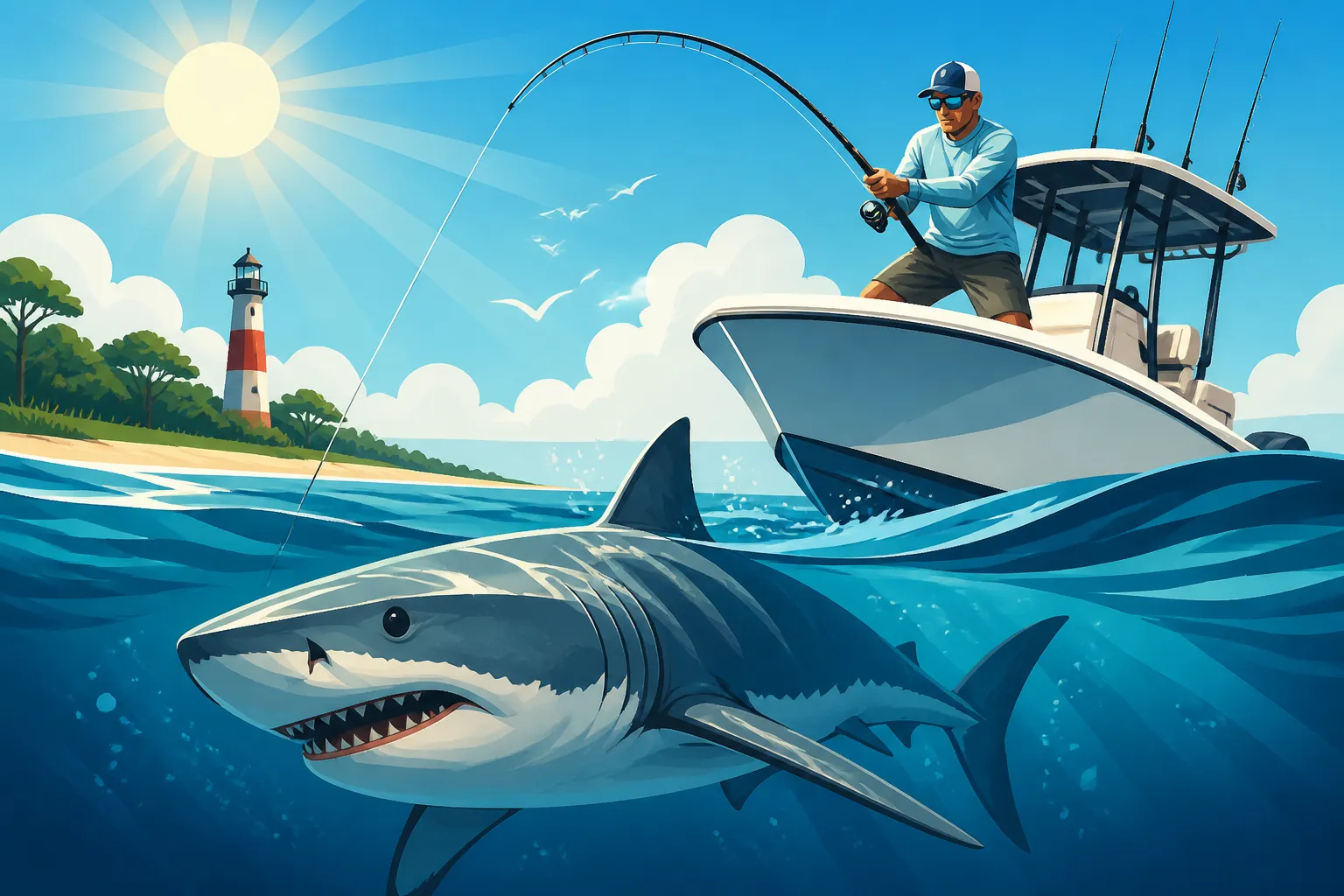
When you catch a shark on a charter, the captain and crew are experts at handling them safely and efficiently. Their priority is the safety of both the angler and the fish. They'll quickly bring the shark alongside the boat, sometimes using a specialized tool to secure it briefly. Photos are often taken while the fish is still in the water or quickly brought onto a safe mat on deck for a rapid picture before release. This minimizes stress and injury to the shark.
It's important to be aware of South Carolina Fishing Bag Limits Explained and specific regulations for sharks. While many species are catch-and-release, some might have size limits or possession limits if you were targeting them for harvest, though this is rare for the common species encountered on summer Hilton Head charters. Always listen to your captain, as they are the experts on current regulations and best practices. The goal is to create thrilling memories while ensuring these magnificent creatures continue to thrive in our waters.
Choosing the Right Shark Fishing Charter in Hilton Head
With several excellent captains and boats operating out of Hilton Head, picking the right shark fishing charter might seem a little overwhelming. But by focusing on a few key factors, you can ensure you select a trip that perfectly matches your expectations and delivers an incredible experience.
Key Factors to Consider When Booking
Before you commit to a charter, take a moment to think about what kind of experience you're truly hoping for. This will help you narrow down your options:
- Captain's Experience and Reputation: Look for captains who specialize in shark fishing and have a proven track record. Online reviews and testimonials can be incredibly helpful here. A good captain isn't just skilled at finding fish; they're also excellent communicators, patient teachers, and prioritize safety above all else. They'll also be knowledgeable about local regulations and conservation. A great resource to find reputable captains is through platforms like FishingBooker, where you can see detailed profiles and reviews.
- Boat Size and Amenities: Consider the size of your group. If you're going with a large family or several friends, you'll need a boat that can comfortably accommodate everyone. Check if the boat has a head (restroom), shaded areas, and enough space for everyone to fish without getting tangled up.
- Safety Equipment: All licensed charters are required to have essential safety gear, but it never hurts to confirm. This includes life jackets for all passengers (especially child-sized ones if you're bringing kids), a first-aid kit, communication devices, and fire extinguishers. Choosing the Right South Carolina Fishing Guide often comes down to who makes you feel the most comfortable and safe.
- Target Species Preferences: While this guide focuses on sharks, some charters might offer mixed bags. If you're only interested in sharks, make sure the captain primarily targets them. If you want a chance at other species like Redfish or Trout in addition to sharks, discuss this beforehand.
- Family-Friendliness: If you're bringing children, look for a captain known for being patient and good with kids. A charter that caters to families will often have lighter tackle options for smaller fish and an emphasis on making the experience fun and educational for young anglers. Some charters specifically advertise as Family-Friendly Fishing Charters in South Carolina.
Don't hesitate to call potential captains or charter services and ask questions. A good captain will be happy to chat about their trips and what they offer.
Pricing and What's Typically Included
Charter fishing isn't usually the cheapest activity, but it offers an unparalleled experience, especially when targeting formidable species like sharks. Understanding the cost structure and what's included helps set expectations.
- General Pricing: Most shark fishing charters are priced per trip, not per person, up to a certain number of passengers (e.g., up to 4 or 6 people). The cost will vary depending on the trip length (half-day vs. full-day) and the type of boat and captain. You can find general ranges by looking at various listings online for South Carolina Charter Fishing Costs and Trip Types. Remember, these are professional services providing specialized equipment and expertise.
- What's Usually Included: The beauty of a charter is that almost everything you need is covered. This typically includes:
- Fishing License: You generally won't need to purchase your own individual fishing license; the charter's license usually covers everyone on board. Always confirm this, but it's standard practice.
- Rods, Reels, and Tackle: All the heavy-duty gear you need for shark fishing will be provided.
- Bait: Fresh bait is a crucial component of shark fishing, and your captain will have it ready.
- Ice and Coolers: Often, there will be a cooler with ice for your drinks and snacks.
- Safety Equipment: As mentioned, all required safety gear.
- Professional Guidance: The captain's expertise in finding fish, rigging baits, and handling catches is the most valuable inclusion.
What's typically not included is food and drinks (beyond ice), sunscreen, appropriate clothing, and, importantly, the tip for your hard-working captain and mate. It's customary to tip 15-20% of the trip cost if you had a good experience. When exploring options on platforms like FishingBooker, you can often see a detailed breakdown of what is and isn't included in the trip price. For broader options, check out general guides on Hilton Head Fishing Charters, South Carolina.
Booking Your Adventure: Online vs. Direct
When it comes to securing your shark fishing trip, you generally have two main avenues: using an online booking platform or contacting a captain directly. Both have their advantages.
- Online Booking Platforms (e.g., FishingBooker):
- Pros: These platforms offer a convenient way to browse multiple charters, compare prices, read reviews from other anglers, and check availability all in one place. They often have customer support teams that can assist with questions or issues. You can easily filter by location, target species, and trip length, making it simple to find a shark fishing charter near Hilton Head. They also often provide secure payment processing. FishingBooker, for example, is a well-known platform that aggregates many charter listings.
- Cons: Sometimes, there might be a slight markup in price compared to booking directly (though this isn't always the case, as captains often list their best rates). Direct communication with the captain might be slightly delayed as it goes through the platform.
- Booking Directly with a Captain:
- Pros: Direct communication allows you to ask very specific questions and build a personal rapport with your captain before the trip. You might occasionally negotiate a slightly better rate, though established captains often have fixed pricing.
- Cons: It requires more legwork on your part, researching individual captains, checking their websites, and coordinating schedules directly. Availability might be harder to ascertain quickly across multiple options.
Many anglers find online platforms like FishingBooker to be a great starting point for research, even if they ultimately decide to reach out directly to a captain they've found. It's a fantastic way to quickly get a sense of the options available and read honest feedback from previous customers, helping you choose the best fit for your summer shark fishing expedition. For overall best times to book, consider looking at Best Time of Year to Book a South Carolina Fishing Charter.
Preparing for Your Summer Shark Fishing Trip
A little preparation goes a long way in ensuring your shark fishing adventure is not only successful but also comfortable and enjoyable. Hilton Head in the summer can be hot and sunny, so planning for the elements is crucial.
What to Pack for a Day on the Water
Even though your charter provides most of the fishing gear, there are a few personal items you'll definitely want to bring to make your trip more comfortable:
- Sun Protection is Paramount: The summer sun reflecting off the water can be intense.
- Hat: A wide-brimmed hat offers more protection than a baseball cap.
- Sunglasses: Polarized lenses are best as they cut glare and help you see into the water.
- Sunscreen: Apply generously and reapply often, especially after getting wet. Choose a water-resistant formula with a high SPF.
- Lightweight, Long-Sleeved Clothing: While it sounds counterintuitive in summer, lightweight, breathable shirts with UPF protection can save your skin from a nasty burn. Look for performance fishing shirts that wick moisture.
- Comfortable Footwear: Wear shoes with non-marking soles that can get wet. Flip-flops are generally okay for dockside, but deck shoes or Crocs offer better grip and protection.
- Food and Drinks: While some charters provide water, it’s always a good idea to bring your own water, sodas, and snacks. Battling a big shark can be thirsty work!
- Camera: You'll definitely want to capture photos of your catch and the beautiful Hilton Head scenery. Make sure it's waterproof or in a waterproof case if possible.
- Cooler (for your catch): If you happen to catch something legal and edible (which is rare for sharks, but you might catch other species on a combo trip), bring a cooler to transport your fish home. The charter will often have ice on board.
- Medication: If you're prone to seasickness, take appropriate medication (like Dramamine) well before the trip starts, as per its instructions. It's much easier to prevent it than to treat it once it hits.
- Small Towel: Handy for wiping hands or drying off splashes.
You can find a more general checklist in What to Pack for a Hilton Head Charter Fishing Trip, but focus on the sun and hydration aspects for summer.
Essential Safety Tips and Best Practices
Your captain is the expert and the ultimate authority on the boat, so listening to their instructions is the most important safety rule. However, a few common-sense tips will ensure a smooth and enjoyable trip:
- Listen to Your Captain: This cannot be stressed enough. They know the boat, the waters, the fish, and how to handle any situation. Pay attention to their safety briefings and follow their directions without hesitation.
- Stay Hydrated: Dehydration can quickly lead to fatigue, headaches, and even more serious issues in the summer heat. Drink plenty of water throughout the trip.
- Be Aware of Hooks and Fins: Shark fishing involves large hooks and powerful, wild animals. Always be mindful of where hooks are, and give the sharks (and their sharp fins!) plenty of space, especially when they are being brought alongside the boat or released. Let the captain and crew handle the fish directly.
- Maintain Balance: The ocean can be unpredictable, even on calm days. Always keep one hand for yourself and one for the boat. Move slowly and deliberately.
- Respect Wildlife: Remember, you are in their habitat. Observe from a respectful distance, and appreciate these incredible creatures. Do not try to touch or handle a shark unless explicitly instructed and assisted by the captain or crew.
- Communicate: If you feel unwell, need a break, or have any concerns, communicate immediately with your captain or mate. They are there to help ensure your comfort and safety.
By following these guidelines, you'll be well-prepared for an exciting, safe, and memorable shark fishing experience near Hilton Head this summer!
Inshore vs. Nearshore Shark Fishing: A Quick Comparison
To help you decide which type of shark fishing charter might be best for your summer adventure near Hilton Head, here's a quick comparison of inshore and nearshore options.
| Feature | Inshore Shark Fishing | Nearshore Shark Fishing |
|---|---|---|
| Location | Salt marsh estuaries, sounds, deeper creeks, channels | Out to a few miles offshore, nearshore reefs, wrecks |
| Target Species | Bonnethead, Blacktip, Atlantic Sharpnose, occasional Nurse | Blacktip, Spinner, smaller Hammerheads, occasional Bull |
| Typical Depth | 5-20 feet | 20-60 feet |
| Motion Sickness Risk | Lower, generally calmer waters | Higher, more exposure to ocean swells |
| Trip Length | Primarily half-day (4-5 hours) | Can be half-day or occasionally full-day |
| Boat Size | Smaller bay boats, center consoles | Larger center consoles, sometimes small sportfishers |
| Ideal For | Families, beginners, those prone to seasickness, consistent action | More adventurous anglers, seeking slightly larger sharks |
| Water Clarity | Often stained or murky dueater | Generally clearer, bluer water |
Disclaimer
This article is for general informational purposes only and does not constitute professional advice. Laws, prices and regulations vary by location and change over time. Consult a qualified professional for guidance on your specific situation.