Cleaning and Filleting Your Catch After a South Carolina Charter
You've just wrapped up an incredible South Carolina fishing charter, and the cooler is packed with your hard-earned catch. That initial rush of excitement is often quickly followed by a very practical question: what now? For many anglers, especially those new to charter fishing, the idea of cleaning and filleting fish can feel a bit daunting, turning a triumphant day into a chore. But don't worry, this guide is here to walk you through everything you need to know about processing your catch, ensuring those fresh fish make it to your dinner table in perfect condition.
The Post-Charter Dilemma: To Clean or Not To Clean?
After a fantastic day battling fish in the Atlantic or across one of South Carolina's many beautiful lakes, you're often left with a cooler full of potential meals. This is where the real decision-making begins: do you roll up your sleeves and get to work right at the dock, or do you seek out professional help? It’s a common moment of hesitation for many, balancing the desire for fresh fish with the reality of time, skill, and sheer exhaustion after a long day on the water.
The Immediate Aftermath: What Happens at the Dock?
Many South Carolina fishing charters, particularly those specializing in inshore or offshore trips out of places like Charleston or Murrells Inlet, offer fish cleaning services right at the dock as part of their package, or for an additional fee. This is often a huge relief for tired anglers. The crew, being seasoned pros, can make quick work of a cooler full of fish, turning whole catches into pristine fillets in a fraction of the time it would take most recreational anglers. They have the right tools, the experience, and often dedicated cleaning stations to handle the task efficiently.
It's always a good idea to confirm this service when you're booking your trip. Asking "What's included in a South Carolina charter fishing trip?" is a smart question to add to your list. Some captains might do it themselves, while others might direct you to a dedicated fish cleaner working at the marina. Be prepared for a small fee for these services, which is usually well worth the cost for the convenience and quality of the finished product. These professionals can ensure you walk away with perfectly clean, ready-to-cook fillets, saving you all the mess and effort.
DIY vs. Professional Filleting
Deciding between filleting your fish yourself or hiring a professional at the marina boils down to a few factors: your skill level, the equipment you have available, and how much time and energy you have left. If you’re an experienced angler who enjoys the hands-on process and has a sharp fillet knife, a sturdy cutting board, and a good setup at home, then DIY can be very rewarding. It gives you complete control over how your fish is processed and can be a source of pride, knowing you’ve handled every step from catch to plate.
However, for many, especially after a long and exciting charter, the idea of standing over a fish cleaning station for an hour or more just isn't appealing. Professional cleaners are incredibly efficient; they can fillet a multitude of fish in the time it takes an amateur to do just a few, and often with far less waste. They also understand the nuances of different fish species, ensuring optimal yield and presentation. If you’re just visiting the South Carolina coast and don't have a dedicated setup, or if you simply want to relax after your trip, handing the task over to a pro is often the best choice.
Understanding South Carolina's Fish Cleaning Regulations
It’s crucial to remember that even after your fish are in the cooler, South Carolina's fishing regulations don't just disappear. There are specific rules regarding size and bag limits that still apply, and in some cases, how fish must be presented or identified before they are filleted. These rules are in place to ensure sustainable fishing practices and to allow game wardens to properly identify and measure fish if necessary. Ignorance of the law is never an excuse, and violating these regulations can lead to fines or other penalties.
Why Size and Bag Limits Matter
Before any knife touches a fish, you must be absolutely certain that every fish in your possession adheres to South Carolina's current size and bag limits. This means verifying that each fish meets the minimum (and sometimes maximum) length requirements and that you haven't exceeded the daily limit for that species. Game wardens often check coolers, especially at public boat ramps and marinas, and if they find fish that are undersized, oversized, or over the limit, even if already filleted, you could face consequences.
For many species, regulations require that the fish remain whole or at least have enough identifying features (like the head or a portion of the skin) intact until you are ready to prepare them for immediate consumption at home, or until you are beyond the point of inspection. This allows enforcement officers to confirm species, measure length, and count your catch. Always clarify these specifics with your charter captain or consult the South Carolina Fishing License Guide or the SCDNR website before you start cleaning, especially if you plan to do it yourself away from the dock.
Special Rules for Certain Species
South Carolina has a variety of unique regulations for different species, particularly popular ones like red drum (redfish) and spotted seatrout. For instance, redfish have a strict slot limit, meaning they must fall within a certain length range to be legally harvested, and there are also vessel limits, which cap the total number of redfish allowed per boat, regardless of how many anglers are on board. It's not just about individual limits, but also South Carolina Redfish Vessel Limit Explained for the boat as a whole.
Similarly, spotted seatrout also have minimum size requirements and daily bag limits. For example, you'll need to know the South Carolina Spotted Seatrout Minimum Size 14 Inches if you plan on keeping them. These specific rules mean that if you fillet your fish too early, especially without leaving a patch of skin or the head attached as required, you could inadvertently violate a regulation. It’s always best to err on the side of caution and understand the specific rules for each species you catch, ensuring you remain compliant from the moment you reel them in until they’re ready for the pan. Always ask your charter captain about the specific regulations for the fish you target that day, as they are usually up-to-date on all current requirements.
The Art of Filleting Your Catch
There’s a certain satisfaction that comes with turning a whole fish into beautiful, boneless fillets. It's a skill that improves with practice, but with the right tools and a little patience, anyone can learn to fillet fish effectively. The goal is always to maximize the amount of edible meat while minimizing waste, leaving behind as little flesh as possible on the frame.
Essential Tools for the Home Angler
Before you even think about filleting, having the right equipment is paramount. The single most important tool is a sharp fillet knife. This isn't just about making the job easier; a sharp knife is also a safer knife, as it requires less force and is less likely to slip. Look for a flexible blade that matches the size of the fish you're typically cleaning. A good 6- to 9-inch blade works for most inshore and smaller offshore species. Alongside your knife, a sturdy cutting board is essential, preferably one with a non-slip surface or cleats. You don't want your board sliding around while you're working with a sharp blade.
Many anglers also find a fillet glove incredibly useful. This glove, often made of cut-resistant material, protects your non-dominant hand while you're holding the fish. It provides better grip and significantly reduces the risk of nicks and cuts. Finally, have a couple of coolers handy: one for keeping the whole fish on ice before cleaning, and another filled with fresh ice for storing your cleaned fillets. This rapid chilling is vital for maintaining the quality and freshness of the meat. A designated trash bag or bucket for scraps will also make cleanup much easier.
Step-by-Step Filleting Guide
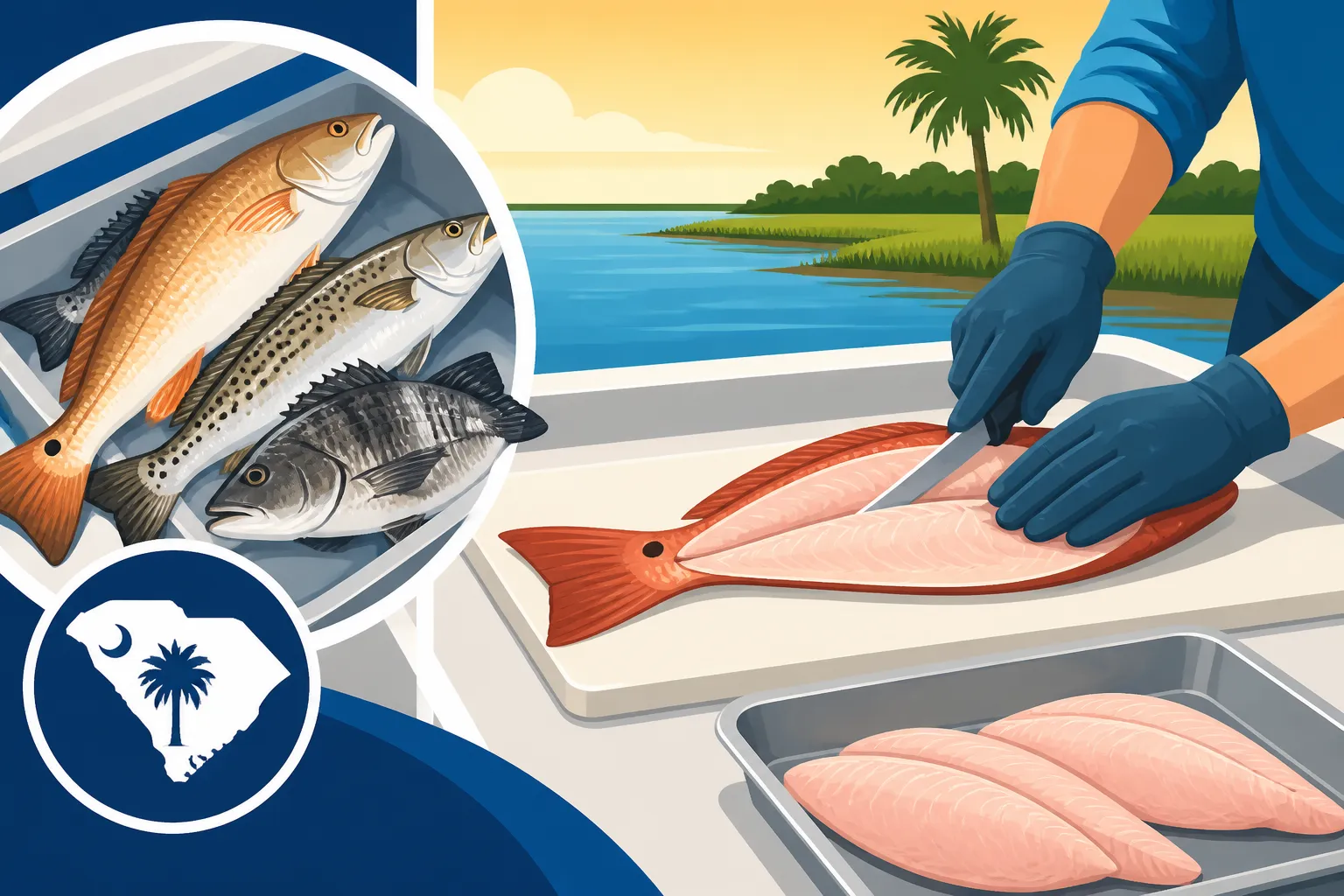
While the exact technique might vary slightly by fish shape, the general process for filleting most round fish (like snapper, grouper, or even larger freshwater bass) follows a consistent pattern. Always start with a very sharp knife. First, make a cut behind the pectoral fin, cutting down towards the backbone but not through it. Then, turn the blade and run it horizontally along the backbone, from head to tail, keeping the blade close to the bone. You’ll be separating the fillet from the rib cage. Once you reach the tail, don’t cut through completely; instead, leave a small piece of skin intact.
Next, you'll work from the tail end, separating the skin from the meat. Place the fillet skin-side down, grip the tail end of the skin firmly, and with your knife almost flat against the cutting board, slide the blade between the skin and the flesh, pushing the knife forward while pulling the skin backward. This takes practice to get a clean separation. Once the skin is off, check for any remaining pin bones along the lateral line and carefully remove them with the tip of your knife or a pair of pliers. Repeat the process for the other side of the fish. Remember, safety first – always cut away from your body and keep your free hand clear of the blade.
Handling Different Fish Types
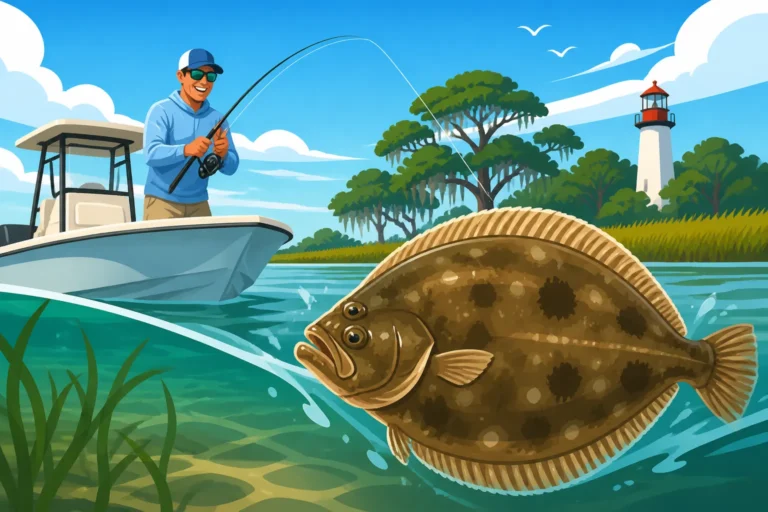
Not all fish are built the same, and your filleting technique will need to adapt. For common South Carolina game fish like redfish or spotted seatrout, the general round-fish method works well. These species offer two thick, meaty fillets. However, flatfish like flounder require a completely different approach. Flounder, with their unique body shape, yield four fillets – two from the top and two from the bottom.
To fillet a flounder, start by making a cut down the middle of the fish, from head to tail, along its spine. Then, make cuts from the center line out to the edge of the fish, following the rib bones, on each side of the central spine. You will then carefully separate the fillet from the bones, working from the central cut outwards. Once you've removed all four fillets, you can then skin them just like you would a round fish. Practice is key, and watching a few online tutorials specifically for the species you've caught can be incredibly helpful. The goal is always a clean fillet with minimal waste, whether it's a plump red drum or a delicate flounder.
Keeping Your Catch Fresh: From Boat to Table
Catching fish is only half the battle; ensuring that catch stays fresh and delicious until it hits your plate is just as important. Proper handling from the moment the fish comes aboard to when it’s stored in your fridge or freezer can make all the difference in taste and texture. Neglecting this crucial step can quickly diminish the quality of even the freshest catch.
The Importance of Icing Down
The single most important thing you can do to maintain the quality of your catch is to get it on ice immediately. This isn't just a suggestion; it's a necessity. As soon as a fish comes out of the water, its body temperature begins to rise, and with it, enzymatic and bacterial processes that lead to spoilage accelerate. By burying your fish completely in a mixture of ice and water (a slurry) right away, you rapidly chill the fish, slowing down these processes significantly. The colder the fish, the longer it will remain fresh.
Many South Carolina charter boats are well-equipped with large coolers or fish boxes specifically for this purpose. They understand that a happy customer is one who takes home prime fillets. Ensure that the fish are not just on ice, but in ice, completely surrounded. If you're using your own cooler, make sure you have plenty of ice. As the ice melts, drain the water, but keep replenishing with fresh ice to maintain that crucial cold temperature. This immediate chilling is the foundation of delicious, high-quality seafood.
Proper Storage Techniques for Fresh Fish
Once your fish are filleted, how you store them will determine their longevity and taste. For immediate consumption, meaning within a day or two, simply place the fillets in a single layer on a plate or in a shallow dish, cover them loosely with plastic wrap, and store them in the coldest part of your refrigerator. Some people like to place them on a bed of ice in the fridge for extra chill. Just be sure to drain any meltwater periodically to prevent the fillets from sitting in water, which can degrade texture.
For longer-term storage, freezing is your best bet. The key to successful freezing is to minimize exposure to air, which causes freezer burn. Vacuum sealing is by far the most effective method, removing all air and creating a tight seal that preserves freshness for months. If you don't have a vacuum sealer, wrap each fillet tightly in plastic wrap, then again in aluminum foil, and finally place them in a freezer-safe bag, pressing out as much air as possible. Label and date everything so you know exactly what you have and when it went into the freezer. Flash freezing individual fillets on a tray before bagging them can also prevent them from clumping together.
Transporting Your Fillets Home
After your fish are cleaned and packed, whether by a pro or yourself, proper transportation is crucial, especially if you have a long drive ahead. The goal is to keep those fillets as cold as possible until they reach your home refrigerator or freezer. A well-insulated cooler is your best friend here. Pack your fillets tightly with plenty of ice, ensuring they are completely covered. Consider using ice packs or frozen gel packs in addition to cubed ice for longer-lasting cold.
It's also a good idea to keep your fillets separate from any remaining whole fish or potential contaminants. If you’re using fish cleaning services at the marina, they will usually package your fillets in sealed bags, which makes transportation much simpler. If you're doing it yourself, make sure your bags are leak-proof. Keep the cooler out of direct sunlight in your vehicle and consider placing it in the coolest part of your car to maintain temperature. The less temperature fluctuation your fillets experience, the better their quality will be when you finally unpack them at home.
| Step | Description | Why it's Important |
|---|---|---|
| Immediate Icing | As soon as caught, fish are placed into a cooler or fish box filled with ice or an ice slurry. | Rapidly chills the fish, slowing bacterial growth and enzymatic degradation, preserving freshness and flavor. |
| Adhere to Regulations | Before cleaning, ensure all fish meet South Carolina's size and bag limits; certain species may require leaving identifying features (e.g., skin patch) until onshore. | Prevents fines and ensures compliance with sustainable fishing practices. Allows game wardens to verify your catch. |
| Filleting | Removing meat from the bones, typically resulting in two boneless, skinless portions (or four for flatfish). | Prepares the fish for cooking, removing inedible parts. Can be done by charter crew, marina services, or DIY. |
| Cleaning | Rinsing fillets with cold water to remove blood, scales, and any remaining bits of bone or membrane. | Improves taste and appearance, removes potential sources of spoilage. Use cold, clean water. |
| Drying | Patting fillets dry with paper towels. | Excess moisture can promote bacterial growth and lead to freezer burn if freezing. |
| Packaging | Placing fillets in freezer bags, vacuum seal bags, or wrapped in plastic/foil. | Protects fish from air exposure, preventing freezer burn and maintaining quality. Label with species and date. |
| Storage | Refrigerating for 1-2 days, or freezing for longer periods (up to 3-6 months for optimal quality). | Maintains freshness and safety; prevents spoilage. Rapid chilling is key for both short-term and long-term storage. |
| Transport | Keeping fillets well-iced in a cooler during travel, avoiding direct sunlight. | Prevents temperature fluctuations, which can degrade fish quality rapidly during transit from dock to home. |
Considering Fish Cleaning Services at the Marina
While the idea of filleting your own fish might be appealing to some, it's perfectly normal and often preferable to opt for professional fish cleaning services, especially after a long day of charter fishing in South Carolina. These services are a staple at most coastal marinas and can significantly enhance your post-fishing experience, saving you time and effort while ensuring a perfectly processed catch.
When to Opt for a Pro
There are several scenarios where choosing a professional fish cleaning service is simply the smart move. Firstly, if you've had an exceptionally successful day and your cooler is overflowing, cleaning a large number of fish can be incredibly time-consuming and tiring. A professional can handle a big catch with speed and expertise. Secondly, if you're not particularly skilled with a fillet knife or lack the proper equipment (like a sharp knife, a stable cleaning station, or a fillet glove), a pro will ensure maximum meat yield and minimal waste, giving you far more usable fish than you might achieve on your own.
Visiting anglers who don't have a proper setup at their vacation rental or hotel will also find these services invaluable. It removes the mess and the need to find a suitable cleaning area. Moreover, if you're concerned about adhering to complex regulations for certain species, a reputable cleaner will be well-versed in all local rules, like those for South Carolina Redfish Slot Limit Rules or South Carolina Spotted Seatrout Daily Bag Limit of 10 Fish, ensuring your catch is processed legally. You’ve put in the hard work catching them; let someone else handle the meticulous part of preparing them for the dinner table.
What to Expect from a Fish Cleaning Service
When you use a professional fish cleaning service at a South Carolina marina, you can generally expect a high level of efficiency and a clean, well-packaged product. Typically, you'll bring your cooler directly to the designated cleaning station. The staff will then take your fish, process them, and return the fillets to you, often rinsed, patted dry, and sealed in plastic bags. They often work on a per-fish or per-pound basis, so be prepared for a fee. While it’s tempting to ask for an exact price, these vary significantly, so it’s best to inquire directly at the dock.
The biggest benefit is the quality. These individuals are experts, quickly turning whole fish into boneless, skinless fillets with impressive skill. They know how to handle different types of fish, from delicate trout to robust snapper, ensuring the best possible outcome. They'll also dispose of the fish carcasses responsibly, which is another convenience you won't have to worry about. Often, the charter captain will direct you to a preferred cleaner or even handle the exchange themselves, making the process seamless. If you're looking into South Carolina Charter Fishing Costs and Trip Types, remember to factor in potential fish cleaning fees as an additional but often worthwhile expense.
Finding Reputable Services
The easiest way to find a reputable fish cleaning service is to simply ask your charter captain. They work with these services daily and can offer direct recommendations or even facilitate the cleaning process for you. They know who does a good job, is fair with pricing, and operates efficiently. Many marinas have established fish cleaning stations with staff on hand, especially during peak fishing seasons.
Beyond your captain, you can also look for recommendations from other anglers at the dock or check online reviews for marinas in the area where your charter departed. Websites like FishingBooker, where many charters are listed, often include information about the amenities available at the departure marina, or you can directly inquire with the charter operator through the platform about fish cleaning options. A quick search for "fish cleaning services near [South Carolina coastal town]" can also yield results. Always choose a service that appears clean, organized, and has good feedback, ensuring your prize catch is handled with the care it deserves. Don't be afraid to ask how they handle waste and if they keep their workspace sanitary; these are indicators of a professional operation.
Maximizing Your Catch: Beyond Just Fillets
While beautiful fillets are often the main prize, a truly savvy angler knows that there's more to a freshly caught fish than just the prime cuts of meat. Embracing a "nose-to-tail" approach not only honors your catch but also allows you to extract maximum value and flavor. It’s a wonderful way to minimize waste and explore different culinary possibilities.
Using Carcasses for Stock or Bait
Once you've filleted your fish, you'll be left with the head, backbone, and often some scraps of meat. Instead of immediately tossing these into the trash, consider their potential! Fish heads and bones, especially from white-fleshed fish, make an incredible base for homemade fish stock or broth. This stock can be frozen and later used in risottos, chowders, gumbos, or other seafood dishes, imparting a depth of flavor that store-bought versions simply can't match. To make stock, simply simmer the cleaned carcasses with aromatic vegetables like onions, celery, and carrots, along with some herbs, for about 30-45 minutes. Strain, and you've got liquid gold.
Another excellent use for these "leftovers" is bait. Cut up chunks of fish carcass, particularly from oily species, can be fantastic for crabbing or for catching bottom-dwelling fish on your next trip. This is a sustainable practice that minimizes waste and provides a free, effective bait source. Some anglers even use the heads and bones from larger species to attract scavengers or as chum. Discussing these options with your charter captain or marina cleaning service can sometimes lead to them packaging the carcasses for you if you express interest.
Enjoying the Experience: From Catch to Cook
The entire journey from the first strike on the line to the final dish on your table is part of the joy of fishing. Cleaning and filleting your catch, whether you do it yourself or have a professional handle it, is an integral step in this experience. It's the transition from a thrilling hunt to a delicious meal, connecting you more deeply with the food you eat. There's immense satisfaction in knowing exactly where your meal came from and the effort that went into acquiring it.
This complete journey reinforces the value of the experience, reminding you of the beauty of South Carolina's waters and the bounty they provide. Whether you're planning a sophisticated dinner party or a simple family fish fry, the freshest fish, handled with care from the moment it leaves the water, will always taste superior. So next time you're on a South Carolina Inshore Fishing Charters Explained or offshore trip, remember that the adventure doesn't end when the boat docks. It continues into the kitchen, culminating in a meal that's truly earned.
Disclaimer
This article is for general informational purposes only and does not constitute professional advice. Laws, prices and regulations vary by location and change over time. Consult a qualified professional for guidance on your specific situation.