How to Book a Fishing Charter in South Carolina
Planning a fishing trip to South Carolina is incredibly exciting, but the idea of booking a charter can sometimes feel a bit overwhelming, especially if you’re new to guided trips or unfamiliar with the local waters. You might wonder where to even start, what questions to ask, or how to ensure you pick the right captain for your hard-earned vacation time. This comprehensive guide is here to demystify the process, walking you through everything you need to know to confidently book the perfect fishing charter for your South Carolina adventure, ensuring you have an unforgettable and successful day on the water.
Why Book a Fishing Charter in South Carolina?
There's something truly special about fishing in South Carolina, from its vast freshwater lakes and rivers to the vibrant inshore estuaries and the boundless expanse of the Atlantic Ocean. While many of us love to grab our own gear and hit the water, there are undeniable advantages to letting a professional guide you. Booking a fishing charter isn't just about catching fish; it's about unlocking a deeper, more enriched experience.
The Allure of South Carolina's Waters
South Carolina boasts an incredible diversity of aquatic environments, each teeming with different species and offering unique challenges and rewards. From the sprawling Santee Cooper Lakes, renowned for their legendary bass and catfish, to the intricate marsh systems along the coast where redfish and speckled trout thrive, there’s a fishery for every angler. Even offshore, the waters transform into a playground for pelagic species like mahi-mahi and tuna. This variety, while exciting, can also be daunting for visitors or those unfamiliar with specific areas. A local charter captain knows these waters like the back of their hand, understanding the nuances of tides, currents, and seasonal fish movements that can make or break a trip. They’ve spent countless hours studying patterns, identifying productive spots, and adapting to changing conditions, giving you a significant advantage. South Carolina Fishing Seasons Guide provides a great overview of when different species are most active.
Benefits of a Guided Experience
Think of a fishing charter as having a seasoned expert by your side, sharing their knowledge and making the entire experience smoother and more productive. For starters, safety is paramount. Charter captains are professionals, fully licensed and insured, operating well-maintained vessels equipped with all necessary safety gear. They understand local weather patterns and marine hazards, ensuring your outing is as safe as it is enjoyable. Beyond safety, their expertise dramatically increases your chances of success. They know where the fish are, what baits and lures they’re hitting, and the best techniques to employ on any given day. This means less time searching and more time fishing. Whether you're a seasoned angler looking to tackle a new species or a complete beginner hoping to catch your first fish, a guide tailors the experience to your skill level, offering instruction and assistance as needed.
Convenience and Gear Provided
One of the biggest headaches for any angler traveling or simply wanting to try a new type of fishing is the gear. Do you bring your own rods? What kind of tackle do you need for offshore mahi-mahi versus inshore redfish? With a fishing charter, all of that worry disappears. Reputable charters provide top-quality rods, reels, and tackle specific to the type of fishing you'll be doing. They supply the bait, often live bait that's tricky for the average angler to procure. This level of convenience means you simply show up, ready to fish, without having to invest in expensive equipment or spend hours preparing. It’s a truly hassle-free way to enjoy a day on the water, letting you focus entirely on the thrill of the catch. When considering a trip, think about What's Included in a South Carolina Charter Fishing Trip to understand the full scope of benefits.
Understanding Different Charter Types
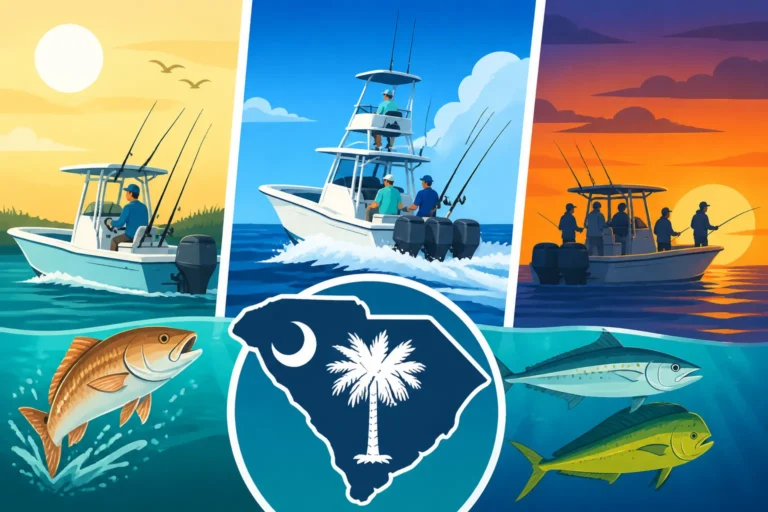
South Carolina offers a diverse range of fishing experiences, and charters are typically categorized by the type of water they fish and the species they target. Knowing the difference between inshore, offshore, and specialty charters is crucial for choosing the adventure that best suits your fishing goals and comfort level. Each type offers a distinct appeal, from tranquil marsh fishing to exhilarating deep-sea battles.
Inshore Charters: Exploring the Lowcountry Marshes
Inshore charters operate in the calmer, shallower waters of estuaries, tidal creeks, bays, and sounds, usually within sight of land. Along South Carolina's coast, this means navigating the stunning Lowcountry marsh systems, with their intricate network of waterways framed by spartina grass. These trips are fantastic for families, beginners, or anyone who prefers a less intense boat ride. The target species are typically redfish, speckled trout, flounder, and sometimes sheepshead or black drum. Fishing techniques often involve casting artificial lures, live bait, or even fly fishing in the skinny water. A typical inshore trip might involve casting to oyster beds, around dock pilings, or sight-fishing for "tailing" redfish in flood tides. Many of these trips launch from popular coastal towns like Mount Pleasant, Murrells Inlet, and Hilton Head Island. For specific target species, consider checking out guides like South Carolina Redfish Fishing Charters or South Carolina Speckled Trout Charter Trips.
| Charter Type | Typical Target Species | Water Depth/Location | Experience Level | Typical Duration |
|---|---|---|---|---|
| Inshore | Redfish, Spotted Seatrout, Flounder, Sheepshead | Estuaries, Creeks, Bays | Beginner to Advanced | Half-day (4 hrs) |
| Nearshore | Spanish Mackerel, King Mackerel, Cobia, Bull Redfish, Black Sea Bass | Nearshore Reefs, Wrecks (1-20 miles out) | Intermediate to Advanced | Half-day to 3/4 Day (4-6 hrs) |
| Offshore | Mahi-Mahi, Tuna, Wahoo, Sailfish, Marlin, Grouper, Snapper | Gulf Stream, Deep Water Reefs (30+ miles out) | Advanced | Full-day to Extended (8-12+ hrs) |
Offshore Adventures: Deep Sea Thrills
If you crave the excitement of battling powerful game fish in the open ocean, an offshore charter is probably what you're looking for. These trips venture many miles out into the Atlantic, often reaching the productive waters of the Gulf Stream. The ride out can be choppy, and the fishing itself is physically demanding, but the rewards are often spectacular. Common catches include mahi-mahi (dolphin), wahoo, various tuna species (yellowfin, blackfin), sailfish, and marlin. Bottom fishing over reefs and wrecks can also yield grouper, snapper, and amberjack. Offshore boats are larger, more robust vessels designed to handle rough seas, and they're equipped with specialized gear for trolling, jigging, and deep dropping. These trips typically last a full day, or even longer for dedicated anglers. Booking these trips requires a good understanding of what you want to target, as South Carolina Mahi-Mahi and Tuna Charter Trips will be a very different experience than bottom fishing for snapper.
For those who want to experience the ocean but maybe aren't ready for a full day far offshore, some charters offer "nearshore" trips. These usually stay within a few miles of the coast, targeting species like king mackerel, Spanish mackerel, cobia, and various reef fish over artificial reefs and natural bottom structure. It's a great middle-ground option for a taste of ocean fishing without the lengthy travel time or potential for very rough conditions associated with deep offshore runs.
Specialty Charters: Targeting Specific Species or Experiences
Beyond the general inshore and offshore categories, many South Carolina captains offer highly specialized trips. These might focus on a particular species during its peak season, like targeting giant tarpon during the summer months along the coast, or chasing sharks for an adrenaline-pumping experience. Some charters are specifically designed for fly fishing enthusiasts, guiding them to sight-fish for redfish in shallow grass flats. Others might focus on night fishing for large predatory fish like striped bass in freshwater lakes or big catfish in the Santee Cooper system. If you have a very specific type of fish you want to catch or a unique fishing experience in mind, don't hesitate to ask charter captains if they offer specialty trips. They are often passionate about these niche fisheries and can provide an incredibly rewarding experience. For a specific example, Summer Tarpon Charters on the South Carolina Coast would fall into this category.
Choosing the Right Charter for Your Group
Selecting the perfect fishing charter isn't a one-size-fits-all decision. What works for a group of experienced buddies might not be ideal for a family with young children. Taking the time to consider your group's preferences, skill levels, and expectations will lead to a much more enjoyable and memorable outing.
Matching Trip Length to Your Schedule and Goals
Charter trips come in various durations, typically half-day (4 hours), three-quarter day (6 hours), or full-day (8 hours or more). Your choice should align with your group's endurance, budget, and fishing aspirations. A half-day trip is often perfect for families with young kids or first-time anglers. It's enough time to get a feel for the experience, catch some fish, and return before anyone gets too tired or restless. These are usually inshore trips, staying closer to the dock.
A three-quarter or full-day trip offers more fishing time and allows the captain to travel further to potentially more productive spots, especially for nearshore or offshore excursions. If your goal is to target specific species that require more travel time, or if you simply want to maximize your time on the water, these longer trips are often worth the investment. Think about whether your group can handle the sun, motion, and sustained activity for a longer period. For a deeper dive into durations, check out South Carolina Charter Fishing Trip Lengths Compared.
Considering Your Group Size and Skill Level
Most charter boats have a maximum capacity, usually six passengers, due to Coast Guard regulations. It's important to be upfront about your group size when inquiring. The size of your group will also impact the cost per person and the comfort level on board. Larger boats generally offer more space and amenities.
Equally important is the skill level and experience of your group. Are you all seasoned anglers who can cast proficiently and handle a fish independently, or are some members completely new to fishing? A good captain can adapt to any skill level, but it helps for them to know beforehand. For beginners, a patient guide who enjoys teaching is invaluable. For experienced anglers, a captain who understands advanced techniques and focuses on trophy fish might be preferred. Don't be shy about communicating this; it helps the captain prepare the right gear and approach for your trip. For those bringing along the next generation of anglers, looking for Family-Friendly Fishing Charters in South Carolina is a wise move.
Deciding on Your Target Fish Species
Before you even start looking for a charter, have a conversation with your group about what kind of fish you hope to catch. Do you dream of battling a powerful redfish in the marsh, or is the thought of landing a sleek mahi-mahi offshore more appealing? Perhaps you just want to catch anything and enjoy a relaxing day.
Knowing your target species helps narrow down your charter options significantly. Inshore charters will focus on different species than offshore boats. Some captains specialize in certain fish, having perfected techniques and identified prime spots for them. Be realistic about what's in season and commonly caught during your visit. While a captain will always try their best, fishing is never guaranteed. Being flexible and open to catching what's biting can lead to a more enjoyable day. If you're unsure about what's available, exploring South Carolina Fish Species: A Complete Guide to What's in the Water can provide excellent insight.
Family-Friendly Options for All Ages
Fishing can be a fantastic family activity, creating lifelong memories. When booking a charter with children, look specifically for captains who advertise themselves as "kid-friendly" or "family charters." These guides often have experience working with young anglers, understanding that patience, shorter attention spans, and an emphasis on fun are key. They might have smaller, easier-to-handle rods, choose calmer fishing spots, and prioritize frequent bites over trophy fish.
A shorter half-day trip is often ideal for families with very young children. Ask about amenities like restrooms on board, shaded areas, and if the captain is willing to teach kids the basics of casting and reeling. The goal should be to make it a positive and engaging experience for everyone, especially the little ones. Many charters on platforms like FishingBooker highlight their family-friendly credentials, making it easier to find the right fit for your crew. Kid-Friendly Fish Species to Catch in South Carolina can also help you choose a charter that targets accessible fish for younger anglers.
Key Questions to Ask Before Booking
Once you have a good idea of what kind of trip you’re looking for, it’s time to start contacting potential captains. Don't be afraid to ask plenty of questions! A good charter captain will appreciate your thoroughness and be happy to provide all the information you need. These conversations are crucial for setting expectations and ensuring there are no surprises on the day of your trip.
What's Included in the Charter Price?
This is perhaps one of the most important questions. While most reputable South Carolina charters include standard gear, bait, and a licensed captain, the specifics can vary. Always confirm what's explicitly covered in the quoted price.
Common inclusions:
- Boat and Captain: Obviously, the boat and the expertise of the captain.
- Rods, Reels, and Tackle: High-quality fishing equipment appropriate for the target species.
- Bait: Live, cut, or artificial baits.
- Fuel: Standard fuel usage for the trip.
- Cooler with Ice: For your drinks and snacks, and often for keeping fish.
- Safety Gear: Life vests, first-aid kit, communication devices.
Things that might NOT be included, and you should clarify:
- Fishing Licenses: In South Carolina, many charter boats operate under a blanket license that covers all passengers, but it's always best to confirm. Do You Need a Fishing License for a Hilton Head Charter? is a good question to ask.
- Food and Beverages: Most charters require you to bring your own, though some might offer basic water.
- Fish Cleaning/Filleting: Some captains include this service, while others charge an additional fee or expect you to do it yourself at a designated cleaning station.
- Gratuity for the Crew: Tipping is customary and expected in the charter fishing industry, usually 15-20% of the trip cost. Make sure you understand the expectations. How Much to Tip Your South Carolina Fishing Guide is a great resource.
- Sunscreen, Hats, Sunglasses: These are almost always your responsibility to bring.
Getting a clear breakdown upfront prevents any awkward moments or unexpected costs later.
Understanding Licensing and Regulations
Fishing regulations in South Carolina can be intricate, with different rules for freshwater versus saltwater, and specific bag and size limits for various species. For example, knowing the South Carolina Redfish Slot Limit Rules or South Carolina Spotted Seatrout Minimum Size 14 Inches is crucial.
When booking a charter, you generally don't need to worry about obtaining your own individual fishing license. Most licensed charter captains in South Carolina hold a special "for-hire" license that covers all passengers on board. However, it is always prudent to confirm this with your captain before the trip. It's better to ask than to be caught without proper coverage. They should also be well-versed in all current state and federal regulations, including bag limits, size restrictions, and closed seasons for the species you're targeting. A good captain will adhere strictly to these rules to protect the fishery and avoid fines. Don't hesitate to ask them about these regulations, especially if you plan to keep your catch.
Catch and Release vs. Keeping Your Haul
Before your trip, discuss with the captain your intentions regarding the fish you catch. Are you hoping to bring home a cooler full of fillets for dinner, or is your preference strictly catch and release? Many anglers enjoy the thrill of the catch without the desire to keep the fish, especially for species that might be protected or have strict limits.
If you plan to keep your catch, confirm that the captain is willing and able to clean and bag your fish for you. As mentioned, some include this service, while others charge a small fee. Understand that fish cleaning might take extra time after the boat returns to the dock. Also, be aware of bag and size limits; a responsible captain will ensure all kept fish adhere to regulations. If you're dreaming of a fresh seafood dinner, confirming these details beforehand is essential. South Carolina Charter Fishing Rules for Keeping Fish can shed more light on this topic.
Deposits, Payments, and Cancellation Policies
Understanding the financial aspects and potential contingencies is vital. Most charter captains require a deposit to secure your booking, with the remaining balance due on the day of the trip. Clarify what payment methods they accept (cash, credit card, check, etc.).
Crucially, inquire about their cancellation policy. Weather is the biggest variable in fishing, and captains prioritize safety. What happens if the weather is too rough to go out?
- Captain's Discretion: Typically, the captain makes the final call on weather cancellations.
- Rescheduling: Most will offer to reschedule your trip if possible.
- Refunds: If rescheduling isn't an option, they should offer a full refund of your deposit for weather-related cancellations.
Also, ask about their policy if you need to cancel. There's usually a required notice period (e.g., 72 hours, 7 days) to receive a full or partial refund of your deposit. Missing this window often means forfeiting your deposit. It’s important to respect their business and schedule. Make sure you get these policies in writing or clearly communicated so there are no misunderstandings. Platforms like FishingBooker often have clear policies outlined for cancellations, adding a layer of transparency.
Finding and Researching South Carolina Fishing Charters
With so many excellent fishing charters operating along the South Carolina coast and on its inland waters, finding the right one can feel like searching for a needle in a haystack. However, with a strategic approach to research and a bit of local insight, you can narrow down your options and make an informed decision.
Leveraging Online Booking Platforms
In today's digital age, online booking platforms have become incredibly popular resources for finding and comparing fishing charters. Websites like FishingBooker allow you to browse a wide array of captains, boats, and trip types in specific locations across South Carolina, from Myrtle Beach to Hilton Head. These platforms typically feature detailed listings that include:
- Captain profiles: Information about their experience, specialties, and personality.
- Boat specifications: Photos, size, amenities, and equipment.
- Trip options: A breakdown of available trip lengths, target species, and pricing structures (though always confirm direct with the captain for the most current figures).
- Customer reviews: Crucial for getting an unbiased perspective from previous clients.
Using a platform like FishingBooker can save you a significant amount of time, as it centralizes much of the information you need. You can filter by location, date, species, or even group size, making it easy to see what's available and compare options side-by-side. It's a great starting point for anyone planning a trip, as it offers a comprehensive overview and often streamlines the initial inquiry and booking process.
Tapping into Local Knowledge and Marina Contacts
While online platforms are excellent, don't underestimate the power of local knowledge. If you're visiting a specific area like Charleston, Beaufort, or Murrells Inlet, consider reaching out to local bait and tackle shops or marinas. The folks working there are often lifelong residents and anglers, intimately familiar with the local charter scene. They can offer recommendations based on your preferences, tell you who's been catching what, and even give you contact information for captains who might not have a strong online presence.
Visiting a marina in person can also give you a feel for the different boats and captains operating out of that location. You might even catch a captain cleaning fish and have a chance to chat directly, observing their demeanor and professionalism firsthand. These face-to-face interactions can often provide insights that online reviews simply can't capture. Local word-of-mouth remains a powerful tool for finding hidden gems in the charter world.
Reading and Understanding Reviews and Testimonials
Customer reviews are your best friend when researching fishing charters. They offer real-world feedback from people who have already experienced a trip with a particular captain. When reading reviews, don't just look at the star rating; delve into the comments themselves. Look for recurring themes, both positive and negative.
What to look for in positive reviews:
- Captain's demeanor: Was the captain friendly, patient, knowledgeable, and good with kids?
- Fish caught: Did people catch their target species, or at least a good variety?
- Boat condition: Was the boat clean, well-maintained, and comfortable?
- Overall experience: Did guests feel they got good value for their money and had an enjoyable time?
What to consider in negative reviews:
- Isolated incidents: Was it a single bad review amidst many good ones, or a pattern?
- Unrealistic expectations: Sometimes, negative reviews stem from guests having unrealistic expectations (e.g., expecting to catch a world record on a half-day trip).
- Communication issues: Were there problems with communication before or during the trip?
A charter with consistently positive reviews, especially those mentioning professionalism, fish-finding ability, and a positive attitude, is usually a good bet. Platforms like FishingBooker make it easy to sort and read through these testimonials, helping you make a confident choice.
The Booking Process: Step-by-Step
Once you've done your research and identified a few potential charters, the actual booking process is fairly straightforward. It involves clear communication, confirming details, and making sure you're fully prepared for your fishing day. Following these steps will help ensure a smooth reservation from start to finish.
Making Initial Contact and Inquiries
The first step is to reach out to your preferred charter captain or booking platform. This can be done via phone, email, or through the online inquiry form on a platform like FishingBooker. When you make contact, be prepared to provide the following information:
- Your preferred dates: Have a few flexible dates in mind if possible, as popular captains book up quickly, especially during peak season.
- Your group size: This helps the captain determine the appropriate boat and trip type.
- Your desired trip length: Half-day, full-day, etc.
- Your target species/type of fishing: Inshore, offshore, specific fish.
- Any special considerations: Such as young children, accessibility needs, or specific fishing interests (e.g., fly fishing).
During this initial conversation, ask all your key questions about inclusions, licensing, costs, and cancellation policies. A good captain will be happy to answer everything thoroughly. If they seem rushed or unwilling to provide clear answers, that might be a red flag. How to Book a South Carolina Fishing Charter provides some excellent initial questions to ask.
Confirming Your Reservation Details
Once you've agreed on the trip details, the captain will typically require a deposit to secure your reservation. This deposit is usually a percentage of the total trip cost. Make sure you understand:
- The exact deposit amount.
- The payment method for the deposit.
- When the remaining balance is due and acceptable payment methods.
- The exact date, time, and meeting location for your trip. Get specific directions if needed, as some marinas can be large and confusing.
- The captain's full name and contact number (and provide yours).
It's always a good idea to get confirmation of these details in writing, whether it's an email summary from the captain or a confirmation from an online booking platform. This documentation can be invaluable if any discrepancies arise later. Don't leave anything to chance when it comes to the logistics of your trip.
Preparing for Your Fishing Day
After confirming your booking, the anticipation builds! Now it’s time to prepare for your actual fishing day. A good captain will usually provide a list of recommended items to bring, but generally, you'll want to pack:
- Sun Protection: Sunscreen (reef-safe if possible), wide-brimmed hat, sunglasses (polarized are a huge plus for spotting fish). The South Carolina sun is no joke!
- Appropriate Clothing: Layers are always a good idea. Even on a hot day, mornings can be cool, and the wind on the water can be chilly. Light, breathable, long-sleeved shirts and pants can offer sun protection. Rain gear is wise to have.
- Food and Drinks: Pack snacks, sandwiches, and plenty of water or other beverages. Alcohol is usually permitted in moderation, but check with your captain first.
- Cooler (optional): If you plan to take home your catch, bringing a separate cooler with ice in your vehicle is a good idea for transport.
- Medications: Any personal medications you might need.
- Seasickness Prevention: If anyone in your party is prone to motion sickness, take preventative measures before boarding the boat. Dramamine or patches work best when taken in advance.
- Camera: To capture those memorable moments!
Don't forget cash for the remaining balance (if paying on the day) and for tipping your hard-working crew. A little preparation goes a long way in ensuring a comfortable and enjoyable day on the water. For a more detailed list, consider reviewing A Packing Checklist for a Full-Day South Carolina Charter.
What to Expect on Your Charter Day
The day of your fishing charter is finally here! Knowing what to expect from arrival to departure can help you feel more at ease and allow you to fully immerse yourself in the excitement of the trip. From safety briefings to fish handling, here's a rundown of what your day will likely entail.
Pre-Trip Essentials and Arrival at the Dock
On the morning of your trip, aim to arrive at the designated meeting point at the marina about 15-20 minutes before your scheduled departure time. This gives you enough buffer to find parking, locate your boat, and get settled without feeling rushed. You'll likely see your captain or first mate preparing the boat, loading bait, and ensuring everything is ready.
This is the perfect time to quickly confirm any last-minute details with your captain, such as expected weather, specific target species for the day, or where to store your personal belongings. Take this opportunity to use the restroom on shore before boarding, as facilities on fishing boats can be rudimentary or non-existent, especially on smaller inshore vessels. Have your payment ready for the remaining balance if you're paying at the dock, and remember your hat, sunscreen, and sunglasses – critical for a comfortable day under the South Carolina sun.
Onboard Safety and Instruction
Once everyone is on board, the captain or mate will typically conduct a brief safety orientation. This will cover essential information such as:
- Location of life jackets: Including those for children.
- Emergency procedures: What to do in case of an emergency.
- Location of first-aid kit.
- Head (restroom) usage: How to operate the marine toilet, if one is available.
- General boat rules: Where you can and cannot go, how to move safely around the deck, and important things like never walking around barefoot.
They will also provide instruction on how to use the fishing gear. Don't be afraid to ask questions, especially if you're new to fishing or to the specific techniques being used. They are there to help you have a successful and safe trip. They might show you how to cast, how to reel in a fish, or how to properly handle your rod and reel setup. Listen carefully; their advice is invaluable.
Making the Most of Your Fishing Time
After the safety briefing and instructions, it's time to head out to the fishing grounds! The journey to the spot can be part of the adventure itself, offering scenic views of the coastline or the open ocean. Once you arrive, the captain will guide you through the fishing process.
They'll help bait hooks, demonstrate casting techniques, and provide continuous advice on what the fish are biting. Remember, fishing involves patience, and there will be periods of inactivity. Use this time to enjoy the camaraderie, the beautiful surroundings, and the fresh air. Be attentive to your rod; even a subtle tug could mean a bite. If you're struggling, ask for help – that's what your captain is there for! They want you to catch fish as much as you do. Embrace the experience, whether you're landing a trophy or just enjoying the peaceful rhythm of the ocean.
Handling Your Catch and Tipping Your Crew
When you catch a fish, the captain or mate will assist you in bringing it into the boat. They will handle the fish carefully, either releasing it unharmed if it's catch-and-release, or placing it in a cooler on ice if you plan to keep it. They are experts at safely unhooking and handling various species.
At the end of your trip, back at the dock, the crew will assist with offloading your gear and, if applicable, cleaning and filleting your catch. This is often done at a designated cleaning station at the marina. Watch and learn – it's fascinating to see how efficiently they transform your fresh catch into perfect fillets. After the fish are cleaned and bagged, this is the appropriate time to offer your gratuity to the captain and/or mate. Tipping is a significant part of their income and a way to show your appreciation for their hard work, expertise, and a memorable day on the water. A general guideline is 15-20% of the total charter cost. They work incredibly hard to make your trip a success, and a generous tip is always appreciated.
Disclaimer
This article is for general informational purposes only and does not constitute professional advice. Laws, prices and regulations vary by location and change over time. Consult a qualified professional for guidance on your specific situation.