Is Flounder Hard to Catch?
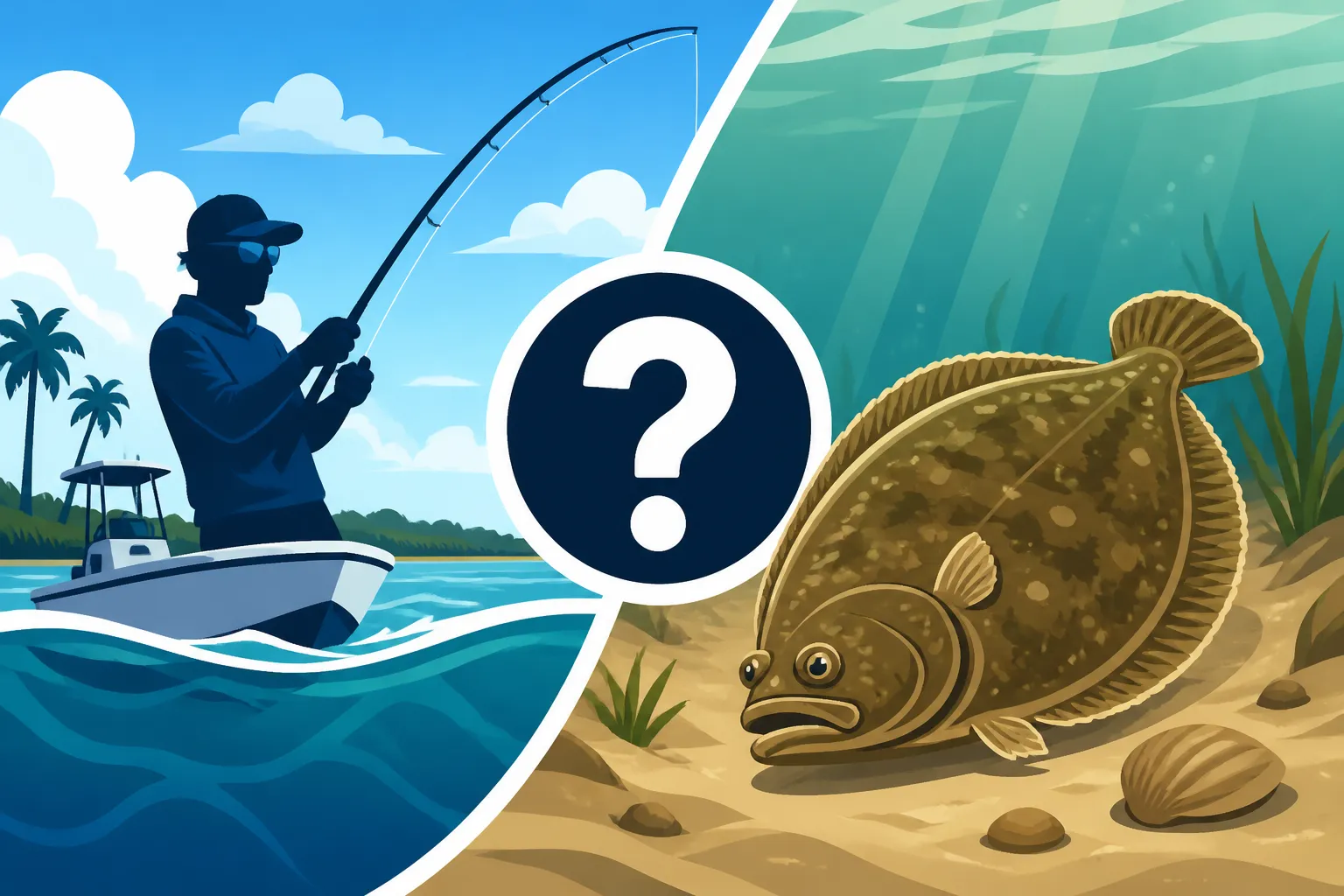
Oh, the age-old question for many anglers heading out on the South Carolina coast: "Is flounder hard to catch?" It’s a completely fair question, and honestly, the answer is a little nuanced. Many folks head out hoping to land one of these delicious bottom-dwellers, only to come back empty-handed or completely baffled by their subtle bites. This guide is here to shed some light on why flounder can seem elusive, and more importantly, how you can stack the odds in your favor to bring home some tasty "doormats" from our beautiful Palmetto State waters.
Understanding the Elusive Nature of Flounder
Let's be real, flounder aren't exactly leaping out of the water to announce their presence. They're masters of camouflage and ambush, which is precisely why they can feel so tricky to track down. It's not that they're inherently "hard" to catch in the sense that they're super strong fighters (though a big one can certainly give you a run for your money!), but rather that their habits and preferred environments make finding and enticing them a unique challenge.
Flounder Behavior and Habitat Preferences
Imagine a fish that lives its life plastered to the bottom, blending in so perfectly that you could practically step on it without knowing. That's your flounder! They're ambush predators, meaning they don't typically chase down their prey over long distances. Instead, they lie in wait, half-buried in sand or mud, until an unsuspecting baitfish or shrimp swims by. Then, in a lightning-fast strike, they engulf their meal. This behavior directly impacts how you need to approach fishing for them.
Their preferred habitats are often the same places that present challenges for anglers. We're talking about sandy bottoms, oyster beds, areas with structure like submerged logs, rock piles, bridge pilings, and the edges of marsh grass. These spots provide them with cover and ideal ambush points. The downside for us? These are also prime locations for snags, which can be incredibly frustrating when you're trying to feel for that subtle flounder bite. Understanding this "hide and seek" strategy is your first step to success. You need to present your bait right in their strike zone, often directly on the bottom, and be prepared to fish in somewhat snaggy areas.
The "Doormat" Challenge: Identifying a Strike
This is where a lot of anglers, especially those new to flounder fishing, often get tripped up. Unlike a redfish that might smash your lure with a powerful tug, or a speckled trout that delivers a distinct "thump," a flounder bite can be incredibly subtle. Sometimes, it feels like nothing more than your line getting heavy, or perhaps a slight tick that feels just like your bait dragging across a shell or small rock. It's often described as a "thump" or a "thump-thump" before the line just feels… different.
Many anglers mistake this for a snag or simply the current moving their bait. The frustration of setting the hook into what you thought was a fish, only to pull up an empty hook, is all too common. This subtle nature means you need to pay incredibly close attention to your line and the feel of your rod. You're not looking for a violent strike, but rather a gentle weight, a small vibration, or any deviation from the natural drift or retrieve of your bait. Patience is key here; you often need to let the flounder "chew" on the bait for a few seconds before setting the hook firmly.
Essential Gear and Techniques for Flounder Success
Once you understand why flounder can seem hard to catch, you can adjust your gear and techniques to make it a whole lot easier. It's less about brute force and more about finesse, sensitivity, and putting your bait where the flounder are. Having the right tools for the job is half the battle.
Rods, Reels, and Lines for Flounder Fishing
To truly feel those subtle flounder bites, sensitive tackle is non-negotiable. Forget the heavy catfish rods or offshore trolling gear; you need something that transmits every little bump and tick. A medium-light to medium action spinning rod, typically in the 6'6" to 7'6" range, is generally ideal. Look for a rod with a fast or extra-fast tip. This means the tip bends easily, giving you that crucial sensitivity, while the backbone of the rod provides enough power to handle a decent-sized flounder and keep it away from structure once hooked.
Pair this with a lightweight spinning reel in the 2500-3000 size class. You don't need a huge line capacity or heavy drag for most inshore flounder, but a smooth drag system is always a plus. For your mainline, braided line is a game-changer for flounder. Its lack of stretch means maximum sensitivity, allowing you to feel even the most timid bites. A 10-15 lb braid is usually sufficient. Since flounder have good eyesight and braid can be visible, always tie on a fluorocarbon leader, typically 15-20 lb test, about 18-36 inches long. Fluorocarbon is nearly invisible in water and more abrasion-resistant, which is great around those snaggy oyster beds. You can find a fantastic selection of fluorocarbon leaders and braided line on Amazon from various reputable brands.
Live Bait vs. Artificial Lures for Flounder
This is a classic debate, but for flounder, both have their place, and often, live bait reigns supreme.
Live Bait
Live bait is often the most effective choice for flounder because it perfectly mimics their natural prey. Flounder are opportunistic, and a struggling live baitfish is often too irresistible to pass up. The natural scent, vibration, and movement of a live bait can draw a flounder out of its camouflage.
- Pros: Highly effective, natural scent, often requires less active angler input once presented correctly.
- Cons: Can be a hassle to catch or buy, requires a livewell or aerated bait bucket, and can be more expensive.
The best live baits for flounder in South Carolina include:
- Mud Minnows (Killifish): These hardy little fish are flounder magnets. They're tough, stay alive well, and flounder absolutely love them.
- Finger Mullet: Small mullet are another top choice, especially in the fall when flounder are feeding heavily.
- Shrimp: While flounder will eat live shrimp, be aware that almost everything else in the marsh will too, so you might get picked clean before a flounder finds it.
If you're looking for a reliable aerated bait bucket for those mud minnows, you'll find plenty of options on Amazon that can keep your bait lively all day long.
Artificial Lures
Don't count out artificial lures entirely! They offer convenience, versatility, and can cover a lot of water quickly. The key is to present them slowly and on the bottom, mimicking an injured baitfish or crustacean.
- Pros: Convenient to store, reusable, no need for a livewell, can cover ground efficiently.
- Cons: Requires more active retrieval, might not always match the effectiveness of live bait.
Popular artificial lures for flounder in South Carolina include:
- Soft Plastics on Jig Heads: Grub tails, paddle tails, and shrimp imitations (like those from Gulp! or Z-Man) in natural colors (chartreuse, white, clear with glitter) are deadly. Rig them on a 1/4 oz to 1/2 oz jig head, depending on current and depth.
- Bucktails: A classic for a reason. Bucktail jigs, often tipped with a piece of cut bait or a soft plastic trailer, are excellent for imitating baitfish and getting down to the bottom.
- Scented Baits: Brands like Gulp! excel here, as their scent can often trigger a strike even if the flounder isn't actively hunting.
Effective Flounder Rigs and Presentations
The way you present your bait makes a huge difference. Because flounder are bottom-dwellers, your rig needs to keep your bait right in their strike zone.
Carolina Rigs
The Carolina Rig is a bread-and-butter setup for flounder fishing, and for good reason. It allows your bait to move naturally along the bottom while keeping your weight separate. To tie one, slide an egg sinker (1/2 oz to 1 oz, depending on current) onto your main line, followed by a bead (to protect the knot). Then tie on a swivel. To the other end of the swivel, tie a 12-24 inch fluorocarbon leader, and finally, a 1/0 to 3/0 circle hook or J-hook. Circle hooks are generally recommended for less gut-hooking and easier releases if you're not keeping the fish.
When fishing a Carolina rig, cast it out and let it sink to the bottom. Slowly drag or bounce it along, feeling for structure and those subtle bites. The weight keeps your bait down, but the leader allows it to flutter enticingly behind.
Jigging
Jigging is another highly effective method, especially with artificial lures or a bucktail tipped with live bait. Cast your jig out and let it sink. Once it hits the bottom, give your rod tip a sharp twitch or two to lift the jig, then let it fall back down on a semi-slack line. Most bites occur on the fall, so watch your line intently for any hesitation or sudden movement. This "hop and drop" motion imitates an injured baitfish or shrimp, which is exactly what a flounder is looking for.
Drifting
When you're trying to cover a lot of ground to find scattered flounder, drifting can be incredibly productive. Whether you're in a boat or even wading, let the current carry your boat or your bait along, keeping your rig on the bottom. This allows you to present your bait to a wider area of potential flounder hiding spots. It's particularly effective in creeks, inlets, and around marsh edges where the current is consistent. Just remember to keep your line taut enough to feel the bottom and those light bites.
Timing and Location: When and Where Flounder are Easiest to Catch
Flounder aren't everywhere all the time. Knowing when and where to fish for them dramatically increases your chances of success. It's all about understanding their seasonal movements and how tides influence their feeding habits.
The Critical Role of Tides and Currents
If there's one golden rule for flounder fishing, it's this: moving water is your friend. Flounder, as ambush predators, rely on currents to bring food to them. Slack tide – when the water isn't moving much – tends to be the slowest for flounder action.
- Incoming Tide: As the tide rises, water flows into the creeks and estuaries, bringing in baitfish and shrimp. Flounder will often position themselves along creek mouths, cuts, and channel edges to intercept this incoming buffet.
- Outgoing Tide: This is often considered the prime time for flounder. As the water recedes from the marsh, it pulls baitfish and shrimp out of the grass and into the channels and deeper pockets. Flounder will lie in wait in these areas, particularly at points, eddies, and drainages, to snatch up anything that gets washed out.
- Best Tide Stages: Generally, the last two hours of the outgoing tide and the first two hours of the incoming tide are the most productive. This is when the current is strong enough to move bait but not so strong that it makes fishing difficult. Pay close attention to current breaks and eddies, which are natural ambush points.
Prime Flounder Hotspots in South Carolina
South Carolina's coast is riddled with prime flounder territory, from its bustling inlets to its serene marsh creeks. You're looking for areas with good current, some form of structure, and a mix of sandy or muddy bottom.
- Inlets and Jetties: These are natural funnels for baitfish and shrimp, and flounder congregate here. Think about places like Murrells Inlet or the jetties at Charleston Harbor. The turbulent water around these structures creates ideal ambush points. You can find excellent Murrells Inlet Inshore Fishing Spots in South Carolina and Charleston Harbor Fishing Spots for South Carolina Anglers that are known for flounder.
- Creek Mouths and Edges: As mentioned with the tides, the mouths of creeks and the deeper edges of marsh grass are excellent places to target. Flounder will sit just outside these areas, waiting for bait to flow past.
- Oyster Beds and Docks: Any structure that offers cover and a place to hide is a potential flounder spot. Oyster beds, though snaggy, are fantastic. Docks, piers, and bridge pilings also provide excellent cover and attract bait. Fish around the pilings and the edges of the shadows they cast.
- Channels and Drop-offs: Flounder often relate to changes in bottom contour. A channel running alongside a flat, or a distinct drop-off, can be a highway for bait and a prime ambush spot for flounder.
If you're wondering Where to Catch Flounder Near Myrtle Beach, many of the local inlets and deeper channels fit the bill perfectly.
Seasonal Patterns for Flounder Fishing
Flounder fishing in South Carolina is definitely seasonal, with distinct peaks.
- Spring (March-May): As water temperatures rise, flounder begin to move out of their deeper, offshore wintering grounds and into the shallower estuaries. They're hungry and actively feeding. This is a great time to target them, especially in creek mouths and along warmer flats.
- Summer (June-August): Peak season! Flounder are abundant in the inshore waters during the warmer months. They'll be spread out across various habitats, from shallow grass flats (during high tide) to deeper channels and around structure. This is when you can expect some of the most consistent action.
- Fall (September-November): Many consider fall to be the absolute best time for flounder. As water temperatures start to drop, flounder begin their "fall migration" out to deeper water for winter. During this time, they feed aggressively, trying to pack on weight. You'll find larger fish and often more concentrated numbers, especially around inlets and deeper channels leading to the ocean.
- Winter (December-February): Flounder are generally much harder to target inshore during winter as most have moved to offshore wrecks and reefs. While you might catch a stray one, it's not the prime time for inshore flounder fishing in South Carolina.
For a more in-depth look at their movements, checking out Flounder Fishing Season in South Carolina can provide even more helpful details.
Overcoming Common Flounder Fishing Challenges
Even with the right gear and knowledge, flounder can still test your patience. It’s those moments of doubt, the subtle taps, and the ever-present threat of snags that define the challenge. But don't despair! With a few adjustments and a bit of perseverance, you can turn those frustrations into fish in the cooler.
Dealing with "Short Bites" and Missed Fish
This is probably the biggest hurdle for flounder anglers. You feel that distinctive "thump" or "weight," you get excited, you swing, and… nothing. This often happens because a flounder will often "mouth" the bait first, or grab it by the tail, before turning it to swallow. If you set the hook too soon, you'll pull it right out of their mouth.
The key here is patience. When you feel that initial tap or weight, resist the urge to immediately set the hook. Instead, drop your rod tip slightly, feed a little slack, and count to "two Mississippi." Then, slowly reel up any slack until you feel the fish's weight again, and then set the hook with a firm, sweeping motion. If using a circle hook, just start reeling slowly until the hook sets itself in the corner of the fish's mouth. This gives the flounder time to fully commit to the bait. It feels counterintuitive at first, but it makes a world of difference.
Navigating Snags and Structure
Flounder love structure, and unfortunately, so do snags. Fishing around oyster beds, rocks, and submerged timber means you're going to lose some tackle. It's an unavoidable part of the game. However, there are ways to minimize the damage.
- Elevate Your Rod Tip: When dragging a Carolina rig or jigging, keep your rod tip fairly high. This helps lift your weight or lure slightly over smaller obstructions.
- Slow and Steady: A slow, controlled retrieve allows you to feel snags before you're fully hung up. If you feel something, try to gently lift over it rather than yanking.
- Weight Selection: Use just enough weight to hold the bottom. Too heavy, and it's more likely to wedge into crevices. Too light, and you lose contact with the bottom.
- "Pop" Your Line: If you feel stuck, don't just pull harder. Try giving your rod a sharp "pop" upwards, then drop it back down. Sometimes this can dislodge your weight or hook.
- Sacrificial Rigs: Some anglers use lighter leader material for the sinker on a Carolina rig. That way, if the sinker gets snagged, only the sinker breaks off, and you save the rest of your rig and fish. You might want to stock up on extra weights and hooks – Amazon is a great place to find bulk tackle components for building your own flounder rigs, saving you a few bucks in the long run.
Understanding and Adhering to Regulations
Finally, a major part of successful (and responsible) flounder fishing in South Carolina is knowing and following the rules. Regulations are in place to help ensure healthy fish populations for years to come. This means understanding:
- Size Limits: There's usually a minimum size limit for flounder you can keep. A fish below this length must be immediately released.
- Bag Limits: There's a limit to how many flounder you can keep per person per day.
- Seasonal Closures: In some cases, there might be seasonal closures or gear restrictions for flounder, or specific rules for certain species like summer flounder.
Always check the latest South Carolina Department of Natural Resources (SCDNR) regulations before you head out. These rules can change, so staying informed is crucial. For the most up-to-date information, it's always best to consult the SCDNR website directly. You can learn more about specific rules in South Carolina Flounder Fishing Regulations Explained.
So, is flounder hard to catch? Not necessarily hard, but they certainly demand a different approach than many other species. They require patience, attention to detail, the right gear, and an understanding of their habits. If you go out expecting a lightning-fast bite every time, you'll probably come away frustrated. But if you embrace the challenge, focus on subtle cues, and fish smart, you'll find that catching these delicious bottom-dwellers is not only achievable but incredibly rewarding.
Here’s a quick overview of what makes flounder fishing easier or harder:
| Factor | Makes Flounder Fishing Easier | Makes Flounder Fishing Harder |
|---|---|---|
| Location | Inlet mouths, creek channels, oyster beds, jetties | Wide open sandy flats with no structure |
| Tide | Strong moving current (last outgoing, first incoming) | Slack tide, extremely fast current |
| Bait/Lure | Live mud minnows, finger mullet, scented soft plastics | Large, fast-moving topwater lures, inert dead bait |
| Technique | Slow retrieve, jigging, dragging Carolina rigs | Fast retrieve, still fishing without bottom contact |
| Patience | High, letting the fish "chew" for several seconds | Low, setting the hook at the first subtle tap |
| Tackle | Sensitive rod, braided line, fluorocarbon leader | Heavy rod, stretchy mono line, dull hooks |
Disclaimer
This article is for general informational purposes only and does not constitute professional advice. Laws, prices and regulations vary by location and change over time. Consult a qualified professional for guidance on your specific situation.