How Big Do Largemouth Bass Get in South Carolina Lakes
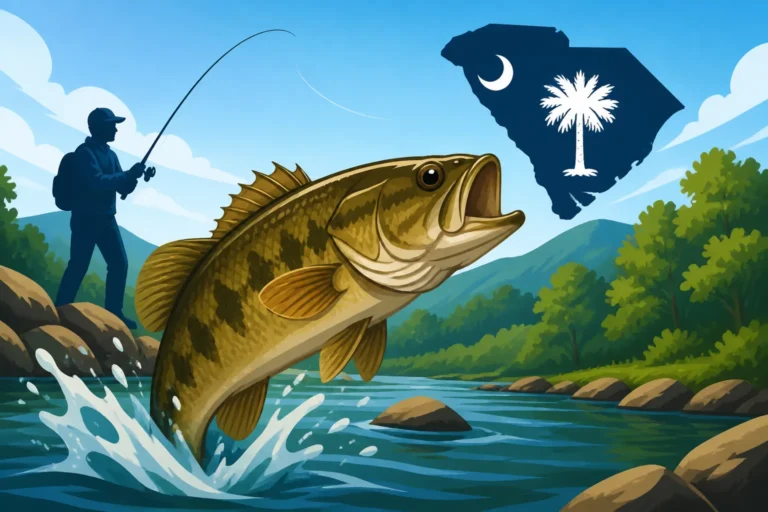
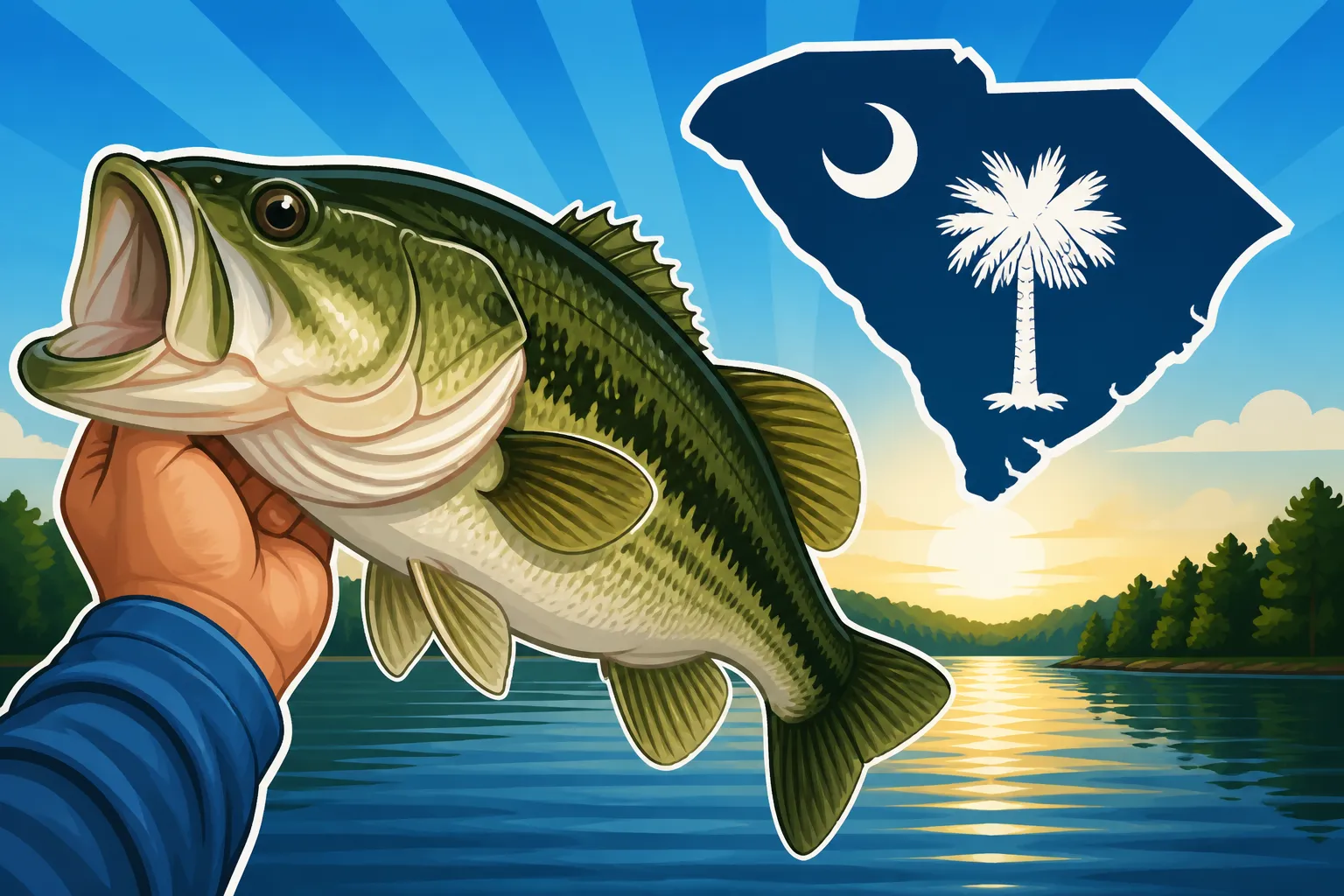
For many of us who love to cast a line in the beautiful waters of South Carolina, there's always that burning question: just how big do those largemouth bass really get? We dream of the lunker, the monster, the kind of fish that makes your reel scream and your heart pound. But understanding what's truly possible, from average catches to state records, can help set realistic expectations and make the pursuit even more rewarding. This guide will explore the fascinating world of largemouth bass growth in South Carolina's lakes, shedding light on the factors that influence their size and what you can expect to encounter on your next fishing adventure.
Understanding Largemouth Bass Growth Potential in South Carolina
South Carolina offers some phenomenal largemouth bass fishing, thanks to its mild climate, abundant water, and diverse ecosystems. While every angler hopes for that once-in-a-lifetime trophy, it's helpful to understand the general growth patterns and the factors that contribute to a bass's size. It's not just about luck; it's a complex interplay of environmental conditions, food sources, and even genetics.
Average Sizes Across Popular Lakes
When you head out to a popular spot like Lake Murray, Lake Hartwell, or the Santee Cooper lakes, what size largemouth bass are you most likely to reel in? Realistically, most of your catches will fall into the 1-to-4-pound range. These are healthy, feisty fish that provide a fantastic fight and are incredibly fun to catch. A 2-pound bass is a common and respectable catch, while a 3-to-4-pounder often elicits a proud photo.
However, South Carolina's lakes are also renowned for producing significantly larger fish. A bass weighing 5 to 8 pounds is considered a really solid catch, often referred to as a "hawg" or a "bucketmouth" among seasoned anglers. These bigger fish are usually older and have had access to excellent forage. If you're consistently catching bass in this size range, you're doing something right! The trick is often finding those areas where the bigger, more established fish hang out, which usually means ample cover and a ready food supply. For more detailed insights into specific lakes, you might find Best Largemouth Bass Spots on Lake Murray, South Carolina or Lake Marion Bass Fishing Spots in South Carolina particularly useful for planning your next trip.
Factors Influencing Largemouth Bass Size
So, what makes a largemouth bass grow from a small fingerling into a potential lunker? Several key factors play a crucial role:
- Forage Abundance: This is arguably the biggest determinant. Lakes rich with baitfish like shad, golden shiners, and threadfin shad, along with a healthy population of panfish like bluegill and crappie, provide a buffet for growing bass. The more high-quality food available, the faster and larger bass can grow.
- Water Quality and Habitat: Clean, well-oxygenated water is essential for fish health and growth. Lakes with diverse habitats—such as submerged timber, hydrilla beds, rocky points, and deep channels—offer bass ample cover for ambushing prey, escaping predators, and finding comfortable temperatures. These complex environments allow bass to thrive.
- Water Temperature and Growing Season: South Carolina's relatively warm climate means a longer growing season for bass compared to colder regions. Warm water boosts their metabolism, allowing them to feed and grow for more months out of the year. Consistent warmth, without extreme cold snaps, contributes significantly to their overall size.
- Genetics: While environmental factors are huge, genetics also play a role. Some bass strains simply have the genetic predisposition to grow larger than others. Fish hatcheries often stock lakes with strains known for their robust growth.
- Fishing Pressure: Heavily fished areas can sometimes lead to smaller average sizes if larger fish are consistently harvested. However, responsible catch-and-release practices, especially for larger breeding fish, help maintain a healthy population of big bass.
Understanding these factors can help you appreciate the nuances of bass fishing and guide your choices in tackle and location. For instance, knowing what kind of baitfish are prevalent can help you select the best lures, which you can easily find on platforms like Amazon.
Chasing Trophy Largemouth: South Carolina's Giants
The dream of every bass angler is to catch a true trophy fish, one that pushes the double-digit mark. South Carolina's waters hold these giants, but catching them requires patience, skill, and often a bit of luck. It's a quest that many dedicate years to, and the reward is truly unforgettable.
The Allure of Double-Digit Bass
A largemouth bass weighing 10 pounds or more is a truly exceptional fish in South Carolina. These aren't your everyday catches; they are the seasoned veterans of the lake, often wise to traditional angling tactics. Double-digit bass are typically much older, some living for a decade or more, having survived numerous challenges and grown to impressive sizes by consistently finding and consuming large amounts of forage. Their bodies are deep and thick, their jaws capable of engulfing substantial prey.
The pursuit of these giant bass becomes a passion for many. It often involves specialized techniques, fishing during specific times of the year or day, and targeting very particular kinds of structure. Anglers may spend countless hours scouting locations, studying maps, and experimenting with different baits, knowing that one bite could be the fish of a lifetime. If you're serious about this pursuit, our guide on South Carolina Largemouth Bass Record Chasers Guide offers fantastic starting points.
South Carolina's State Record and Near-Records
South Carolina has a rich history of producing truly massive largemouth bass. While I can't provide the exact current record or specific dates, the state record for largemouth bass stands as a testament to the incredible potential of our waters. This fish was a leviathan, a true testament to optimal conditions, abundant food, and a long, healthy life. Such fish become legendary, inspiring generations of anglers to cast their lines with renewed hope.
These record-setting bass don't just happen by chance. They are usually found in lakes that offer ideal growing conditions: vast expanses of water, stable forage bases, and diverse underwater structures where they can hide and ambush prey. Lakes like Santee Cooper are famous for their consistent production of massive bass, often yielding fish in the 8-to-12-pound range, with the occasional monster pushing even higher. Anglers targeting these giants often use heavier gear, larger swimbaits, or substantial live baits, prepared for a battle. Keeping a reliable measuring tape and scale, like those readily available on Amazon, is crucial for documenting these potential record breakers.
Practical Expectations and How Anglers Can Influence Their Catch
While the dream of catching a state-record largemouth is thrilling, it's also important to have realistic expectations for your average fishing trip. Understanding what you're most likely to encounter and how you can tweak your approach to improve your odds for larger fish can make your time on the water more successful and enjoyable.
What Most Anglers Will Encounter
Let's be real: most of us aren't going to break the state record every time we go fishing. The vast majority of largemouth bass caught in South Carolina lakes will be in the 1 to 5-pound range. And honestly, that's still fantastic! These fish are incredibly fun to catch, put up a strong fight, and are readily available in almost any suitable freshwater body across the state. They're what make bass fishing such an accessible and exciting sport for anglers of all skill levels.
Catching these "average" sized bass consistently is a great achievement in itself. It means you're understanding patterns, selecting appropriate lures, and presenting them effectively. It’s also often a good indicator of a healthy bass population in the area, which is vital for the long-term enjoyment of our sport. These fish might not be headlines, but they certainly create lasting memories, especially when shared with family or friends.
Tactics for Targeting Larger Bass
If your goal is to consistently increase your chances of hooking into those bigger bass, you'll need to adjust your strategy. It’s a different game than simply catching numbers of smaller fish. Here are some tactics that can make a difference:
- Fish Larger Baits: Bigger bass eat bigger meals. Don't be afraid to throw larger swimbaits, crankbaits, jigs, or even bigger live baits like large shiners or bluegill. This often discourages smaller bass and targets the truly hungry lunkers.
- Target Specific Structures: Larger bass are often found on deeper, more isolated structures. Look for submerged timber, deep ledges, offshore humps, or the edges of dense hydrilla beds. These areas offer cover, ambush points, and often hold schools of baitfish. Our guide on How to Fish Deep Structure for Bass in Summer can offer some excellent advice here.
- Fish During Low-Pressure Times: Big bass can be incredibly wary. Fishing early morning, late evening, or even at night (especially for the truly big ones) can be highly effective when fishing pressure is low. Overcast days or before a major weather front can also trigger a feeding frenzy.
- Slow Down Your Presentation: Sometimes, big bass want a slow, methodical presentation. Let your jig sit longer, retrieve your worm slower, or work a topwater bait with long pauses. Patience often pays off.
- Go Where the Big Ones Are Known: Research lakes and areas known for producing larger bass. While not a guarantee, concentrating your efforts on proven waters, like certain coves in Lake Hartwell, can increase your odds.
- Upgrade Your Gear: While not strictly necessary, having appropriate gear can help. A medium-heavy to heavy action rod, matched with a reel spooled with strong line, gives you the power to wrestle a big bass out of heavy cover. You can find a wide array of reliable fishing gear on Amazon to suit your needs.
Remember, every giant bass was once a smaller one. Practicing responsible catch-and-release, especially for the largest fish, helps ensure healthy populations and future trophy opportunities for everyone.
Where the Biggest Bass Live: Key South Carolina Lakes
When we talk about the potential for truly massive largemouth bass in South Carolina, a few names consistently rise to the top. These aren't just good fishing spots; they are legendary waters that have produced some of the state's most impressive catches time and again.
Santee Cooper Lakes Marion and Moultrie
The Santee Cooper Lakes, comprised of Lake Marion and Lake Moultrie, are arguably the most famous bass fishing destinations in South Carolina, and for very good reason. This vast, interconnected system is a paradise for largemouth bass, known globally for producing trophy fish with remarkable consistency. These lakes offer an unparalleled combination of factors that contribute to massive bass growth:
- Expansive Habitat: With tens of thousands of acres of water, extensive shallow cypress swamps, submerged timber, hydrilla beds, and deep open water, Santee Cooper provides an incredibly diverse habitat for bass at every stage of their life cycle. This variety ensures there's always a place for bass to hide, hunt, and spawn.
- Abundant Forage: The lakes are teeming with an incredible array of baitfish, primarily gizzard shad and threadfin shad, along with robust populations of bream and crappie. This constant, rich food source allows bass to grow quickly and reach enormous sizes. You can almost feel the energy in the water when you're fishing these legendary bodies of water, knowing the next bite could be a giant.
- Long Growing Season: South Carolina's climate ensures a prolonged feeding and growing season for bass in Santee Cooper, maximizing their potential to pack on pounds. The health and vitality of the ecosystem here are a huge draw for anglers. If you're looking for a detailed overview, Santee Cooper Lakes: South Carolina's Legendary Bass Fishery is a must-read.
Anglers targeting Santee Cooper will find a myriad of techniques effective, from flipping jigs into cypress knees to slow-rolling crankbaits along deep ledges. The sheer volume of big fish caught here makes it a prime destination for anyone serious about landing a lunker.
Lake Murray and Lake Hartwell
While Santee Cooper often steals the spotlight, Lake Murray and Lake Hartwell are also phenomenal fisheries with a proven track record of producing impressive largemouth bass. These lakes offer different characteristics but share the ability to grow big, healthy fish.
Lake Murray, often called the "Jewel of South Carolina," is a large, clear-water reservoir known for its robust populations of both largemouth and striped bass. What makes Murray a big bass producer?
- Diverse Structure: Murray boasts a variety of depths, from shallow coves to deep main lake points, rocky humps, and standing timber in some areas. This diverse structure provides excellent ambush points and foraging grounds for bass.
- Excellent Forage Base: Like Santee Cooper, Lake Murray has a healthy population of baitfish, especially blueback herring, which are a protein-rich food source that helps bass pack on the weight. Lake Murray Fishing Guide for South Carolina Anglers provides a fantastic overview of this remarkable lake.
- Tournament Popularity: Its reputation draws serious anglers, and its consistent production of quality fish makes it a staple on many tournament circuits. This constant pressure, paradoxically, means that the remaining big fish are often even warier and more challenging to catch, adding to the allure.
Lake Hartwell, situated on the border with Georgia, is another massive reservoir that offers exceptional bass fishing. Hartwell is characterized by its deep, clear waters and extensive shoreline.
- Varied Topography: Hartwell's underwater landscape includes a mix of rocky banks, bluff walls, numerous creek arms, and submerged timber. This varied terrain allows bass to spread out and find optimal conditions throughout the year.
- Healthy Ecosystem: The lake supports a strong forage base, contributing to the growth of hefty largemouth bass. Its clear waters also allow for sight fishing in certain conditions, adding an exciting dimension to the pursuit of big fish. For more detailed information on fishing this lake, be sure to check out Lake Hartwell Fishing Spots on the South Carolina-Georgia Border.
- Community Support: The surrounding communities are very angler-friendly, with numerous ramps, marinas, and tackle shops (many of which stock items you might also find on Amazon) that cater to bass fishermen. This infrastructure makes it easy for anglers to access and enjoy the lake.
Each of these lakes presents unique challenges and rewards, but they all share the potential to deliver the kind of largemouth bass dreams are made of.
Comparing Key Factors for Largemouth Bass Growth
To put it all into perspective, here's a quick look at the major factors that contribute to how big largemouth bass get in South Carolina lakes:
| Factor | Description | Impact on Bass Size | Angler Consideration |
|---|---|---|---|
| Forage Availability | Abundance of baitfish (shad, herring, bream, crappie) | Directly correlated; rich diet leads to faster, larger growth | Fish areas with known baitfish concentrations; match lure size to prey |
| Water Temperature | South Carolina's mild climate extends feeding/growing seasons | Optimal temps (60-80°F) boost metabolism and growth | Target seasonal patterns; seek thermoclines in summer |
| Habitat Structure | Submerged timber, hydrilla, rock piles, ledges, cypress knees | Provides cover, ambush points, and spawning grounds | Focus efforts on areas with complex underwater features |
| Water Quality | Oxygen levels, clarity, nutrient balance | Crucial for overall fish health and vitality | Choose healthy, well-managed lakes; support conservation |
| Genetics | Inherent potential for growth (some strains grow larger) | Sets the ceiling for individual fish size | Some lakes are stocked with fast-growing strains |
| Age | Older bass have had more time to grow | Larger bass are typically older and wiser | Practice catch-and-release, especially on larger fish |
Ultimately, while the average largemouth bass you catch in South Carolina might be a modest 1-5 pounds, the potential for truly enormous, double-digit fish is very real. With the right knowledge, persistent effort, and a bit of good fortune, you too could land the kind of lunker that keeps you coming back to the waters of the Palmetto State, reel screaming and heart pounding, for years to come.
Disclaimer
This article is for general informational purposes only and does not constitute professional advice. Laws, prices and regulations vary by location and change over time. Consult a qualified professional for guidance on your specific situation.