Choosing Between Inshore and Offshore Trips in South Carolina
One of the biggest head-scratchers when you're planning a fishing trip to the beautiful South Carolina coast is figuring out whether an inshore or offshore adventure is right for you. It's a common dilemma, and honestly, there's no single "best" answer because it all depends on what kind of experience you're truly hoping for. This guide is here to walk you through the distinct differences between these two fantastic fishing realms, helping you weigh the pros and cons so you can cast your line in the perfect waters for your next Palmetto State outing.
Understanding Inshore Fishing Trips in South Carolina
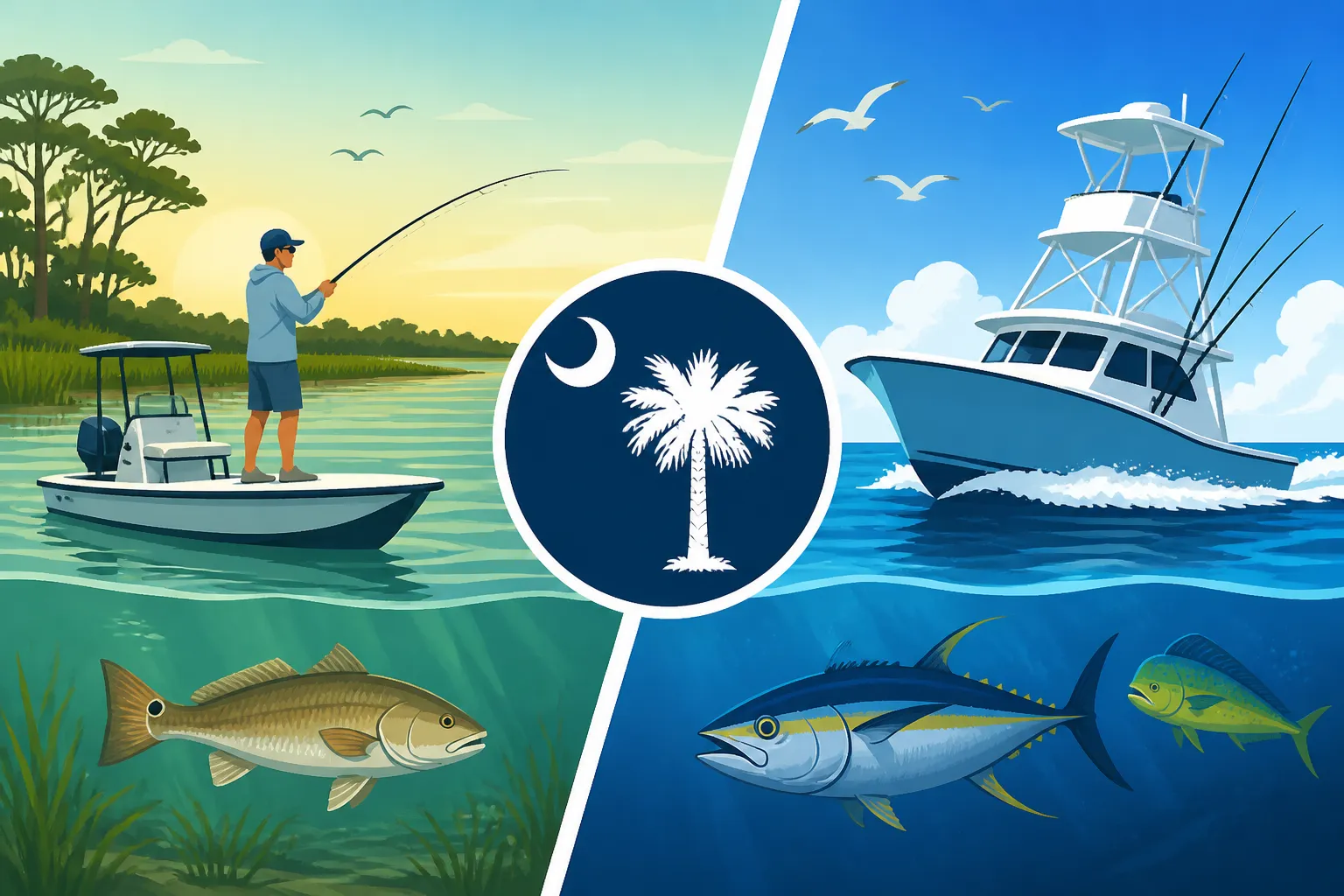
Inshore fishing in South Carolina is all about exploring the intricate network of marsh creeks, tidal rivers, estuaries, and shallow bays that hug our coastline. It's a world away from the deep blue, offering a completely different kind of angling experience that many, myself included, find incredibly captivating.
The Allure of the Lowcountry Backwaters
There's something truly special about navigating the calm, winding backwaters of the Lowcountry. Imagine gliding through glassy water, the rustle of spartina grass against the boat, and the calls of seabirds echoing across the marsh. It’s an immersive experience that connects you deeply with the unique coastal ecosystem. The scenery alone is often worth the trip, with stunning sunrises and sunsets painting the sky over ancient live oaks draped in Spanish moss and teeming wildlife at every turn. You're never far from land, which can be a huge comfort for those who are new to boating or prone to seasickness. The waters are generally much calmer than the open ocean, making for a more comfortable ride and a less intimidating environment, especially for families with younger anglers or those who prefer a gentler pace.
Beyond the aesthetics, the appeal of inshore fishing lies in the intimacy of the pursuit. You're often sight-fishing in clear, shallow water, actively hunting for visible signs of fish. This requires a keen eye and a stealthy approach, making the catch feel incredibly earned. It's less about speed and brute force, and more about finesse, patience, and understanding the tides and the habits of the local species. Many anglers find this detective work far more engaging than simply dropping a line into the abyss offshore.
Typical Inshore Target Species and Techniques
When you venture into South Carolina's inshore waters, you're primarily chasing what we call the "Lowcountry Grand Slam": Redfish (also known as Red Drum), Spotted Seatrout (or Speckled Trout), and Flounder. These are the mainstays, but you can also encounter Sheepshead, Black Drum, and various smaller panfish depending on the season and location. Each of these species offers a unique challenge and flavor profile, making for a diverse angling experience.
For Redfish, known for their powerful runs and bronze scales, anglers often use live bait like shrimp or mud minnows, artificial lures such as soft plastics on jig heads, or even topwater plugs during certain times of the year. Sight-fishing for "tailing" Redfish in shallow grass flats at high tide is a thrilling technique that requires precision casting. It's important to be mindful of the South Carolina Redfish Slot Limit Rules to ensure you're keeping legal fish. Spotted Seatrout are often found in deeper pockets along oyster beds and creek mouths. They readily strike soft plastics, artificial shrimp, and suspending twitch baits. For detailed regulations on these beautiful fish, check out the Spotted Seatrout Size and Bag Limits in South Carolina. Flounder, masters of camouflage, are usually caught by slowly dragging live bait or scented artificials along the bottom. Their ambush predator nature means you often feel a subtle "thump" before a solid hookup. These different species require adaptable techniques, keeping you on your toes and making every cast an exciting possibility.
What to Expect from an Inshore Charter
Booking an inshore charter in South Carolina means you'll typically be on a smaller, more maneuverable boat, often a bay boat or center console in the 18-24 foot range. These boats are designed for navigating shallow waters and tight creeks, offering a more intimate experience with your captain and crew. You won't be speeding miles offshore, so the ride out to the fishing grounds is usually much shorter and smoother, often just a few minutes from the dock.
Most inshore charters offer half-day trips, typically 4-5 hours, which is perfect for beginners, families, or anyone who wants a solid fishing experience without committing to a full day on the water. Some charters might offer 6-hour options for a bit more fishing time. The fishing itself tends to be more active, with frequent casting and moving between spots. Your captain will often pole the boat or use a trolling motor to quietly approach productive areas, guiding you on where to cast and what techniques to use. It’s a very hands-on style of fishing that provides plenty of opportunity for one-on-one instruction and personalized advice. If you're looking for a relaxing, scenic trip with plenty of action on light tackle, an inshore charter, especially those found in places like Inshore Fishing Charters near Hilton Head, South Carolina, is an excellent choice.
Diving into Offshore Fishing Adventures in South Carolina
Offshore fishing, by contrast, takes you out into the vast expanse of the Atlantic Ocean, far from the sight of land. This is where the true deep-sea giants roam, and the experience is one of raw power, epic battles, and the thrill of the unknown.
The Call of the Open Ocean
For many anglers, the allure of offshore fishing is undeniable. It's the challenge of the open sea, the excitement of chasing truly massive fish, and the feeling of being miles away from civilization, surrounded only by the boundless ocean. The air smells different out there – briny and fresh – and the horizon stretches endlessly, meeting the sky in an unbroken line. It's an adventure that speaks to the deeper, more primal part of a fisherman's soul, a quest for something grander.
However, it’s important to acknowledge that the open ocean can be less forgiving. The ride out can be bumpy, especially on windy days, so if you're prone to motion sickness, this might be a significant factor. But for those who embrace the elements, the rewards can be immense. The deep blue waters hold a mystique, a promise of encounters with powerful predators that test your strength and skill. There's a camaraderie that often develops on offshore trips, as everyone works together to land a big fish, cheering each other on through the fight. It's not just a fishing trip; it's an expedition.
Popular Offshore Species and Deep-Sea Tactics
When you venture offshore from South Carolina, you enter a whole new world of fish species. Depending on how far out you go and the time of year, you might target pelagic species like Mahi-Mahi (Dolphin), Tuna (Yellowfin, Blackfin), Wahoo, and Sailfish, often found near offshore structures or temperature breaks. Closer to shore, but still in open water, you'll find bottom dwellers such as various Snapper and Grouper species, Amberjack, and King Mackerel. Each of these species offers a tremendous fight and often makes for excellent table fare.
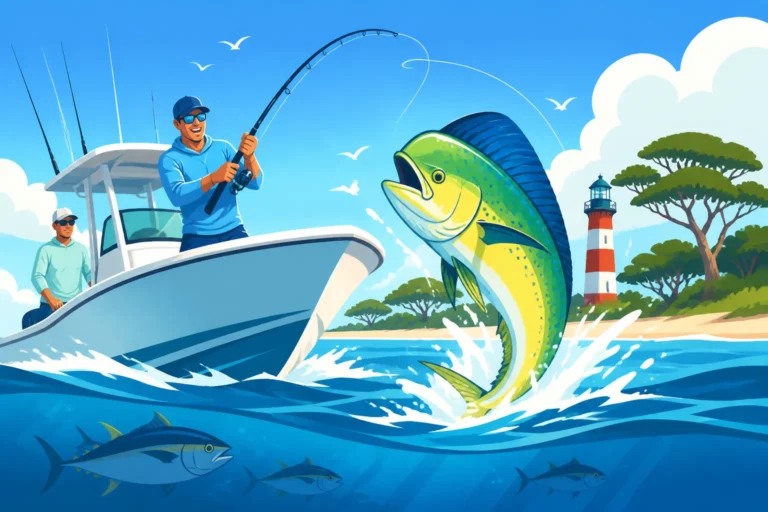
The techniques used offshore are generally more robust than inshore. Trolling is a common method for pelagic species, where multiple lines with artificial lures or rigged baits are pulled behind the boat at varying speeds. This covers a lot of water and can entice aggressive predators. When targeting bottom fish like Snapper or Grouper, anglers use heavy tackle with natural baits, dropping them straight down to the depths. This can involve electric reels for very deep drops, or heavy conventional gear for a true arm-burning workout. Fighting a powerful Wahoo or a determined Grouper from the deep is a true test of strength and endurance, requiring specialized gear and a good understanding of how these fish behave. If you're dreaming of an epic battle with a Mahi-Mahi, learning about Mahi-Mahi Charter Fishing Trips in South Carolina is a great first step.
The Offshore Charter Experience
Offshore charters typically operate on larger, more substantial boats, often in the 30-60 foot range, designed to handle the open ocean swells and carry more fuel and gear for longer trips. These vessels are equipped with powerful engines, advanced navigation and fish-finding electronics, and often amenities like a head (restroom) and sometimes even air-conditioned cabins, especially on full-day or extended trips.
Due to the distance to the fishing grounds, offshore trips are generally longer than inshore outings. A half-day offshore trip usually runs 5-6 hours, while full-day excursions can last 8-12 hours, sometimes even longer for specialized trips like Swordfishing. The journey to the fishing grounds can take a significant portion of that time, often an hour or more each way. Once you're there, the fishing can be intense, with multiple hookups at once, or it can involve periods of waiting, especially when trolling. The captain and crew play a crucial role, setting up lines, spotting fish, and helping anglers land their catches. For those ready to venture out into the Atlantic, researching Offshore Fishing Charters near Hilton Head, South Carolina can help you find the right experience.
Key Factors to Consider When Choosing Your Trip
Deciding between an inshore and offshore fishing trip isn't just about what kinds of fish you want to catch. It's a holistic decision that involves your personal preferences, who you're fishing with, and what you want to get out of the entire experience. Taking a moment to really think about these factors can make all the difference in ensuring a memorable day on the water.
Your Angling Experience and Comfort Level
This is perhaps one of the most crucial considerations. If you're a seasoned angler who lives for the thrill of a heavy fight and doesn't mind a long boat ride, offshore might be calling your name. You're likely prepared for the possibility of rougher seas and understand that landing a trophy fish in deep water can be a serious workout. You might already have a good sea legs and aren't concerned about motion sickness. Offshore trips often require more patience during travel times and can involve more complex gear.
However, if you're relatively new to fishing, or if you prefer a more relaxed environment, inshore fishing offers a fantastic entry point. The calmer waters reduce the chance of seasickness, and the proximity to land can be reassuring. The tackle used is generally lighter, and the techniques are often easier to pick up for beginners. Even experienced anglers often enjoy inshore for the finesse involved and the constant action it can provide. There's less time spent traveling and more time spent actively casting and retrieving, which can keep engagement levels high.
Group Size, Age, and Family Dynamics
The makeup of your fishing party heavily influences the best choice. If you're planning a trip with young children or elderly family members, inshore fishing is almost always the more comfortable and enjoyable option. The shorter travel times, calmer waters, and often more frequent bites of smaller fish tend to keep kids engaged and prevent boredom or discomfort. Many inshore captains specialize in catering to families, making the experience accessible and fun for all ages. Family-Friendly Fishing Charters in South Carolina are plentiful in the inshore realm.
For a group of experienced adult anglers, an offshore trip can be an incredible bonding experience, a shared challenge to tackle big fish far from shore. The larger boats also accommodate more people comfortably, allowing for a group outing where everyone has space. If you're looking for a serious angling challenge with friends, an offshore excursion can provide that epic story. But if you have anyone in your group who might struggle with long boat rides, intense sun, or potential seasickness, those factors need to be weighed heavily.
Desired Catch and Fishing Goals
Are you dreaming of a monster Tuna, a vibrant Mahi-Mahi, or a record-setting Wahoo? Then offshore is your only real option. These pelagic species simply don't inhabit the shallow inshore waters. If your goal is to tangle with a powerful deep-sea creature that will test your tackle and your stamina, you'll need to head for the blue water.
Conversely, if you're set on catching a Lowcountry Redfish, a speckled trout, or a flounder, inshore is where you'll find them. These species thrive in the estuarine environments, feeding on shrimp, crabs, and baitfish in the marshes. If your ideal day involves sight-fishing in skinny water, or soaking a bait for bottom-dwelling species near oyster beds, then an inshore trip is perfectly aligned with those goals. It's vital to research what species are in season and where they're typically found before making your final decision.
Time and Budget Considerations
Generally speaking, offshore trips tend to be more expensive than inshore trips, primarily due to the increased fuel costs, the larger size of the vessels, and the longer duration of the excursions. An 8-hour offshore trip will almost always cost more than a 4-hour inshore trip. This is a significant factor for many people planning their adventure. You can find detailed breakdowns of various trip types and their associated costs by looking into South Carolina Charter Fishing Costs and Trip Types.
When comparing, consider the value proposition. While an offshore trip might have a higher upfront cost, it offers access to entirely different species and a distinct kind of adventure. However, if your budget is tighter, or your time is limited, an inshore trip offers excellent value. A 4-hour inshore trip can deliver plenty of action and a memorable experience without the higher price tag or the full-day commitment. Many charter operators offer both Half-Day vs Full-Day Fishing Charters in South Carolina, allowing for flexibility. When you're browsing options on platforms like FishingBooker, you can easily filter by trip length and type, making it simpler to compare prices and ensure you find a trip that fits both your wallet and your schedule. Always check what’s included in the price, such as bait, tackle, and licenses, as this can affect the overall cost.
Gear, Preparation, and What to Bring
No matter if you choose to battle the waves offshore or navigate the serene creeks inshore, being properly prepared is key to a comfortable and successful fishing trip. While charters typically supply the main fishing equipment, knowing what personal items to bring will greatly enhance your experience.
Essential Gear and Tackle Differences
One of the beauties of booking a fishing charter is that the captain and crew will almost always provide all the necessary fishing gear and tackle. You won't need to worry about bringing your own rods, reels, or bait. However, it's worth understanding the difference in the gear used.
For inshore fishing, you'll typically be using lighter spinning rods and reels, loaded with braided line and fluorocarbon leaders. This light tackle makes the fight with a Redfish or Trout incredibly exciting and gives you a good feel for the subtle bites. The lures and baits are generally smaller, matching the prey found in the marshes. Offshore, the gear scales up significantly. You'll often be using heavier conventional rods and reels, designed to handle larger, more powerful fish and deeper depths. The lines are heavier, the hooks are larger, and the baits or lures are often much more substantial. Fighting a Mahi-Mahi or a Grouper on offshore gear is a serious test of strength, and the equipment is built to withstand that kind of pressure. Your captain will ensure you have the right setup for the target species and conditions, whether you're shallow-water casting or deep-dropping.
Clothing, Sun Protection, and Comfort
The South Carolina sun can be intense, especially on the water, regardless of whether you're inshore or offshore. Always prioritize sun protection. Start with a wide-brimmed hat, polarized sunglasses (essential for spotting fish, especially inshore), and liberal application of high-SPF sunscreen. Long-sleeved, lightweight, quick-drying shirts and pants are highly recommended, as they offer excellent protection from UV rays and keep you cool. Many anglers opt for clothing specifically designed for fishing that offers UPF (Ultraviolet Protection Factor) ratings.
Layers are always a good idea, especially during cooler months or if you're heading out for an early morning trip. The air can be quite chilly before the sun fully rises, even on warm days. Offshore, the wind can feel much stronger and colder than on land, so a lightweight jacket or windbreaker can be a lifesaver. Footwear should be comfortable, non-slip, and preferably closed-toe to protect your feet from hooks, fish, and other deck hazards. Avoid dark-soled shoes, as they can leave marks on the boat.
Food, Drinks, and Other Essentials
Even if your charter offers some beverages, it’s always a good idea to bring plenty of your own water and non-alcoholic drinks to stay hydrated. Long days on the water, especially in the sun, can lead to dehydration quickly. Pack snacks or a light lunch, particularly for longer trips, as fishing can really work up an appetite. Think about easy-to-eat items that don't require utensils or a lot of fuss.
For offshore trips, or if you're prone to motion sickness, bring your preferred anti-nausea medication. Take it well before you board the boat, as it's often too late once symptoms set in. A small bag for any personal items, like a phone, camera, or wallet, is also useful. Remember to bring a cooler to take your catch home (cleaned and filleted by the crew, of course!). You can usually leave this in your car until the end of the trip.
Booking Your South Carolina Fishing Adventure
The final step is turning your decision into a concrete plan. Booking a charter can seem daunting if it's your first time, but with a little guidance, you can find the perfect guide and secure an unforgettable fishing trip in South Carolina.
Finding Reputable Charters and Guides
The best way to ensure a great fishing experience is to choose a reputable captain and charter. Start by looking for guides who specialize in the type of fishing you want to do – inshore or offshore. Read reviews from previous clients to get a sense of their professionalism, fishing expertise, and how they interact with different groups (e.g., families, experienced anglers). Word-of-mouth recommendations from local tackle shops or fellow anglers are also invaluable.
Online platforms like FishingBooker are excellent resources for finding and comparing charters in South Carolina. They allow you to browse multiple captains, view their boats, read detailed descriptions of their trips, see real-time availability, and compare prices all in one place. This makes it easy to find a guide near popular coastal hubs like Charleston, Hilton Head, or Myrtle Beach. You can filter by species, trip length, and even amenities, streamlining the selection process significantly. Once you've narrowed down your choices, don't hesitate to reach out directly to the captain with any specific questions you might have.
What Questions to Ask Before Booking
Before you finalize your booking, asking a few key questions can clear up any uncertainties and ensure you're fully prepared. First, clarify what is What's Included in a South Carolina Charter Fishing Trip. Does the price cover bait, tackle, and ice? Is the fishing license handled by the charter, or do you need to purchase your own? Most reputable charters will provide the necessary South Carolina Charter Fishing Licenses and Gear Included, but it's always good to confirm.
Also, ask about the boat's amenities, especially for longer offshore trips. Is there a restroom? Is there shade? What is their policy on inclement weather cancellations, and how far in advance do they typically make that call? Understanding their cancellation policy is crucial. You might also want to inquire about their policy for cleaning and filleting your catch – most captains will do this for you right at the dock, but it's good to confirm.
Maximizing Your Charter Experience
Once you've booked your trip, there are a few things you can do to ensure you have the best possible time. First and foremost, listen to your captain and mate. They are experts in their field and know the local waters, fish behavior, and how to operate the boat safely. Their advice on casting, retrieving, or fighting a fish is invaluable.
Be on time for your trip. Captains often plan their trips around tides and prime feeding windows, so a delay can impact your fishing success. Pack appropriately, as discussed earlier, and don't forget your camera to capture those memorable moments. Finally, consider the gratuity for your captain and mate. Tipping is customary in the charter fishing industry, much like in restaurants. A good rule of thumb is 15-20% of the trip cost for excellent service. Understanding Tipping Your South Carolina Fishing Guide beforehand ensures you're prepared and can show your appreciation for their hard work and expertise in making your trip a success.
| Feature | Inshore Fishing | Offshore Fishing |
|---|---|---|
| Water Type | Calm, shallow marsh creeks, rivers, estuaries | Open ocean, deeper waters |
| Primary Target Fish | Redfish, Spotted Seatrout, Flounder, Sheepshead | Mahi-Mahi, Tuna, Wahoo, Snapper, Grouper, King Mackerel |
| Boat Size | Smaller bay boats (18-24 ft) | Larger center consoles or sportfishers (30-60 ft+) |
| Typical Trip Length | 4-5 hours (half-day) | 5-12 hours (half-day to full-day+) |
| Travel Time to Spots | Short (minutes) | Longer (1-2+ hours each way) |
| Angler Experience | Great for beginners, families, all ages | More suited for experienced anglers, or adventurous beginners |
| Sea Sickness Risk | Low | Moderate to High |
| Cost | Generally lower | Generally higher |
| Scenery | Marshes, estuaries, coastal islands | Open ocean, distant horizon |
| Fishing Style | Active casting, sight-fishing, light tackle | Trolling, deep-dropping, heavy tackle |
Disclaimer
This article is for general informational purposes only and does not constitute professional advice. Laws, prices and regulations vary by location and change over time. Consult a qualified professional for guidance on your specific situation.