How to Book a Charleston Fishing Charter
Oh, the dream of fishing in Charleston! It’s a vision many of us hold dear – the salty air, the historic skyline fading into the distance, and the promise of a memorable catch. But let's be real, turning that dream into a reality, especially when you’re trying to navigate the myriad of charter options, can feel a bit overwhelming, right? You're wondering where to start, who to trust, and what exactly you’re signing up for. This guide is here to untangle all of that for you, providing a straightforward, comprehensive walkthrough on how to confidently book your perfect Charleston fishing charter, ensuring your Lowcountry adventure is nothing short of spectacular.
Why Consider a Charleston Fishing Charter?
There’s something truly magical about Charleston, and it extends far beyond the cobblestone streets and gas-lit alleys right into its vibrant coastal waters. For anglers, both seasoned and novice, casting a line here offers a unique blend of natural beauty, rich history, and incredible fishing opportunities. But why opt for a charter when you could just fish from a pier or shore? Well, let me tell you, it makes all the difference in the world.
The Undeniable Appeal of Charleston's Waters
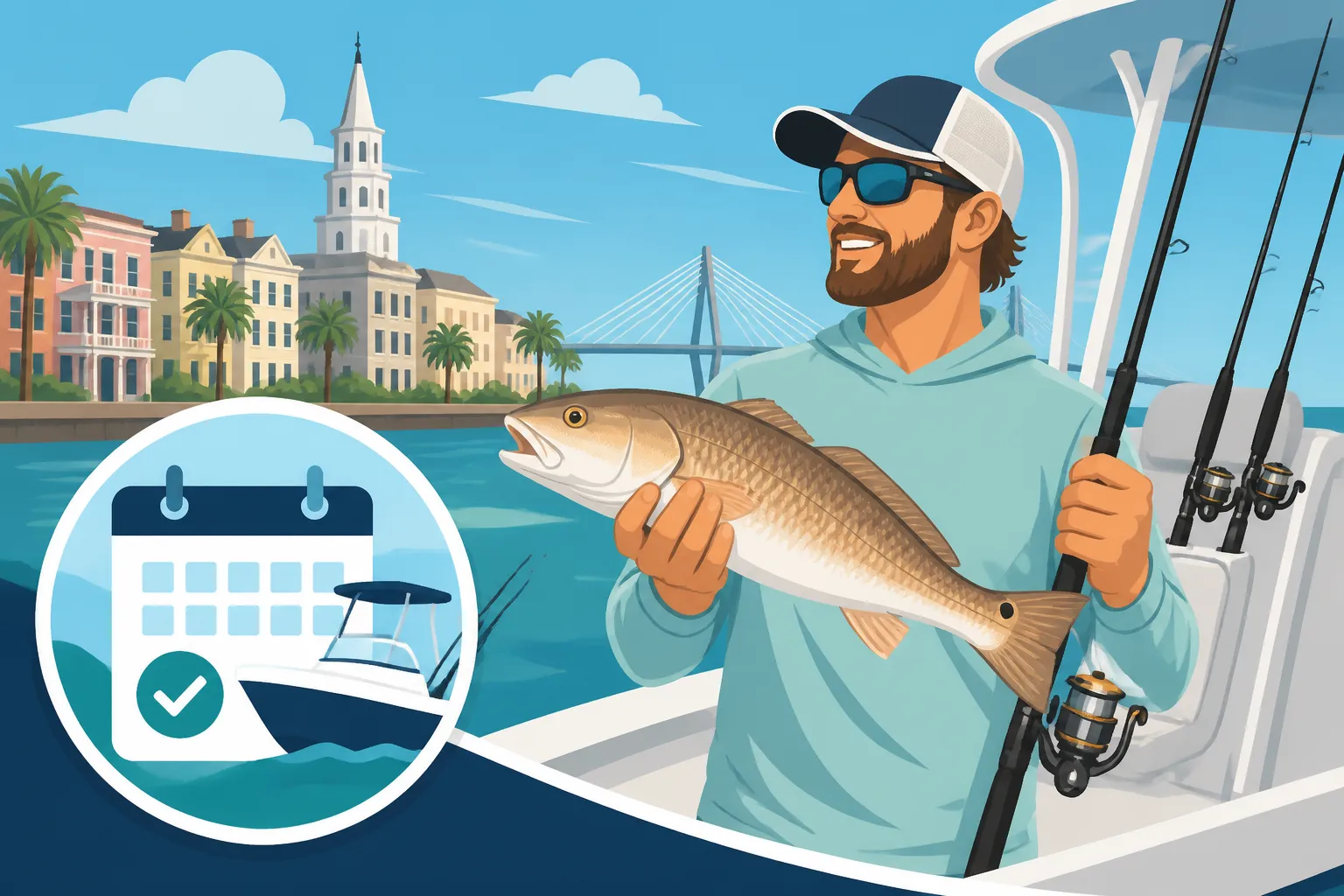
Charleston's diverse ecosystem is truly a gem for fishing. You’ve got everything from serene tidal creeks winding through Spartina grass, teeming with redfish and speckled trout, to the vast expanses of the Atlantic Ocean, where bigger game awaits. This isn't just about catching fish; it's about immersing yourself in a landscape that's been shaped by centuries of maritime culture. Imagine reeling in a feisty redfish with the iconic Ravenel Bridge in the background, or watching dolphins play in the wake of your boat as you head to a prime fishing spot.
The sheer variety of species available throughout the year is astounding. Whether you're chasing the explosive bite of a bull redfish in the fall, jigging for flounder in the warmer months, or heading offshore for mahi-mahi and wahoo, Charleston's waters rarely disappoint. It’s a place where every cast holds the potential for a story, and every trip offers a chance to connect with nature in a profound way. The Lowcountry provides a backdrop that's as captivating as the fishing itself, making every outing more than just a trip – it’s an experience. For more on what the local waters hold, check out Best Fishing Spots Near Charleston, South Carolina.
The Ultimate Hassle-Free Fishing Experience
One of the biggest frustrations for many aspiring anglers, especially those visiting a new area, is the sheer logistics involved in a fishing trip. You have to worry about licenses, gear, bait, finding the right spots, and even cleaning your catch. It can quickly turn what should be a relaxing day into a chore. That’s where a Charleston fishing charter truly shines.
When you book a charter, almost all of those headaches vanish. Your captain and crew are professionals who live and breathe fishing in these waters. They know the tides, the currents, where the fish are hiding, and what bait they’re biting on. They provide all the necessary fishing licenses for everyone on board, top-of-the-line rods, reels, and tackle, and usually plenty of fresh bait. They handle the navigation, the fish finding, and often even the dirty work of cleaning and filleting your catch at the end of the day. This leaves you free to simply enjoy the moment, soak in the scenery, and focus on the thrill of the catch. It’s the perfect solution for families, beginners, or anyone who just wants to escape the planning and embrace the adventure. For a deeper dive into what's typically included, see What's Included in a South Carolina Charter Fishing Trip.
Navigating Your Charter Options: Inshore, Offshore, Half-Day, and More
Before you even start looking at specific charters, it’s really helpful to understand the different types of trips available. Charleston offers a variety of experiences, and knowing what you're looking for will help narrow down your choices and ensure you book the trip that best suits your fishing goals and comfort level. It’s not a one-size-fits-all situation, and that's a good thing!
Decoding Inshore vs. Offshore Adventures
This is probably the first big decision you’ll make. Do you want to stay close to shore or venture out into the deeper ocean?
Inshore Charters: These trips typically stay within the calm, protected waters of Charleston Harbor, the intricate network of tidal creeks, estuaries, and bays that crisscross the Lowcountry coastline. You won't be far from land, often still seeing the tree lines or the city's charming architecture. The boats used for inshore fishing are generally smaller, shallower-draft vessels designed to navigate these intricate waterways.
- Pros: Usually calmer waters, meaning less chance of seasickness. Target species include redfish (red drum), spotted seatrout (speckled trout), flounder, sheepshead, and various other drum species. These trips are often more focused on sight-fishing in clear water or casting into marsh grass. They are generally shorter and can be more budget-friendly. This is a fantastic option for families with younger children or those who prefer a gentler boat ride. What Fish Can You Catch on a South Carolina Inshore Charter? can give you a better idea of the variety.
- Cons: Smaller fish on average, though trophy redfish are definitely possible! Less variety in terms of truly large, pelagic species.
Offshore Charters: If you're looking for bigger game and don't mind a potentially bumpier ride, offshore is where it's at. These trips head out into the open Atlantic, ranging from a few miles to many miles offshore, often targeting reefs, wrecks, or natural ledges.
- Pros: Opportunities to catch much larger fish like mahi-mahi (dolphin), wahoo, tuna, king mackerel, snapper, grouper, and even sailfish or marlin further out. The thrill of deep-sea fishing is undeniable, and the fight of these powerful fish is an experience you won't forget.
- Cons: Can be a long boat ride to the fishing grounds. Prone to rougher conditions, which increases the likelihood of seasickness. Generally more expensive and typically longer trips, often full-day excursions. Not ideal for those new to boating or with very young children.
Deciding Between Half-Day and Full-Day Excursions
Once you’ve got the inshore/offshore question sorted, think about how long you want to be on the water.
Half-Day Trips: These are typically 4-hour or 5-hour trips, perfect for a quick escape or for those with limited time.
- Pros: Great for beginners, families with young kids, or anyone who isn't sure how they'll handle a full day on the water. They are less expensive and allow you to enjoy other Charleston attractions in the same day. Inshore half-day trips are very popular and can be incredibly productive, especially if the captain knows the local patterns well. For typical costs, refer to Charleston Inshore Fishing Charter Cost.
- Cons: Less time to travel to multiple spots or adjust to changing conditions. If the fishing is slow at first, you have less time to turn it around. Offshore half-day trips are rare because of the travel time to fishing grounds.
Full-Day Trips: These usually run for 8 hours, though some deep-sea adventures can be 10-12 hours or more.
- Pros: Maximize your fishing time and increase your chances of a successful and diverse catch. You'll have more time to hit multiple locations, adapt to fish movements, and target a wider variety of species. Essential for offshore trips where travel time is significant. Provides a more immersive experience for serious anglers.
- Cons: More expensive. Can be physically demanding, especially in offshore conditions. Requires a full-day commitment, so plan other activities accordingly.
Here's a quick comparison to help you visualize:
| Feature | Inshore Charter | Offshore Charter |
|---|---|---|
| Location | Bays, estuaries, tidal creeks, near shore | Open ocean, reefs, wrecks, miles from coast |
| Water Type | Calmer, protected waters | Potentially rougher, open water |
| Target Species | Redfish, Trout, Flounder, Sheepshead, Drum | Mahi-Mahi, Wahoo, Tuna, King Mackerel, Snapper |
| Boat Size | Smaller, shallower draft | Larger, deeper hull |
| Trip Length | Typically half-day (4-5 hrs) or full-day (6-8 hrs) | Full-day (8+ hrs), rarely half-day |
| Cost | Generally less expensive | Generally more expensive |
| Seasickness | Lower risk | Higher risk |
| Family-Friendly | Very much so, especially with young children | Can be, but consider comfort level for all guests |
Private vs. Shared: Which Charter Style Suits You?
This often comes down to budget and group dynamics.
Private Charters: You and your group (family, friends, colleagues) have the entire boat and captain to yourselves.
- Pros: Maximum flexibility. You dictate the pace, the target species (within reason and safety), and have the captain's undivided attention. It’s perfect for intimate groups, special occasions, or serious anglers who want a tailored experience. If you’re planning a Family Fishing Charters near Charleston, a private trip gives you more control.
- Cons: More expensive per person if you have a small group, as you're covering the full cost of the boat and crew.
Shared/Split Charters: Sometimes called "head boats" or "open boat" trips. You book a spot on a larger boat with other individuals or small groups, sharing the cost.
- Pros: Significantly more affordable per person, as the cost is distributed among all passengers. Great for solo anglers or couples who want to experience charter fishing without the private charter price tag.
- Cons: Less flexibility. The captain determines the target species and fishing spots based on the group's general interest. You’ll be fishing alongside strangers, which might not appeal to everyone. These are more common for offshore deep-sea trips.
Your Step-by-Step Guide to Booking a Charleston Fishing Charter
Okay, now that you know what kind of charter you're aiming for, let's get down to the brass tacks of actually booking one. It might seem like a lot, but breaking it down into steps makes it a breeze.
Finding the Right Captain and Charter Service
This is arguably the most crucial step. A great captain makes all the difference!
- Define Your Priorities: Before searching, confirm your chosen type of trip (inshore/offshore, half-day/full-day, private/shared), your target species (e.g., Charleston Harbor Redfish Fishing Trips), and your preferred dates. Having this clear will help you filter results quickly.
- Online Research: Start by searching online for "Charleston fishing charters" or "fishing guides Charleston SC." Look for charters with strong reviews on platforms like Google, TripAdvisor, and specialized fishing booking sites. Pay attention to what people praise (e.g., family-friendliness, fishing success, captain's personality) and any consistent complaints.
- Check Charter Websites and Social Media: Reputable charters usually have professional websites and active social media pages (Facebook, Instagram) where they post recent catches, boat photos, and current conditions. This gives you a good feel for their operations and what to expect.
- Ask for Recommendations: If you know anyone who’s fished in Charleston, ask for their personal recommendations. Word-of-mouth is still incredibly powerful. Local bait and tackle shops can also be a goldmine for suggestions.
Remember, a good captain isn't just about catching fish (though that's a huge part of it!). They're also about safety, professionalism, and creating an enjoyable atmosphere for everyone on board.
Utilizing Online Booking Platforms Effectively
Many charter captains list their services on dedicated online booking platforms, and these can be incredibly helpful tools. One popular example is FishingBooker. These platforms often allow you to:
- Compare Multiple Charters: You can easily browse different captains, their boats, trip types, and prices all in one place. This makes it simple to see a wide range of options without jumping from website to website.
- Read Verified Reviews: Most platforms feature reviews from previous customers, often verified, giving you an unbiased perspective on a captain’s performance and personality. This is where you can often spot captains known for being particularly great with kids, or those who excel at catching a specific species.
- Check Real-Time Availability: The best part about platforms like FishingBooker is that they often show real-time calendars, so you can see immediately if your desired dates are open. This saves you a lot of back-and-forth phone calls or emails.
- Secure Online Booking: You can typically book and pay deposits directly through the platform, which is convenient and provides a level of security.
When using these platforms, still take the time to read the full charter description, understand what's included, and look at the captain's profile. You want to ensure the boat size, amenities, and target species align with your expectations.
Understanding Pricing and Asking Key Questions
Once you’ve identified a few potential charters, it’s time to dig into the details. Don’t be shy about reaching out with questions, even if you think the answer might be on their website.
- Confirm Pricing and Deposit: Charter prices can vary widely based on trip length, type (inshore/offshore), boat size, and the number of people. Confirm the total cost for your group and the deposit required to secure your booking. Understand if sales tax or fuel surcharges are extra.
- What's Included?: Double-check what the price covers. Typically, this includes:
- Boat, captain, and fuel
- Fishing licenses for all passengers (this is a big one, as you generally won't need your own South Carolina Fishing License Guide if fishing with a licensed charter)
- Rods, reels, tackle
- Bait and lures
- Cooler with ice for your drinks and snacks, and often for your catch
- Filleting of your catch
Some charters might also include bottled water, but don't count on it – always ask or plan to bring your own.
- Target Species: Reconfirm what species the captain typically targets during your chosen season. While captains always try their best, fishing success can vary, and knowing realistic expectations helps avoid disappointment.
- Boat Amenities: Ask about the boat itself. Is there a restroom ("head") on board? Is there shade from the sun? Is it comfortable for your group size?
- Child-Friendly?: If you're bringing kids, specifically ask if the charter is Are Hilton Head Fishing Charters Good for Kids? and what provisions they have for younger anglers (e.g., smaller rods, life vests).
Confirming Your Trip and Preparing to Go
Once you've chosen your charter and paid your deposit, you'll receive a confirmation. Review it carefully.
- Contact Before Your Trip: It's a great idea to contact your captain a day or two before your scheduled trip. This allows you to confirm the weather forecast, finalize the meeting time and location, and address any last-minute questions. They might suggest a slightly earlier or later start time to hit a prime tide, for example.
- Meeting Point: Confirm the exact marina or dock where you’ll meet. Charleston has many, and traffic can be tricky, especially during peak season. Get precise directions and parking information.
- Payment Balance: Clarify how and when the remaining balance is due (e.g., cash, credit card, before or after the trip).
Being proactive with communication ensures everything goes smoothly and helps build a good rapport with your captain.
Essential Questions to Ask Before Booking
While the previous section covered some key questions, there are a few more specific details that can truly make or break your trip. Don't be afraid to be thorough; a good captain will appreciate your preparedness.
Licensing, Gear, and Bait Details
Even though most charters provide gear and licenses, it's good to confirm the specifics.
- What kind of gear do you use?: While you don't need to be an expert, knowing if they use light tackle for finesse fishing or heavier gear for bigger fights can set expectations. Most reputable charters use high-quality, well-maintained equipment.
- Is live bait used, and is it included?: Live bait is often crucial for certain species like redfish or flounder. Confirm if live bait is included or if there's an extra charge. Some captains might offer the option to catch your own bait, which can be part of the fun!
- Do I need a fishing license?: As mentioned, typically no, as the charter boat itself holds a blanket license covering all passengers. However, it's always good to confirm this for peace of mind. South Carolina fishing regulations are extensive, and charters ensure they are compliant.
Fish Species and Regulations
Understanding what you might catch and what you can keep is vital.
- What species are biting now, and what are the chances of catching [specific fish]?: Be realistic. A good captain won't promise a specific catch but can give you an honest assessment of current conditions and what's realistically possible. If you’re dead set on South Carolina Redfish Slot Limit Rules, ensure the captain knows this is a priority.
- What are the current bag and size limits for the target species?: South Carolina has strict regulations to protect its fisheries. Your captain will certainly know these, but it’s interesting to be aware of them. For instance, knowing the South Carolina Spotted Seatrout Daily Bag Limit of 10 Fish beforehand helps you understand what to expect from your catch.
- Can we keep our catch, and will you clean it?: Most charters allow you to keep legal-sized fish (within bag limits) and will clean and bag them for you at the end of the trip. Confirm this policy, as some captains might prefer catch-and-release for certain species, or for trophy fish.
Cancellation Policies and Weather Contingencies
Charleston weather can be fickle, especially in the summer with afternoon thunderstorms. Understanding the cancellation policy is paramount.
- What is your weather policy?: This is incredibly important. Reputable captains will always put safety first. They will cancel or reschedule if the weather (high winds, lightning, heavy seas) makes fishing unsafe or uncomfortable. You should not be charged if the captain cancels due to weather. South Carolina Charter Fishing Cancellation and Weather Policy outlines typical scenarios.
- What is your cancellation policy if I need to cancel?: Life happens. Understand the timeframe (e.g., 48 hours, 72 hours) required for you to cancel without losing your deposit.
- What if we get seasick?: While no one plans for it, it can happen. Ask what the captain's protocol is. Often, they will try to move to calmer waters, but if someone is severely ill, the trip might need to be cut short for the comfort and safety of all.
Making the Most of Your Charleston Fishing Charter
You've booked your charter, asked all the right questions, and your trip day is almost here! Now, let's talk about those final touches to ensure you have an absolutely fantastic time on the water.
Packing Smart for Your Day on the Water
Even though your charter provides most of the essentials, there are a few things you definitely want to bring to make your experience more comfortable and enjoyable. Think about preparing for a day outside in varying conditions.
- Sun Protection: This is non-negotiable in the South Carolina sun. Bring a wide-brimmed hat, sunglasses (polarized are a huge plus for spotting fish!), and plenty of high-SPF sunscreen. Even on cloudy days, UV rays are intense on the water.
- Appropriate Clothing: Dress in layers! Early mornings can be cool, especially on the water, but midday can get quite warm. Lightweight, breathable, long-sleeved shirts are great for sun protection. Wear non-marking shoes (like deck shoes or sneakers) with good grip – boat decks can get slippery.
- Food and Drinks: While some charters might provide water, it’s always best to bring your own snacks and beverages. A small cooler with ice for your personal items is a good idea. Hydration is key!
- Medication: If you're prone to seasickness, take preventive medication before you get on the boat. It's often too late once symptoms start. Also bring any personal medications you might need.
- Camera: You'll want to capture those memories! A waterproof camera or a phone in a waterproof case is ideal. Just be mindful of keeping it safe from splashes.
- Small Dry Bag: Great for keeping your phone, wallet, and other valuables dry and protected.
For a more exhaustive list, consult What to Bring on a South Carolina Fishing Charter.
The Etiquette of Tipping Your Hardworking Crew
Tipping is a common practice in the charter fishing industry, much like in restaurants or other service professions. Your captain and mate (if there is one) work incredibly hard to ensure you have a safe, fun, and successful trip.
- Standard Practice: A general rule of thumb is to tip 15-20% of the total charter cost. If they went above and beyond, or if the fishing was particularly challenging and they still put you on fish, consider tipping closer to 20% or more.
- When to Tip: Typically, the tip is given directly to the captain (or mate, who will share it with the captain) at the end of the trip, once you've returned to the dock.
- Why It Matters: Beyond basic courtesy, tips are a significant portion of a crew’s income. It acknowledges their expertise, effort, and dedication. They handle everything from maintaining expensive equipment to knowing the secret spots and ensuring your safety.
Don't forget to factor tipping into your overall budget for the trip. More details can be found in Tipping Your South Carolina Fishing Guide.
What Happens After the Catch: Filleting and Regulations
The moment of truth! You’ve landed some fantastic fish, and now it’s time to think about taking them home.
- Filleting Services: Most Charleston fishing charters include filleting and bagging your legal catch as part of their service. The crew will expertly clean your fish, package the fillets, and sometimes even ice them for your journey home. This is a huge convenience and saves you a messy job!
- Conservation and Regulations: Your captain is an expert on South Carolina fishing regulations and will ensure all fish kept adhere to current size and bag limits. They are strong advocates for conservation and will guide you on catch-and-release practices, especially for undersized fish or species that are currently protected. Listen to their guidance carefully. You might find yourself releasing a beautiful bull redfish that's over the slot limit, ensuring it can continue to breed and sustain the fishery.
- Enjoying Your Harvest: Nothing beats fresh-caught fish cooked simply. Ask your captain or mate for tips on preparing your specific catch. They often have great local recipes or suggestions for how to best enjoy your hard-earned meal.
Booking a Charleston fishing charter is more than just scheduling a boat ride; it’s about investing in an unforgettable experience in one of the most beautiful coastal cities in the world. With these tips, you’re well on your way to a fantastic adventure on the Lowcountry waters!
Disclaimer
This article is for general informational purposes only and does not constitute professional advice. Laws, prices and regulations vary by location and change over time. Consult a qualified professional for guidance on your specific situation.