South Carolina Streams With a 7-Fish Trout Limit
It's incredibly frustrating, isn't it? You've got your gear packed, your cooler ready, and your heart set on a peaceful day of trout fishing in South Carolina, only to be hit with a wave of confusion about daily limits. It seems like every stream has its own set of rules, and trying to decipher which one allows what can feel like a pop quiz you didn't study for. This guide is here to untangle that web of regulations, specifically focusing on the South Carolina streams where you can confidently target and keep up to seven trout per day, helping you prepare for a successful and compliant fishing adventure.
Navigating South Carolina's Varied Trout Limits: Why Understanding Matters
South Carolina might not be the first state that comes to mind when you think of prime trout fishing, but tucked away in the upstate, particularly within the stunning Blue Ridge Mountains, are some truly remarkable coldwater fisheries. What many anglers, especially those new to the area or visitors, often find bewildering is the patchwork of regulations surrounding trout. It’s not a one-size-fits-all situation, and getting it wrong can lead to fines and a ruined day. Understanding the nuances of these limits isn't just about avoiding trouble; it's about respecting the fishery and ensuring these precious resources remain vibrant for years to come.
The Complexity of Trout Regulations in the Palmetto State
Imagine arriving at a beautiful mountain stream, the water cold and clear, perfect for a day of chasing trout. You've heard whispers of good fishing here, but you're unsure if it's a catch-and-release only section, a 5-fish limit stream, or one of those spots where you can actually take home a few more for the pan. This uncertainty can really dampen the excitement. The South Carolina Department of Natural Resources (SCDNR) manages these fisheries with great care, and their regulations are designed to protect both naturally reproducing wild trout populations and the more frequently stocked waters. This often means different rules for different stretches of water, sometimes even on the same river system. For instance, a designated wild trout stream might have a lower creel limit, or even be completely catch-and-release, to safeguard its delicate ecosystem and native fish, while a heavily stocked section of a river might have a more generous limit to encourage harvest and provide recreational opportunities. It’s this intricate balance that contributes to the varying daily limits.
Why Checking Current SCDNR Guidelines is Non-Negotiable
You might think you remember the rules from last year, or perhaps you got some advice from a buddy. But relying on outdated information is a gamble, and one that's rarely worth taking. Regulations can, and do, change. The SCDNR continuously monitors fish populations, stocking success, and angler pressure, making adjustments as needed. What was a 5-fish limit last season could be a 7-fish limit this year, or vice versa, based on management objectives. Before every single trip, especially when venturing to a new spot or after a long break, it is absolutely paramount to consult the most current regulations. You can find comprehensive details in the annual South Carolina Fishing License Guide, which covers everything from license requirements to specific species limits. A quick visit to the SCDNR website or even a call to their regional office can clear up any doubts. Trust me, it's far better to spend five minutes checking the rules than to face a conservation officer with an expired regulation in hand. Always double-check!
Unveiling the 7-Fish Trout Limit Streams in the Palmetto State
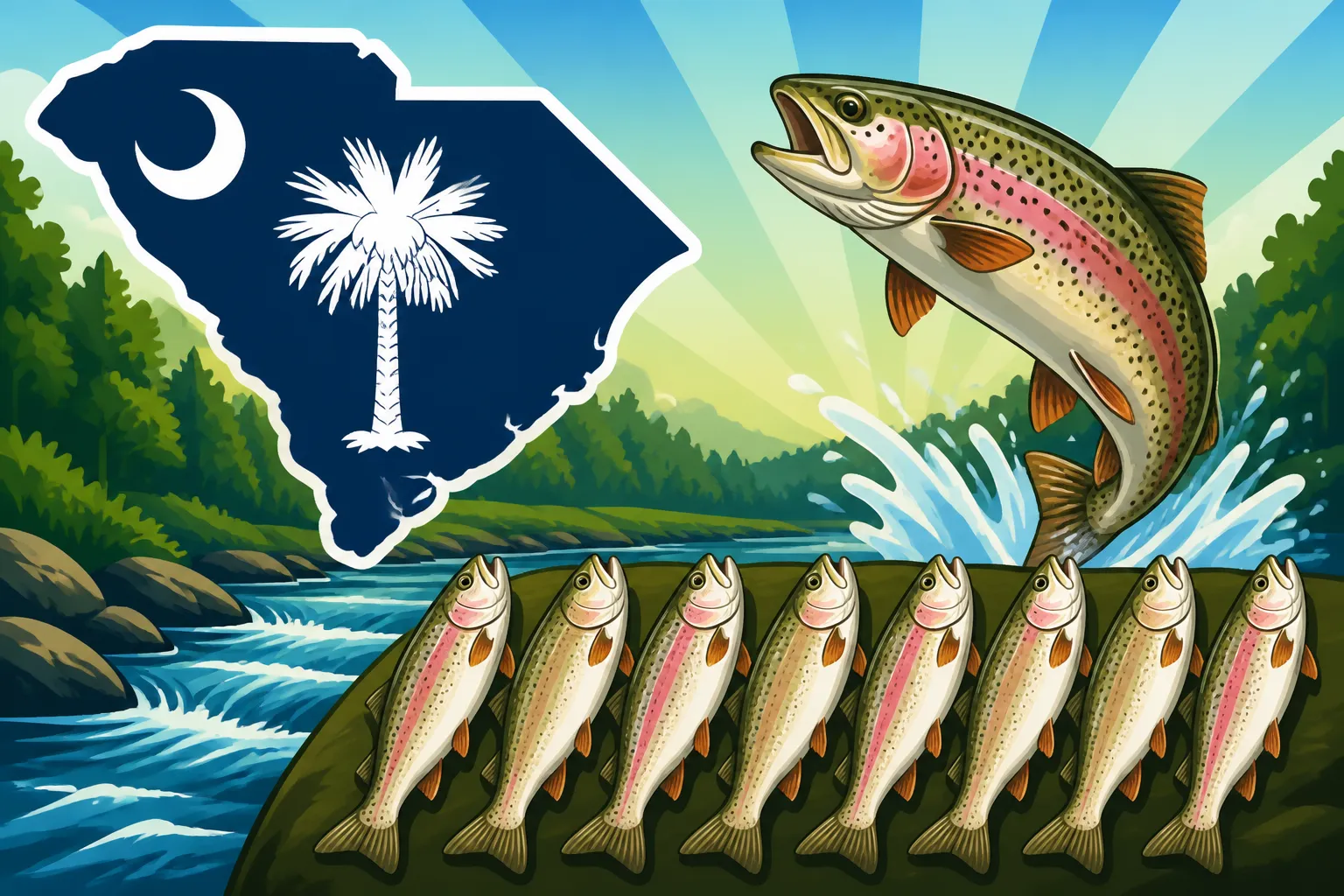
When it comes to trout fishing in South Carolina, the term "7-fish limit" generally applies to most of the state's designated trout waters that are regularly stocked with rainbow, brown, and sometimes brook trout. Unlike the stricter limits you might find on rare wild brook trout streams or specific catch-and-release sections, these waters are managed to provide ample recreational opportunities for anglers looking to bring home a meal. These streams are primarily found in the mountain regions of Oconee, Pickens, and Greenville counties, where the water stays cool enough year-round to support these cold-water species. It’s important to remember that while the general limit is seven, minimum size requirements still apply, which are typically 7 inches for these stocked waters.
Understanding the General Rule for Stocked Waters
For many anglers, the 7-fish daily creel limit is the most common regulation encountered when fishing for trout in South Carolina. This applies to the vast majority of "designated trout waters" where the SCDNR actively manages and stocks trout. These are often accessible streams, sometimes near popular state parks or public lands, making them excellent choices for a family outing or for beginners. The purpose of stocking these streams and having a moderate limit is to provide consistent fishing opportunities and to allow anglers to harvest a reasonable number of fish. This is a crucial distinction from waters managed for wild trout, which often have lower limits, or even special "trophy trout" sections that might have an even higher minimum size or single-fish limits. Knowing that many of the stocked waters fall under the 7-fish umbrella simplifies things immensely, but again, always look for signage or check the online regulations for the specific stream you're targeting. For a broader overview of how these limits vary, you might find our guide on How Trout Limits Vary by Stream in South Carolina particularly helpful.
Here's a look at some of the prominent streams and systems in South Carolina where you're likely to encounter the 7-fish daily creel limit for trout, given their status as regularly stocked waters:
| Stream System / Location | County | Typical Species Stocked | Notes on Access and Conditions |
|---|---|---|---|
| Chattooga River (sections) | Oconee | Rainbow, Brown, Brook | Designated wild & stocked sections. 7-fish limit applies to many stocked sections. Remote access. |
| East Fork Chattooga River | Oconee | Rainbow, Brown | Well-stocked, popular, good bank access in some areas. Falls under general 7-fish limit. |
| Chauga River (lower sections) | Oconee | Rainbow, Brown | Stocked below the US-76 bridge. Mix of access types. |
| Oconee State Park Lake / Creek | Oconee | Rainbow | Easily accessible, family-friendly, regularly stocked. |
| Oolenoy River | Pickens | Rainbow | Stocked, good access points, popular with bait and lure anglers. |
| Saluda River (Upstate sections) | Greenville | Rainbow, Brown | Some sections regularly stocked, providing easy access from Greenville area. |
| Lake Jocassee Tribs (lower) | Oconee/Pickens | Rainbow, Brown | Lower sections of tributaries before entering the lake, often stocked. |
Please Note: This table highlights general tendencies for stocked waters. Always confirm specific regulations for the precise stretch of water you plan to fish directly with SCDNR's latest guides or signage.
Spotlight on Specific Streams with This Regulation
Let's dive a little deeper into a few of these gems. The East Fork of the Chattooga River is a fantastic example. It’s easily accessible from SC Highway 28 in Oconee County, and the SCDNR does a great job stocking it with both rainbow and brown trout throughout the cooler months. This makes it a perfect destination if you're looking to catch a few fish and potentially take some home. The scenery is beautiful, and while it can get busy, there’s enough water for everyone. Remember to have your South Carolina fishing license in hand!
Another great option is the Oolenoy River in Pickens County. This river offers good public access and is a favorite among anglers who enjoy using a variety of methods, from spinners to natural bait. The 7-fish limit here allows for a rewarding experience, and you'll often find a good mix of rainbow and brown trout. It's an excellent stream for a leisurely day, maybe teaching a youngster how to cast, with the realistic expectation of catching some fish. For more on what it takes to get permission to fish in these beautiful areas, our guide on Fishing License Requirements in South Carolina is a must-read.
Even parts of the Chattooga River, particularly the more accessible lower stretches or areas not designated as "wild and scenic" or fly-fishing-only, will often fall under the 7-fish rule. While the Chattooga is vast and has many different regulations depending on the section and state border (it forms part of the border with Georgia), many popular entry points in South Carolina are indeed stocked for general angling, giving you that 7-fish opportunity. It's a truly iconic river, and being able to harvest a few fish responsibly from its generous waters is a real treat. Just make sure you know which part of the river you're on, and what the specific rules are for that section.
Preparing for Success on 7-Fish Limit Trout Waters
Heading out to a 7-fish limit stream means you’re likely targeting stocked trout, which behave a little differently than their wild counterparts. While they can still be challenging and a lot of fun to catch, they often respond well to a wider variety of baits and lures. Proper preparation, from the gear you bring to the techniques you employ, can make all the difference between a productive day and a frustrating one. Remember, even with a more generous limit, smart angling practices will improve your chances dramatically.
Essential Gear for Trout Fishing in South Carolina
You don't need to break the bank to enjoy trout fishing, but having the right tools certainly helps. For these stocked streams, a lightweight spinning rod (around 5-6 feet) paired with a small spinning reel spooled with 4-6 pound test monofilament or fluorocarbon line is ideal. This setup provides enough sensitivity for subtle bites and enough backbone to handle a feisty trout. If you're into fly fishing, a 3- to 5-weight fly rod is generally perfect.
When it comes to tackle, versatility is key. Think about packing a variety of small inline spinners (like Panther Martin or Mepps), spoons, and small jerkbaits. Soft plastics, especially those mimicking worms or power bait, can also be incredibly effective, particularly for freshly stocked fish. Don't forget an assortment of small hooks, split shots, and bobbers if you prefer bait fishing. Live bait such as worms, crickets, or even corn are often irresistible to hungry stocked trout. You'll also want comfortable wading boots and waders if you plan on getting into the water, and a good vest or pack to carry all your essentials. If you find yourself needing to stock up on any of these items, a quick browse on Amazon can usually get you what you need for your next trip, offering a wide selection and convenient delivery. Having a small net with a rubberized mesh is also crucial for safely landing your catch and minimizing harm if you decide to release any.
Effective Techniques for Stocked Trout
Stocked trout are often less wary than wild trout, making them a bit more forgiving for anglers. Here are a few techniques that typically yield good results:
- Spin Fishing: Casting small inline spinners or spoons upstream and retrieving them with a steady pace that allows the lure to flutter naturally is highly effective. Vary your retrieve speed and depth until you find what the fish are reacting to. Try different colors too; sometimes a bright gold or silver spinner works wonders, while other days a more natural brown or green is preferred.
- Bait Fishing: This is often the most straightforward method, especially for beginners or those fishing with kids. A simple setup with a small hook, a split shot a few inches above it, and a worm or PowerBait molded onto the hook, fished under a bobber or on the bottom, can be deadly. Drift your bait naturally through deeper pools, around fallen logs, or near undercut banks where trout like to hide.
- Fly Fishing: While many stocked trout waters might not require the most delicate fly presentations, fly fishing can still be incredibly rewarding. Focus on nymph patterns (like Prince Nymphs, Hare's Ears, or Pheasant Tails) fished under an indicator, or small dry flies if you see fish rising to insects. Streamers like Woolly Buggers can also entice more aggressive strikes. Our guide to Fly Fishing Techniques for Stocked Trout provides more in-depth advice on this method.
Safety and Comfort on the Water
Beyond the fishing itself, consider your comfort and safety. The mountain streams of South Carolina can be rocky, slick, and swift. A good pair of wading boots with felt or rubber soles (and perhaps studs) offers crucial traction. A wading staff can provide extra balance, especially when navigating uneven terrain or stronger currents. Always be aware of weather changes; mountain weather can be unpredictable. Pack rain gear, extra layers, and plenty of water. A first-aid kit is also a wise addition to your pack. And remember, these streams are often remote, so let someone know where you're going and when you expect to return. Many anglers also find a reliable headlamp or flashlight invaluable, especially if you plan to stay out until dusk or navigate challenging terrain. You can find quality options for all these safety essentials on platforms like Amazon, ensuring you're well-prepared for any situation.
Beyond the Limit: Responsible Angling and Conservation
While the 7-fish limit allows for a generous harvest, it's vital to remember that responsible angling goes beyond simply abiding by the legal limits. It's about ensuring the long-term health of our fisheries and respecting the natural environment. Every angler plays a role in conservation, whether through careful handling of fish, proper waste disposal, or supporting conservation efforts. This mindset ensures that future generations can also experience the joy of trout fishing in South Carolina.
Ethical Catch-and-Release Practices
Even when fishing in a 7-fish limit stream, you're bound to catch fish you don't intend to keep, either because they're undersized, or you've already met your personal quota for the day, or simply because you want to practice conservation. Knowing how to properly release a fish is just as important as knowing how to catch one. Here are some key tips:
- Minimize handling: Try to keep the fish in the water as much as possible. If you must handle it, wet your hands first to protect its delicate slime coat.
- Remove hooks gently: Use forceps or pliers to quickly and carefully remove the hook. If the fish is deeply hooked, it's often better to cut the line as close to the hook as possible rather than tearing sensitive internal organs.
- Revive the fish: Hold the fish gently facing into the current until it regains its strength and swims away on its own. Never throw a fish back; always release it gently.
- Barbless hooks: Consider using barbless hooks. They make hook removal much easier and reduce harm to the fish. You can even crimp the barbs on your existing hooks with a pair of pliers.
Practicing these methods not only increases the survival rate of released fish but also makes you a more skilled and ethical angler.
The Angler's Role in Fishery Health
Every time you hit the water, you're becoming a steward of that environment. Beyond adhering to the bag limits, there are several ways anglers contribute to the health of the fishery:
- Respecting regulations: Always follow the rules, whether it's the daily limit, size restrictions, or specific tackle requirements. Remember to also check the "Checking a Stream's Trout Limit Before You Fish It" guide. These rules are in place for a reason and are designed by biologists to maintain healthy populations.
- Reporting violations: If you witness illegal fishing activities, such as exceeding limits or fishing in closed areas, report it to the SCDNR. Protecting these resources is a community effort.
- Leave no trace: Pack out everything you pack in, and then some. This includes old fishing line, bait containers, and any other trash. Litter pollutes the water and harms wildlife.
- Support conservation organizations: Many local and national groups work tirelessly to protect and restore trout habitats. Consider donating or volunteering your time to organizations like Trout Unlimited, which has active chapters across South Carolina working on projects to improve water quality and stream health.
By embracing these responsible practices, you’re not just taking from the stream, you’re giving back, ensuring that the thrill of a bending rod and the beauty of a South Carolina trout stream can be enjoyed by all, for many generations to come.
Disclaimer
The information provided in this guide is for general informational purposes only. Fishing regulations, including daily limits and size restrictions, are subject to change by the South Carolina Department of Natural Resources (SCDNR). Always consult the most current official SCDNR regulations before planning your fishing trip to ensure compliance. Neither the author nor this platform is responsible for any discrepancies or for an individual's failure to adhere to current regulations.