How to Catch Catfish After Heavy Rain
You've been watching the rain come down for days, and now that it's finally clear, you're probably wondering if your planned fishing trip is a wash or if it's actually primed for a catfish feeding frenzy. It's a common dilemma, and the truth is, fishing after heavy rain in South Carolina can be incredibly productive if you know how to adapt. This guide is all about helping you understand how rain affects our whiskered friends and giving you the strategies to reel them in when the water's high and mighty.
Understanding Catfish Behavior After Heavy Rain in South Carolina
Heavy rainfall doesn't just make the ground wet; it dramatically changes the aquatic environment for fish, especially bottom-dwellers like catfish. For an angler, understanding these shifts is key to successful post-rain fishing. Catfish are incredibly adaptable, and they react predictably to changes in their habitat.
The Impact of Runoff and Water Flow
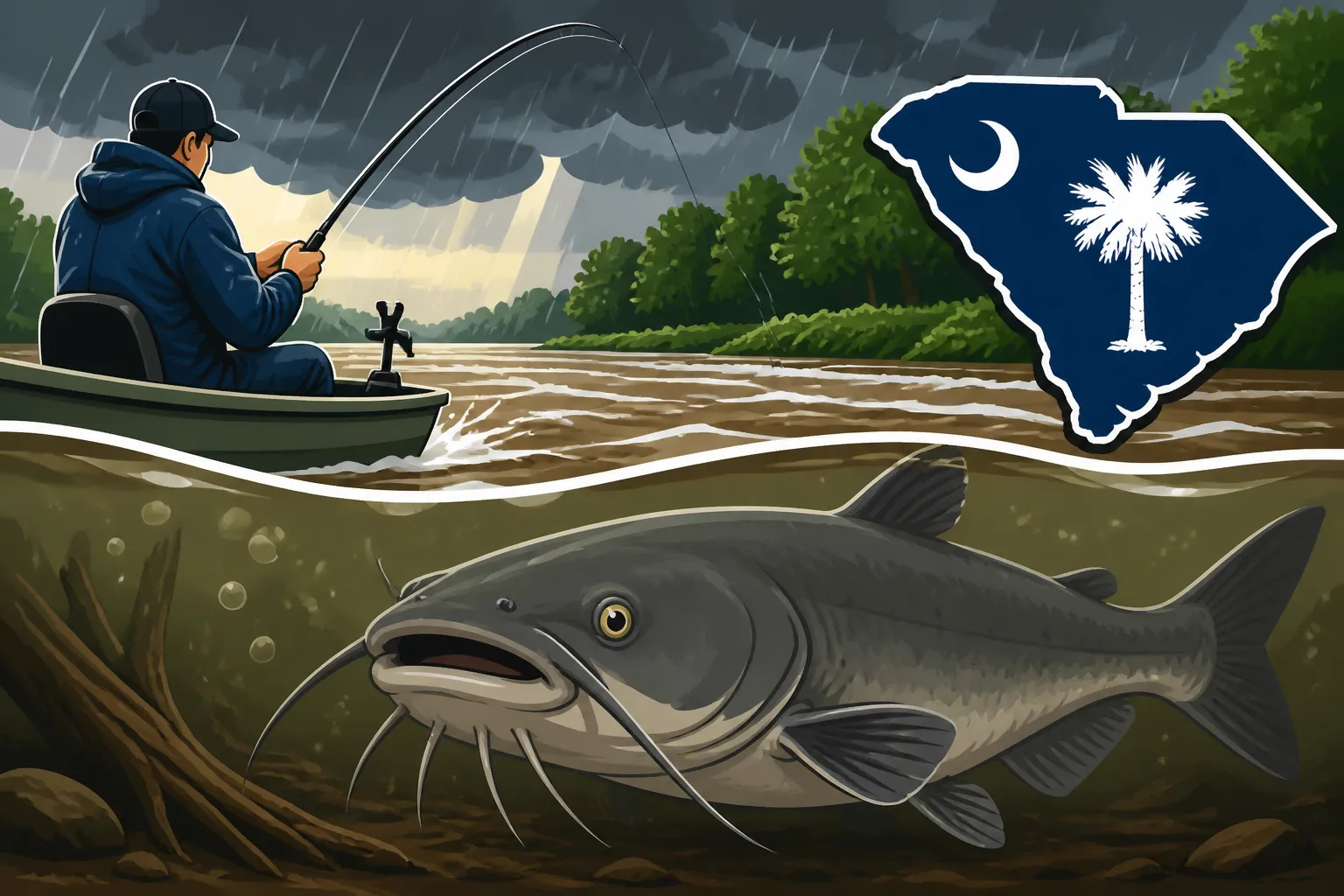
When torrential rains hit, especially across our varied South Carolina landscape from the Upstate mountains to the Lowcountry flats, a cascade of events begins. Water rushes into rivers, lakes, and ponds, carrying with it a whole new world of nutrients and debris from the land. This runoff often brings with it worms, insects, and other organic matter that catfish absolutely love to feast on. Think of it like a buffet being delivered right to their doorstep!
However, this increased flow also means a significant change in water chemistry and oxygen levels. While catfish are generally tolerant of murkier conditions, extreme fluctuations can temporarily disorient them. In rivers like the Congaree River or the Edisto River, you'll see a dramatic rise in water levels and a powerful current. This surge can stir up the bottom, making food more available, but it also creates strong currents that fish need to navigate. They'll often seek out areas where they can conserve energy while still being close to the newfound food sources.
Why Catfish Become More Active (or Inactive)
Many anglers associate heavy rain with a "catfish bite," and often for good reason. The influx of food is a primary driver. As mentioned, worms, grubs, and other terrestrial delights are washed into the water, presenting an easy meal for catfish that are always on the hunt. This can trigger a genuine feeding frenzy, especially for channel catfish and smaller blue catfish, as they gorge on the abundance. The slightly cooler water that often accompanies rain can also be a comfort, stirring them from a summer slump.
However, it's not always a guaranteed bite. If the rain is exceptionally heavy and prolonged, leading to severely flooded conditions, rapid current, and extremely muddy water with very low visibility, catfish might actually become less active. They may retreat to deeper, more stable areas of the water column or tuck themselves tightly into dense cover to escape the strong currents. In these scenarios, while the food is there, locating the fish themselves becomes the bigger challenge. It's about finding that sweet spot where the benefits of the rain (food, oxygen) outweigh the drawbacks (extreme current, disorientation).
Water Temperature and Turbidity Shifts
One of the most noticeable changes after heavy rain is the alteration of water temperature and turbidity, or muddiness. Rainwater itself is often cooler than the ambient lake or river water, especially during warmer months. This can introduce pockets of cooler water, which can be a welcome relief for catfish during a hot South Carolina summer. These cooler, oxygenated zones can draw catfish in, making them more comfortable and thus more willing to feed.
The increased turbidity, however, is a double-edged sword. While it dramatically reduces visibility, which might make it harder for sight-feeding fish to hunt, catfish are primarily scent and touch feeders. Their barbels (whiskers) and keen sense of smell are perfectly adapted for navigating and finding food in dark, murky conditions. In fact, muddy water can be an advantage for them, as it hides them from potential predators and allows them to ambush prey more effectively. This means that after a heavy rain, using baits with a strong scent becomes even more critical for attracting these whiskered predators. The water might look like chocolate milk, but for a catfish, it smells like dinner!
Locating Catfish in Post-Rain Conditions
Finding catfish after a downpour isn't just about throwing a line in and hoping for the best. It requires a strategic approach, focusing on areas where they naturally congregate in response to the changed environment. Think like a catfish: where would you go to find food and shelter from the current?
Targeting Inflow Points and Submerged Structure
One of the absolute best places to start looking for catfish after heavy rain is near any point where new water is flowing into the main body of water. This means culverts, feeder creeks, ditches, and even small runoff drains that are usually dry. These inflow points are veritable conveyor belts for food, washing in worms, insects, and other organic debris. Catfish will often sit just downstream of these inflows, waiting for easy meals to be delivered by the current. It's like finding the end of a buffet line!
Beyond inflows, look for submerged structure that provides a break from the current or an ambush point. Flooded timber, brush piles, rock formations, and even old tires or sunken boats can be prime locations. Catfish will tuck themselves into these spots to conserve energy while still being able to dart out for passing food. In our South Carolina lakes, like Lake Moultrie or Lake Marion, expanses of flooded timber can become catfish magnets after heavy rains raise the water levels. Don't be afraid to cast right up against or into these snags, as that's often where the biggest cats are hiding.
Identifying Current Breaks and Eddies
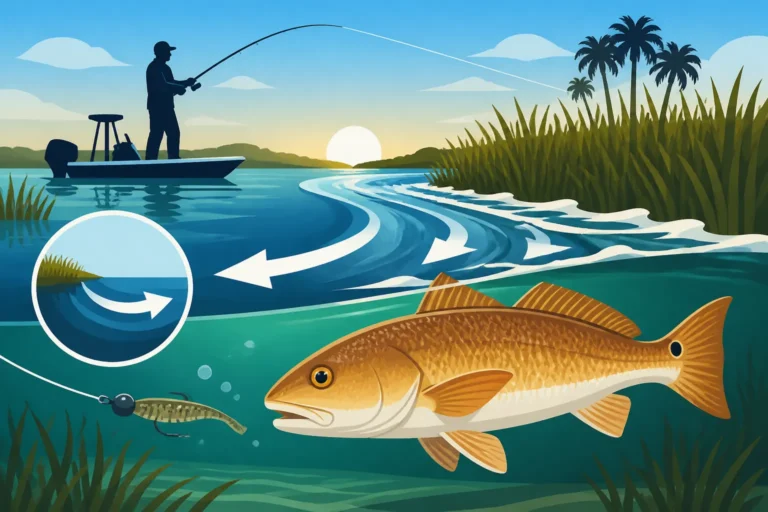
Heavy rain often means increased current, especially in river systems. Catfish, while strong, don't want to fight a relentless current all day long. They're smart and will seek out "current breaks" – areas where the main flow is disrupted, creating calmer pockets of water. These can be found behind large rocks, islands, bends in the river, fallen trees, or even sharp drop-offs. Any feature that deflects the main current will create an eddy or a calmer pocket downstream.
These current breaks are strategic feeding zones. Food carried by the main current will often swirl into these calmer eddies, making it easy for catfish to feed without expending too much energy. In larger rivers such as the Broad River or the Santee River, identifying these subtle changes in current flow is a game-changer. Look for swirling water or debris collecting in certain spots—these are telltale signs of a current break. Setting up just at the edge of the fast water, where it meets the slow water, can be incredibly productive. You can learn a lot about this by exploring How to Anchor for Catfish in Current.
Deeper Channels and Edge Fishing
When the surface water is raging and heavily muddied, catfish will often retreat to deeper channels or the main river/lake channel where the current might be more stable and the water slightly less disturbed. These deeper zones offer refuge from extreme surface turbulence and can sometimes even hold slightly clearer water if the runoff hasn't fully penetrated. Focusing your efforts on these deep troughs, especially those with some sort of structure or depth change, can be very effective.
Another excellent strategy is "edge fishing"—targeting the transition zones where very shallow, muddy water meets deeper, slightly clearer water. This is particularly relevant in areas with floodplains or shallower coves that have become inundated with rainwater. Catfish will patrol these edges, moving between the shallow, food-rich areas and the deeper, more comfortable zones. Often, the cooler, oxygenated water from the rain will push into these edges, drawing fish in. These spots can be highly productive, especially during the first few days after the rain when the water levels are still elevated. For general guidance on where to find these fish, check out the Best Catfish Fishing Spots in South Carolina.
Effective Baits and Techniques for Post-Rain Catfish
Now that you know where to find them, let's talk about what to put on your hook and how to present it. Catfish post-rain often means embracing the murky conditions and playing to their strengths: their incredible sense of smell and touch.
Scent-Based Baits for Muddy Waters
When the water is discolored and visibility is low, a catfish's nose is its most powerful tool. This is precisely why scent-based baits become absolutely crucial after heavy rain. Forget fancy lures that rely on visual appeal; you want something that screams "dinner" through odor.
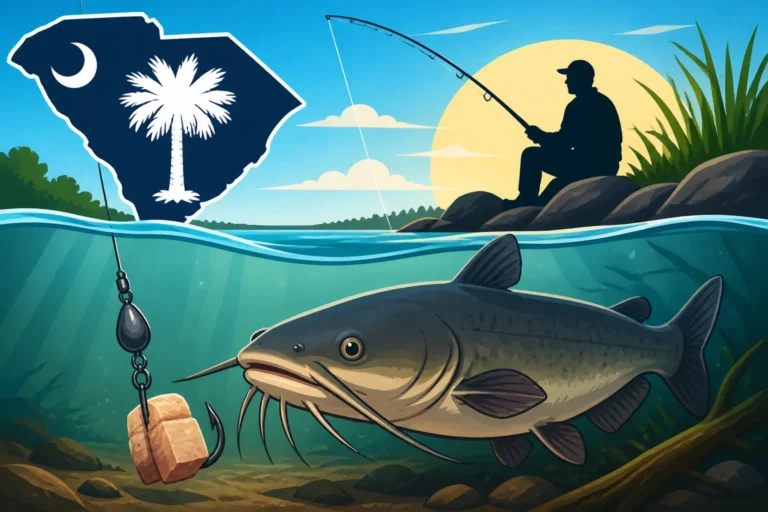
Cut bait is king in these conditions. Freshly cut pieces of oily fish like shad, mullet, or even panfish (where legal) release a potent scent trail that catfish can follow from a surprising distance. The blood and natural oils dispersed in the murky water are irresistible. Chicken livers, another classic catfish bait, are also incredibly effective due to their strong scent and soft texture, which allows them to "bleed" their odor into the water. For those who prefer convenience, various prepared "stink baits" or "punch baits" are also excellent choices. You can find a wide array of options, from traditional dips to pre-formed nuggets, readily available on platforms like Amazon. Just make sure whatever you choose has a strong, pungent aroma. Remember, the murkier the water, the stronger the scent you need. Detailed information can be found in How to Rig Cut Bait for Catfish.
Bottom Fishing Rigs and Presentation
With increased current and often debris-laden water, your bait presentation needs to be robust. The goal is to keep your bait firmly on the bottom, in the strike zone, without it being swept away by the current.
- Heavy Sinkers: You'll likely need heavier sinkers than usual. Pyramidal or flat sinkers tend to hold the bottom better in current than egg or barrel sinkers, which can roll. Don't be afraid to go up a few sizes from what you'd typically use.
- Carolina Rig: This is a fantastic all-around rig for catfish. It consists of an egg sinker (or similar) on the main line, followed by a bead, then a swivel, and finally a leader (typically 12-24 inches) with your hook. This allows the bait to move somewhat naturally with the current while the weight keeps it grounded.
- Santee-Cooper Rig: A variation popular in South Carolina, especially on the Santee Cooper lakes. It's essentially a Carolina rig with the addition of a peg float (small foam float) on the leader, positioned 2-4 inches above the hook. This lifts your bait slightly off the bottom, preventing it from getting buried in mud or caught on minor snags, while still keeping it in the general vicinity of the bottom. This can be especially effective when the bottom is soft and silty from runoff.
- Slip Sinker Rig: Similar to a Carolina rig but often with a shorter leader, ideal for presenting bait directly on the bottom.
Regardless of the rig, cast slightly upstream of your target area and let the current carry your bait naturally into the zone. Maintain a tight line to feel bites, but not so tight that it lifts your sinker. Check out Catfish Bottom Fishing Basics for more general tips.
Jug Fishing and Trotlining in High Water
For those looking to cover more water and potentially land multiple catfish, especially larger ones, jug fishing and trotlining can be incredibly effective post-rain strategies. However, always be sure to check South Carolina's Freshwater Fishing Regulations before deploying these methods, as rules and permissible areas can vary.
- Jug Fishing: This involves setting out multiple baited lines attached to individual floats (juga). As the current shifts and moves the jugs, they cover a wider area than a single stationary rod. In high water, this can be advantageous if catfish are more spread out. The movement of the jug can also attract curious catfish. Learn more about it in Jug Fishing for Catfish Step by Step.
- Trotlining: A trotline consists of a main line anchored between two points (often across a river or channel, or along a bank) with multiple baited hooks attached at intervals. This method allows you to present numerous baits simultaneously over a significant stretch of water. In post-rain conditions, setting a trotline across a promising channel or current break can yield impressive results as catfish move and feed. Just be aware of boating traffic and mark your lines clearly. If you're considering this, definitely read Trotline Fishing for Catfish Explained.
These methods are not for every angler, but for those seeking to maximize their catch in challenging conditions, they offer a powerful advantage.
Essential Gear and Safety Considerations
Fishing after heavy rain demands not just the right techniques and baits, but also appropriate gear and an unwavering commitment to safety. The altered conditions can be unpredictable, and being prepared is paramount.
Rods, Reels, and Line for Strong Currents
Your standard panfish setup isn't going to cut it when the rivers are swollen and the current is strong. You need gear that can handle the power of both the water and potentially a large, angry catfish.
- Rods: Opt for medium-heavy to heavy action rods, typically 7 to 9 feet in length. These rods offer the backbone needed to cast heavy sinkers, detect subtle bites in a strong current, and most importantly, muscle in large catfish. A robust fiberglass or composite rod will offer durability and forgiveness.
- Reels: A sturdy baitcasting reel or a large spinning reel with a strong drag system is essential. It needs to hold a good amount of line and handle the stress of pulling fish out of current and away from snags. Look for reels known for their robust construction.
- Line: Don't skimp on your line. Braided line (50-80 lb test) is a popular choice for its incredible strength, lack of stretch (which helps with bite detection), and abrasion resistance. If you prefer monofilament, go with a heavier test (20-40 lb) and ensure it's fresh and strong. Leaders of heavy mono or fluorocarbon can also be beneficial for abrasion resistance against structure. You can find a fantastic selection of these heavy-duty rods, reels, and lines on Amazon, suitable for battling big cats in strong flows.
Navigational and Safety Equipment
The most critical aspect of post-rain fishing, especially from a boat, is safety. Elevated water levels and increased current bring significant hazards that are often underestimated.
- Life Vests: This is non-negotiable. Everyone on board should be wearing a properly fitted life vest. Currents can be deceptive, and submerged debris can create unexpected obstacles.
- Powerful Trolling Motor/Engine: Navigating strong currents or holding your position can be challenging. A powerful trolling motor or a reliable outboard engine is vital for maintaining control, especially when trying to stay on a current break or extract a fish from heavy cover.
- Debris Awareness: After heavy rain, rivers and lakes are often littered with floating debris—logs, branches, trash, and even entire trees. These pose significant navigation hazards to boats and can damage your propeller or engine. Be constantly vigilant, especially when moving, and proceed slowly in unfamiliar or debris-heavy waters.
- Anchoring: If you're anchoring, ensure you have a robust anchor system capable of holding your boat securely in strong currents. Multiple anchors might be necessary. Also, know how to safely deploy and retrieve your anchor without risking entanglement or putting yourself in a dangerous position.
Always inform someone of your fishing plans, including where you'll be and when you expect to return. Better safe than sorry when dealing with Mother Nature's post-rain power.
Checking Conditions and Regulations
Before you even load your gear, do your homework. Conditions can change rapidly, and being prepared means staying informed.
- River Gauges and Forecasts: Check local river gauge levels and weather forecasts. High water might mean certain ramps are inaccessible or that fishing is simply too dangerous. Understanding projected rainfall and river crests will help you decide if it's safe and productive to go out.
- Local Fishing Reports: Consult local bait shops, online forums, or fishing guides. They often have real-time information on how the fishing has been affected by the recent rains and where the fish are biting (or not biting).
- Regulations: Always double-check South Carolina's Freshwater Fishing Regulations for any updates or specific rules that might apply to the body of water you're targeting. This includes bag limits, size limits, and any specific gear restrictions. For example, some areas may have specific rules regarding jug fishing or trotlines. Being a responsible angler means being knowledgeable about the rules.
By prioritizing safety and staying informed, you can turn a potentially dangerous situation into a memorable and successful catfish outing after heavy rain.
Post-Rain Catfish Angling Summary Table
To help you quickly reference key considerations when heading out after a good downpour, here's a quick summary:
| Category | Pre-Rain Conditions (Baseline) | Post-Heavy Rain Conditions (Adjustments Needed) |
|---|---|---|
| Water Level | Normal, stable | Elevated, potentially flooded |
| Current | Moderate to low | Strong, swift, turbulent |
| Turbidity | Clear to slightly stained | High, muddy, low visibility |
| Catfish Location | Deeper holes, structure, subtle breaks | Inflow points, current breaks/eddies, deep channels, edges |
| Preferred Baits | Cut bait, worms, prepared bait (all seasons) | Strongly Scented Baits: oily cut bait, chicken livers, pungent stink baits |
| Rigging | Standard slip sinker, Carolina rig, light weights | Heavy Sinkers: Pyramidal/flat sinkers, Carolina/Santee-Cooper rigs with floats for elevated bait |
| Gear | Medium-heavy tackle | Heavy-duty Rods/Reels: Stronger action, robust drag. Heavier braid/mono line. (Available on Amazon) |
| Safety | Standard boating safety | Heightened Awareness: Life vests, watch for debris, powerful motor for current, check weather/river gauges. |
This table should serve as a handy checklist for adjusting your approach and ensuring you're ready for the unique challenges and opportunities that heavy rain presents to South Carolina catfish anglers.
Disclaimer
This article is for general informational purposes only and does not constitute professional advice. Laws, prices and regulations vary by location and change over time. Consult a qualified professional for guidance on your specific situation.