Fishing License Rules for Grandparents Taking Kids Fishing
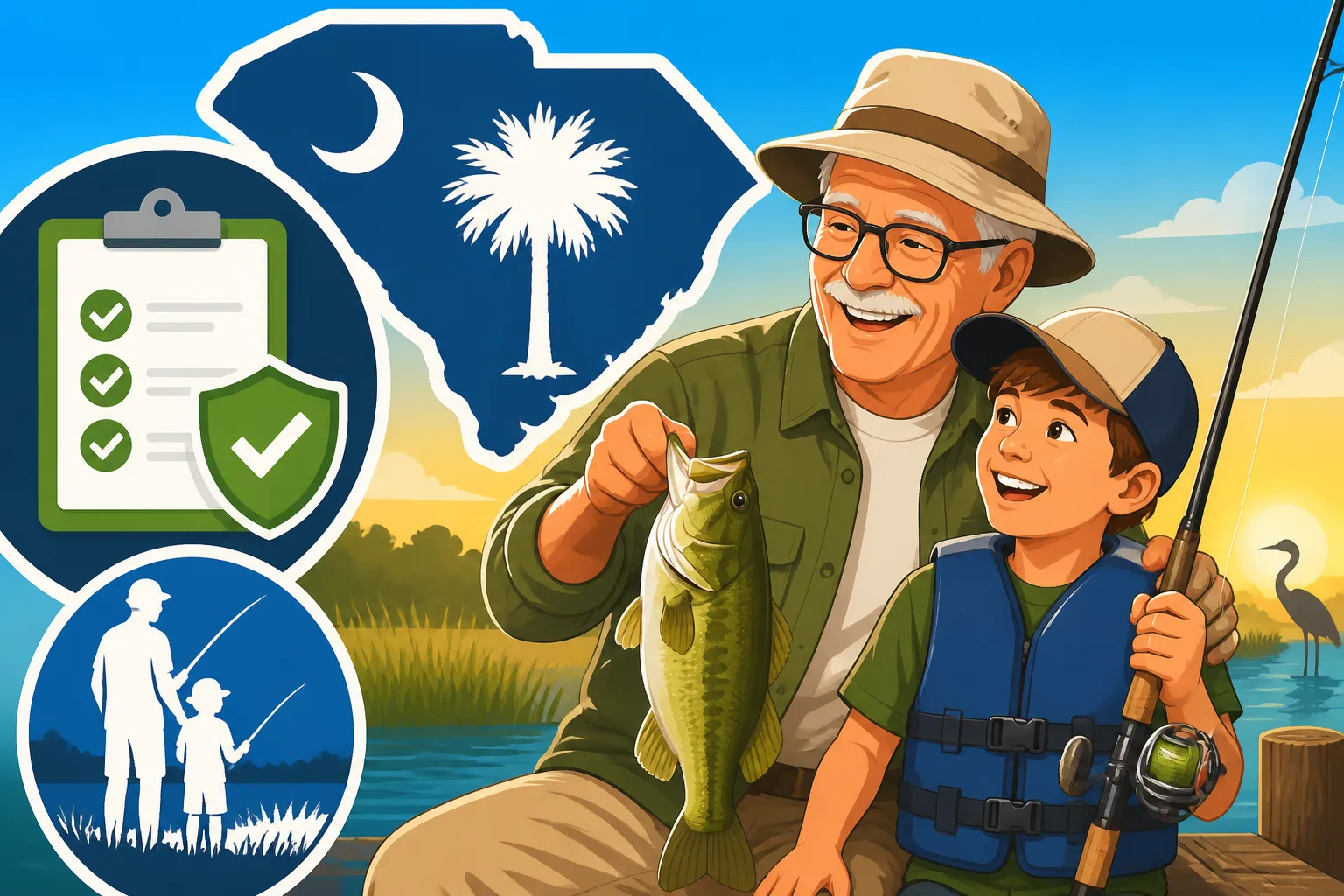
It's a wonderful thing, seeing grandparents share the joy of fishing with their grandkids. There’s nothing quite like casting a line with a little one, watching their eyes light up when they feel that first tug. But let's be honest, the excitement can sometimes be overshadowed by a nagging question: "Do I need a fishing license for them? Or for me, if I have a special senior license?" This guide is here to untangle all those confusing rules in South Carolina, ensuring your next family fishing adventure is stress-free and legal.
Understanding South Carolina's Core Fishing License Rules
Before we dive into the specifics for our younger anglers and seasoned pros (that's you, grandparents!), it’s crucial to grasp the fundamental structure of fishing licenses in the Palmetto State. South Carolina, like many states, distinguishes between freshwater and saltwater fishing, and also between residents and non-residents. This means the type of water you plan to fish in and where you call home will directly influence the kind of license you need.
The Freshwater vs. Saltwater Distinction
Imagine you're planning a trip to Lake Murray for some bass fishing, but then your grandkids want to try their hand at crabbing in Murrells Inlet. These are two vastly different environments, and South Carolina categorizes them accordingly. Freshwater licenses cover lakes, rivers, and ponds, while saltwater licenses are for coastal waters, estuaries, and the ocean. It’s not uncommon for an angler to hold both if they enjoy diverse fishing experiences throughout the year. The reason for this separation often boils down to different conservation efforts and management strategies for the distinct ecosystems and species found in each habitat.
When planning your trip, consider the primary type of water you'll be fishing. If you're going to a private pond that is completely self-contained and not fed by public waterways, you might find some exemptions, but generally, public freshwater bodies require a license. Similarly, even if you’re fishing from a pier on the coast, a saltwater license is typically required unless specific pier licenses cover their patrons. For a full breakdown of what's covered, take a look at our South Carolina Fishing License Guide.
Resident vs. Non-Resident License Categories
Your residency status in South Carolina is a big factor in how much you'll pay for a fishing license, and in some cases, the types of licenses available. Generally, South Carolina residents enjoy significantly lower license fees compared to non-residents, a common practice designed to benefit taxpayers who contribute to the state's natural resource management through other means. To qualify as a resident, you typically need to prove you've lived in the state for a certain period, usually 180 consecutive days, and hold a valid South Carolina driver's license or state ID.
This distinction becomes particularly important when you have out-of-state grandkids visiting. Even if you, as a resident grandparent, are covered, your non-resident grandchildren (if they're old enough to require a license) will need a non-resident permit. It's a key detail that can easily be overlooked, leading to unexpected situations on the water. Make sure to check the specific requirements for South Carolina Nonresident Fishing License Guide before your out-of-state guests arrive.
Age-Based Exemptions for Young Anglers
This is often the biggest question for grandparents: do the little ones need a license? The good news is, South Carolina is very welcoming to young, budding anglers, with clear exemptions that make it easy for kids to get out on the water without immediate licensing hurdles.
Kids Under 16: Generally Exempt
Here's the golden rule for most situations: children under the age of 16 do not need a fishing license to fish in South Carolina, whether it's freshwater or saltwater, and regardless of their residency status. This is fantastic news for grandparents, as it means you can take your youngest family members out without worrying about purchasing additional permits for them. This exemption is designed to encourage youth participation in fishing, fostering a love for the outdoors from an early age without imposing financial barriers.
So, if your grandchild is 5, 10, or even 15 years old, they can legally cast a line right alongside you. This applies whether you're dangling a worm in a quiet pond or trying to reel in a whiting from a coastal pier. Just remember, while they might not need a license, they still need to adhere to all other regulations, such as bag limits and size restrictions for the species they're targeting. For a more detailed look into this, check out Fishing License Rules for Kids in South Carolina.
When a Child Might Need a License
While the "under 16" rule is generally broad, there are a few niche scenarios where a younger angler might technically fall under different requirements, although these are quite rare for typical family outings. For instance, if a minor were to act as a commercial guide or participate in certain competitive tournaments that have specific permit requirements beyond a basic recreational license, the rules could shift. However, for 99.9% of grandparent-grandchild fishing trips, the under-16 exemption holds strong.
It’s always a good idea, though, to double-check if your specific fishing activity or location falls under any unusual local ordinances. For example, some private pay-to-fish ponds might have their own entry fees or rules that aren't tied to state licensing, but these are separate from the state’s fishing license requirements.
Navigating License Requirements for Grandparents
Now, let's talk about the senior members of the fishing party. Your license requirements can vary based on your age and whether you're a resident of South Carolina. The state offers some fantastic benefits for its older residents, acknowledging their contributions and encouraging continued outdoor activity.
South Carolina Resident Grandparents and Senior Licenses
If you're a resident grandparent in South Carolina, you're in luck! The state provides generous benefits for its senior citizens.
- Free Lifetime Hunting and Fishing License: South Carolina residents born before July 1, 1940, are eligible for a free lifetime hunting and fishing license. This is an incredible perk that covers both freshwater and saltwater fishing, as well as hunting, for the rest of their lives. If this applies to you, then you're all set and don't need to worry about annual renewals! You just need to apply for it once. More information can be found in Who Qualifies for a Free South Carolina Lifetime License?.
- Reduced-Cost Lifetime License for Age 64 and Up: For South Carolina residents aged 64 and older, there's an opportunity to purchase a discounted Senior Lifetime Hunting and Fishing License. While not free for everyone, this significantly reduced-cost option is a one-time purchase that covers all fishing and hunting privileges for life. It's an excellent investment for avid anglers and hunters, ensuring you never have to deal with annual renewals again. This covers both freshwater and saltwater disciplines. Details about this can be found in our South Carolina Senior Lifetime License Guide.
If you don't fall into these categories, you'll need to purchase a regular annual or short-term fishing license, just like any other adult resident. However, the senior lifetime options are a fantastic way to simplify things for the long haul.
Non-Resident Grandparents
If you're a grandparent visiting South Carolina from another state, your fishing license requirements are the same as any other adult non-resident. The senior exemptions mentioned above are specifically for South Carolina residents.
- Annual or Short-Term Options: You'll need to purchase either an annual non-resident fishing license (separate for freshwater and saltwater) or a short-term option, such as a 14-day freshwater license or a 7-day or 1-day saltwater license. These short-term licenses are often a more economical choice if you're only visiting for a brief period. For a comprehensive overview, read our guide on South Carolina Nonresident Fishing License Guide.
It’s absolutely vital for non-resident grandparents to secure the appropriate license for themselves before fishing, even if their grandchildren don't need one. Ignorance of the law is not an excuse, and penalties for fishing without a license in South Carolina can include fines and potential confiscation of gear.
Practical Tips for a Worry-Free Grandparent-Grandchild Fishing Trip
Planning a fishing trip with the grandkids should be about making memories, not stressing over paperwork. Here are some actionable tips to ensure your outing is smooth and enjoyable for everyone.
Double-Checking Current Regulations
While I've laid out the general rules, regulations can sometimes change, especially regarding specific species' bag limits or seasons. Before heading out, always take a few minutes to check the latest rules published by the South Carolina Department of Natural Resources (SCDNR). Their website is the official source for all current fishing regulations, including South Carolina's Freshwater Fishing Regulations and Saltwater Fishing Rules in South Carolina. This simple step can save you from unintentional violations and ensure your catch is legal.
A quick phone call to a local bait shop can also be incredibly helpful. Those folks usually have their finger on the pulse of what's biting and any recent regulatory shifts in the immediate area. They can also tell you about any local nuances you might not find in a statewide guide.
Where and How to Purchase Licenses
For those who need a license, acquiring one is straightforward in South Carolina.
- Online: The easiest and most convenient way to purchase a license is online through the SCDNR's Go Outdoors South Carolina portal. You can do this from the comfort of your home, print it out, or even keep a digital copy on your phone. This is especially handy for last-minute decisions to hit the water. Check out How to Buy a Fishing License on Go Outdoors South Carolina for a step-by-step guide.
- Authorized Vendors: You can also purchase licenses in person at various authorized vendors throughout the state. These often include bait and tackle shops, sporting goods stores, and some Walmarts. This can be a great option if you prefer a physical copy or have questions that a local expert can answer. Our article on Where to Buy a Fishing License in South Carolina can point you to locations near you.
- SCDNR Offices: Finally, you can visit a regional SCDNR office during business hours to purchase a license.
Remember to bring identification and proof of residency if you're a South Carolina resident applying for a resident license.
Essential Gear and Safety Considerations
Beyond licenses, thinking about the right gear and safety measures will make the trip more enjoyable, especially with kids.
- Kid-Friendly Gear: Consider buying a simple rod and reel combo that's easy for small hands to manage. Lightweight spinning reels are perfect for beginners. You can find excellent options on platforms like Amazon that are designed specifically for children. A small, easy-to-open tackle box stocked with basic hooks, bobbers, and sinkers, along with some artificial worms or live bait, will be plenty.
- Sun Protection: Hats, sunscreen, and sunglasses are non-negotiable for anyone spending time outdoors in South Carolina, especially the little ones. The sun can be intense, and protecting their delicate skin and eyes is crucial.
- Life Jackets: If you're fishing from a boat, ensure everyone, especially children, wears a properly fitted life jacket. Drowning can happen silently and quickly, and even strong swimmers can be caught off guard. This is a crucial safety measure that federal and state laws often mandate for young children on vessels.
- First-Aid Kit: A basic first-aid kit with bandages, antiseptic wipes, and pain relievers is always a good idea for minor scrapes or cuts that can happen around hooks and lines.
- Snacks and Water: Kids (and grandparents!) can get hungry and thirsty quickly, especially while concentrating on fishing. Pack plenty of water, juice boxes, and easy-to-eat snacks to keep energy levels up and spirits high. Staying hydrated is key, especially during warmer months.
By taking these proactive steps, you can focus on the truly important part of the day: creating cherished memories with your grandchildren as you introduce them to the wonderful world of fishing. You might even discover some new favorite spots or techniques together! Maybe you’ll even find a cool new fishing gadget on Amazon to make your trips even more fun.
| Angler Category | Age | Resident SC | Non-Resident SC | License Required? | Notes |
|---|---|---|---|---|---|
| Child | Under 16 | N/A | N/A | No | This applies to both freshwater and saltwater. |
| Grandparent | Under 64 | Yes | Yes | Yes | Standard annual or multi-year licenses apply. |
| Grandparent | 64+ (Resident) | Yes | N/A | Reduced/Free Lifetime | Residents born before July 1, 1940, get free lifetime. Residents 64+ can buy discounted lifetime. |
| Grandparent | 64+ (Non-Resident) | N/A | Yes | Yes | Standard non-resident annual or short-term licenses apply. |
Conclusion: Making Memories, Not Mistakes
Fishing with your grandchildren in South Carolina is an incredible bonding experience. The good news is that the state's regulations are designed to be accessible for young anglers, giving them a fantastic entry point into the sport without the immediate need for a license. For grandparents, South Carolina offers wonderful lifetime options for its residents, simplifying the process for years to come.
By understanding the age exemptions, your own residency status, and where to get the right license if you need one, you can ensure your fishing trips are filled with joy, laughter, and maybe a few good catches – rather than worries about legal technicalities. So grab your rods, pack those snacks, and head out to make some unforgettable memories on the beautiful waters of South Carolina. Who knows, a new fishing hat from Amazon might be the lucky charm you need!
Disclaimer
Please note that fishing regulations can change. While this guide provides current information as of its publication, it is always the angler's responsibility to verify the most up-to-date rules and regulations with the South Carolina Department of Natural Resources (SCDNR) before engaging in any fishing activities.