Fishing Without a License Consequences Explained
We've all been there: the sun is shining, the fish are biting, and you're just itching to cast a line into South Carolina's beautiful waters. Maybe you rushed out the door, maybe it slipped your mind, or perhaps you just weren't quite sure if you even needed one. But when that friendly South Carolina Department of Natural Resources (SCDNR) officer asks to see your fishing license, and you come up empty, a fun day can quickly turn into a stressful, costly ordeal. This comprehensive guide will walk you through exactly what happens when you're caught fishing without a license in the Palmetto State, detailing the immediate and long-term consequences, so you can understand why it's always worth it to be properly licensed.
The Immediate Impact: What Happens When You're Caught?
It's a scenario no angler wants to face. One minute you're enjoying the peaceful rhythm of the water, the next, a uniform is approaching. Being caught fishing without a valid license in South Carolina isn't just a minor slap on the wrist; it's a legal infraction with clear steps and potential repercussions.
The Initial Encounter with Law Enforcement
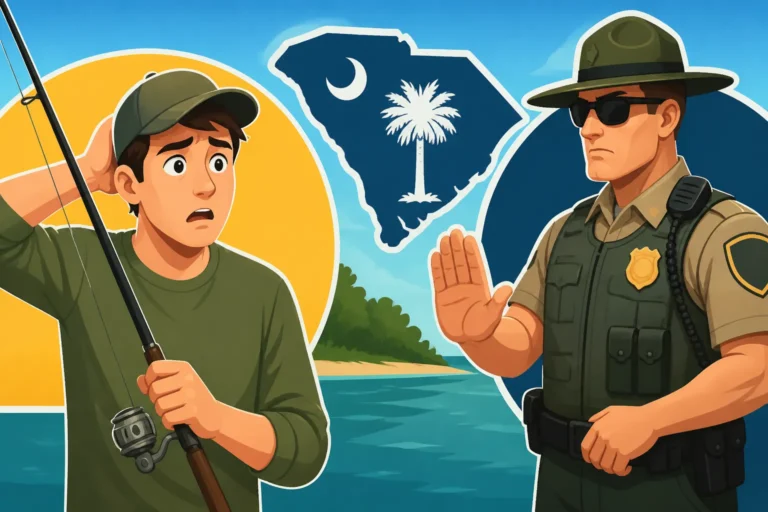
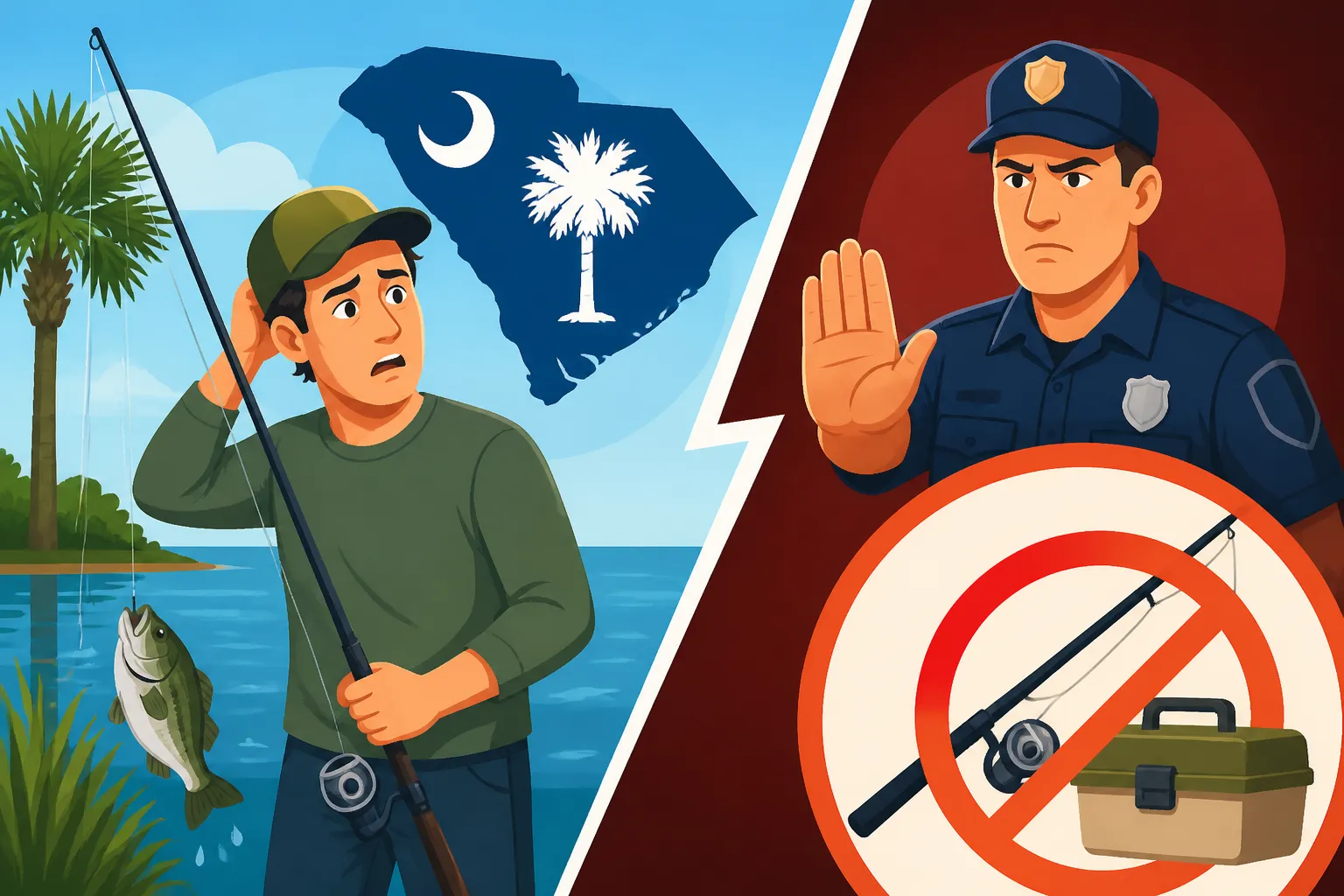
Typically, an SCDNR officer, often referred to as a game warden, will approach you while you’re actively fishing. Their primary role is to enforce wildlife and fishing regulations, ensuring the conservation of our natural resources for everyone to enjoy responsibly. They are usually very polite, professional, and knowledgeable. The first thing they'll ask for is your fishing license and photo identification. This is a routine check, not an accusation, but it's where the problem arises if you don't have what's required.
If you cannot produce a valid fishing license – whether because you forgot it, never bought one, or it's expired – the officer will verify your information. They have handheld devices and access to databases that can quickly confirm if you have a license on file. If they confirm you are indeed fishing without one, they will then explain the violation. It’s important to remain calm and cooperative during this process. Arguing or being uncooperative can escalate the situation and potentially lead to additional charges, which you absolutely want to avoid. The officer will typically issue you a Uniform Traffic Ticket or a summons, much like a traffic stop, citing the specific violation of fishing without a proper license.
Citations and Court Appearances
Receiving a citation for fishing without a license means you're now involved in the legal system. This isn't just a stern warning; it's a formal charge. The citation will include information about the violation, the date and time, the issuing officer, and most importantly, instructions on how to proceed. In many cases, you might have the option to pay a fine by mail or online before a certain date, effectively admitting guilt and resolving the issue without a court appearance. However, depending on the severity, your record, or if there are additional charges (like exceeding bag limits or fishing in a restricted area), you might be required to appear in court.
A court appearance means presenting your case before a judge. This can be intimidating and requires taking time off work or other obligations. You’ll have the chance to explain your situation, but "I didn't know" or "I forgot" are rarely valid legal defenses. The judge will then determine the appropriate penalty, which could range from the standard fine to more severe punishments, especially for repeat offenders. It’s a process that adds significant stress and inconvenience to what should have been a relaxing day on the water. For more details on the formal legal process, you might want to review what the official sources say about Penalties for Fishing Without a License in South Carolina.
Confiscation of Gear and Catch
While not always the first course of action for a simple license violation, SCDNR officers do have the authority to confiscate your fishing gear and any fish you may have caught. This usually occurs in more egregious cases, such as multiple offenses, fishing during a closed season, using illegal methods, or possessing over the legal limit. However, even for a straightforward "no license" offense, an officer could decide to confiscate your catch as it was illegally taken. Imagine having to hand over that trophy largemouth bass you just landed or the cooler full of spotted seatrout you worked all morning for.
The loss of your catch, which might have been destined for the dinner table, is a direct and immediate consequence. The potential loss of your fishing gear – rods, reels, tackle boxes – is even more significant, especially if you have invested in quality equipment. While typically returned after a resolution, the hassle and uncertainty of retrieval add to the punishment. This consequence serves as a stark reminder that all aspects of your fishing activity are subject to the law, not just the act of buying a license.
Financial Penalties and Fines
Let's be honest, one of the biggest deterrents to illegal activity is the hit to your wallet. Fishing without a license in South Carolina can quickly turn into a far more expensive endeavor than simply buying the license in the first place.
Understanding the Base Fine Structure
The exact fine for fishing without a license in South Carolina can vary, but it's generally a Class 2 misdemeanor. This means you're looking at a base fine that is significantly higher than the cost of an annual license. For a first offense, you might be looking at a fine that could easily range from $100 to $200, plus court fees. Compare that to the relatively modest cost of a resident freshwater annual license, which is around $10, or a resident saltwater annual license, about $15. Non-residents pay more, but even then, an annual license is far cheaper than the penalty.
Let's put it into perspective. If you opt for a South Carolina Annual Fishing License Price Breakdown for a resident, you're investing a small sum to enjoy a full year of fishing legally. Being caught without it means you could pay ten to twenty times that amount for a single oversight. This fine is often non-negotiable once issued, and failing to pay it or address the citation can lead to further legal trouble, including warrants or suspension of privileges. It's a classic case of an ounce of prevention being worth a pound of cure.
Additional Court Costs and Fees
Beyond the base fine, there are often various court costs and administrative fees tacked on. These aren't just minor charges; they can add another substantial amount to your total bill. Filing fees, processing fees, and victim's restitution funds can quickly add up, often pushing the total cost of a "no license" citation into the $250-$500 range or even higher. Imagine you just wanted to spend a relaxing afternoon fishing for bluegill at your local pond and suddenly you're facing a bill that could have bought you a new rod and reel combo, plus several years of licenses!
These fees are designed to cover the administrative burden on the court system and contribute to various state funds. They are mandatory and non-waivable, regardless of your personal circumstances. This is why many people, when given the option, prefer to just pay the fine online or by mail rather than going to court and incurring even more costs. It's a sobering reminder that ignoring a small regulation can lead to a big financial headache.
The Escalation for Repeat Offenders
South Carolina takes its fishing regulations seriously, and repeat offenders face increasingly severe penalties. If you're caught fishing without a license more than once, the fines can increase substantially, sometimes doubling or tripling the amount of a first offense. What started as a Class 2 misdemeanor could escalate to a Class 1, or even lead to jail time in extreme and persistent cases, especially if combined with other violations.
The legal system tracks these offenses, and a history of non-compliance works against you. A judge will be far less lenient on someone who has previously been cited for the same violation. This escalation is designed to deter habitual disregard for the law and protect South Carolina's precious fisheries. It emphasizes the importance of understanding not just that you need a license, but that you must maintain it and comply with all rules.
Beyond the Wallet: Long-Term Repercussions
While the immediate financial hit can be painful, the consequences of fishing without a license in South Carolina can extend far beyond a simple fine, affecting your ability to enjoy the sport in the future.
Potential Suspension of Fishing Privileges
One of the most significant non-monetary penalties for fishing without a license, especially for repeat offenders or in conjunction with other serious violations, is the suspension of your fishing privileges. This means the SCDNR can revoke your ability to purchase or hold a fishing license for a specified period, ranging from a few months to several years. Imagine being passionate about fishing, seeing all your friends head out to Lake Murray for striped bass, or heading to the coast for redfish, and knowing you can't join them because you're barred from even holding a rod.
This suspension is a powerful deterrent, directly impacting your recreational freedom. It's not just about paying a fine; it's about losing access to a beloved pastime. The length of the suspension is often determined by the severity and frequency of the offenses, and it serves as a strong reminder of the responsibility that comes with enjoying South Carolina's natural resources.
Impact on Future License Purchases
Even if your privileges aren't fully suspended, having a history of fishing violations can impact future license purchases. While it might not prevent you from buying a license outright for a simple first offense, it creates a documented record. This record can come into play if you ever face future legal issues, apply for certain permits, or even if regulations become stricter and require background checks for certain licenses.
Moreover, if you move to another state and attempt to purchase a fishing license there, some states have reciprocity agreements or will inquire about your fishing history. A past violation in South Carolina could potentially lead to complications or scrutiny elsewhere. It's a minor inconvenience for some, but for serious anglers, it's a blot on their record that can be frustrating to deal with down the line. It really drives home the importance of understanding all Fishing License Requirements in South Carolina from the start.
The Moral and Ethical Considerations
Beyond the legal and financial ramifications, there’s an important moral and ethical dimension to fishing without a license. Fishing licenses fund critical conservation efforts, habitat restoration, fish stocking programs, and law enforcement that protects our waterways. When you purchase a license, you're directly contributing to the health and sustainability of South Carolina's fisheries, ensuring that future generations can enjoy the same opportunities you do.
Fishing without a license means you're not contributing your fair share to these essential programs. It’s essentially taking advantage of a system that others are funding. This can lead to resentment among law-abiding anglers and undermines the collective effort to manage our precious natural resources responsibly. It’s not just about obeying the law; it’s about being a good steward of the environment and contributing to the community of anglers who care deeply about South Carolina's outdoors.
Avoiding the Consequences: Getting Licensed the Right Way
The good news is that avoiding these consequences is incredibly easy! South Carolina has made obtaining a fishing license straightforward and accessible, ensuring there's no real excuse for fishing without one.
Easy Ways to Purchase Your South Carolina Fishing License
Gone are the days when you had to trek to a specific government office during limited hours. Today, you have several convenient options to secure your South Carolina fishing license:
- Online: The quickest and most popular method is through the SCDNR's Go Outdoors South Carolina online portal. You can purchase your license from any computer or mobile device, anytime, anywhere. You simply create an account, select your desired license type (freshwater, saltwater, or combo), pay with a credit card, and you're good to go. You can even print a temporary license immediately or have a digital copy on your phone. This is the ultimate convenience, allowing you to buy a license even on your way to the fishing spot. Find out more about How to Buy a Fishing License on Go Outdoors South Carolina.
- In-Person Vendors: Many sporting goods stores, bait and tackle shops, and even some Walmarts across the state are authorized SCDNR license vendors. This is a great option if you prefer a physical copy or want to ask questions while purchasing. The staff at these locations are often knowledgeable about local regulations and can help you choose the right license.
- Phone: You can also call the SCDNR customer service line during business hours to purchase a license over the phone. They can process your information and payment, and email you a temporary license.
Remember to consider what kind of fishing you'll be doing. If you're planning to fish both inland rivers and coastal waters, a combo license might be your best bet, often saving you money compared to buying two separate licenses. For visitors, South Carolina Nonresident Fishing License Guide covers the options for out-of-state anglers.
Understanding License Types and Requirements
South Carolina offers a variety of fishing licenses to suit different needs, and it's crucial to get the right one.
- Freshwater vs. Saltwater: You'll need a freshwater license for lakes, rivers, and ponds, and a saltwater license for coastal waters, including the ocean, sounds, and tidal creeks. If you plan to fish both, a combination license is the most economical choice.
- Resident vs. Nonresident: Prices differ significantly for South Carolina residents versus non-residents. Make sure you meet the residency requirements to qualify for the lower resident rates. If you’re visiting, research the Nonresident Freshwater Fishing License Costs in South Carolina or Nonresident Saltwater Fishing License Costs in South Carolina to avoid surprises.
- Annual, 14-Day, 3-Year, etc.: Depending on how often you plan to fish, you can choose from various durations. An annual license is usually the best value for frequent anglers, while short-term options like a 14-day license are perfect for visitors or those who only fish occasionally. Some residents might even qualify for a South Carolina Senior Lifetime License Guide.
- Exemptions: While most people need a license, there are a few exemptions. For instance, children under 16 generally don't need a license. Also, you usually don't need a license to fish in a private pond that you own or have permission to fish, as long as the pond is entirely enclosed and not connected to public waters. It's always best to check the latest Fishing License Rules for Kids in South Carolina or clarify with SCDNR if you believe you might be exempt, as rules can sometimes change or have specific conditions.
By taking a few minutes to understand these options and purchase the correct license, you can ensure your fishing adventures in South Carolina remain enjoyable and completely worry-free.
| Violation Type | First Offense (Estimated Fine Range) | Repeat Offense (Estimated Fine Range & Additional Penalties) |
|---|---|---|
| Fishing without a valid license | $100 – $200 | $250 – $500+, potential license suspension, court appearance |
| Failure to produce license on demand | $50 – $100 | Higher fine, potential for fishing without license charge |
| Exceeding daily bag limit | $150 – $300 per fish over limit | Higher fines, license suspension, confiscation of gear/catch |
| Using illegal fishing gear/methods | $200 – $500 | Significantly higher fines, license suspension, jail time |
| Fishing in a closed area/season | $200 – $400 | Higher fines, license suspension, serious legal charges |
Note: These fine ranges are estimates and can vary based on county, judge's discretion, and specific circumstances. Court costs and administrative fees are typically added on top of the base fine.
Disclaimer
The information provided in this guide is for general informational purposes only and does not constitute legal advice. Fishing regulations and associated penalties in South Carolina can change. Always consult the most current South Carolina Department of Natural Resources (SCDNR) regulations or a legal professional for the most accurate and up-to-date information.