$75 Nonresident Annual Saltwater License Explained
It's a common dilemma, isn't it? You're visiting South Carolina, perhaps dreaming of casting a line into our beautiful coastal waters, only to realize the license requirements for non-residents can feel a bit like navigating a maze. Specifically, understanding the ins and outs of the $75 annual saltwater license for out-of-state visitors can be confusing. This guide is here to untangle all that, breaking down exactly what this license covers, why it's priced the way it is, and how you can get one without a hitch.
Understanding the South Carolina Nonresident Annual Saltwater License
For anyone visiting our gorgeous coastlines, whether it's the serene marshes of Murrells Inlet or the bustling beaches of Hilton Head Island, and planning to do some saltwater fishing, a valid license is almost always required. The South Carolina Nonresident Annual Saltwater Fishing License Annual Cost is set at $75, a price point that often raises questions for those accustomed to different regulations in their home states. This particular license is designed for non-residents who intend to fish in South Carolina's marine and estuarine waters for an entire year from the date of purchase.
This isn't just a piece of paper; it's your legal pass to enjoy the incredible diversity of our coastal fisheries. It grants you the right to harvest various species, from redfish and spotted seatrout to flounder and sheepshead, all while adhering to the specific catch limits and regulations set by the South Carolina Department of Natural Resources (SCDNR). Without it, you risk facing penalties for fishing without a license in South Carolina, which can definitely put a damper on your vacation.
Think about it: you've packed your favorite rod and reel, perhaps even ordered some new lures or a tackle box from Amazon, and you're ready to hit the water. The last thing you want is a run-in with law enforcement because you overlooked a crucial detail. This annual license provides peace of mind for those who plan multiple visits throughout the year or for an extended stay, making it a valuable investment in your South Carolina fishing adventures.
Why the $75 Price Point for Nonresidents
The cost difference between resident and nonresident fishing licenses is a hot topic in many states, and South Carolina is no exception. Our resident anglers enjoy significantly lower annual rates, such as the $15 annual saltwater license for South Carolina residents. So, why the jump to $75 for visitors? It's a question that echoes across many states, and it primarily boils down to how state fisheries management is funded and maintained.
State wildlife agencies, like the SCDNR, rely heavily on license sales to fund critical conservation efforts, fish stocking programs, habitat restoration, and enforcement. Residents, through their taxes and other contributions, already support the state's infrastructure and natural resources. Non-residents, while contributing to tourism, typically don't contribute to these long-term state-funded programs in the same way. Therefore, the higher license fee for non-residents helps to balance this out, ensuring that everyone who enjoys the state's natural resources contributes to their preservation.
It’s about fairness and sustainability. Imagine if everyone, regardless of residency, paid the same low fee. The burden on local taxpayers to maintain a thriving fishery would increase, or the quality of the fishery management would decline. The $75 fee reflects a non-resident's contribution to the ongoing health and management of South Carolina's invaluable saltwater ecosystems. This investment ensures that the beautiful redfish slot limit rules and spotted seatrout size and bag limits in South Carolina are upheld and protected for generations to come.
Comparing Nonresident Saltwater License Options
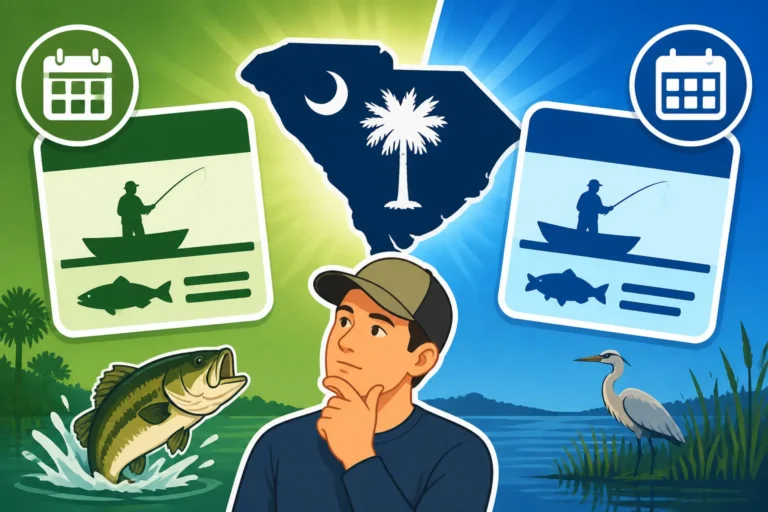
While the annual $75 license might seem like a straightforward option, South Carolina actually offers a few different choices for non-residents who want to fish in our salty waters. Understanding these options, including the South Carolina Nonresident Saltwater Fishing License 7-Day Cost and even 1-day options, is crucial for picking the license that best fits your travel plans and budget. Let’s break them down in a handy table:
| License Type | Duration | Cost | Best For |
|---|---|---|---|
| Nonresident Annual Saltwater | 365 Days | $75 | Frequent visitors, extended stays, multiple trips within a year. |
| Nonresident 7-Day Saltwater | 7 Days | $35 | Week-long vacations, single fishing trips where you'll fish for several days. |
| Nonresident 1-Day Saltwater | 1 Day | $10 | Short visits, trying out saltwater fishing, or a spur-of-the-moment decision to cast a line. |
Looking at this table, it becomes clear that the $75 annual license offers the most value if you plan to visit South Carolina's coast for fishing more than twice a year, or for a single trip that lasts longer than a couple of weeks. For example, if you visit for two separate 7-day trips, you'd spend $70 on two 7-day licenses ($35 x 2). At that point, spending just $5 more for the annual license makes a lot of sense, giving you coverage for any impromptu trips that might arise. This really puts into perspective the Annual vs 7-Day Nonresident Saltwater License: Which Saves More.
Consider a scenario: you come down to Myrtle Beach every spring for a family vacation, and then again in the fall for a fishing-focused getaway. Each trip, you spend a few days fishing. Instead of buying two 7-day licenses, which would total $70, the $75 annual license covers both trips with just a small additional cost, offering flexibility. If you only plan a single weekend trip, however, the 1-day or 7-day options are far more economical. It’s all about matching the license to your specific needs, so you’re not overpaying or, worse, under-licensed.
How to Purchase Your South Carolina Nonresident Annual Saltwater License
Getting your hands on a South Carolina nonresident annual saltwater fishing license is actually quite simple, thanks to modern technology. You have a few convenient avenues to choose from, ensuring you can secure your license well before your trip or even when you're already here and ready to fish.
Online Through Go Outdoors South Carolina
The easiest and most popular method for purchasing a fishing license, especially for out-of-state visitors, is through the South Carolina Department of Natural Resources' online portal, "Go Outdoors South Carolina." This platform allows you to purchase your license from the comfort of your home, anytime, day or night.
- Visit the Go Outdoors SC Website: Just navigate to the official Go Outdoors South Carolina site. You'll likely need to create an account if you don't already have one. This process is straightforward and typically involves providing some personal information like your name, address, and date of birth.
- Select Your License: Once logged in, you can browse the available licenses. Look specifically for the "Nonresident Annual Saltwater Fishing License."
- Complete the Purchase: Add the license to your cart and proceed to checkout. You'll need a valid credit or debit card for payment. The system is secure, and you'll receive a confirmation email once your purchase is complete.
- Print or Save Your License: You'll typically have the option to print a physical copy of your license or save a digital version to your phone. It's always a good idea to have both a physical and digital copy, just in case. After all, technology can be finicky sometimes, and having that paper backup in your tackle box or wallet is a smart move. This also ties into important information regarding South Carolina Fishing License Requirements in South Carolina.
In-Person at Authorized Vendors
If you prefer a more traditional approach or find yourself needing a license on short notice after arriving, you can purchase it in person. Many sporting goods stores, bait and tackle shops, and even some Walmarts in South Carolina are authorized vendors for SCDNR licenses.
When you walk into a store, just ask for the nonresident annual saltwater fishing license. They will typically guide you through the process, which usually involves entering your details into their system and printing your license on the spot. This can be particularly helpful if you have questions about specific local regulations or need to pick up some last-minute fishing gear from places like Amazon, or even some local bait and tackle shop recommendations. Stores like Haddrell's Point Tackle & Supply in Charleston or Seven Seas Seafood Market & Tackle in Murrells Inlet are great resources for both licenses and local expertise. Remember to bring a valid ID!
Over the Phone
Another convenient option is to purchase your license over the phone. The SCDNR offers a phone service where you can speak to a representative, provide your information, and complete the purchase. They can then send you a digital copy of your license. While less common than online or in-person purchases, this can be a good alternative if you have specific questions or prefer to talk to a person.
No matter which method you choose, the key is to ensure you have your license in hand (or on your phone) before your line hits the water. Fishing License Requirements in South Carolina are strictly enforced, and conservation officers do check. Being prepared means a stress-free and enjoyable fishing trip.
South Carolina's Saltwater Fishing Regulations You Need to Know
Securing your $75 nonresident annual saltwater license is the first step, but it's equally important to be aware of the specific rules and regulations governing saltwater fishing in South Carolina. These regulations are in place to ensure the sustainability of our marine ecosystems and provide fair opportunities for all anglers. Ignorance of the law is never an excuse, so let's touch on some of the critical areas you'll need to pay attention to.
Species-Specific Bag and Size Limits
South Carolina has strict daily bag limits and minimum size requirements for most popular game fish. These aren't arbitrary; they're based on scientific data about fish populations and reproductive cycles. For instance, the redfish slot limit in South Carolina is typically 15-23 inches, with a bag limit of 2 fish per person per day, and a vessel limit of 6 red drum per day regardless of the number of licensed fishermen aboard. The South Carolina Redfish Vessel Limit Explained clarifies these nuances. Similarly, for spotted seatrout, you'll find a minimum size limit and a specific daily bag limit, which can change seasonally. Always check the most current regulations provided by SCDNR before you head out, as these can be updated.
It's common for anglers to use a measuring device, often a tape measure or a marked cooler, to ensure their catch meets the legal size. It's also critical to count your fish carefully. Accidentally keeping an undersized fish or going over your bag limit can lead to fines and even confiscation of your gear and catch. You can even buy handy fish measuring decals for your boat or cooler on Amazon, making compliance a breeze.
Seasons and Closures
While many popular saltwater species can be caught year-round, certain species or fishing methods might have specific open and closed seasons. For example, flounder gigging often has seasonal closures to protect spawning populations. Understanding these seasonal variations is part of responsible angling. The South Carolina Spotted Seatrout Gigging Ban Explained is a prime example of a seasonal restriction that all anglers, especially those targeting trout, should be aware of.
These seasonal closures are designed to give fish populations a chance to recover and reproduce, ensuring healthy fisheries for future generations. Before any trip, a quick check of the SCDNR website or a call to a local bait shop can clarify any current closures that might affect your target species.
Protected Species and Areas
South Carolina's waters are home to numerous species, some of which are protected by state or federal law. Sturgeon, for example, are a federally protected species, and catching one requires immediate and careful release. There may also be certain areas, such as marine protected areas or oyster beds, where fishing is restricted or prohibited to protect sensitive habitats.
Always be vigilant about identifying your catch and understanding if it's a protected species. If you accidentally hook a protected fish, release it quickly and with as little harm as possible. Being mindful of sensitive habitats, especially when wading or using a boat, contributes to the overall health of the ecosystem you're enjoying.
Remember, fishing is a privilege, and respecting the rules helps preserve this incredible pastime for everyone. Always keep your fishing license accessible, whether as a digital copy on your phone or a physical card in your wallet, as marine patrol officers can and will ask to see it. Being prepared makes for a much more enjoyable day on the water.
South Carolina Nonresident Annual Fishing License Costs and Value Breakdown
Let's really dig into the value proposition of that $75 nonresident annual saltwater license. When you consider the bigger picture of what it unlocks, it's often more than just a fee – it's an investment in your passion and the state's natural resources. We've talked about the South Carolina Annual Fishing License Price Breakdown for residents being significantly lower, which is standard across most states. But for out-of-state anglers, that $75 covers a full 365 days of potential fishing opportunities in some of the most beautiful and productive coastal waters on the East Coast.
Imagine you're an avid angler from North Carolina or Georgia, and you love hitting the marshes around Charleston or Beaufort a few times a year. If you were to buy short-term licenses for, say, three separate week-long trips, you'd quickly exceed the $75 annual cost. Three 7-day licenses would run you $105 ($35 x 3), making the annual license a clear winner. Even if you're only making two longer trips, the annual license still often proves to be the more economical and convenient choice. This makes the $75 Nonresident Annual Saltwater License Explained an appealing option for many.
Beyond the raw numbers, there's the convenience factor. With an annual license, you don't have to worry about remembering to buy a new one every time you cross the state line. It's one less thing to stress about when you're planning your trip or packing your fishing gear. You just make sure your license is still valid, grab your rod, and go. This is especially helpful for those spur-of-the-moment weekend trips that sometimes pop up. Having an annual license means you're always ready, whether you're planning months in advance or just decided to pack the car on a Friday morning. You might even find yourself browsing Amazon for new fishing clothes or tackle, knowing your license is already taken care of.
The funds generated from these licenses directly contribute to the conservation and management efforts that keep South Carolina's saltwater fisheries healthy. This includes scientific research, habitat protection, and ensuring enforcement of regulations. So, while you're enjoying catching redfish in a shallow marsh, you can take some satisfaction knowing your license fee is helping to sustain that very experience for years to come. It’s a small price to pay for access to such a vibrant and well-managed fishery.
Disclaimer
Please note that fishing regulations, including license costs and bag limits, are subject to change. Always consult the official South Carolina Department of Natural Resources (SCDNR) website or their current regulations guide before heading out on the water to ensure you have the most up-to-date information. This guide is for informational purposes only and should not be considered legal advice.