How Water Temperature Affects Fish Feeding
Have you ever spent hours on the water, trying every lure in your tackle box, only to come up empty-handed while someone else in the same area is reeling in fish after fish? It's incredibly frustrating, and often, the secret isn't just about bait or location, but something far more fundamental: water temperature. Fish are cold-blooded, and their entire world, including when, where, and how aggressively they feed, revolves around the temperature of the water they inhabit. This guide will dive deep into how these temperature fluctuations dictate fish behavior across South Carolina's diverse waters, helping you crack the code to more successful outings.
The Science of Cold-Blooded Creatures: Why Temperature Matters So Much
For us humans, a slight temperature change might mean putting on a jacket or turning up the AC. But for fish, who can't regulate their own body temperature, even a few degrees can be the difference between a feeding frenzy and shutting down completely. This isn't just a preference; it's a matter of basic biology that impacts everything from their metabolism to their very survival.
Understanding Fish Metabolism and Activity Levels
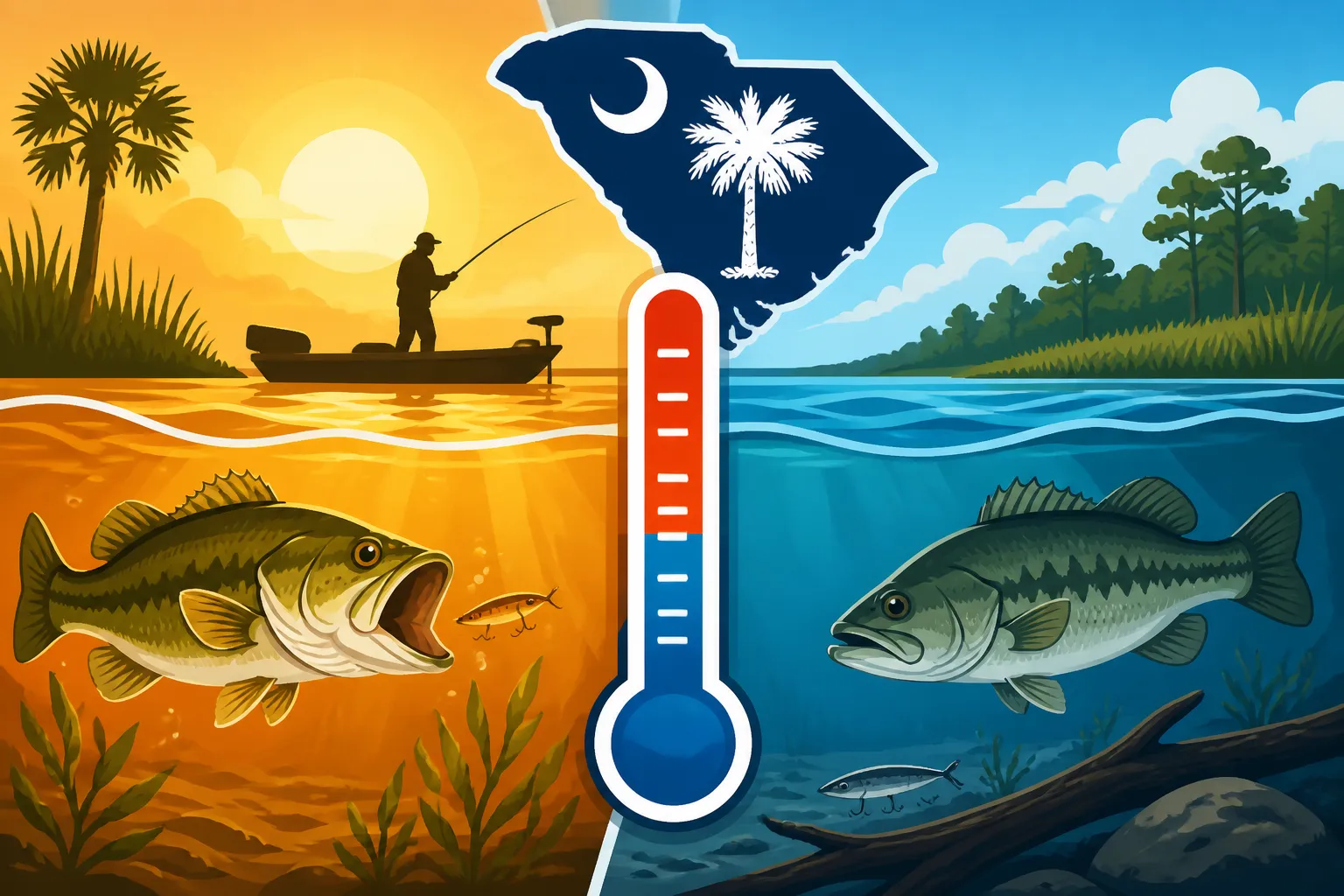
Think of a fish's metabolism like an engine – it runs faster in warmer water and much slower in colder water. When the water is warm, their digestive systems work quickly, they need more food to sustain themselves, and they're generally more active, darting around and aggressively chasing prey. This is why you often see explosive topwater bites on a warm summer morning. Conversely, in cold water, their metabolism slows to a crawl. They digest food at a much reduced rate, requiring less energy, and become more lethargic. They're not going to expend a lot of energy chasing a fast-moving lure, and they'll likely stick to deeper, more stable water where conditions are less harsh. Understanding this fundamental principle is key to adapting your approach. You wouldn't expect a sleepy person to run a marathon, and you shouldn't expect a sluggish, cold-water fish to chase a speedy crankbait.
This metabolic shift also affects how quickly a fish recovers from being caught. In warmer waters, a fish fighting hard to get off the hook might deplete its oxygen reserves faster, making it more vulnerable to stress after release. This is particularly important for catch-and-release anglers, who should handle fish as gently and quickly as possible, especially when water temperatures are high. Knowing the water temperature can even influence your decision on whether to fish certain species at all during extreme heat.
The Thermal Comfort Zone: Every Species Has One
Just like people have a preferred temperature range, every fish species has what's called a "thermal comfort zone" or optimal temperature range where they are most active and feed most efficiently. Venture outside this zone, and their feeding patterns will change dramatically, or they might even stop eating altogether. For instance, largemouth bass are generally most active and feed voraciously when water temperatures are between the mid-60s and low-80s Fahrenheit. Go much colder, and they'll get sluggish; go much hotter, and they might seek deep, cooler water or become stressed. Largemouth Bass Fishing in South Carolina: The Complete Guide dives deeper into targeting these popular fish.
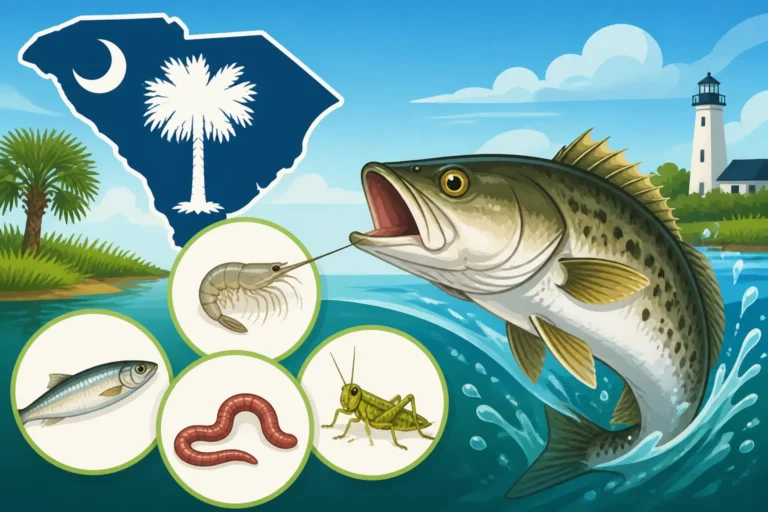
Redfish, a saltwater favorite along the South Carolina coast, thrive in a slightly different range, often preferring temperatures from the low 70s to low 80s, but can tolerate a wider span. Spotted seatrout, another inshore staple, tend to like slightly cooler water than redfish, often in the upper 60s to mid-70s for peak activity. Even a seemingly small two or three-degree difference can shift fish from one area to another, or from actively feeding to hunkering down. That's why having a good idea of the target species' preferred temperature range is as important as knowing their preferred habitat.
Seasonal Temperature Shifts and Their Impact on Feeding
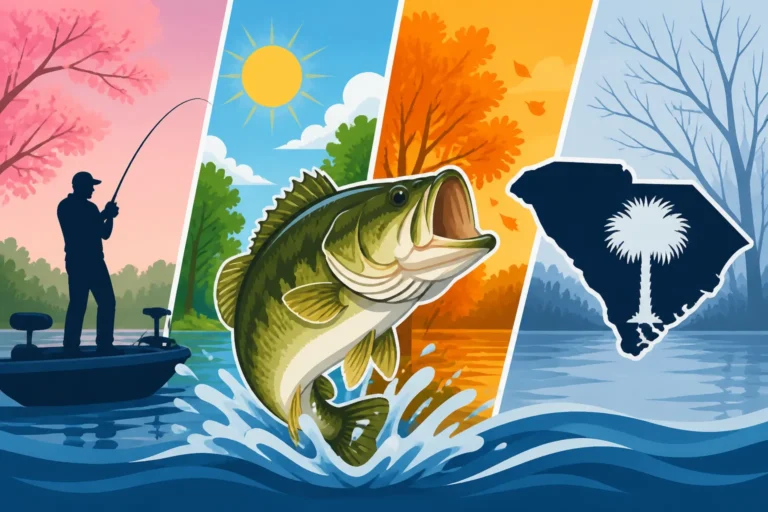
South Carolina experiences four distinct seasons, and with each one comes significant changes in water temperature, profoundly influencing how and where fish behave. Understanding these seasonal patterns is fundamental to year-round success on the water. If you want a full overview of the fishing year, check out South Carolina Fishing Seasons Guide.
Spring: Warming Waters and the Explosion of Activity
Ah, spring! This is arguably one of the most exciting times to fish in South Carolina. As the days lengthen and the sun gets higher, water temperatures begin to steadily climb out of their winter lows. This warming trend kickstarts the fish's metabolism, signaling that it's time to feed heavily and prepare for the upcoming spawn. You'll notice fish becoming much more active, moving from their deeper winter haunts into shallower flats, coves, and banks where the sun's rays warm the water first. The bite can be incredible during this period.
In early spring, when water temperatures might still be in the 50s, fish might still be a bit sluggish, preferring slower presentations. But as temperatures push into the 60s, things really heat up. This is prime time for species like largemouth bass, which move into shallower areas for their pre-spawn feast. Largemouth Bass Spawn Timing in South Carolina Reservoirs offers more details on this crucial period. You'll often find them gorging on baitfish, crawfish, and anything else they can get their mouths on. Live bait like shiners or worms, or artificials like spinnerbaits, crankbaits, and jigs, become incredibly effective. The key is to follow the warming water – sometimes just a few degrees warmer in a specific cove or on a sunny bank can make all the difference.
Summer: Hot Temperatures and Stressful Conditions
Summer in South Carolina brings long, hot days, and with it, often challenging fishing conditions. Water temperatures can soar into the upper 80s and even low 90s, especially in shallower lakes and coastal estuaries. While fish metabolism is at its peak, these extreme temperatures can also lead to oxygen depletion in some waters, stressing fish and making them lethargic. Many species, especially freshwater ones like bass, will seek refuge in deeper, cooler water, around submerged structures, or in shaded areas.
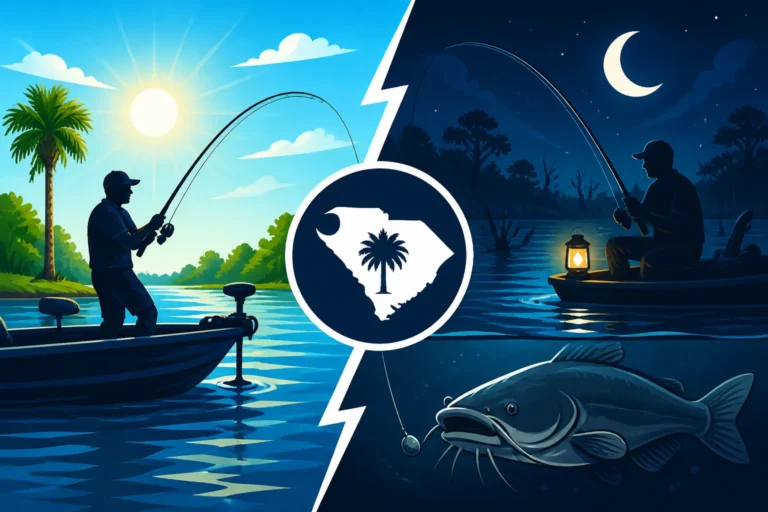
Early mornings and late evenings become the prime feeding windows as the sun is less intense and surface water temperatures are at their lowest. Night fishing can also be incredibly productive for species like catfish, which thrive in warmer conditions. Catfish Fishing Techniques for South Carolina Lakes in Summer explores these opportunities. During the heat of the day, slow down your presentation, fish deeper, and target areas with current or cover. Live bait can often outperform artificials when fish are sluggish, as it requires less effort for them to strike. Consider looking for fish around deep docks, ledges, or the mouths of creeks where cooler water might be entering.
Fall: Cooling Down and the Pre-Winter Feast
After the long, hot summer, fall brings a welcome cool-down to South Carolina's waters, rejuvenating fish and igniting another intense feeding period. As air temperatures drop, so do the water temperatures, signaling to fish that winter is coming and they need to pack on calories. This is often referred to as the "fall feeding frenzy" or "winterization" period. Baitfish begin to school up more tightly, and predatory fish like bass, stripers, and redfish will aggressively chase them.
Water temperatures gradually drop from the 80s into the 60s and eventually 50s throughout the fall. In freshwater, you'll see largemouth bass and striped bass actively schooling and busting bait on the surface, especially in impoundments like Lake Murray and the Santee Cooper lakes. Lake Murray Summer Striped Bass Techniques in South Carolina (even though it says summer, stripers are often found in similar open water patterns in fall). In saltwater, redfish and speckled trout become incredibly active in the estuaries, moving into shallower marsh grass flats on cooler, sunny days. South Carolina Redfish Slot Limit and Tide-Based Techniques can offer insights into these coastal pursuits. This is a fantastic time for both artificial lures that imitate baitfish (like topwaters, jerkbaits, and swimbaits) and live bait. The fish are often more forgiving with presentations due to their aggressive feeding posture.
Winter: Slow and Steady Wins the Race
Winter fishing in South Carolina can be challenging, but it's far from impossible, especially for dedicated anglers. Water temperatures dip to their lowest points, often in the 40s and low 50s in freshwater, and generally staying above the 50s in many coastal areas. Fish metabolism slows down significantly, and they become much less active. This doesn't mean they stop eating entirely, but their feeding windows are shorter, and their strikes are often much more subtle. Winter Fishing Techniques in South Carolina Lakes provides a deeper dive into this season.
During winter, fish tend to gravitate towards deeper, more stable water where temperatures fluctuate less. They'll often school tightly around structure like humps, ledges, and deep brush piles in freshwater lakes, or gather in deeper channels and creeks in saltwater estuaries. Your approach needs to change dramatically: slow down your retrieve, use smaller baits, and focus on vertical presentations like jigging. Live bait, presented subtly, can be incredibly effective when artificials are ignored. Focus on the warmest parts of the day, usually mid-afternoon, when the sun has had a chance to slightly warm the water. Even a one-degree increase can trigger a short feeding burst. For more specific insights on coastal winter fishing, refer to Spotted Seatrout in South Carolina Waters: The Full Guide.
Reading the Water: Tools and Techniques for Temperature-Driven Angling
Understanding the theoretical impact of water temperature is one thing, but actively using that knowledge on the water is another. Modern angling offers a variety of tools and techniques to help you read the water and adapt your strategy for optimal success.
Essential Gear for Temperature Monitoring
You might think you need a fancy boat with all the bells and whistles, but accurate water temperature readings are accessible to almost everyone. The most basic tool is a simple handheld water thermometer, which you can drop in the water at different depths or locations. Many portable fish finders or depth sounders, even more affordable models, now come with built-in temperature sensors that give you a surface reading. High-end units will often give you a temperature graph throughout the water column, which is incredibly useful for finding thermoclines (layers of rapid temperature change) where fish often hold in summer.
You can find a variety of reliable portable thermometers or budget-friendly fish finders with temperature sensors on platforms like Amazon, making it easy to add this crucial tool to your arsenal without breaking the bank. Even just knowing the general surface temperature can help you narrow down your approach. For example, if you're targeting bass and the surface temperature is 48 degrees, you know they're going to be deep and lethargic, requiring a slow, finesse presentation. If it's 72 degrees, they might be shallower and more active.
Adjusting Your Strategy: Lures, Baits, and Presentation
Once you have a handle on the water temperature, it's time to adjust your actual fishing strategy. This means thinking about everything from the type of lure or bait you're using to how fast you're retrieving it, and even the colors you choose.
Cold Water (Below 55-60°F):
- Lures/Baits: Think slow, subtle, and appealing to sluggish fish. Jigs (especially football jigs or hair jigs), Ned rigs, drop shots, suspending jerkbaits, and slow-rolling crankbaits are excellent choices. Live bait like shiners or nightcrawlers can also be highly effective. For trout, smaller spinners or flies drifted naturally are key.
- Presentation: Slow everything down. Very slow retrieves, long pauses, and minimal action are crucial. Fish are less likely to chase, so put the bait right in front of them and let it sit. Focus on vertical presentations in deeper water where fish are often schooled up. Think about How Cold Fronts Affect Fish Behavior – similar principles apply, as cold fronts drop water temps.
Optimal/Transitional Water (60-75°F):
- Lures/Baits: This is the sweet spot where most fish are highly active. The world is your oyster! Spinnerbaits, chatterbaits, crankbaits (square bills in shallow, deeper divers in open water), jerkbaits, topwaters, soft plastics (Texas rigs, Carolina rigs, wacky rigs), swimbaits, and buzzbaits are all fair game. Live bait is still effective but often not necessary due to aggressive bites.
- Presentation: You can afford to be more aggressive. Faster retrieves, more erratic actions, and covering water quickly are often productive. Fish will chase and react to movement. This is when you'll see those exciting surface strikes.
Warm Water (Above 75°F):
- Lures/Baits: When it's really hot, fish can either be extremely aggressive in low-light conditions or very finicky and deep during the day. Topwaters, frogs, and buzzbaits can be great early and late. During the day, switch to deep-diving crankbaits, jigs, heavy Texas rigs, or drop shots to target deep structure. Live bait is often a consistent producer when fish are lethargic due to heat. For coastal species like redfish, consider live shrimp or cut bait near deeper channels or current.
- Presentation: During prime times (dawn/dusk), you can be energetic. During the heat of the day, go back to a slower, more deliberate retrieve, often in deeper, shadier areas. Focus on precise casts to cover or structure where fish are seeking refuge. Keep in mind that What Water Temperature Affects Morning Bite Timing is critical here – the coolest part of the day is often the best.
Knowing how water temperature affects fish feeding is truly one of the most impactful pieces of knowledge you can carry onto the water. It turns those frustrating "why aren't they biting?" moments into "ah, the water's this temperature, so they'll be here, doing this." It takes practice to really dial it in, but once you start paying attention, you'll see a significant difference in your success rate. Remember that adapting your approach to temperature can turn a slow day into a memorable one. Don't be afraid to experiment, and always check the conditions before you cast!
| Water Temperature Range | Fish Activity Level | Preferred Locations (General) | Recommended Lure/Bait Types | Presentation Style |
|---|---|---|---|---|
| Below 50°F | Very Low (Lethargic) | Deepest holes, stable bottom structures, sheltered areas | Small jigs, Ned rigs, suspending jerkbaits, live minnows/worms | Extremely slow, subtle, vertical jigging, long pauses |
| 50°F – 60°F | Low to Medium | Deeper transition areas, beginning to move shallower on sunny days | Jigs, slow-rolling crankbaits, soft plastics, live bait | Slow, deliberate, target structure, focus on bottom contact |
| 60°F – 75°F | High (Optimal) | Shallow flats, creek channels, points, abundant cover | Wide variety: spinnerbaits, crankbaits, topwaters, soft plastics | Aggressive, varied retrieves, covering water quickly, reaction baits |
| Above 75°F | Medium to High (Can be stressed in extreme heat) | Deep structure, shade, current, early/late in day | Topwaters (low light), deep-diving crankbaits, heavy jigs, live bait | Fast in low light; slow and precise in deep/shaded areas during day |
Disclaimer
This article is for general informational purposes only and does not constitute professional advice. Laws, prices and regulations vary by location and change over time. Consult a qualified professional for guidance on your specific situation.