How to Catch Redfish on a Falling Tide
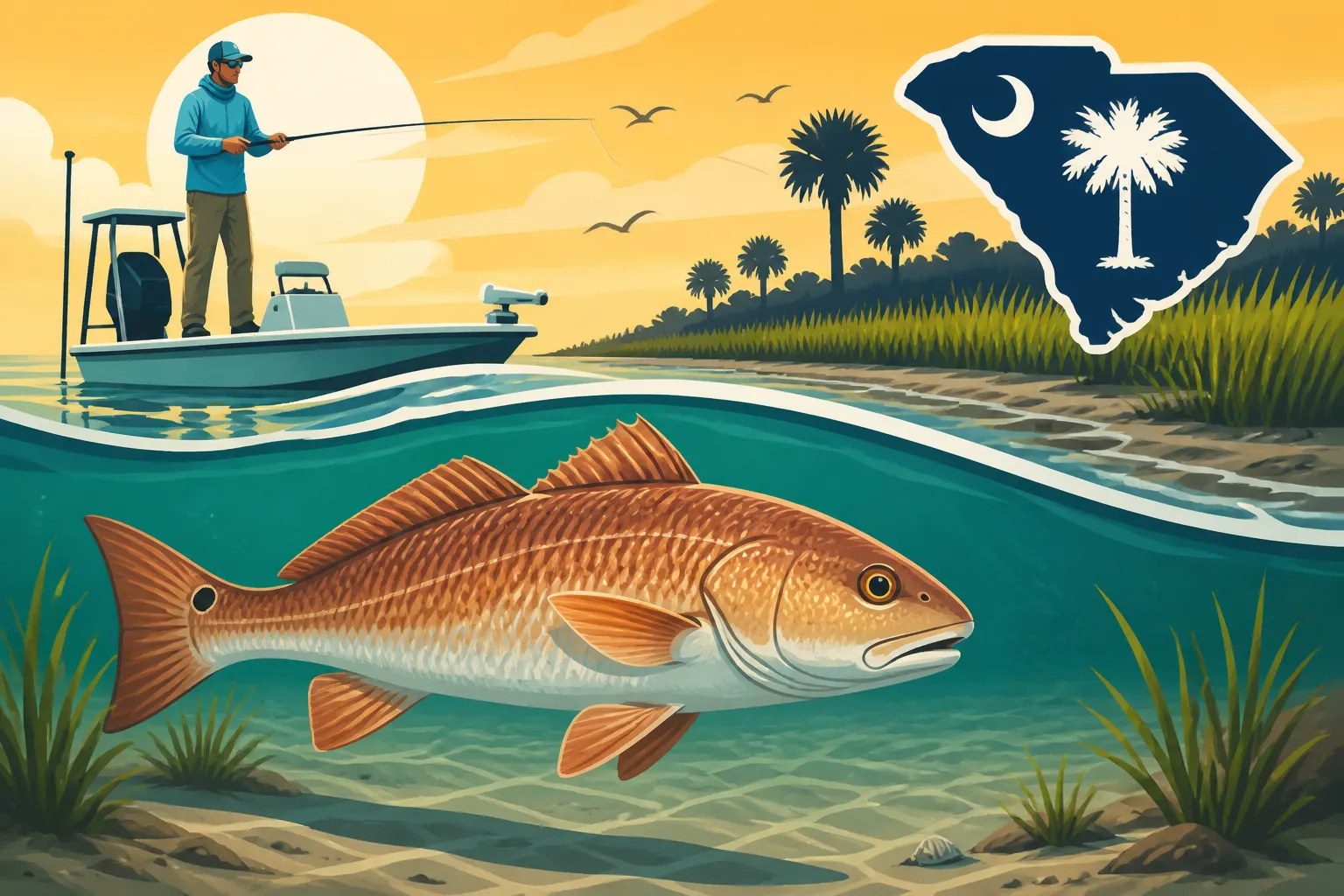
Many anglers get frustrated when the bite slows down, especially when the tide starts to turn and the water begins to drain out of the creeks and flats. It feels like the fish just disappear! But trust me, that falling tide isn't a signal to pack up your gear; it's a golden opportunity if you know where to look and what to do. This guide will walk you through exactly how to catch redfish on a falling tide in South Carolina, turning those challenging moments into your most successful ones.
Understanding Redfish Behavior on a Falling Tide
Redfish are incredible opportunists, always looking for their next meal. Their behavior shifts dramatically with the tides, and understanding these changes is the first step to consistently hooking up, especially when the water is receding. When the tide starts to fall, it acts like a natural conveyor belt, pulling baitfish, shrimp, and crabs out of their shallow hiding spots. This forces redfish to adjust their positions and hunting strategies.
Why Falling Tides Attract Redfish
Think of a falling tide like draining a bathtub. As the water level drops, everything that was spread out in the shallower areas gets concentrated into deeper channels, guts, and creek mouths. For a redfish, this is like a buffet table getting pushed closer and closer to them. They know that smaller prey items, like fiddler crabs scurrying off exposed marsh grass or shrimp being flushed from oyster beds, become much more vulnerable. This predictability makes falling tides prime hunting grounds for savvy redfish. They'll often stage themselves in ambush points, waiting for the current to deliver their next meal right to their mouths.
Identifying Key Feeding Zones as Water Recedes
Knowing where redfish go as the water pulls out is crucial. They don't just randomly swim around; they follow the contours of the bottom and the flow of the current. You'll find them congregating in specific areas that offer both cover and a steady stream of food. This includes the edges of oyster bars, deeper pockets within marsh creeks, the mouths of feeder creeks, and any sudden drops or ledges where bait can be swept over. Also, look for subtle depressions or troughs in larger flats that hold water longer, as these can become temporary havens for bait and, consequently, redfish. Paying attention to these subtle changes in depth and current flow can make all the difference.
Essential Gear and Bait for Falling Tide Redfish
Having the right tools for the job is non-negotiable when targeting redfish on a falling tide. The conditions – often shallower water, stronger currents, and sometimes muddy bottoms – demand specific setups. Don't just grab any rod; think about what will give you the best presentation and the power to land a hard-fighting red drum.
Rods, Reels, and Line Considerations
For inshore redfish, a medium to medium-heavy spinning rod, typically 7 to 7.5 feet in length, is a fantastic all-around choice. This length gives you good casting distance to cover more water and enough backbone to handle a strong fish in current. Pair it with a reliable 3000 to 4000 series spinning reel. Look for a reel with a smooth drag system, which is absolutely vital when a redfish decides to make a run.
For your line, 10 to 15 lb braided line is generally preferred. Braid offers incredible sensitivity, helping you feel even the softest bites, and its lack of stretch is a huge advantage when setting the hook. Always tie on a fluorocarbon leader, usually 20 to 30 lb test, using a strong knot like an FG knot. Fluorocarbon is nearly invisible underwater, which is a major plus in clearer falling tide waters, and its abrasion resistance protects your main line from sharp oyster shells or rough bottoms. You can find excellent quality braided line and fluorocarbon leaders on a platform like Amazon, making it easy to stock up before your next trip.
Best Baits and Lures for Falling Water
When the tide is falling, redfish are often less picky about what they eat, as long as it looks vulnerable and easy to snatch up. However, some baits and lures consistently outperform others.
Live Bait Options
Live bait is often king, especially when the water is murky or the bite is tough.
- Shrimp: Live shrimp are irresistible to redfish. Hook them through the horn or just under the tail, depending on how you want them to drift. They're excellent in moving water as they look natural.
- Fiddler Crabs: As the marsh drains, fiddler crabs are flushed out, making them a natural food source. Hook them through the point of their shell on one side, avoiding vital organs.
- Mud Minnows/Finger Mullet: These hardy baitfish are great for larger redfish. Hook them through the lips or just in front of the dorsal fin for a lively presentation.
Artificial Lure Choices
Artificial lures can be incredibly effective, especially if you enjoy an active fishing style.
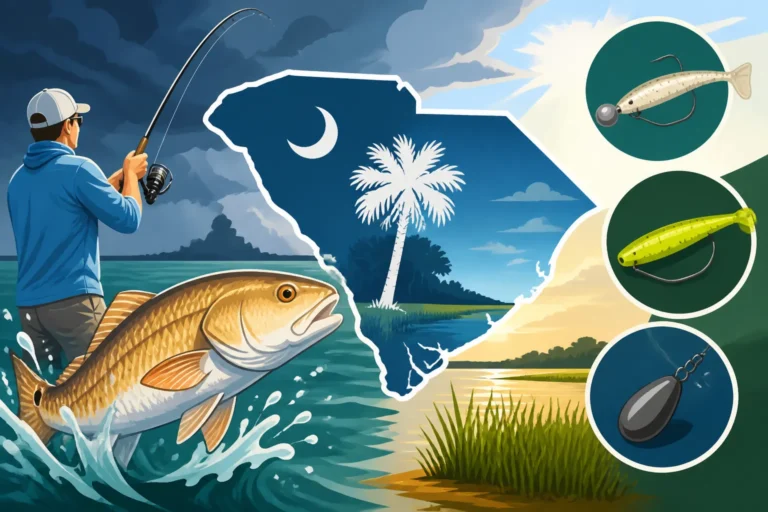
- Soft Plastics: Paddle tails, jerk shads, and Gulp! shrimp imitations on a 1/8 to 1/4 ounce jig head are deadly. The key is to match the hatch in terms of color and size to what the redfish are feeding on. Chartreuse, natural shrimp, and white are popular choices.
- Spoons: Gold or silver weedless spoons are fantastic for covering shallow flats where redfish might be rooting around. Their flash and wobble mimic fleeing baitfish.
- Topwater Lures: While less common on a hard falling tide, if you find calmer areas or the very beginning of the fall, a noisy topwater plug can draw explosive strikes. Always check the retrieve and action; some models are great for mimicking distressed baitfish being washed out of the grass.
- Scented Baits: Brands like Berkley Gulp! offer incredible scent dispersion, which can be a game-changer when redfish are relying more on smell in stained water. I always keep a variety of colors and sizes in my tackle box, picked up conveniently from Amazon.
Top Techniques for Targeting Redfish on a Falling Tide
Successfully catching redfish on a falling tide isn't just about having the right gear; it's about employing the right strategies that account for the changing water levels and current. Patience and observation are your best friends here.
Positioning and Presentation Strategies
Your boat or casting position is paramount. As the water falls, redfish often stage themselves along the deeper edges of creeks or oyster bars, waiting for bait to be flushed out. Try to position yourself upstream or upcurrent from these ambush points. This allows you to cast your bait or lure with the current, letting it drift naturally into the strike zone. A natural presentation is key; you don't want your bait fighting against the current as it will look unnatural and likely be ignored.
When presenting your bait, remember that redfish are often looking down for their food as it's being washed off the marsh. This means a bottom-bouncing presentation with a jig head or a Carolina rig can be incredibly effective. For soft plastics, a slow, steady retrieve with occasional twitches, mimicking a struggling baitfish, is often best. Don't be afraid to let your bait sit for a moment in a likely spot; redfish will often sniff around before committing.
Utilizing Current and Structure
The falling tide creates natural current lines and eddies that redfish instinctively use to their advantage. Look for areas where two currents meet, around points of land, or behind larger oyster shells or submerged logs. These are classic ambush spots where redfish can conserve energy while waiting for food to be delivered. Casting directly into these current seams and allowing your bait to drift naturally through them can be incredibly productive. You're essentially letting the current do the work of presenting your bait for you, just as it would present natural forage.
Structure, whether it's an oyster bar, a fallen tree, or a dock pilings, provides both cover and a concentrated food source. As the water falls, these structures become even more critical. Redfish will hug these features, especially on the downcurrent side, where they can easily pick off anything dislodged by the receding water. Always make multiple casts around any piece of structure, varying your retrieve and depth. Remember, subtle changes in depth or current flow around structure can hold an entire school of fish. You can learn more about how Redfish Slot Limit Rules for Coastal Anglers play into your harvest decisions.
Best Locations and Strategies for Falling Tide Redfish in South Carolina
South Carolina's diverse coastal environment, with its expansive marsh systems, tidal creeks, and oyster beds, offers endless opportunities for catching redfish on a falling tide. Knowing the characteristics of these areas and how to approach them can significantly increase your success.
Exploring Tidal Creeks and Oyster Bars
Tidal creeks are the lifeblood of South Carolina's inshore fishery, and they truly shine during a falling tide. As the water drains from the surrounding marsh, these creeks become highways for bait and redfish. Focus your efforts on the bends in the creeks, where deeper holes form, and along the edges of oyster bars. Oyster bars, especially, are magnets for redfish. They provide structure, shelter, and a smorgasbord of crabs and shrimp. As the water falls, redfish will often patrol the deeper edges of these bars, picking off anything that gets washed off. Try working a weedless spoon or a scented soft plastic jig along these edges. You might also want to consult a guide on Best Bait for Redfish in South Carolina's Marsh Creeks.
Another prime area is where smaller feeder creeks merge into larger ones. These junctions create natural funnels where bait gets concentrated, and redfish will often sit patiently, waiting for an easy meal. Fan casting across these junctions can often reveal where the fish are holding. Remember to pay close attention to the current. A slower, more controlled drift of your bait will almost always outfish a fast, erratic retrieve when fishing current-driven areas.
Fishing Shallow Flats and Potholes
While falling tides generally mean redfish move to deeper water, don't completely overlook shallow flats, especially those with prominent potholes or deeper guts. These areas can hold water longer than the surrounding marsh, creating temporary oases for baitfish and, consequently, hungry redfish. As the water level drops, redfish might "tail" in these potholes, with their tails breaking the surface as they root for crabs. This is a visual fishing paradise!
Approaching these spots quietly is essential. Use a push pole or a trolling motor to avoid spooking fish. Cast well beyond the pothole and retrieve your lure or bait into it, letting it sit briefly before a slow, tempting retrieve. A weedless gold spoon or a Gulp! shrimp on a light jig head can be incredibly effective here. These fish are often very focused on feeding, but they're also easily spooked in the shallow water. Knowing the Redfish Hot Spots Along the South Carolina Coastline can certainly give you an edge in finding these prime feeding areas.
Adapting to Water Clarity and Conditions
Water clarity can vary wildly in South Carolina's estuaries, from crystal clear to muddy brown, and it often changes with the tide. On a falling tide, especially after a rain event, water can be quite stained as runoff flushes through. This requires adaptation. In murkier water, redfish rely more on their other senses – smell and lateral line. This is where scented soft plastics (like those available on Amazon) or live bait shine. Brighter colors like chartreuse or glow can also be more visible. The vibration of a paddle tail can also help fish locate your lure.
In clearer water, where redfish have excellent visibility, your presentation becomes even more critical. Long fluorocarbon leaders, natural bait colors, and subtle, realistic retrieves are key. You might also need to cast further to avoid spooking fish. Keep an eye out for visual cues like baitfish schooling, birds diving, or actual redfish tails or wakes. Remember that Does Tide Timing Matter for South Carolina Redfish? Absolutely, and understanding how it affects clarity is part of the game.
Troubleshooting Common Falling Tide Challenges
Even with the best techniques, fishing on a falling tide can present its own unique set of challenges. It's easy to get discouraged when the fish aren't biting, but often, a small adjustment can turn your luck around.
Dealing With Strong Currents
A powerful falling tide current can make it difficult to get your bait to the bottom or present your lure naturally. Your lure might sweep away too quickly, or your jig head might not be heavy enough. The solution usually lies in adjusting your weight. Don't be afraid to go up a jig head size (e.g., from 1/8 oz to 1/4 oz or even 3/8 oz) to ensure your bait maintains bottom contact or stays in the strike zone longer. If using live bait on a Carolina rig, increase the size of your egg sinker.
Another tactic is to cast slightly upstream or upcurrent and allow your bait to settle before beginning your retrieve. This gives it time to sink and get into the feeding lane without being immediately swept away. Sometimes, a "dead stick" approach, where you cast your bait out and let the current do all the work while holding your rod steady, can be incredibly effective. Consider reading more about Inshore Redfish Techniques for Beginners to build a solid foundation.
Locating Relocated Redfish
Redfish are masters of adaptation. If you're not finding them where you expect during a falling tide, it's time to become a detective. They might have moved from the obvious creek mouth to a subtle depression in a flat that's holding water, or they might be tucked tight against an undercut bank for shelter from the current. Don't be afraid to move and explore different types of falling tide structure.
Look for signs of life: baitfish jumping, birds working, or even subtle muddy trails in shallow water indicating where a redfish has been rooting. Use your electronics to find deeper pockets or channels that aren't obvious from the surface. Sometimes, the fish are in plain sight but just a bit further upstream or downstream than you initially thought. Remember that Redfish are rarely far from food sources, so if you find bait, you’re likely to find them nearby. For more detailed information, look into Targeting Slot-Size Redfish in South Carolina's Lowcountry Estuaries to refine your hunting grounds.
Adjusting for Different Tides and Stages
The falling tide isn't a monolithic event; it has different stages, and redfish behavior can shift throughout. The initial stages, when water first starts to recede, might see redfish actively hunting in slightly shallower water before retreating to deeper areas as the tide drops further. The "dead low" tide, just before the turn, can also be productive as fish are concentrated in the deepest holes.
Pay attention to the strength of the tide as well. A "slow" falling tide might keep fish spread out longer, while a "fast" or "hard" falling tide will concentrate them more quickly in predictable spots. Keep track of what works best at different stages in your local spots. Over time, you'll develop a strong intuition for where the fish will be at any given point during the outgoing flow. This observational skill is what separates consistently successful anglers from those who just get lucky.
Table: Falling Tide Redfish Strategies by Location Type
| Location Type | Redfish Behavior | Recommended Strategy | Ideal Baits/Lures |
|---|---|---|---|
| Oyster Bars (Edges) | Patrols edges for flushed-out crabs/shrimp | Cast parallel to bar, slow retrieve with bottom contact | Live shrimp, fiddler crabs, scented soft plastics |
| Creek Mouths/Junctions | Ambushes bait exiting side creeks | Cast into current seams, let bait drift | Live bait, paddle tail jigs, small spoons |
| Shallow Flats (Potholes) | Tails or roots for crabs in residual water | Quiet approach, cast beyond pothole, slow retrieve | Weedless spoons, Gulp! shrimp, soft plastics |
| Deep Holes/Channel Bends | Concentrates in deepest water, less current | Bottom bouncing, Carolina rigs, jigs | Live mud minnows, cut bait, heavier soft plastic jigs |
| Undercut Banks/Docks | Seeks shelter and ambushes prey close to cover | Precise casts close to structure, slow jigs | Live shrimp, small jerk shads, scented jigs |
Ethical Angling and Conservation for Redfish
As passionate anglers, it's our responsibility to ensure healthy redfish populations for generations to come. This means not only following the regulations but also adopting ethical practices on the water, especially when dealing with such a prized sport fish like the red drum.
Understanding and Following Regulations
South Carolina has specific regulations in place to protect redfish, including size limits (often referred to as a slot limit) and daily bag limits. For example, understanding the South Carolina Redfish Slot Limit Rules is paramount. This slot limit is designed to allow juvenile fish to mature and reproduce before they are harvested, while also protecting the largest, most prolific breeding females. Always check the latest regulations before heading out, as they can change. The South Carolina Department of Natural Resources (SCDNR) website is your best source for up-to-date information.
Beyond the slot and bag limits, be aware of any vessel limits, which specify the maximum number of redfish that can be kept per boat, regardless of the number of anglers. This is an important detail that many overlook, and it's essential for group trips. Being informed and compliant protects you from fines and, more importantly, protects the fishery.
Best Practices for Catch and Release
Even if you plan to keep a slot-sized redfish, many you catch will fall outside the legal slot or you might simply choose to release them. Practicing proper catch and release techniques is vital for the survival of those fish.
- Minimize Fight Time: The longer a fish fights, the more exhausted it becomes. Use appropriate tackle to land fish efficiently.
- Handle With Care: Avoid touching the fish with dry hands, as this can remove their protective slime coat. If possible, keep the fish in the water while unhooking.
- Use Proper Tools: A good pair of de-hookers or needle-nose pliers can quickly remove hooks. Circle hooks are often recommended when fishing with bait, as they tend to hook fish in the corner of the mouth, reducing gut hooking.
- Revive Properly: If a fish is exhausted, hold it gently by the tail and jaw in the water, facing into the current. Move it back and forth slightly to push oxygen over its gills until it swims away under its own power. Don't just toss it back if it's struggling.
By following these guidelines, you're not just ensuring your own enjoyment of the sport but also contributing to the long-term health of South Carolina's incredible redfish population.
Disclaimer
This article is for general informational purposes only and does not constitute professional advice. Laws, prices and regulations vary by location and change over time. Consult a qualified professional for guidance on your specific situation.