Is Night Fishing Better for Catfish?
Many anglers, especially those new to the Palmetto State, wrestle with the age-old question: when is the best time to chase those elusive, whiskered giants? If you've ever spent a sweltering South Carolina afternoon on the water, only to return with an empty cooler, you know the frustration. This comprehensive guide will dive deep into the world of night fishing for catfish, exploring why it often yields better results, what gear you'll need, effective techniques, and crucial safety considerations for fishing under the stars in South Carolina.
Why Night Fishing for Catfish is Often Superior in South Carolina
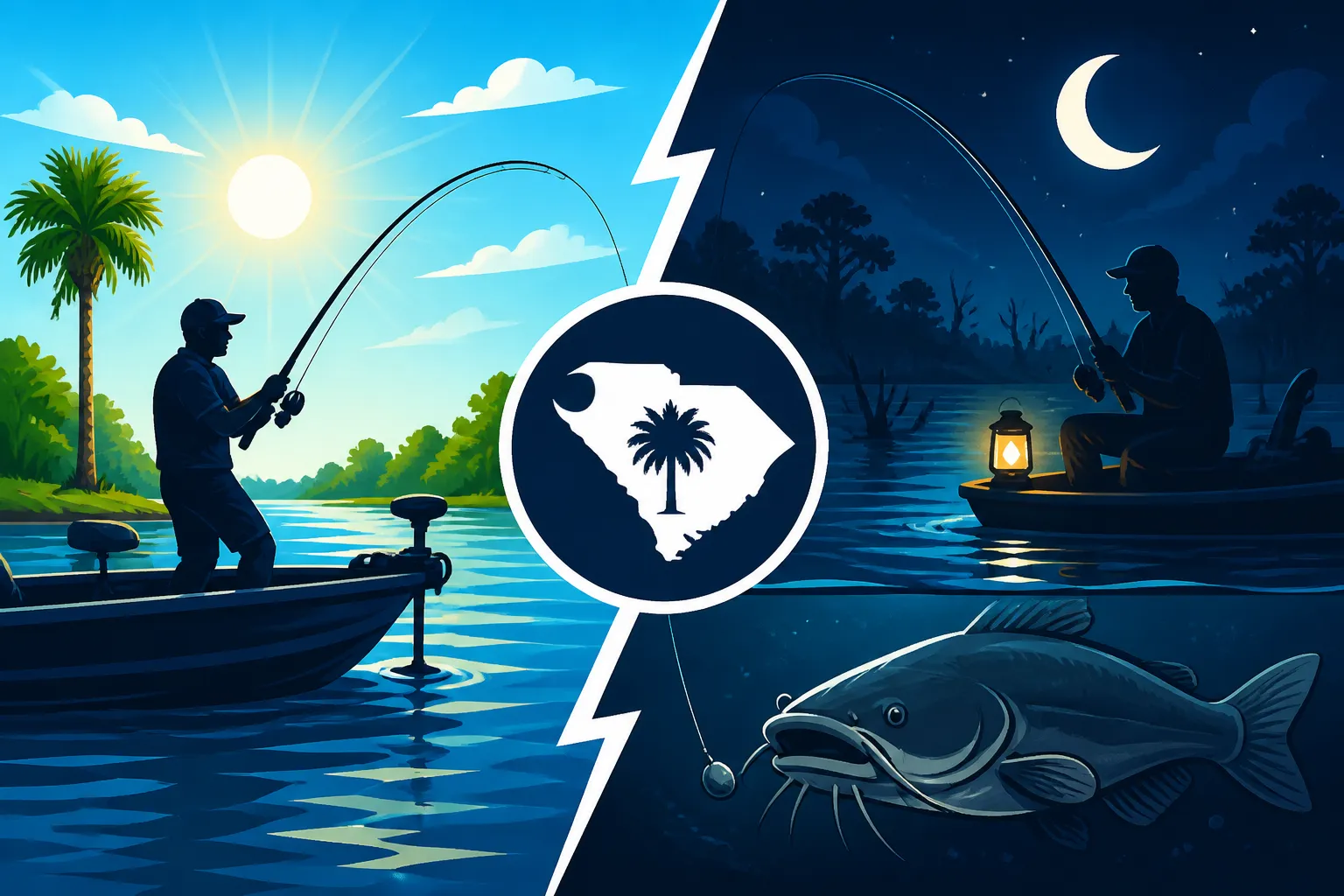
Let's face it, fishing in the scorching South Carolina sun can be brutal. But for catfish, the heat of the day often means a siesta, tucked away in cooler, deeper waters. When the sun dips below the horizon, however, a whole new world of opportunity opens up. Night fishing for catfish isn't just a preference for many seasoned anglers; it's often a strategic move that aligns perfectly with the catfish's natural instincts and behavior, particularly in our warm Southern climate.
The Catfish's Nocturnal Nature and Feeding Habits
Catfish are primarily nocturnal creatures, meaning they become most active under the cover of darkness. This isn't just a myth; it's rooted in their biology. Unlike many other game fish that rely heavily on sight, catfish possess an incredible arsenal of sensory tools that thrive in low-light conditions. Their long, sensitive barbels (whiskers) are packed with chemoreceptors, allowing them to "taste" and "smell" their environment with astonishing precision. This means they can detect even the faintest scent of prey, like a juicy chunk of cut bait, drifting through the water long before they see it.
During the day, especially when the sun is high and bright, catfish tend to retreat to deeper, cooler waters or hide beneath dense cover like logs, brush piles, or undercut banks. They're conserving energy, avoiding predators, and waiting for optimal feeding conditions. As dusk settles, and the water surface begins to cool, they emerge from their daytime sanctuaries. Their keen sense of smell, combined with a lateral line system that detects vibrations, becomes their superpower in the dark. They actively patrol shallower flats, creek mouths, and current breaks, searching for an easy meal. This shift in activity is precisely why your chances of hooking into a trophy blue or flathead catfish often skyrocket after sundown.
Beating the Heat and the Crowds
Beyond the catfish's biological preferences, night fishing offers a significant advantage for the angler: comfort and solitude. Summers in South Carolina can be stifling, with daytime temperatures soaring and humidity making every cast feel like a workout. Fishing after dark means escaping the oppressive heat, which can make a world of difference for your endurance and enjoyment. A comfortable angler is a more patient and persistent angler, and patience is definitely a virtue when targeting big catfish.
Furthermore, night fishing drastically reduces the competition. Many recreational boaters, jet skiers, and even other anglers pack up their gear as the sun goes down. This leaves the water bodies, from Lake Moultrie to the Congaree River, significantly less crowded. Imagine having your favorite spot on Lake Murray all to yourself, without battling boat wakes or tangled lines from nearby fishermen. This peaceful solitude allows for a more relaxed experience, enabling you to focus purely on your technique and the subtle tugs on your line. Less pressure on the fish often translates to more active and less wary feeders, further increasing your chances of success. It's a win-win: you're more comfortable, and the fish are more cooperative.
Essential Gear and Preparations for South Carolina Catfish Night Fishing
Embarking on a night fishing adventure for catfish in South Carolina requires a bit more foresight than a casual daytime trip. Safety and efficiency are paramount when you're operating in the dark. Having the right equipment isn't just about catching fish; it's about making sure your experience is safe, comfortable, and productive. Don't just grab your rod and go; take the time to prepare properly.
Lighting and Safety
When you're out on the water after dark, adequate lighting is non-negotiable. First and foremost, a reliable headlamp is your best friend. Look for one with adjustable brightness settings and a red-light option, as red light helps preserve your night vision and is less likely to spook fish. Carry at least two headlamps, or a headlamp and a powerful handheld flashlight, along with extra batteries. You never want to be caught in pitch darkness.
If you're fishing from a boat, ensure all your navigational lights are fully operational and easily visible. This is crucial for avoiding collisions with other vessels, even if the waters are less crowded. Consider adding some supplementary lighting, like small LED strips or glow sticks, around your console or in your livewell to make rigging baits or handling fish easier without blinding yourself. Attaching a glow stick to your rod tip can also help you see subtle bites in the dark. Beyond lighting, always wear a PFD (personal flotation device), especially when moving around the boat, and make sure your first-aid kit is fully stocked and easily accessible. A marine radio or fully charged cell phone is also critical for emergencies. Remember, safety first!
Bait and Rigging for Night Success
When it comes to catfish, scent is king, and that's especially true at night. Catfish rely heavily on their sense of smell to locate food in low visibility. Forget the fancy lures; this is the time for stinky, potent baits. Popular choices in South Carolina include fresh cut bait (like shad, mullet, or bluegill), chicken livers, nightcrawlers, and commercially prepared stink baits. Many anglers swear by a bloody piece of gizzard shad for targeting big flatheads and blues. You can even find specialized catfish baits and scents on platforms like Amazon that are designed to maximize scent dispersion in the water.
Your rigging should be robust. A classic Carolina rig or a three-way swivel rig is usually effective for bottom fishing. Use strong, sharp circle hooks in appropriate sizes for the catfish you're targeting – usually 5/0 to 8/0 for larger blues and flatheads. The circle hook is fantastic because it typically hooks the fish in the corner of the mouth, reducing gut-hooking and making catch-and-release easier if you're not keeping your catch. Ensure your leader material is strong and abrasion-resistant, as catfish often hang around structure that can fray lighter lines. For a detailed guide on how to set up your lines, consider checking out our article on How to Bottom Fish for Catfish.
Rods, Reels, and Line
Night fishing for catfish calls for heavy-duty gear that can withstand the powerful runs and formidable size of South Carolina's larger catfish species. You'll want sturdy medium-heavy to heavy action rods, typically 7 to 9 feet long, paired with baitcasting reels that have a reliable drag system and good line capacity. Many anglers prefer a low-profile baitcaster or a conventional reel for their power and ability to handle heavy lines and big fish.
As for line, braided line in the 30 to 60 lb test range is a popular choice for main line. Its lack of stretch provides incredible sensitivity, allowing you to feel even the slightest tap in the dark. This sensitivity is crucial when fishing by feel rather than sight. Plus, its strength and abrasion resistance are a huge advantage when battling a big catfish around submerged structure. Monofilament can also work, especially if you prefer its shock-absorbing qualities, but generally, braided line offers an edge in detecting those subtle nocturnal bites. Don't forget to have a sturdy landing net or a set of lip grippers for safely bringing your catch into the boat.
Top Techniques for Night Fishing Catfish in South Carolina
Once you have your gear ready, understanding where and how to present your bait becomes critical for success during your nighttime quest for catfish. South Carolina offers a diverse range of freshwater environments, from massive reservoirs like Lake Marion to powerful rivers such as the Santee, each with its own nuances for night fishing. Mastering a few key techniques can significantly boost your catch rate.
Targeting Structure and Depths
Catfish, even at night, are creatures of habit and gravitate towards certain types of structure. During the day, they might be deep, seeking refuge from the sun. But as night falls, they often move shallower to feed. Look for areas where deep water transitions into shallower feeding flats, especially near creek channels, river bends, and points. Submerged cover like brush piles, rock formations, and standing timber are always catfish magnets, providing ambush points for prey. On large reservoirs like Lake Wateree or Lake Hartwell, targeting underwater humps and ledges where baitfish congregate can be incredibly effective.
If you're fishing rivers, current breaks are prime locations. Catfish will often sit just out of the main current, waiting for food to be swept past them. Think about eddies, the downstream side of islands, bridge pilings, or fallen trees. Using your depth finder during the day to mark these spots, or simply consulting good quality lake maps, can save you a lot of time and guesswork in the dark. Remember, catfish are opportunistic feeders, so placing your bait where prey fish are likely to be present is key. For more tips on finding fish, you might find our guide on Best Catfish Fishing Spots in South Carolina helpful.
Anchoring and Positioning
Setting up your boat correctly is crucial for effective night fishing, especially if there's any current. You want to anchor upstream or upwind of your target area, allowing your baits to drift naturally into the feeding zone. Use two anchors if possible – one from the bow and one from the stern – to hold your boat steady and prevent it from swinging. This keeps your lines from getting tangled and ensures your bait stays where you want it. This technique is especially vital when learning How to Anchor for Catfish in Current.
When fishing from the bank, look for similar features: deep holes close to shore, submerged logs, or points that extend into the water. Casting your bait out and letting it settle on the bottom, or just off a drop-off, is a proven method. If you're fishing multiple rods, spread them out to cover different depths or areas of the structure. Always keep your rods within arm's reach and your drag set appropriately, as a big catfish can rip a rod right out of an unsecured holder.
Patience and Persistence
Catfish night fishing is rarely about constant action; it's often a game of patience and persistence. Catfish, particularly larger ones, can take their time to locate and commit to a bait. Once you've cast your lines, settle in and wait. Give the scent trail time to disperse and attract fish. Avoid constantly reeling in and re-casting unless you're sure your bait has been picked clean or moved out of the strike zone. Sometimes, the fish won't bite until the late hours of the night or just before dawn.
Pay close attention to your rod tips. Catfish bites can range from a gentle tap to a sudden, rod-bending lunge. If you're using circle hooks, resist the urge to set the hook aggressively. Instead, let the fish take the bait, and then slowly reel down, allowing the hook to set itself as the line tightens. Remember, a successful night out often comes down to covering productive water, presenting enticing bait, and having the discipline to wait for that telltale bite. For a more general approach to waiting for the bite, consider reading our article on Best Time of Day to Catch Catfish.
Navigating South Carolina's Night Waters and Regulations
While the allure of catching big catfish under the moonlight is strong, it's absolutely vital to prioritize safety and adhere to local regulations. South Carolina's waterways can be complex, and night operations introduce additional challenges. Being prepared and informed ensures a safe and legal fishing trip for everyone involved.
Safety Considerations Beyond Lighting
As discussed, lighting is paramount, but night fishing safety extends beyond just visible illumination. Always tell someone your float plan – where you're going, when you expect to return, and what vehicle you're driving. The buddy system is highly recommended; fishing with a partner provides an extra set of hands and eyes, and someone to help in an emergency.
Familiarize yourself with the waterway during daylight hours. Navigating an unfamiliar lake or river at night, especially with hidden stumps, shallow shoals, or sandbars, can be incredibly dangerous. Use GPS and charts to mark hazardous areas and your intended fishing spots. Watch the weather forecast closely; sudden storms or high winds can turn a pleasant night into a perilous one. A reliable first aid kit, a throwable flotation device, and knowledge of basic knots and boat maintenance are also essential. Remember, there are fewer people out at night to offer assistance if you run into trouble.
Local Regulations and Catfish Limits
Before you even think about casting a line, ensure you have the appropriate South Carolina fishing license. You can find comprehensive details in our guide on the South Carolina Fishing License Guide. This is not something to overlook; game wardens are active day and night.
For catfish, South Carolina has specific regulations regarding daily bag limits and sometimes size limits, which can vary by species (Blue Catfish, Channel Catfish, Flathead Catfish) and even by specific water body. For example, large blue catfish on certain lakes might have slot limits or trophy fish regulations. It's crucial to check the current South Carolina Department of Natural Resources (SCDNR) regulations before each trip. These can sometimes change, so a quick check of the latest fishing handbook is always a good idea. You don't want to get caught with an illegal catch. Our article on South Carolina Fishing Bag Limits Explained provides a good overview, but always double-check the latest official sources.
Respecting the Environment
Finally, night fishing offers a unique opportunity to connect with nature in a profound way, but it comes with the responsibility of stewardship. Practice Leave No Trace principles diligently. Pack out everything you pack in, including bait containers, discarded fishing line, and any food wrappers. Fishing line, in particular, can be deadly to wildlife.
Be mindful of noise levels, especially if you're fishing near residential areas or other campers. The quiet of the night is part of its charm, and you don't want to disturb others enjoying the peace. Properly dispose of fish carcasses. If you're cleaning your catch on the water, ensure any scraps are discarded in deep water or brought back to shore for proper disposal, not left to wash up on someone's property. By being respectful of the environment and fellow outdoors enthusiasts, you ensure that South Carolina's incredible catfish fisheries remain healthy and enjoyable for generations to come.
| Feature | Daytime Catfishing | Nighttime Catfishing |
|---|---|---|
| Catfish Activity | Often less active, hiding in deeper, cooler water. | Highly active, emerging to feed, keen senses. |
| Angler Comfort | Hot, humid, direct sun exposure. | Cooler temperatures, more comfortable. |
| Crowd Levels | Can be very crowded, especially on popular lakes. | Significantly fewer boats and anglers. |
| Primary Senses Used | Sight, smell, vibration. | Smell, vibration (lateral line) are dominant. |
| Bait Effectiveness | Still effective, but less critical. | Potent, smelly baits are highly advantageous. |
| Visibility | Excellent. | Low to none, requires artificial lighting. |
| Safety Concerns | Sunburn, dehydration, boat traffic. | Navigation hazards, limited visibility, emergencies. |
| Fish Location | Often deeper, near structure. | May move shallower, near creek mouths, flats. |
Disclaimer
This article is for general informational purposes only and does not constitute professional advice. Laws, prices and regulations vary by location and change over time. Consult a qualified professional for guidance on your specific situation.