Best Fishing Spots Near Charleston, South Carolina
Trying to figure out the absolute best fishing spots near Charleston, South Carolina, can feel a bit like wading into a vast marsh with a dozen different paths – exciting, but also overwhelming if you don't know where to start. With so much diverse water, from bustling harbors to tranquil backcountry creeks and the wide-open ocean, pinpointing where to cast your line for a truly memorable experience is key. This guide is here to cut through the confusion, offering a deep dive into the most productive and enjoyable fishing locations around the Holy City, ensuring your next outing is a reel success.
Navigating Charleston's Diverse Fishing Landscape
Charleston is truly a fishing paradise, but its incredible diversity can sometimes be its biggest challenge for newcomers or even seasoned anglers looking to explore new territory. You've got everything from serene freshwater ponds just outside the city to the roaring Atlantic, each offering a completely different experience and requiring distinct approaches. Understanding these different fishing environments is the first step to unlocking their potential.
Understanding Inshore vs. Nearshore vs. Offshore
When people talk about fishing around Charleston, you'll often hear terms like "inshore," "nearshore," and "offshore." These aren't just fancy angler jargon; they describe fundamentally different types of fishing with varying accessibility, target species, and required gear. Knowing the distinction will help you decide what kind of adventure you're looking for.
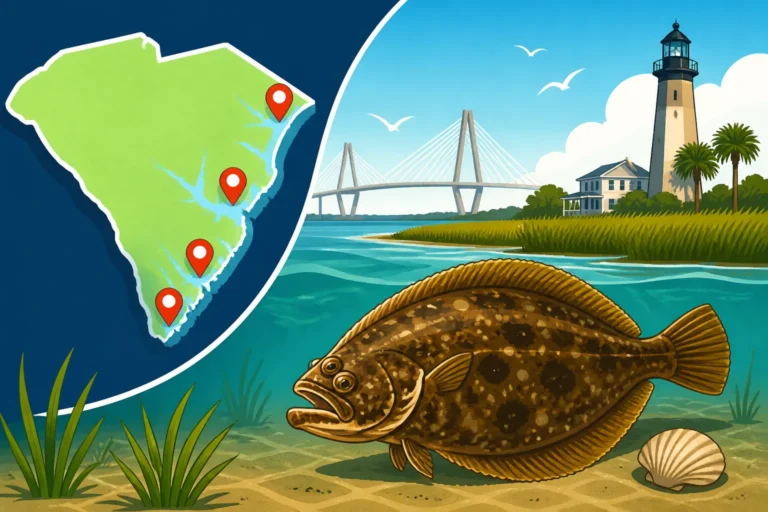
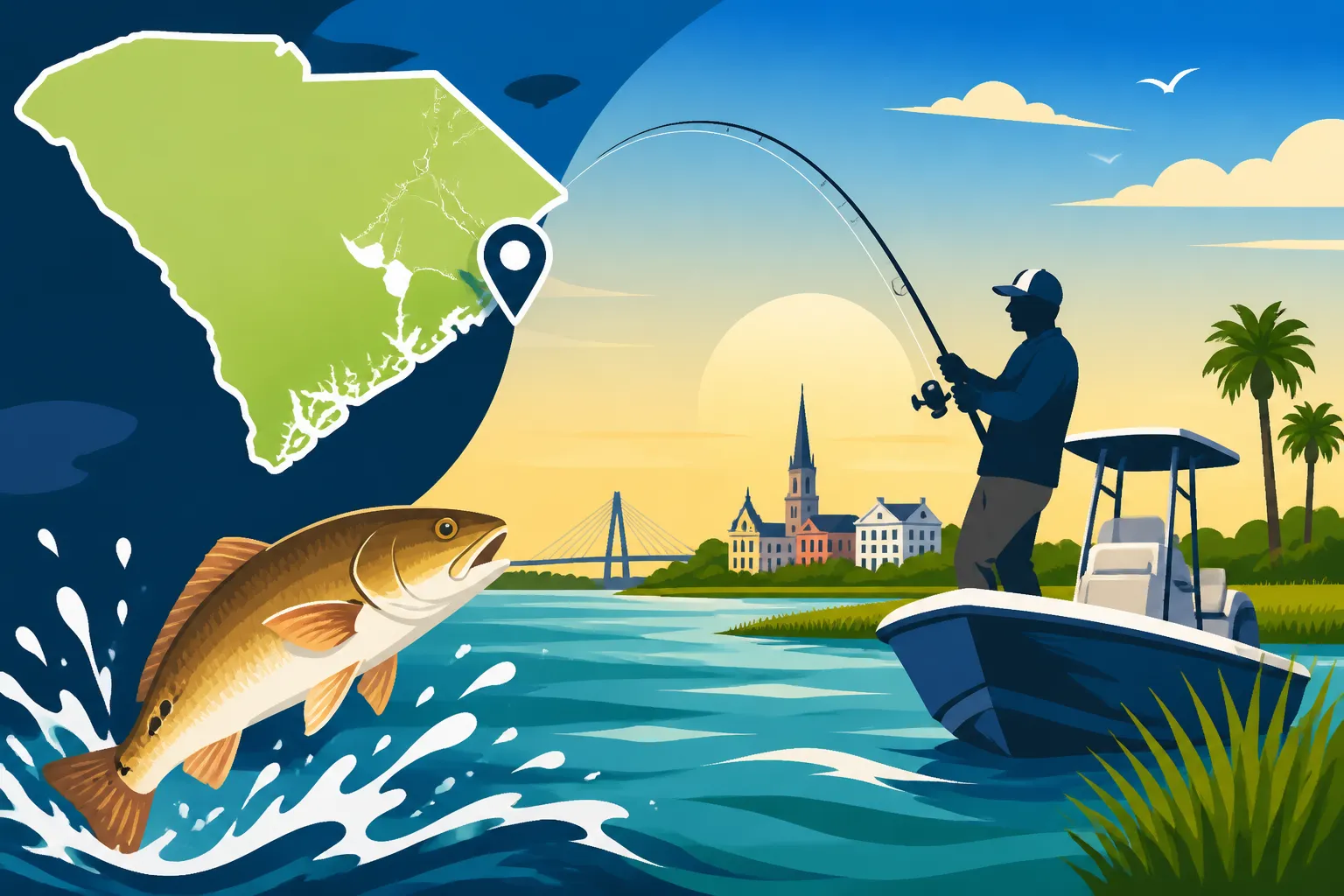
Inshore fishing refers to fishing within the calmer, shallower waters of estuaries, rivers, tidal creeks, and salt marsh systems. Think of places where you can still see land, often within a few miles of the coast. This is where you'll find iconic Lowcountry species like redfish (also known as red drum), spotted seatrout, flounder, and sheepshead. It’s typically accessible by smaller boats, kayaks, or even from shore, and the techniques often involve casting artificial lures, live bait, or fly fishing in relatively clear, shallow water. The constant ebb and flow of the tide plays a massive role in successful inshore fishing, dictating when and where fish feed.
Nearshore fishing takes you just beyond the inlets and barrier islands, typically within a few miles of the beach, usually in depths ranging from 20 to 80 feet. Here, you're still close enough to see the coastline, but the water is deeper and often holds different species than the inshore environment. This zone is a popular target for anglers chasing migratory species like Spanish mackerel, king mackerel, cobia, and often bottom fish like snapper and grouper that congregate around artificial reefs, natural live bottoms, and wrecks. The trips are usually a bit longer than inshore, requiring a more capable boat, but they still offer a relatively quick run from the dock compared to true offshore excursions.
Offshore fishing, on the other hand, means heading out to the open ocean, often 30 miles or more from the coast, into depths that can reach hundreds or even thousands of feet. This is where you'll find the big pelagic species like mahi-mahi (dolphin), wahoo, tuna (such as blackfin and yellowfin), sailfish, and marlin. Offshore trips are typically full-day affairs, requiring larger, seaworthy boats, specialized heavy-duty tackle, and a significant investment of time and fuel. The reward, however, can be truly spectacular, offering the chance to battle some of the ocean's most powerful and sought-after game fish. Each of these categories presents its own unique set of challenges and thrills, making Charleston a multi-faceted destination for any angler.
Key Factors for Choosing Your Spot
Deciding where to wet a line near Charleston isn't just about picking a random spot on a map; it involves a bit of strategic thinking. Season, tide, target species, and even your preferred method of fishing all play a crucial role in maximizing your chances of a successful and enjoyable day on the water. Ignoring these factors can lead to a frustrating experience, while considering them can turn an average day into an epic one.
First and foremost, the season dictates which species are most active and where they might be found. For instance, inshore redfish are a year-round staple, but their patterns and preferred habitats shift with water temperature. Spotted seatrout often move into deeper creeks during colder months, while flounder become more active as the water warms. Offshore, pelagic species like mahi-mahi and king mackerel are typically summer and fall migrants, following baitfish schools along the coast. Understanding these seasonal movements is fundamental; you wouldn't typically target king mackerel in January, nor would you expect to find large numbers of trophy trout in the shallows during August.
Secondly, for any inshore or nearshore saltwater fishing around Charleston, understanding the tides is paramount. The Lowcountry experiences significant tidal swings, often 6-8 feet, which dramatically affects fish behavior and access to certain areas. A rising tide might push baitfish into the grass flats, making them prime redfish feeding grounds, while a falling tide could concentrate fish in deeper creek bends or along oyster bars. Knowing the tide charts and how they impact your chosen spot is often more important than the specific time of day you fish. Factors like strong currents on a falling tide can also be beneficial, flushing bait out of the creeks and creating feeding opportunities for predatory fish waiting at the mouths of estuaries. For more on this, check out our guide on Tide-Based Techniques for Inshore Fishing.
Finally, consider your target species and preferred fishing method. Are you dreaming of sight-fishing for tailing redfish on a shallow grass flat with a fly rod? Then you'll need calm, clear, low-light conditions on a rising tide in a quiet marsh creek. Are you aiming for big bottom-dwelling snapper and grouper? That requires a boat capable of reaching nearshore reefs and heavier tackle for jigging or bait fishing. If you're hoping to introduce kids to fishing, a public pier with abundant panfish or small bottom dwellers might be the perfect starting point, offering consistent action without the need for specialized gear or a long boat ride. Matching your ambitions with the right conditions and location is the recipe for a truly rewarding fishing trip near Charleston.
Top Inshore Fishing Havens Near Charleston
When it comes to inshore fishing, Charleston truly shines. The intricate network of tidal creeks, expansive marshes, and historic rivers offers an unparalleled playground for anglers. This diverse ecosystem supports a thriving population of popular game fish, making it a bucket-list destination for anyone who loves casting a line in saltwater.
Charleston Harbor and Its Tributaries
Charleston Harbor itself isn't just a shipping lane; it's a massive, productive fishery, fed by the Cooper and Ashley Rivers, and extending into numerous smaller creeks. These waters offer a dynamic environment where freshwater runoff meets saltwater, creating unique opportunities for a variety of species. The sheer size and complexity of the harbor mean there's always a new spot to explore, and the fish are constantly on the move, following bait and currents.
The Cooper River, particularly its lower reaches, is a prime spot. It's deep, wide, and holds an incredible amount of baitfish, attracting everything from redfish and spotted seatrout to transient striped bass and even tarpon in the warmer months. Anglers often target the countless docks, pilings, and submerged structures that line the river, as these provide excellent ambush points for predatory fish. Around the jetties at the harbor entrance, you can find phenomenal action for bull redfish, especially in the fall, as well as a variety of other species passing through. The Wando River, a major tributary of the Cooper, is another fantastic option, known for its healthy populations of redfish and trout in the intricate marsh systems that feed into it. Don't forget to check out some specific hot spots like Best Redfish Spots in Charleston Harbor, South Carolina for more detailed information.
The Ashley River, while generally shallower and more brackish than the Cooper, also offers excellent fishing, especially for redfish and spotted seatrout in its lower sections and tributaries. Anglers often find success working oyster beds, creek mouths, and the edges of spartina grass lines with artificial lures like soft plastics or live bait such as shrimp and mud minnows. The numerous smaller creeks and embayments within the harbor, often accessible by kayak or smaller skiffs, can also hold hidden gems, providing quieter, less pressured fishing grounds. These areas require a keen eye for reading the water and understanding tidal movements, but the reward of finding a school of hungry fish away from the main channels is well worth the effort. For those looking to specifically target a unique species, the harbor’s pilings and rock structures are perfect Charleston Harbor Sheepshead Fishing Spots.
Exploring the Creeks and Marshes of the Lowcountry
Beyond the main arteries of the harbor, Charleston's true inshore magic lies in its vast, intricate network of tidal creeks and expansive salt marshes. These shallow, nutrient-rich environments are the nurseries of the sea, teeming with life and offering some of the most exciting and visually stunning fishing experiences you can imagine. This is where you can truly immerse yourself in the Lowcountry's natural beauty, often with only the sounds of wading birds and spartina grass rustling in the breeze.
Areas like Folly Creek, Shem Creek, and the numerous unnamed creeks weaving around barrier islands such as Capers Island and Bulls Island, are quintessential Lowcountry fishing grounds. Here, anglers often find themselves poling or quietly paddling a kayak through shallow water, looking for tell-tale signs of fish, such as a "tailing" redfish with its tail waving above the water as it feeds on the bottom, or the subtle dimples of a feeding trout. The clear water on higher tides allows for incredible sight fishing opportunities, where casting accuracy and stealth are often more important than the specific bait or lure. The adrenaline rush of spotting a fish, making a perfect cast, and watching it take your offering is what keeps many anglers coming back to these pristine waters.
These marsh systems are particularly productive for redfish, spotted seatrout, and flounder, offering diverse habitats throughout the year. During cooler months, fish often retreat to deeper creek bends and channels for thermal refuge, while in warmer seasons, they spread out across the flooded grass flats. Oyster bars, shell rakes, and the edges of spartina grass are consistent hotspots, providing cover and concentrating bait. Light tackle is the name of the game here, allowing for subtle presentations and delicate retrieves. For those seeking Lowcountry Estuary Flounder Fishing Spots or aiming for trophy Sea Trout Fishing Spots in South Carolina's Lowcountry, these complex marsh environments are absolutely essential to explore, offering endless possibilities for discovery and memorable catches.
Popular Nearshore and Offshore Excursions
While the inshore marshes offer serene beauty, the call of the open ocean near Charleston is equally compelling, promising bigger fish and a different kind of angling challenge. Venturing beyond the protective barrier islands opens up a world of opportunities, from targeting hard-fighting species around submerged structures to chasing fast-moving pelagics far out in the blue water. These trips require more robust vessels and a willingness to commit to a longer day, but the rewards can be truly spectacular.
Nearshore Reefs and Wrecks
Just a short boat ride from Charleston's inlets, a series of artificial reefs and natural wrecks dot the seafloor, creating underwater oases that attract an incredible diversity of marine life. These structures act like magnets, concentrating baitfish, which in turn draws in larger predatory species. These nearshore grounds offer an exciting bridge between inshore and offshore fishing, providing plenty of action without the lengthy run to the deep.
Anglers targeting these nearshore reefs often find themselves hooking into species like Spanish mackerel, king mackerel, and formidable cobia, especially during their migratory seasons in spring and fall. These fish cruise the water column above and around the structures, ambushing unsuspecting bait. For mackerel, trolling spoons or live baits like menhaden or cigar minnows can be incredibly effective, while cobia often fall for jigs or live eels cast directly to them when spotted near the surface. The reefs also hold a variety of bottom-dwelling species, including black sea bass, snapper, and sometimes even smaller grouper, making them excellent spots for bait fishing with cut bait or jigging with heavier tackle. The Charleston Nearshore Reef and the Kiawah Reef are two prominent examples that consistently produce good catches, offering a mosaic of habitat for various species.
These structures are not only productive but also offer a unique fishing experience, blending the thrill of a fight with the satisfaction of pulling up a feisty bottom fish. Many local captains, whom you can often find listed on platforms like FishingBooker, specialize in these nearshore trips, knowing the exact coordinates and seasonal patterns for the most active spots. They can provide the necessary heavier tackle, live bait, and expert guidance to ensure a productive day. It's a great option for those who want a taste of bigger game fishing without committing to the full-day deep-sea adventure, providing a consistent chance at a variety of hard-fighting fish that challenge even experienced anglers.
Venturing to the Blue Water
For those with a thirst for true adventure and the pursuit of world-class game fish, venturing to the blue water offshore of Charleston is an unforgettable experience. This is where the continental shelf drops off, and the ocean truly opens up, offering access to nutrient-rich currents and the migratory routes of powerful pelagic species. These trips are typically full-day endeavors, often starting before dawn, but the chance to battle a tuna, mahi-mahi, or wahoo makes every mile worth it.
The main targets in the blue water include vibrant mahi-mahi (often called dolphin fish), which are prized for their acrobatic fights and delicious meat. You'll also find powerful wahoo, known for their incredible speed and sharp teeth, and various tuna species like blackfin and occasionally yellowfin. During certain times of the year, particularly late spring and summer, you also have the chance to encounter billfish like sailfish and even blue or white marlin, adding an extra layer of excitement to an offshore trip. These species are typically targeted by trolling large lures, natural baits, or a combination of both, often over specific temperature breaks or along the edge of the continental shelf, where baitfish are concentrated.
The logistics for blue water fishing are considerably more involved. You need a fast, comfortable offshore boat, capable of handling potentially rough seas, along with specialized heavy-duty conventional tackle, outriggers, and advanced electronics to locate fish and bait. For most visitors or those without their own offshore vessel, booking a reputable Charleston offshore fishing charter is the best way to experience this exhilarating form of fishing. Guides and captains specializing in these trips have the knowledge, equipment, and experience to navigate the vast ocean and put you on the fish, making the dream of catching a trophy pelagic a reality. Platforms like FishingBooker can help you find reputable offshore captains for a memorable deep-sea adventure.
Family-Friendly and Accessible Fishing Spots
Fishing isn't just about chasing trophy fish; it's also about creating memories, especially for families and beginners. Charleston offers a fantastic array of accessible fishing spots that don't require a boat or extensive gear, making it easy for anyone to enjoy a relaxing day by the water and introduce youngsters to the joys of angling. These locations prioritize convenience and the likelihood of catching something, which is often the most important factor for keeping kids engaged.
Fishing Piers and Public Docks
For sheer convenience and accessibility, Charleston's fishing piers and public docks are unbeatable options. They provide a safe, stable platform to fish from, often without the need for a boat, and are usually equipped with amenities like restrooms, bait shops, and even cleaning stations. These spots are perfect for a casual outing, offering diverse opportunities for a variety of species that cruise close to shore or congregate around the pier pilings.
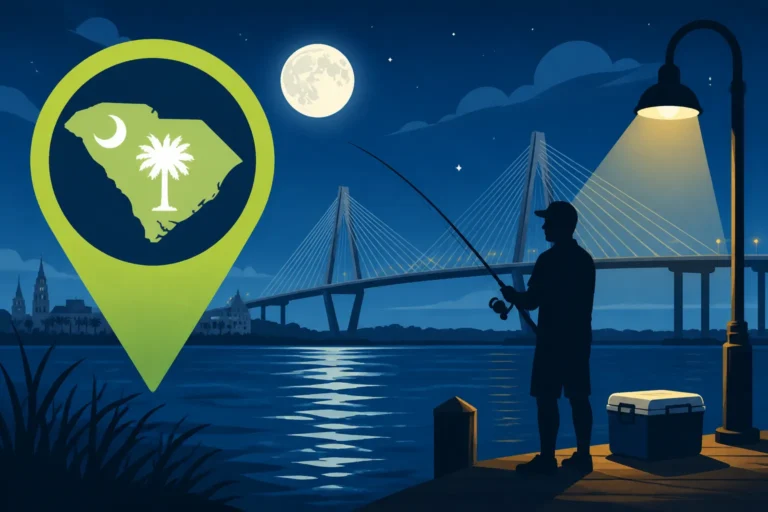
The Folly Beach Pier is perhaps the most iconic and popular fishing pier in the Charleston area. Stretching over 1,000 feet into the Atlantic, it offers anglers access to deeper water and a wide range of catches, depending on the season. You can expect to catch whiting, pompano, drum, flounder, Spanish mackerel, and even small sharks. The pier charges a small fishing fee, but often includes your fishing license, eliminating that hassle. Similarly, the Mount Pleasant Pier, located under the Ravenel Bridge, offers panoramic views of Charleston Harbor and excellent opportunities for fishing in a dynamic tidal environment. Here, anglers often target redfish, spotted seatrout, sheepshead, and various bottom fish. Both piers are fantastic spots for families, providing a relaxed atmosphere and the thrill of consistent bites, even if they're not always "trophy" fish. It's an easy way to get some lines in the water without a huge commitment. As a general reminder, it's always good to confirm Do You Need a Fishing License to Fish From a Pier? as rules can sometimes vary or be included in a pier's fee.
These public fishing structures are also excellent places to observe local marine life and soak in the coastal atmosphere. You'll often see dolphins swimming by, pelicans diving for fish, and the general hustle and bustle of a working harbor or bustling beach. The social aspect of pier fishing is also a huge draw, with fellow anglers often happy to share tips, tricks, and even a fishing story or two. It's an ideal environment for beginners to learn the basics, from baiting a hook to casting a simple bottom rig, and to experience the simple pleasure of feeling a tug on the line. The ease of access and steady action make these piers true gems for family-friendly fishing outings.
Bank Fishing and Kayak Launch Points
Beyond the piers, Charleston boasts numerous spots where you can fish directly from the bank or launch a kayak to explore quieter waters. These options provide a closer connection to nature and often lead to less pressured fishing grounds, offering a rewarding experience for those who prefer a more intimate angling adventure.
For bank fishing, many local parks and public access points along rivers and tidal creeks offer excellent opportunities. For instance, parts of James Island County Park, North Charleston Wannamaker County Park, and Palmetto Islands County Park all have ponds or creek access where you can cast a line for freshwater species like bass and bream, or even some brackish water species like redfish and flounder in tidal sections. These spots are often well-maintained, feature walking trails, and provide a peaceful setting for a few hours of fishing. Additionally, many of the smaller bridges over tidal creeks, particularly those in more rural parts of the Lowcountry, can serve as impromptu bank fishing locations, though always be mindful of private property and safety. For more ideas on fishing without a boat, consider exploring Shore Fishing Spots That Don't Require a Boat or Walk-In Fishing Access Points in South Carolina.
Kayaking, in particular, has become incredibly popular in the Charleston area, and for good reason. The shallow, intricate marsh systems are perfectly suited for silent paddle craft, allowing anglers to reach skinny water spots that larger boats simply cannot access. There are numerous public boat ramps and kayak launches throughout the Lowcountry, from Shem Creek in Mount Pleasant to Sol Legare Road on James Island, offering easy access to prime marsh habitat. Kayak anglers can effectively target tailing redfish on flood tides, fish oyster bars for spotted seatrout, or work the edges of grass lines for flounder. It’s an immersive way to experience the fishery, offering incredible solitude and the chance to observe wildlife up close. The quiet approach of a kayak often spooks fewer fish, giving you an edge in these shallow-water environments.
Making the Most of Your Charleston Fishing Trip
Charleston's fishing opportunities are vast and varied, but like any great adventure, a little planning goes a long way. To truly maximize your experience, it's essential to understand the rhythms of the local waters and to consider leveraging local expertise, especially if you're new to the area or targeting specific, elusive species. A well-thought-out plan can turn a good fishing day into an unforgettable one.
When to Go: Tides and Seasons
Successfully fishing in the Charleston area, particularly inshore, revolves around a deep understanding of tides and seasonal patterns. These natural rhythms dictate fish behavior, feeding patterns, and even your ability to access certain areas, making them critical factors for any angler to consider. Without paying attention to these, you might find yourself casting into unproductive waters or at the wrong time of day.
For inshore fishing, the tides are arguably the single most important factor. Charleston experiences two high tides and two low tides each day, and the movement of water during these cycles stirs up bait, creates currents, and allows fish to access new feeding grounds. A strong incoming or outgoing tide can be fantastic for redfish, pushing bait through creek mouths or off oyster bars. Conversely, a slack tide, when the water movement is minimal, can make fishing more challenging as fish become less active. Many experienced local anglers swear by fishing the last two hours of an incoming tide and the first two hours of an outgoing tide, as this is often when predatory fish are most aggressively feeding. Understanding how the tides impact different species and locations is key to unlocking the inshore fishery. You can dive deeper into this topic by exploring Tide-Based Techniques for Inshore Fishing.
Beyond the daily tides, the broader seasons dictate which species are most abundant and active. Spring and fall are often considered prime fishing seasons in Charleston. In spring, migratory species like Spanish and king mackerel return to nearshore waters, and inshore species become very active as water temperatures rise. Fall brings cooler temperatures, aggressive feeding by redfish and spotted seatrout preparing for winter, and large schools of baitfish, making it an excellent time for big bull redfish in the harbor. Summer offers excellent offshore opportunities for mahi-mahi and tuna, though inshore fishing can be best during early mornings or late evenings due to heat. Winter sees many inshore fish move to deeper, warmer holes, making them more concentrated and sometimes easier to find if you know where to look. Considering Best Time of Year to Fish South Carolina's Coast can further inform your planning, ensuring you're targeting the right fish at the right time.
Deciding on a Guide or Charter
For many visitors or even local anglers looking to expand their skills, the decision to hire a local fishing guide or book a charter can be a game-changer. While venturing out on your own certainly has its appeal, the Lowcountry's waters are complex, and local expertise can drastically improve your chances of success, especially if your time is limited or you're targeting a specific species.
Local guides and charter captains spend hundreds, if not thousands, of hours on the water each year. They possess an intimate knowledge of the local waterways, understanding not just where the fish are, but why they are there, and how their patterns shift with the tides, weather, and seasons. This includes knowing specific honey holes, understanding bait movements, and having a repertoire of proven techniques and tackle for various conditions. For instance, if you're set on catching a legal-sized redfish within the South Carolina Redfish Slot Limit Explained or aiming for a trophy Spotted Seatrout Size and Bag Limits in South Carolina, a guide significantly increases your odds compared to blindly exploring on your own. They also provide all the necessary gear, bait, and often cover your fishing license requirements, simplifying the experience tremendously.
Booking a guide is particularly beneficial if you're new to the area, lack your own boat, or want to learn specific techniques. Platforms like FishingBooker make it incredibly easy to browse and book reputable local captains, offering transparent pricing, reviews, and detailed information about the trips they offer. Whether you're looking for a half-day inshore trip exploring the marsh for redfish, or a full-day offshore excursion chasing pelagics, there's a guide or charter suited to your needs. This allows you to focus purely on the fishing and the experience, rather than worrying about navigation, bait, or regulations. Don't hesitate to check out our comprehensive guide on How to Book a Fishing Charter in South Carolina or more specifically Charleston Fishing Charters: South Carolina's Harbor Trips to learn more about the process and what to expect from these invaluable services.
Fishing Spot Comparison Table
To help visualize some of the best fishing opportunities near Charleston, here's a quick comparison of different types of spots and what you can expect:
| Spot Type | Key Locations (Examples) | Primary Target Species | Best Season(s) | Accessibility / Method | Ideal For |
|---|---|---|---|---|---|
| Inshore Creeks | Folly Creek, Shem Creek, Wando River Tributaries | Redfish, Spotted Seatrout, Flounder | Year-round | Kayak, Small Skiff, Jon Boat | Sight fishing, light tackle, solitude |
| Charleston Harbor | Cooper River, Ashley River, Jetties | Redfish, Trout, Sheepshead, Striped Bass | Year-round | Boat, Pier, Charter | Diverse species, varied techniques |
| Nearshore Reefs | Charleston Nearshore Reef, Kiawah Reef | Spanish/King Mackerel, Cobia, Sea Bass | Spring, Summer, Fall | Boat, Charter | Bigger game without long offshore run |
| Offshore | Gulf Stream, Continental Shelf Edge | Mahi-Mahi, Tuna, Wahoo, Billfish | Late Spring, Summer | Large Offshore Charter | Trophy pelagic species, deep sea thrill |
| Public Piers | Folly Beach Pier, Mount Pleasant Pier | Whiting, Pompano, Drum, Sheepshead | Year-round | Walk-in | Families, beginners, convenience |
| Bank/Parks | James Island Co. Park, Palmetto Is. Co. Park | Bass, Bream, Catfish (freshwater) | Year-round | Walk-in, Shore | Casual fishing, kids, easy access |
Disclaimer
Please note that fishing regulations, including bag limits, size restrictions, and seasons, can change. Always consult the latest South Carolina Department of Natural Resources (SCDNR) guidelines before heading out on the water. This guide is for informational purposes only and does not constitute official legal advice.