Edisto River Kayak Fishing Spots
For many anglers, the thought of fishing a vast river system like the Edisto River from a kayak can feel a bit daunting. Where do you even start? What are the best access points that aren't a hassle? And how do you navigate those winding blackwater channels safely while still finding the fish? This guide is designed to cut through that confusion, offering practical advice and pinpointing prime kayak fishing spots along South Carolina's Edisto River, ensuring your next paddle-and-cast adventure is both successful and serene.
Embracing the Edisto: A Kayak Angler's Paradise
The Edisto River holds a special place in the hearts of many South Carolina anglers, especially those who appreciate the quiet intimacy of a kayak. Known as one of the longest free-flowing blackwater rivers in North America, it offers a truly unique fishing experience. Unlike wide, open reservoirs, the Edisto is about navigating intimate channels, shaded bends, and ancient cypress swamps.
Why the Edisto is Perfect for Kayak Anglers
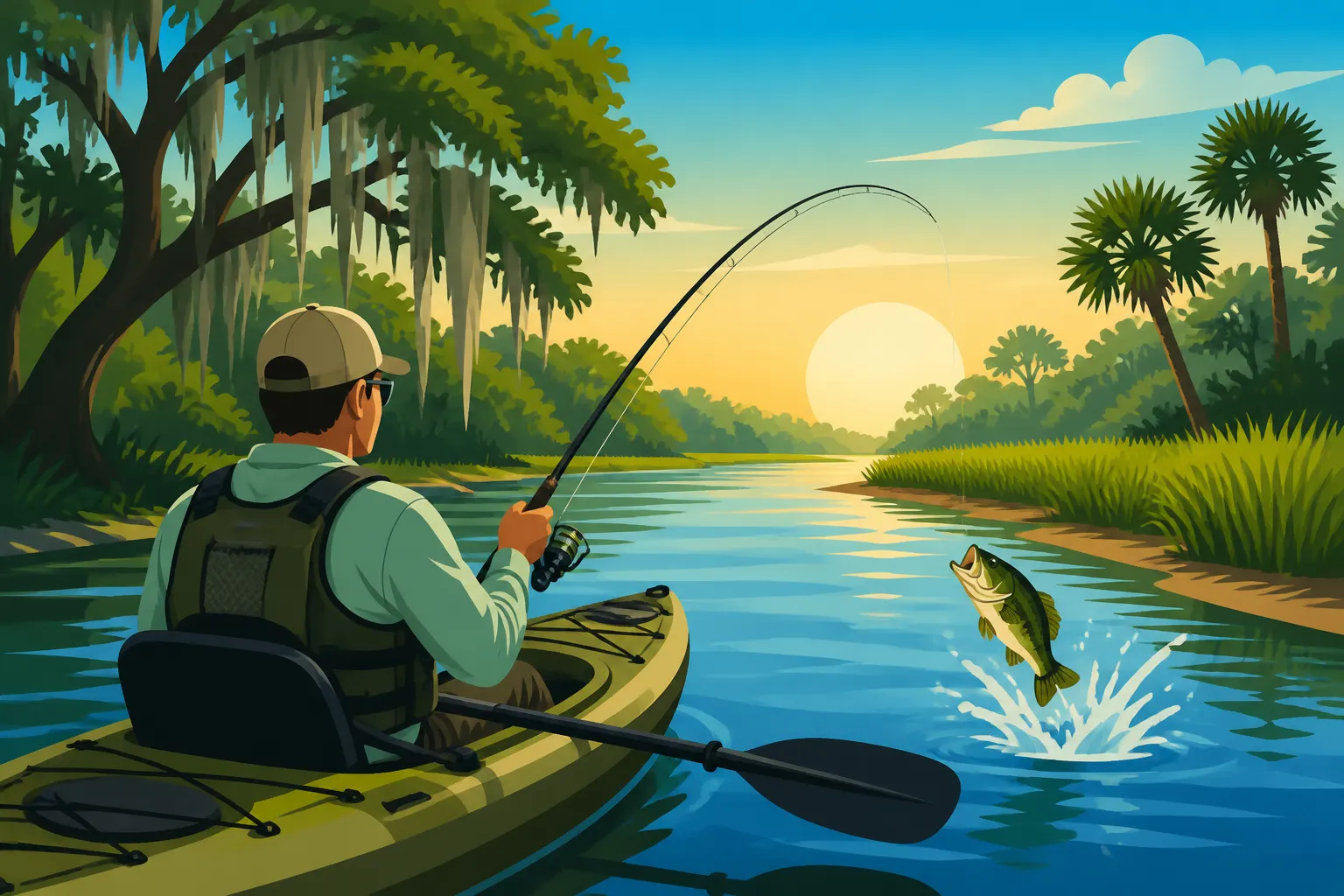
There's something incredibly appealing about paddling through the Edisto's dark, tannin-stained waters, surrounded by towering cypress and tupelo trees draped in Spanish moss. The slower current in many sections means less effort battling the flow and more time casting into promising pockets. This river isn't just a waterway; it's an ecosystem that feels ancient and alive, offering a tranquil escape from the hustle and bustle. The "blackwater" characteristic, a result of decaying vegetation, often makes for clear visibility beneath the surface once you're on the water, yet the reflective surface above keeps you hidden from wary fish. For those seeking solitude and a true connection with nature while pursuing a trophy catch, the Edisto delivers.
Kayaks offer unparalleled access to areas that larger boats simply can't reach. Think shallow oxbow lakes, tight creek mouths, and dense cypress knee fields – prime hiding spots for bass, bream, and even some unexpected species. You can quietly glide into these honey holes, positioning yourself perfectly for a precise cast without spooking the fish. This stealth advantage is a game-changer, especially for species sensitive to boat noise or vibrations. It's about immersion, becoming part of the environment rather than just observing it, which translates directly into more genuine angling encounters.
Navigating the River's Unique Challenges
While the Edisto is a dream, it does present its own set of challenges that kayak anglers should be aware of. The low-lying nature of many sections means water levels can fluctuate significantly with rainfall, sometimes making certain ramps inaccessible or creating new obstacles. Always check local river gauges before you head out. Additionally, submerged timber, fallen trees (or "strainers"), and dense vegetation are common, requiring attentive paddling and sometimes creative navigation. These natural obstacles, while tricky, are also fantastic fish habitat, so learning to read the water around them is key to success.
Another consideration, especially as you move downstream, is the tidal influence. The lower Edisto River becomes brackish, meaning it's a mix of fresh and saltwater, and the tides dictate fish behavior and current speed. Understanding the tidal charts for specific sections is crucial for planning your float and knowing when the fish might be most active. This might feel like a lot to take in at first, but with a bit of planning and local knowledge, these challenges become part of the adventure, guiding you to some truly productive spots. If you’re feeling unsure, a local guide found on a platform like FishingBooker can offer invaluable insights into navigating these unique conditions.
Prime Kayak Launch Points and Fishing Zones
The Edisto River stretches for over 250 miles, offering a diverse range of fishing environments. Knowing where to put in your kayak can make all the difference in the type of experience and fish you'll encounter. We'll break it down into general regions to help you plan your trip.
Upstream Tranquility: Getting Started in the Headwaters
For those seeking peace and quiet, and excellent freshwater fishing, the upper sections of the Edisto, particularly around the areas closer to Orangeburg or the mid-sections, are ideal. Access points here are often smaller, making them perfect for kayak launches.
One excellent option is Givhans Ferry State Park Fishing Spots on the Edisto River. This park offers a fantastic public boat landing and riverside camping, making it a great base camp for multi-day trips. The river here flows at a gentle pace, winding through pristine cypress swamps. Anglers typically target largemouth bass, various species of bream (like bluegill and redbreast sunfish), and channel catfish. The numerous fallen trees, submerged logs, and cypress knees create endless ambush points for bass, and the shaded banks are ideal for bream. Paddle upstream from the park for a few hours, then drift back down, casting small crankbaits, spinnerbaits, or soft plastics into structure. Don't forget to explore the quieter, narrower channels that branch off the main river; these are often teeming with fish and offer incredible solitude. For catching those classic freshwater species, consult a guide on Best Bait for Largemouth Bass in South Carolina Lakes to ensure you're using the most effective offerings.
Mid-River Action: Targeting Deeper Channels
As you move further downstream, the Edisto widens and deepens in sections, offering different types of structure and fish habitat. This "mid-river" stretch, roughly from Givhans Ferry down towards some of the smaller community landings, can offer a blend of freshwater and increasingly brackish opportunities depending on how far you go.
Look for areas with deeper bends and undercut banks. These spots often hold larger fish that prefer deeper water or stronger currents. The Blackwater Bends on the Edisto River Worth a Cast are particularly productive here. Kayaks can easily hug the inside of these bends, casting into the deeper outside cuts where current-breaking structure often accumulates. Catfish are especially fond of these deeper holes, and bottom fishing with cut bait or worms can be highly effective. Largemouth bass will still be present, often found around deeper wood or submerged brush piles. This section of the river also offers great opportunities for exploring tributaries; often, the mouths of these smaller creeks will hold concentrations of fish, especially after a rain event that washes bait into the main river. Always remember to check your South Carolina Freshwater Fishing Regulations to stay compliant with local rules.
Lower Edisto Estuary: Brackish Water Opportunities
Venturing further downstream, past communities like Jacksonboro, the Edisto River begins to feel the strong influence of the tide and transitions into a brackish estuary before emptying into St. Helena Sound. This is where the species shift dramatically, offering thrilling saltwater and brackish fishing.
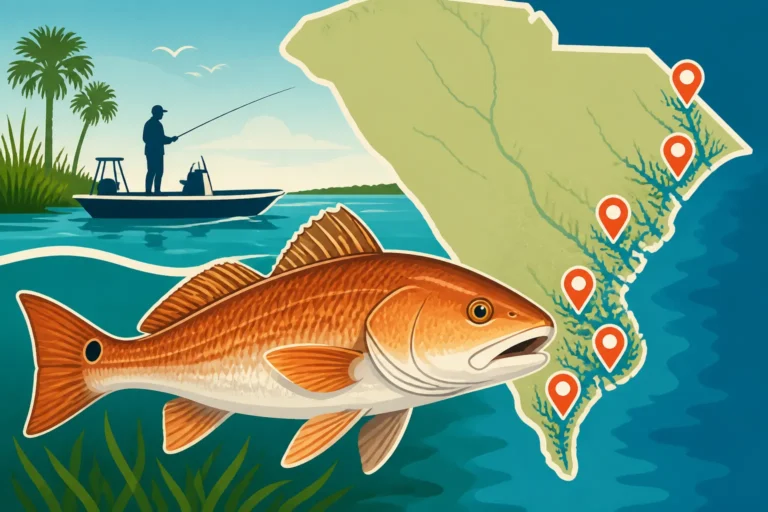
Access points in the lower estuary might include larger public landings closer to the coast. Here, you'll be targeting classic Lowcountry species like redfish (red drum) and spotted seatrout. The environment transforms into expansive marsh grass, oyster beds, and intricate creek systems – a kayak angler's dream for sight fishing. Look for tailing redfish on flood tides in the grass flats, or cast soft plastics and popping corks along oyster rakes and creek mouths for trout. The tidal currents can be strong, so plan your trips around the tides, often fishing the incoming or outgoing flow to maximize your chances. Platforms like FishingBooker can help you find local guides who are experts in navigating these tidal waters and targeting these specific species, making your trip much more productive. It's a completely different rhythm of fishing, one that rewards patience and an understanding of how tides influence fish movement. Be sure to familiarize yourself with South Carolina Redfish Slot Limit Rules and Spotted Seatrout Size and Bag Limits in South Carolina as these regulations are critical for saltwater species.
| Access Point | General Location (Approx.) | Water Type | Primary Target Species | Notes for Kayakers |
|---|---|---|---|---|
| Givhans Ferry State Park | Ridgeville Area | Freshwater | Largemouth Bass, Bream, Catfish | Excellent launch, calm water, good for multi-day trips |
| Mars Old Field Landing | Ridgeville Area | Freshwater | Bass, Bream, Catfish | Smaller, more rustic, limited facilities |
| Jacksonboro Boat Ramp | Jacksonboro Area | Brackish | Redfish, Spotted Seatrout, Flounder, Bass | Wider river, tidal influence, can be busy |
| Dawhoo Landing | Edisto Island Area | Saltwater/Brackish | Redfish, Spotted Seatrout, Flounder, Drum | Strong tidal currents, marsh creeks, close to coast |
Targeting Key Species and Kayak-Specific Techniques
The diverse habitats of the Edisto River support a wide array of fish species, each requiring a slightly different approach, especially when you're limited to a kayak.
Freshwater Favorites: Bass, Bream, and Catfish Strategies
In the upper and mid-sections of the Edisto, largemouth bass reign supreme. For kayak anglers, stealth is your biggest advantage. Focus on casting small to medium-sized crankbaits, spinnerbaits, and soft plastics like Texas-rigged worms or Senkos close to structure. Think submerged logs, fallen trees, cypress knees, and shady pockets along the bank. Since you're often fishing in tight quarters, accuracy is more important than distance. A shorter rod (6'6" to 7') can be a huge asset for making precise casts and maneuvering fish around obstacles. Don't overlook topwater lures like frogs or poppers in low-light conditions, especially around heavy cover – the blow-ups in the still blackwater are absolutely exhilarating!
Bream, including bluegill and the feisty redbreast sunfish, are abundant and provide consistent action, especially for beginners or those seeking light tackle fun. Small jigs, beetle spins, or live worms under a bobber cast near bank vegetation, lily pads, or brush piles are incredibly effective. These fish are aggressive, and you can often catch dozens in a single outing. For family outings, simple Kid-Friendly Bluegill Fishing Techniques can turn a kayak trip into an unforgettable experience. Catfish, particularly channel cats, are plentiful in the deeper holes and bends throughout the freshwater sections. Fishing cut bait, chicken livers, or commercial catfish baits on the bottom, especially in areas with slower current or eddies, can yield some impressive catches. Anchoring your kayak securely is essential when targeting these powerful bottom dwellers.
Brackish Brawlers: Redfish and Trout in the Lower River
As you transition into the lower Edisto estuary, the game changes. Redfish and spotted seatrout become the primary targets, and the tactics shift to accommodate the tidal environment and the different types of structure.
For redfish, especially during the warmer months, sight fishing the flood tides in the shallow marsh grass is an incredible experience from a kayak. Look for "tails" (the fish's tail breaking the surface as it feeds) or subtle wakes. Cast weedless soft plastics or small spoons ahead of the fish to avoid spooking them. On lower tides, focus on oyster rakes, creek mouths, and deeper channels. Topwater plugs can be explosive when redfish are actively feeding. For spotted seatrout, especially in cooler weather, drifting with a popping cork and a live shrimp or artificial lure (like a MirrOlure or Z-Man soft plastic) along the edges of marsh grass or over oyster beds is a classic and highly effective technique. These fish often school, so if you catch one, there are likely more nearby. The current dictates everything here, so using your paddle and anchor strategically to stay on a productive drift is key. Many anglers find the tides on the Edisto River fascinating, and understanding their impact on fish behavior is crucial for success. You can explore more about Tide-Based Techniques for Inshore Fishing to really dial in your approach.
Kayak Rigging and Presentation Tips
Kayak fishing requires a slightly different approach to rigging and presentation compared to fishing from a larger boat. Firstly, organization is paramount. Everything should be easily accessible but secured to prevent loss if you capsize or hit rough water. Bungees, leashes, and tackle management systems (like those from YakAttack or Wilderness Systems) are your best friends. Keep your tackle minimal and focused on the species you're targeting for that specific trip.
When casting, remember your low profile. This can be an advantage for stealth, but it also means adapting your casting angles. Side-arm casts or roll casts are often more practical than overhead casts, especially when fishing under overhanging trees or tight to the bank. Paddle control is another critical skill. Learn to use your paddle to subtly adjust your position, hold against a slight current, or pivot to make a precise cast without dropping your paddle or making excessive noise. Many dedicated fishing kayaks are designed for stability and offer rod holders, elevated seating, and even pedal drives to free up your hands for fishing. Consider a visit to your local outfitter, like those found around Charleston or Beaufort, to check out brands such as Hobie or Old Town that offer kayaks specifically tailored for fishing the Lowcountry's unique waters.
Essential Gear and Safety for Your Edisto Adventure
A successful kayak fishing trip on the Edisto isn't just about bait and lures; it's about being prepared for the environment and prioritizing your safety.
Must-Have Kayak Fishing Equipment
Beyond your kayak, paddle, and fishing gear, there are several items that are non-negotiable for a safe and productive trip on the Edisto. A Personal Flotation Device (PFD) is absolutely essential and, by law, must be worn or readily accessible. While the Edisto's current can be gentle in many parts, accidents happen, and a PFD can save your life. Next, consider a reliable anchor system. This could be a small grapple anchor or a stake-out pole, crucial for holding your position in current, over a fishing spot, or while you're eating lunch.
A dry bag is vital for protecting your phone, wallet, keys, and any electronic devices from water. Even on a calm day, splashes or an accidental tip can ruin your valuables. Hydration is also key; carry plenty of water, especially during South Carolina's warm months. A small cooler for drinks and snacks will make your trip much more comfortable. Don't forget sun protection: a wide-brimmed hat, polarized sunglasses, and sunscreen are critical for spending hours on the water. A basic first-aid kit, a whistle, and a sharp knife should also be part of your standard kit. And of course, ensure you have a valid South Carolina Fishing License Guide that covers the waters you plan to fish, whether freshwater or saltwater.
Safety Considerations and River Etiquette
Safety on the Edisto River begins before you even launch. Always tell someone your float plan – where you're launching, where you expect to take out, and when you plan to be back. This simple step can be a lifesaver if you encounter an emergency. Check the weather forecast meticulously for thunderstorms or strong winds, which can quickly turn a peaceful day into a dangerous situation. Be mindful of snakes and alligators, which are native to the Edisto; maintain a respectful distance and they will generally leave you alone.
When sharing the river, practice good river etiquette. Yield to larger boats, avoid obstructing navigation channels, and minimize noise pollution. The Edisto is a pristine environment, so remember to "Leave No Trace." Pack out everything you pack in, and perhaps even pick up any litter you find. While the water is dark, it's generally clean, but always bring hand sanitizer for after handling fish or before eating. Finally, if you're not confident in your ability to navigate or fish a new section of the river, consider hiring a local guide. Many experienced guides, often found through services like FishingBooker, specialize in kayak trips on the Edisto and can provide invaluable expertise, ensuring a safe and productive outing while teaching you the nuances of this incredible river.
Disclaimer
Please note that fishing regulations, conditions, and access points can change. Always verify the latest rules and safety information with the South Carolina Department of Natural Resources (SCDNR) before planning your trip. Fishing inherently carries risks; exercise caution and prioritize safety at all times.