$45 3-Year Saltwater Fishing License Explained
It can be a real head-scratcher trying to figure out the best fishing license option for your South Carolina saltwater adventures, especially with all the different choices out there. Do you go annual? Short-term? And what about that 3-year option? This guide is going to break down everything you need to know about the $45 3-year South Carolina resident saltwater fishing license, so you can spend less time stressing about paperwork and more time reeling in those big ones.
Understanding the South Carolina 3-Year Resident Saltwater Fishing License
Navigating the world of fishing licenses can feel a bit like wading through murky waters, but thankfully, the South Carolina Department of Natural Resources (SCDNR) offers a straightforward and budget-friendly option for resident saltwater anglers: the 3-year saltwater fishing license. This isn't just a convenience; it's a strategic choice for those who love to hit the coast regularly and want to avoid the annual scramble of renewals.
Who Qualifies for This License?
First things first, this particular license is specifically for residents of South Carolina. So, what exactly makes you a resident in the eyes of the SCDNR? Generally, it means you've been living in the state for at least 30 consecutive days, you have a valid South Carolina driver's license or ID card, and you've established your permanent home here. This is crucial because nonresident licenses come with different price tags and durations, as highlighted in our guide on South Carolina Nonresident Fishing License Guide.
Proving residency usually involves presenting a South Carolina driver's license or state-issued ID. If you're new to the state, they might ask for additional documentation like vehicle registration, voter registration, or utility bills in your name to confirm your permanent address. It's always best to have these documents handy, whether you're buying your license online or in person, to ensure a smooth process.
What the 3-Year Saltwater License Covers
Once you've got that shiny 3-year resident saltwater license in hand, you're pretty much set for most of your inshore and nearshore saltwater fishing endeavors. This license covers all methods of recreational saltwater fishing, whether you're casting a line from a boat, surf fishing along the beach, or wading in a marsh creek. You're good to go for targeting popular species like redfish, spotted seatrout, flounder, and various other coastal critters within the state's marine boundaries.
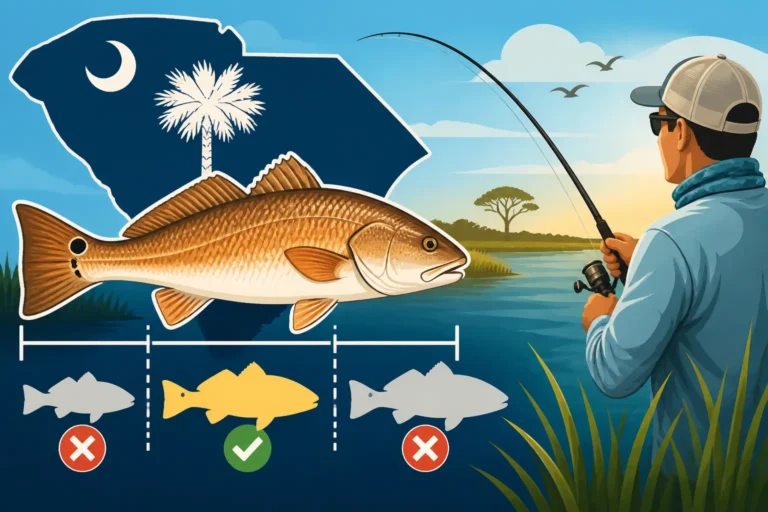
It's important to remember that while the license covers your right to fish, it doesn't exempt you from adhering to specific regulations for certain species. For instance, knowing the Spotted Seatrout Size and Bag Limits in South Carolina is still paramount, as is understanding the South Carolina Redfish Slot Limit Rules. These regulations are designed to protect fish populations and ensure sustainable fishing for everyone, so always double-check the latest SCDNR guidelines before you head out.
Why Choose a 3-Year Option? Convenience and Savings
So, why would you opt for a 3-year license over an annual one? The most obvious reasons are convenience and potential cost savings. Imagine not having to think about renewing your license every single year for three glorious years! For avid anglers who frequently visit the coast or even those who just enjoy a few trips a year, this eliminates the hassle of remembering renewal dates, especially if you tend to forget until the last minute before a planned trip.
Beyond the mental ease, there's a clear financial benefit. While the annual saltwater resident license might seem cheaper on the surface, purchasing the 3-year option at $45 can save you money in the long run. It's a testament to the idea that sometimes, thinking a little further ahead pays off. This longer-term commitment also signals your dedication to supporting conservation efforts in South Carolina, as every license purchase contributes directly to managing and preserving our precious marine resources.
The $45 Price Tag: A Closer Look at Value and Conservation
When you see that $45 price tag for a 3-year license, it's natural to wonder about the value you're getting, especially when compared to shorter-term options. This isn't just an arbitrary number; it's carefully calculated to offer a good deal for resident anglers while also funding vital programs that keep South Carolina's waters teeming with fish.
Comparing Annual vs. 3-Year Costs
Let's break down the economics. A single annual resident saltwater fishing license in South Carolina typically costs around $15. If you were to purchase an annual license three times over three years, you'd be spending a total of $45 ($15 x 3 = $45). This means the 3-year saltwater fishing license essentially gives you three years of fishing privileges for the same price as buying three separate annual licenses, but with the added benefit of convenience.
However, the real value comes from the locking in of the price and avoiding potential future increases. While the cost is currently equivalent, by purchasing the 3-year option, you safeguard against any potential price hikes that might occur for annual licenses within that three-year period. It’s a smart financial move for any dedicated angler, ensuring consistent access to South Carolina's amazing saltwater fishing without repeated transactions or worrying about price adjustments. You can dive deeper into the nuances of various license durations by checking out South Carolina 3-Year Fishing License Options and comparing them with South Carolina 14-Day Fishing License Options if you're curious about all the possibilities.
Supporting Conservation Efforts
Every dollar spent on a South Carolina fishing license, including your $45 3-year saltwater license, directly supports the critical work of the SCDNR. These funds are vital for a wide range of programs aimed at maintaining healthy fish populations and thriving marine ecosystems. This includes funding for marine research, habitat restoration projects, and managing coastal fisheries to ensure sustainable harvests for future generations.
When you purchase a license, you're not just buying a permit to fish; you're actively investing in the future of fishing in the Palmetto State. It helps pay for essential services like fish stocking programs, pollution control efforts, and public access development, such as maintaining boat ramps and fishing piers. It’s a collective contribution from the angling community to protect the very resources we love to enjoy, ensuring that the vibrant marine life of South Carolina continues to flourish.
Getting Your 3-Year Saltwater License
Acquiring your 3-year saltwater fishing license in South Carolina is a straightforward process, designed to be accessible whether you prefer the ease of online transactions or the personal touch of an in-person visit. Gone are the days of overly complicated paperwork; now, it’s mostly about convenience.
Online Purchase Through Go Outdoors South Carolina
The easiest and most popular way to get your license is online through the Go Outdoors South Carolina portal. This user-friendly platform allows you to purchase your license from the comfort of your home, anytime, day or night. You'll need to create an account if you don't already have one, or log in if you're a returning customer. The process involves selecting the "Resident 3-Year Saltwater Fishing" option, confirming your residency, and completing the payment. Our guide on Buying a South Carolina Fishing License Online walks you through each step.
After your purchase, you'll receive a confirmation, and often, a temporary license that you can print out immediately. You might also have the option to receive a physical license in the mail, but having a digital copy on your phone is usually sufficient for proof. It's a modern convenience that ensures you're always just a few clicks away from being legally ready to cast a line.
In-Person Options
If you prefer a more traditional approach or need assistance, you can still purchase your 3-year saltwater fishing license in person. The SCDNR has several regional offices across the state where you can go directly to obtain your license. Additionally, many authorized license agents, such as bait and tackle shops, sporting goods stores, and even some convenience stores, are equipped to issue licenses. Finding a convenient location is easy; just refer to our detailed post on Where to Buy a Fishing License in South Carolina.
When visiting an agent or office, remember to bring a valid South Carolina driver's license or state-issued ID as proof of residency. They'll guide you through the selection process, collect your payment, and issue your license on the spot. This can be a great option if you have questions or want to pick up some last-minute bait or tackle for your trip.
Digital vs. Physical: Keeping Your License Accessible
Once purchased, whether online or in person, you'll have your license, typically as a digital file or a printed card. It's absolutely crucial to keep your license accessible whenever you're fishing. Many anglers opt to save a digital copy on their smartphone, which is perfectly acceptable in South Carolina as long as it's readable. However, technology can fail, so a backup plan is always wise.
Consider keeping a printed copy of your license in a waterproof case in your tackle box or boat. These waterproof cases are readily available on platforms like Amazon and can be a lifesaver if your phone battery dies or gets wet. Having both a digital and a physical copy ensures you're never caught off guard if a game warden asks to see your credentials. A secure, readily available license means less stress and more focus on the fishing itself.
Key Regulations and What You Need to Know
Having your 3-year saltwater fishing license is a fantastic start, but it's only one piece of the puzzle. To truly enjoy your time on the water and avoid any unnecessary headaches, you need to be aware of the ongoing regulations and common scenarios that might arise. The SCDNR works tirelessly to keep rules clear, but ultimately, it's the angler's responsibility to stay informed.
Staying Compliant: Always Carry Your License
This might seem like a no-brainer, but it's surprising how many anglers forget their license at home or leave it in a different tackle box. It is a legal requirement to possess your valid fishing license while actively engaged in fishing activities. Whether you're on a boat, casting from a pier, or wading in the marsh, a game warden can, and often will, ask to see your license. Our guide on Fishing License Requirements in South Carolina details all you need to know about this.
Beyond simply having the license, understanding the specific rules for the species you're targeting is non-negotiable. Bag limits, size restrictions, and seasonal closures are frequently updated to protect fish populations. For example, South Carolina Redfish Vessel Limit Explained is a crucial read for those targeting reds from a boat. Ignorance of the law is never an excuse, so staying current with SCDNR publications or their app is highly recommended. It’s also wise to invest in a quality fishing app that updates regulations automatically, or consider a waterproof phone case for easy access to the SCDNR website while on the water, many of which can be found on Amazon.
Common Exemptions to License Requirements
While the general rule is "if you're fishing, you need a license," South Carolina does offer a few exemptions, primarily for children and those fishing from licensed public piers. Generally, children under the age of 16 do not need a fishing license. This is wonderful news for families, encouraging young anglers to get out and enjoy the sport without extra cost or paperwork. You can learn more about these specifics in our Fishing License Rules for Kids in South Carolina article.
Another common exemption is for individuals fishing from a licensed public pier. If the pier itself holds a master fishing license, then individual anglers casting from that pier may not need their own license. However, always double-check with the pier management, as rules can vary and it's best to confirm before you cast. These exemptions make fishing more accessible, but they are specific, so don't assume you're covered without verifying.
What Happens If You Don't Have It? Penalties for Non-Compliance
Getting caught fishing without a valid license in South Carolina can lead to more than just a stern talking-to. The penalties can include fines, and in some cases, even confiscation of your gear or catch. These consequences are in place to ensure compliance and to underscore the importance of supporting conservation efforts through license purchases. Our detailed article on Penalties for Fishing Without a License in South Carolina provides a full breakdown of potential repercussions.
It's a simple fact: the cost of a fine for fishing without a license will almost certainly be higher than the $45 price of a 3-year saltwater license. It's a small investment to avoid a much larger headache, not to mention the potential embarrassment and disruption to your fishing trip. So, always make sure your license is current, valid, and physically with you or digitally accessible on your device before your line even touches the water.
| License Type | Duration | Resident Cost (Approx.) | Benefits |
|---|---|---|---|
| Resident Saltwater Fishing | 1 Year | $15 | Standard option, annual renewal needed. |
| Resident Saltwater Fishing | 3 Years | $45 | Cost-effective over time, no annual renewal hassle. |
| Resident Saltwater Fishing | 14 Days | $10 | Good for short trips, limited duration. |
| Nonresident Saltwater Fishing | 1 Day | $10 | Shortest option for visitors. |
| Nonresident Saltwater Fishing | 7 Days | $35 | For a week-long vacation. |
| Nonresident Saltwater Fishing | 1 Year | $75 | Best for frequent out-of-state visitors. |
Disclaimer
Please remember that fishing regulations, license costs, and requirements can change. While we strive to provide the most accurate and up-to-date information, it is always your responsibility to verify current details with the South Carolina Department of Natural Resources (SCDNR) directly before engaging in any fishing activities. This guide is for informational purposes only and should not be considered legal advice.