Free Fishing Days Rules for Residents Only
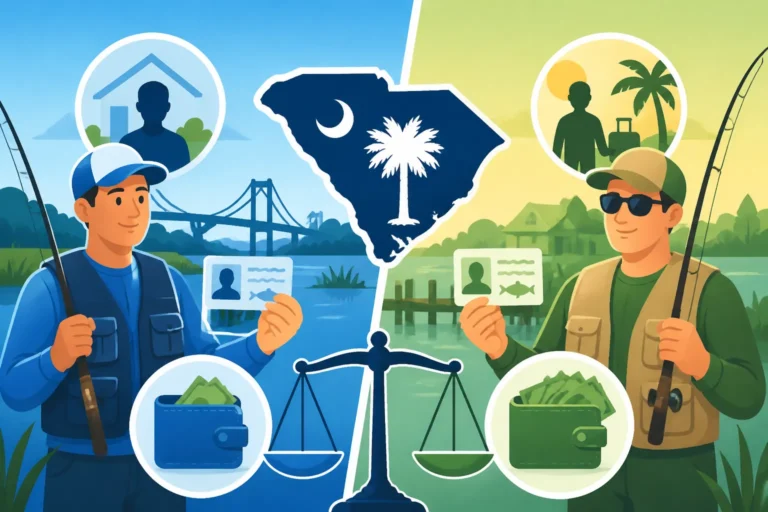
There’s nothing quite like the excitement of a day out on the water, rod in hand, hoping for that perfect bite. But for many folks planning a trip to South Carolina, especially during those tempting "free fishing days," there's often a big misunderstanding that can lead to disappointment or even an unexpected fine. This guide is here to clear up a crucial detail: South Carolina's free fishing days are exclusively for residents of the Palmetto State, and knowing this distinction is key to a hassle-free angling experience.
Understanding South Carolina's Free Fishing Days Program
The concept of "free fishing days" is a wonderful initiative that many states offer, designed to encourage more people to experience the joy of fishing without the initial hurdle of purchasing a license. It’s a fantastic way to introduce newcomers to the sport or allow seasoned anglers a guilt-free day on the water. However, the specific rules, particularly regarding residency, can differ wildly from state to state, and South Carolina has a very clear stance on this.
What Exactly Are "Free Fishing Days"?
At its heart, a free fishing day means you can legally fish in public waters without needing to buy a state fishing license. Imagine the relief – no paperwork, no fees, just you, your gear, and the fish. These days are usually set aside once or twice a year, often coinciding with national holidays or key fishing seasons, making them accessible and convenient. For example, South Carolina has historically offered days like the first Saturday in June, which is National Fishing and Boating Week, and sometimes another day around the Fourth of July. These specific dates, such as South Carolina Free Freshwater Fishing Day May 25 2026 and South Carolina Free Freshwater Fishing Day July 4 2026, are often publicized well in advance by the South Carolina Department of Natural Resources (SCDNR).
These events are a brilliant opportunity to try out a new fishing spot, teach a child how to cast, or simply enjoy a spontaneous trip without the administrative overhead. It removes one of the most common barriers for people considering fishing for the first time, or for those who might only fish once or twice a year and question the value of an annual license. The aim is to promote outdoor recreation and foster an appreciation for South Carolina's incredible aquatic resources.
The "Residents Only" Clause: Why It Matters
Now, here's where the critical detail comes in for South Carolina: these free fishing days are not open to everyone. They are strictly reserved for residents of South Carolina. This isn't just a minor technicality; it's a fundamental rule that out-of-state visitors often overlook, leading to awkward encounters with wildlife officers. The intent behind this restriction is generally to provide a direct benefit to the state's tax-paying citizens and those who contribute to the local economy year-round, while still ensuring that revenue from nonresident licenses helps fund conservation efforts.
Many states do offer free fishing days that are open to nonresidents, which is why visitors might naturally assume South Carolina operates similarly. However, assuming reciprocity or universal access can lead to problems. It’s a common frustration we hear from out-of-state friends who planned a trip around one of these dates, only to find out they still needed to purchase a South Carolina Nonresident Fishing License Guide. Understanding this upfront saves a lot of potential headaches and ensures your fishing trip remains enjoyable and lawful.
Key Dates to Remember
While exact dates can shift slightly year to year, South Carolina typically designates a couple of days during the warmer months for free freshwater fishing. These usually fall in early summer. For instance, in past years, you could often count on a free fishing day in June and sometimes another in July. Always double-check the official South Carolina Department of Natural Resources (SCDNR) website well in advance of your planned trip.
These dates are specifically chosen to offer good weather and active fish, making them ideal for family outings. However, it’s imperative to note again that these dates apply only to freshwater fishing licenses for residents. Saltwater fishing might have different provisions or might not be included in the "free" days at all, depending on the year's regulations. So, if you're planning to chase redfish in the coastal marshes, always verify the specific rules for saltwater access during these promotional periods.
Who Qualifies as a Resident for Free Fishing Days?
The concept of "residency" isn't always as straightforward as it seems, especially when it comes to state regulations like fishing licenses. For South Carolina's free fishing days, understanding what makes you a true resident is paramount. Simply owning property or visiting frequently isn't enough; there are specific criteria that the state uses to define residency for recreational licensing purposes.
Defining "Residency" in South Carolina Fishing Regulations
For the purpose of fishing licenses, and by extension, free fishing days, South Carolina generally defines a resident as a person who has continuously resided in the state for at least 30 days immediately prior to applying for a license (or participating in a free fishing day). This 30-day period is crucial and often requires intent to make South Carolina your permanent home. It’s not just about spending a month here on vacation; it's about establishing genuine ties to the state.
This definition often aligns with other state services, but it’s always wise to refer to the exact wording provided by the SCDNR. For instance, individuals enrolled in South Carolina colleges or universities might qualify, as might active-duty military personnel permanently stationed in the state, even if their home state of record is elsewhere. This nuanced approach helps ensure fairness while still protecting the integrity of the resident-only benefit.
Documentation You Might Need
While you won't be "applying" for a license on a free fishing day, you absolutely need to be able to prove your residency if asked by a law enforcement officer or SCDNR ranger. Think of it this way: the license requirement is waived, but the residency requirement is not. Typical forms of identification that can prove residency include:
- A valid South Carolina Driver's License or ID Card: This is usually the easiest and most accepted form of proof.
- Voter registration card: Demonstrates long-term ties to the state.
- Utility bills or property tax statements: Showing a physical address in South Carolina over an extended period.
- Vehicle registration: A car registered in South Carolina is another strong indicator.
It's a good habit to always carry at least one, if not two, forms of official identification that clearly state your South Carolina address. Imagine you’re out on Lake Murray, enjoying the day, and a ranger approaches. You certainly don't want to be caught without proper identification, even on a free fishing day, as failure to prove residency could lead to the same penalties as Penalty for Fishing Without a License in South Carolina.
Common Misconceptions About Residency
There are a few common misunderstandings that trip people up when it comes to residency for fishing privileges:
- Owning property in South Carolina: Many people who own vacation homes or investment properties in the state assume this grants them resident fishing privileges. Unfortunately, simply owning property without continuously residing there for the specified period does not qualify you as a resident for licensing purposes. You still need to demonstrate genuine primary residency.
- Paying South Carolina taxes: While an indicator of connection to the state, paying property or sales taxes alone often isn't sufficient. The continuous physical presence for 30 days with intent to reside is key.
- Having family members who are residents: Your parents, siblings, or children being South Carolina residents does not automatically confer that status upon you, unless you meet the 30-day residency requirement yourself. Each individual angler must meet the definition.
It boils down to being able to demonstrate that South Carolina is your primary, continuous home, not just a place you visit or have secondary connections to. This strict interpretation helps maintain the integrity of the free fishing day program for its intended beneficiaries.
What the Free Fishing Days Do and Don't Cover
Free fishing days in South Carolina are a fantastic perk for residents, but it's vital to understand the scope of what's being waived and what rules still apply. Thinking it’s a free-for-all can lead to legal trouble, as many other important regulations remain firmly in place.
License Exemptions: The Core Benefit
The primary, and often sole, benefit of a free fishing day in South Carolina is the exemption from needing to purchase a basic state fishing license. This means that if you are a confirmed South Carolina resident, you do not need to possess either a Freshwater Fishing License Cost for South Carolina Residents or a Saltwater Fishing License Cost for South Carolina Residents for that specific day. It's a direct waiver of the fee and the administrative requirement to hold that particular document.
This is a huge relief for casual anglers or those who are just trying the sport for the first time. It removes the barrier of having to figure out How to Get a Fishing License in South Carolina or navigate the different Fishing License Costs in South Carolina. You simply grab your rod, pack a cooler, and head to your favorite pond or river without worrying about violating license laws. For families, this can make a significant difference, especially when considering Fishing License Rules for Kids in South Carolina.
Remaining Regulations Still Apply
This is perhaps the most critical point to emphasize: all other fishing regulations remain in full effect on free fishing days. The "free" part only applies to the license itself, not to the rules governing how you fish or what you can keep. This includes, but is not limited to:
- Bag Limits: How many fish of a certain species you can keep in a single day. For example, South Carolina Redfish Daily Bag Limit Per Person or South Carolina Spotted Seatrout Daily Bag Limit of 10 Fish will still apply. Don't assume you can keep as many as you catch just because you didn't buy a license. Conservation is still the priority.
- Size Limits: The minimum or maximum length a fish must be to be legally harvested. This is especially important for species like redfish, which have a strict South Carolina Redfish Slot Limit 18 to 25 Inches, meaning you can only keep fish within a specific size range. Keep a ruler or measuring tape handy!
- Season Closures: If a particular species is out of season, you cannot target or harvest it, even on a free fishing day. This is crucial for protecting spawning fish or those recovering from environmental impacts.
- Gear Restrictions: Certain types of gear, like trotlines, jug fishing, or specific nets, may require special permits or be prohibited in certain waters. These restrictions are not waived. Always check South Carolina's Freshwater Fishing Regulations and Saltwater Fishing Rules in South Carolina to ensure your gear is legal.
- Time-of-Day Restrictions: While less common for general fishing, some areas or species might have specific times when fishing is prohibited.
- Area-Specific Rules: Local lakes, rivers, or impoundments might have additional rules beyond statewide regulations. Always check signs at boat ramps or access points for any specific local ordinances. For instance, Stocked Trout Limits in South Carolina can vary significantly depending on the specific stream.
Forgetting any of these rules can still result in fines or penalties, so treat a free fishing day like any other day on the water, just without the license cost. It's an excellent opportunity to reinforce good conservation practices, even for novice anglers.
What About Boat Registrations and Stamps?
The free fishing day exemption is very specific to the basic fishing license. It does not extend to other required permits or registrations. Here's what you still need to be mindful of:
- Boat Registration: If you are fishing from a boat, that vessel still needs to be properly registered with the state of South Carolina, and you must carry the registration card onboard. This is a separate requirement from a fishing license and is enforced year-round.
- Migratory Bird Stamps: If you plan to hunt migratory birds, such as ducks or geese, in addition to fishing, you would still need the appropriate federal and state migratory bird stamps.
- Federal Permits (if applicable): While rare for typical recreational angling within state waters, if you venture into federal waters or target highly regulated species, additional federal permits might be necessary, and these are absolutely not covered by state free fishing days.
- Special Permits: Certain types of fishing, such as commercial fishing, or using specific gear like a cast net for bait in certain areas, might require special permits that are not covered by the general fishing license waiver.
In short, the free fishing day is a singular exemption for the individual's basic fishing license. All other regulations and required permits for vessels, specific activities, or other species remain fully in force. When in doubt, always err on the side of caution and check the SCDNR regulations.
Planning Your Free Fishing Day Adventure
So, you're a South Carolina resident, you've marked the free fishing day on your calendar, and you're ready to hit the water without needing to worry about a license! Fantastic! Now comes the fun part: planning your adventure to make the most of this special opportunity.
Best Spots for Resident Anglers on Free Days
South Carolina offers an incredible diversity of fishing environments, from the vast freshwater lakes to the intricate coastal estuaries. For residents looking to take advantage of free fishing days, the world is your oyster – or rather, your bass pond or redfish flat.
For freshwater enthusiasts, the major reservoirs like Lake Murray, Lake Hartwell, and the Santee Cooper lakes (Lake Marion and Lake Moultrie) are always popular choices. These lakes boast abundant populations of largemouth bass, crappie, catfish, and even striped bass. You can find numerous public boat ramps and bank fishing access points, making them ideal for a day trip. For instance, you could explore some Lake Murray Fishing Guide for South Carolina Anglers or dive into the legendary waters of Santee Cooper Lakes: South Carolina's Legendary Bass Fishery. If you prefer river fishing, the Congaree or Edisto Rivers offer excellent opportunities for catfish and panfish.
Coastal residents might head to inshore hotspots like Murrells Inlet, Charleston Harbor, or the vast network of creeks and flats around Hilton Head Island. These areas are prime for targeting redfish, spotted seatrout, and flounder, assuming you're within the season and adhering to all other regulations like the South Carolina Redfish Slot Limit Rules. Many of these areas offer public docks, piers, and designated bank fishing areas. Remember, while the license requirement is waived, a public pier or specific state park might still charge an access fee. To discover some great locations, you could check out Best Inshore Fishing Spots in South Carolina or even Family-Friendly Fishing Spots in South Carolina if you're bringing the kids.
| Fishing Environment | Target Species (Examples) | Typical Locations | Access Types |
|---|---|---|---|
| Large Freshwater Lakes | Largemouth Bass, Striped Bass, Catfish, Crappie | Lake Murray, Lake Hartwell, Lake Marion, Lake Moultrie | Boat ramps, State Parks, Public Docks |
| Small Ponds & Rivers | Bluegill, Redbreast Sunfish, Catfish, Smaller Bass | Local community ponds, Edisto River, Congaree River | Bank access, Kayak launches, Small boat ramps |
| Coastal Inshore | Redfish, Spotted Seatrout, Flounder, Sheepshead | Murrells Inlet, Charleston Harbor, Hilton Head creeks | Public piers, Boat ramps, Kayak access, Bank access |
Essential Gear to Bring
Even though the license is free, your gear isn't! A successful and comfortable day on the water requires a few essentials. You don't need to break the bank, but having the right tools can make all the difference.
- Rods and Reels: For most freshwater and inshore saltwater fishing in South Carolina, a medium-action spinning rod with a matching reel spooled with 8-12 lb test line is incredibly versatile. For younger anglers, a simple push-button spincast combo is perfect for catching bluegill or small bass. You can find reliable and affordable options on platforms like Amazon that will get the job done.
- Tackle Box Basics: A small tackle box should include an assortment of hooks (sizes 1/0 to 6 for various baits), sinkers (split shot, egg sinkers, or Carolina rig weights), swivels, and a few bobbers. Live bait like crickets, worms, or shrimp are always effective, but a few artificial lures like soft plastics, spinnerbaits, or topwater plugs can be fun to experiment with.
- Measuring Device: As mentioned, size limits are still in effect. A small measuring tape or a stick with marked inches is crucial to ensure your catch is legal. Many fishing guides or tackle shops, and certainly Amazon, sell compact, waterproof fish rulers.
- Pliers and Line Cutters: Essential for safely removing hooks and cutting line.
- Cooler with Ice: To keep your drinks cool, snacks fresh, and, if you're lucky, your legal catch properly preserved.
- Sun Protection: South Carolina sun can be intense! Bring sunscreen, a wide-brimmed hat, and polarized sunglasses to protect your eyes and help spot fish.
- Water and Snacks: Stay hydrated, especially during the warmer months.
- First-Aid Kit: A small kit for minor cuts, scrapes, or insect bites is always a good idea.
- Proof of Residency: Don't forget your SC Driver's License or ID!
Don't feel pressured to buy the most expensive gear. A simple setup from a local sporting goods store or even a browse on Amazon for beginner kits can be perfectly adequate for a fun day of fishing.
Making it a Family-Friendly Outing
Free fishing days are practically tailor-made for family outings. It's a fantastic, low-cost way to get kids interested in the outdoors and create lasting memories. Here are some tips for making it a success:
- Keep it Simple: Don't aim for trophy fish or complex techniques. Focus on species that are relatively easy to catch, like bluegill or small catfish, which can provide consistent action and keep children engaged.
- Choose the Right Spot: Look for locations with easy bank access, restrooms, and perhaps even a playground nearby in case fishing interest wanes. State parks often fit this bill perfectly.
- Pack Plenty of Diversions: Fishing can have downtime. Bring other activities for kids, like nature guides, sketchpads, or even a frisbee, to keep them entertained when the fish aren't biting.
- Teach and Encourage: Use it as an opportunity to teach about fish identification, the importance of catch and release (for non-keepers), and water safety. Celebrate every nibble and small catch!
- Safety First: Ensure everyone wears a life vest if on a boat, even if it's not legally required for adults. Review basic water safety rules before you go.
By planning ahead and focusing on the experience rather than just the catch, you can turn South Carolina's free fishing days into cherished family traditions.
Common Pitfalls and How to Avoid Them
While free fishing days are meant to be a boon for resident anglers, certain misunderstandings can quickly turn a fun day into a frustrating one. Knowing these common pitfalls beforehand can save you a lot of trouble and ensure your outing goes smoothly.
Assuming Nonresidents Are Included
This is, without a doubt, the most frequent and impactful misunderstanding surrounding South Carolina's free fishing days. As we've thoroughly covered, these days are explicitly for residents only. It's easy to assume that "free fishing day" means free for everyone, especially if you're visiting from out of state and other states you've fished in have different policies. But in South Carolina, that's simply not the case.
Nonresidents who fish without a valid license on these days are still subject to penalties for fishing without a license. It’s not just a warning; it can be a fine, and nobody wants that. Always remember to check the specific details, and if you are not a bona fide South Carolina resident, you will need to purchase the appropriate South Carolina Nonresident Fishing License Guide or a short-term option like a South Carolina 14-Day Fishing License Options to legally fish. To avoid any doubt, always ask: Are South Carolina's Free Fishing Days Open to Nonresidents?. The answer is a clear no.
Forgetting Other Regulations
Another common mistake is treating free fishing days as an opportunity to ignore all other fishing laws. The license requirement is waived, but that's where the "free" stops. People sometimes get so caught up in the excitement of not needing a license that they overlook critical rules like bag limits, size restrictions, or seasonal closures.
Imagine someone on a free fishing day proudly showing off a stringer full of redfish, only to find out half of them are undersized or oversized for the South Carolina Redfish Slot Limit Rules. Or perhaps they've caught more than their daily limit of spotted seatrout. These actions are still illegal and carry the same consequences as if you were fishing with a license. Always consult the most current SCDNR regulations booklet or website before heading out. A quick check of South Carolina Fishing Bag Limits Explained is always a good idea.
Overlooking Special Permits
While the general fishing license is waived, some specialized fishing activities or locations might still require separate permits or stamps. For instance, if you plan on using certain types of commercial gear, or perhaps fishing in a very specific, managed area that typically requires an additional permit beyond the standard fishing license, that special permit likely remains in effect.
For the vast majority of recreational anglers using standard rod-and-reel methods, this usually isn't an issue. However, for those with more niche interests or who might be experimenting with different techniques, it's worth a double-check. The rule of thumb is: if it's not explicitly a basic freshwater or saltwater fishing license, assume it's still required.
Beyond Free Fishing Days: Securing Your Annual License
Free fishing days are a fantastic incentive, but they are fleeting. For many South Carolina residents, a single or even a couple of free days a year simply isn't enough to satisfy their passion for angling. That's where exploring the various annual license options comes into play.
Why an Annual License is Worthwhile for Residents
If you find yourself enjoying fishing even just a few times a year, investing in an annual South Carolina fishing license is almost always the more economical and convenient choice. Think about it: instead of constantly checking dates and proving residency for a couple of specific days, an annual license offers year-round freedom. You can wake up any Saturday morning, see perfect fishing weather, and just go, knowing you're fully legal.
Beyond the convenience, purchasing an annual license directly contributes to the conservation and management of South Carolina's incredible fisheries. The funds generated from license sales are crucial for stocking programs, habitat restoration, scientific research, and law enforcement efforts by the SCDNR. So, while it's a small investment for you, it has a massive impact on keeping our waters healthy and fish populations thriving for generations to come. It’s part of being a responsible angler and a good steward of our natural resources.
Easy Ways to Purchase Your South Carolina Fishing License
Getting a South Carolina fishing license is incredibly straightforward these days, thanks to modern technology and multiple purchasing options. You won't have to jump through hoops like you might imagine.
- Online via Go Outdoors South Carolina: The easiest and most popular method is to purchase your license directly through the SCDNR's online portal, "Go Outdoors South Carolina." You can set up an account, select your desired license type (freshwater, saltwater, or a combination), and pay securely. This is a 24/7 service, meaning you can literally buy a license from your couch at 3 AM if the mood strikes. For details, check out Buying a South Carolina Fishing License Online or Setting Up an Account on Go Outdoors South Carolina.
- In-Person at Authorized Vendors: Many local bait and tackle shops, sporting goods stores (like some larger Amazon-affiliated retailers or local chains), and even some government offices throughout the state are authorized to sell fishing licenses. This is a great option if you prefer a physical transaction, have questions, or need to pick up some last-minute bait and tackle at the same time.
- By Phone: You can also call the SCDNR customer service line during business hours to purchase a license over the phone. They'll guide you through the process and ensure you get the correct license.
No matter which method you choose, it's usually a quick and painless process, allowing you to get back to what you love doing – fishing!
Exploring Different License Types
South Carolina offers a range of license options to suit different needs and budgets, not just the basic annual freshwater or saltwater. Understanding these can help you get the best value for your fishing habits:
- Annual Licenses: The most common choice for residents, offering a full year of fishing access from the date of purchase. These are available for freshwater, saltwater, or a combination of both. You can find a complete South Carolina Annual Fishing License Price Breakdown.
- Short-Term Licenses: While free fishing days are great, if you only plan a quick, unplanned trip or two, South Carolina also offers short-term licenses, such as 14-day options for residents. These are perfect if you're unsure about committing to an annual license or are testing the waters (pun intended!) to see how much you'll really fish. For more details on these, look into Short-Term Fishing License Options in South Carolina.
- 3-Year Licenses: For the truly dedicated angler who wants maximum convenience and often a slight long-term discount, a 3-year license is available. This saves you the hassle of annual renewal. More info can be found on South Carolina 3-Year Fishing License Options.
- Combination Licenses: If you enjoy both freshwater and saltwater fishing, a combination license is often more cost-effective than buying two separate annual licenses.
- Senior Lifetime Licenses: South Carolina offers fantastic benefits for its senior residents, including lifetime licenses at significantly reduced costs or even free for those who meet certain age and residency criteria. This is a huge perk for our experienced anglers. You can learn more by checking out the South Carolina's Senior Fishing License Guide.
Choosing the right license depends on your fishing frequency and the types of waters you plan to explore. Don't hesitate to consult the SCDNR website or speak with a local tackle shop expert to find the best fit for you.
Disclaimer
Please note that fishing regulations, including free fishing day dates and residency requirements, are subject to change by the South Carolina Department of Natural Resources (SCDNR). While this guide provides comprehensive information based on current understanding, it is always the angler's responsibility to verify the most up-to-date regulations directly with the SCDNR before fishing. This content is for informational purposes only and does not constitute legal advice.