Understanding Redfish Slot Limit Changes Over Time
Few things in fishing can be as frustrating as trying to keep up with ever-changing regulations, especially when it comes to popular species like redfish in South Carolina. One minute you think you've got the slot limits and bag limits memorized, the next you hear whispers of new rules, leaving you scrambling to verify the latest information. This guide aims to cut through that confusion, offering a deep dive into how and why redfish slot limits have changed over time in the Palmetto State, helping you stay informed and on the right side of the law.
The Ever-Evolving Landscape of Redfish Regulations in South Carolina
It’s easy for us anglers to feel like regulations are constantly shifting, and honestly, they often are. For a highly sought-after species like the red drum, or redfish as we affectionately call them, the rules governing what you can keep, how many, and how big they need to be are dynamic. This isn't just to keep us on our toes; it's a critical aspect of ensuring that future generations can enjoy the same incredible redfish action we do today.
Why Redfish Regulations Change
The primary driver behind any change in fishing regulations for redfish in South Carolina is the health and sustainability of the fish population. Think of it like managing a bank account: if you're constantly withdrawing more than you deposit, you're eventually going to run into trouble. Fishery biologists with the South Carolina Department of Natural Resources (SCDNR) are constantly monitoring redfish numbers, looking at everything from spawning success and larval survival to juvenile recruitment and adult biomass. They use scientific data, complex models, and even input from anglers like us to understand the current state of the stock. When these assessments indicate that the population is facing undue pressure, or perhaps recovering better than expected, adjustments to regulations are often necessary. These changes aim to protect the breeding stock, allow younger fish to grow into their spawning potential, and distribute the catch among anglers fairly.
Environmental factors also play a significant role, though they might not always lead to immediate regulatory changes. Things like severe winter freezes, widespread habitat loss, or changes in water quality can impact redfish populations. While the SCDNR can't control the weather, they can respond to its impacts by adjusting fishing pressure through regulations. For instance, a particularly harsh winter that leads to a substantial redfish kill might prompt a more conservative approach to bag or slot limits in subsequent seasons to aid recovery. It's all about ensuring the long-term health of these magnificent fish, even when Mother Nature throws a curveball.
The Angler's Dilemma: Keeping Up with Updates
Let's be real, remembering every single regulation change can feel like a full-time job. You talk to a buddy who fished a few months ago, and their information might already be outdated. Or you grab an old regulations booklet from your tackle box, only to find out it's no longer valid. This constant flux can be incredibly frustrating and, worse, it can unintentionally lead to violations if you're not meticulous about checking the latest rules. Nobody wants to be that angler who gets a ticket because they weren't aware that the South Carolina Redfish Slot Limit Rules had been updated or that the South Carolina Redfish Daily Bag Limit Per Person had been reduced.
The responsibility ultimately falls on each individual angler to stay informed. Imagine heading out for a day of fantastic redfish action near Mount Pleasant, only to discover at the boat ramp that the specific slot you're targeting is now illegal, or your planned number of keepers exceeds the new South Carolina Redfish Two-Fish Vessel Limit Explained. It's a humbling and potentially costly mistake. This is why official sources are paramount, and why this guide emphasizes not just what the rules are, but how to ensure you always have the most current information at your fingertips, even if it feels like a never-ending chase.
A Look Back: Tracing Key Redfish Slot Limit Adjustments
Understanding where we are now with redfish regulations requires a glance back at how they've evolved. Redfish weren't always as heavily managed as they are today. As their popularity as a sport fish exploded, so did the need for more stringent conservation measures. The concept of a "slot limit" became a cornerstone of redfish management, designed to protect both the smallest, most vulnerable fish and the largest, most productive breeders.
Early Regulations and Initial Protections
In the earlier days of recreational fishing in South Carolina, redfish regulations were often less restrictive than what we see today. As angling pressure increased throughout the latter half of the 20th century, and especially with the rise of widespread inshore fishing, the need for formal protection became evident. The slot limit was introduced as a scientific management tool. Unlike a simple minimum size limit which protects only juvenile fish, a slot limit protects both the small, immature fish and the large, mature spawning fish. This means that fish within a certain size range are legal to keep, while those that are too small or too large must be released.
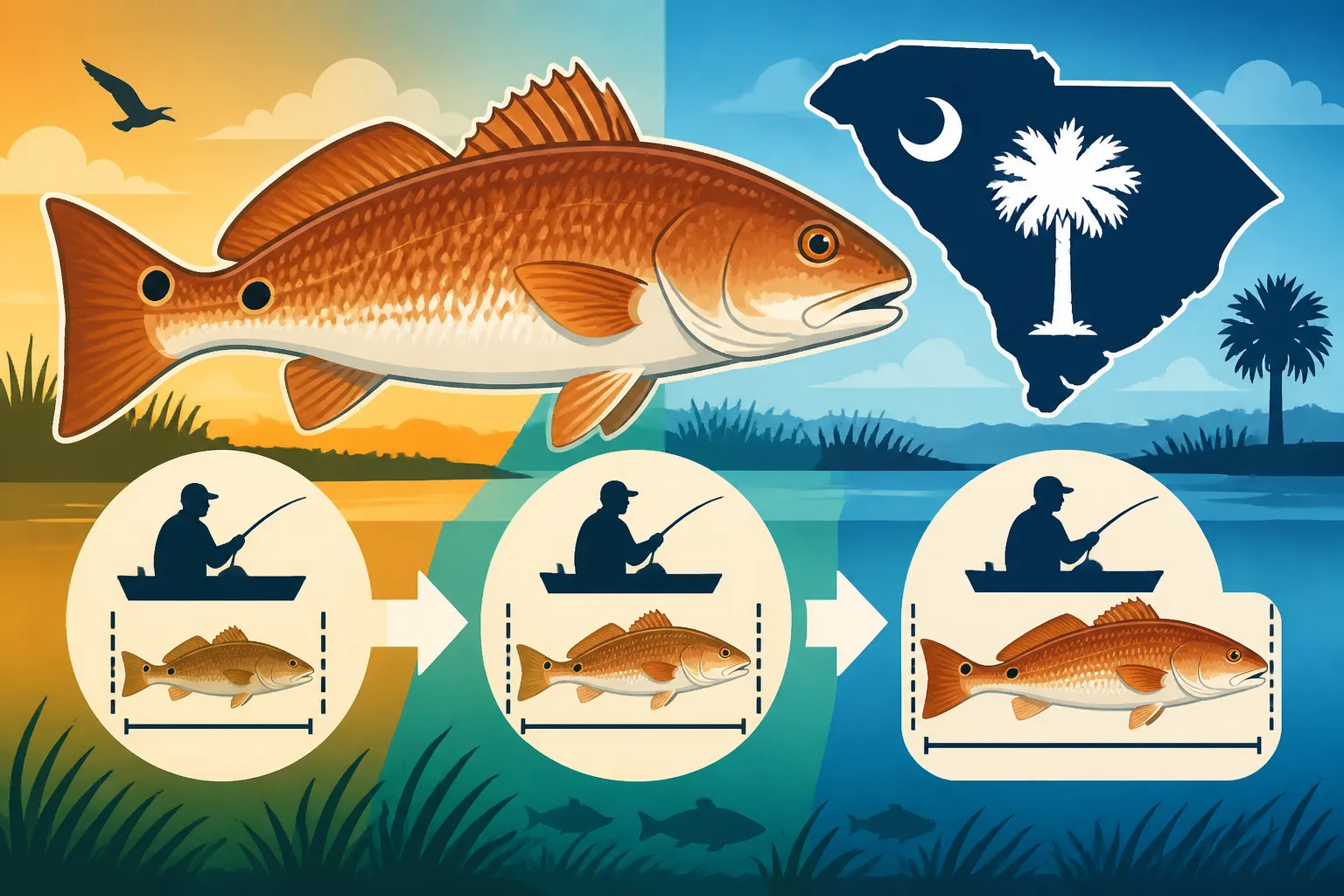
For redfish, these larger "bull reds" are the backbone of the spawning population, capable of producing millions of eggs each year. Protecting them ensures the continuation of the species. Similarly, allowing smaller fish to grow helps replenish the ranks. One notable early shift in South Carolina's redfish slot limit occurred on July 1, 2011. Prior to this date, the slot limit for redfish was 14 to 23 inches total length. However, to enhance protection for the species, the lower end of the slot was raised by an inch, establishing the 15 to 23-inch slot limit that many of us are familiar with today. This seemingly small change was a significant step in allowing juvenile redfish more time to grow before becoming eligible for harvest.
Major Shifts and Conservation Efforts
Beyond the initial establishment and slight adjustment of the slot limit, the most impactful changes in redfish management have often revolved around bag limits and vessel limits. While the 15-23 inch slot has been relatively stable since 2011, these other restrictions are critical to controlling overall harvest. For instance, in July 2021, the SCDNR enacted significant changes to the daily bag and vessel limits for red drum. Prior to these changes, the daily bag limit was 3 fish per person, with a vessel limit of 6 fish. Citing concerns over declining redfish populations based on extensive stock assessments, these limits were reduced to 2 fish per person per day and a vessel limit of 4 fish.
These adjustments, though not a change to the slot size itself, directly influence the number of fish removed from the slot. It’s an example of adaptive management where, even if the ideal size for harvest (the slot) remains consistent, the volume of that harvest can be adjusted to respond to population trends. If you're wondering Has South Carolina's Redfish Slot Limit Changed Recently?, it's important to remember that "changes" can mean more than just the numbers on the tape measure; it includes bag limits, vessel limits, and even seasonal restrictions that all impact the fishing experience and conservation efforts for redfish. These measures reflect the SCDNR's ongoing commitment to ensuring healthy redfish stocks for the future.
The Science Behind the Decisions: How Data Drives Policy
Ever wonder how the SCDNR decides on these specific numbers for slot limits or how many fish you can keep? It's not arbitrary; it's a rigorous process driven by science, data, and a commitment to sustainable fisheries. As anglers, understanding this background can help us appreciate the regulations, even when they feel restrictive.
Stock Assessments and Population Monitoring
The foundation of all redfish regulations lies in comprehensive stock assessments. The SCDNR employs a team of marine biologists who meticulously collect data year-round. This involves a variety of methods to get a clear picture of the redfish population. They conduct extensive surveys using different types of nets to sample various age classes of redfish, from tiny juveniles in nursery creeks to larger fish in deeper waters. This provides crucial information on spawning success, recruitment (how many young fish survive to replenish the population), and the overall age structure of the stock.
Beyond their own surveys, the SCDNR also relies heavily on voluntary data submissions from recreational and commercial anglers. Things like catch reports, tournament results, and even scale samples or fin clips voluntarily submitted by fishermen provide valuable insights into catch rates, growth rates, and genetic diversity. These pieces of information are fed into sophisticated computer models that estimate population size, mortality rates, and future trends. Without this continuous monitoring and the collaboration of the angling community, it would be impossible to make informed decisions about managing this vital resource. It’s a testament to the dedication of scientists and the cooperation of anglers that we have such detailed insights into our redfish populations.
Balancing Conservation with Angler Opportunity
Setting redfish regulations is a delicate balancing act. On one side, there's the imperative of conservation: ensuring the species thrives for generations to come. On the other, there's the desire to provide ample fishing opportunities for the thousands of recreational and commercial anglers who pursue redfish across South Carolina's beautiful coast. When SCDNR biologists present their findings, they are not just looking at raw numbers; they consider the biological characteristics of redfish, such as their longevity, growth rate, and reproductive patterns. The slot limit, for example, is specifically designed to protect the most reproductively active fish (the large "bull reds" that are above the slot) and the younger fish that haven't yet had a chance to spawn.
Beyond population health, factors like fishing pressure, economic impacts on the charter industry, and even social considerations among different angler groups are weighed. Sometimes, a more conservative approach is necessary, such as the reduction in bag and vessel limits we saw for redfish in 2021. These decisions are rarely easy and often involve extensive public input periods to gather feedback from those directly affected. The goal is always to find a sustainable middle ground, allowing us to enjoy the thrill of catching redfish today while safeguarding the future of the fishery. Understanding Redfish Slot Limit Rules for Coastal Anglers means appreciating this careful balance.
Navigating Current Redfish Regulations and Staying Informed
Knowing the history is great, but what really matters when you're on the water is having the absolute latest information. Regulations are designed to protect the resource, and respecting them is part of being a responsible angler. Taking the time to verify current rules before each trip can save you a lot of headache and potential fines.
Understanding the Current Slot and Bag Limits
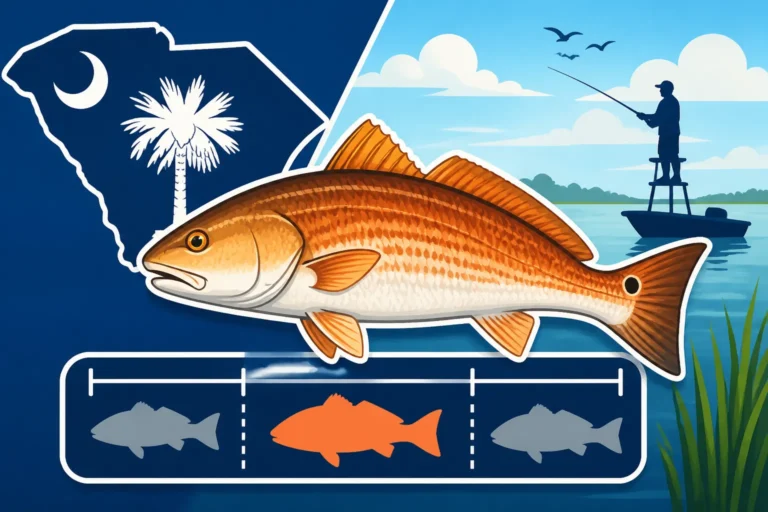
Currently, as of my last check, the South Carolina redfish slot limit is 15 to 23 inches total length. This means that any redfish you intend to keep must measure at least 15 inches from the tip of its snout to the tip of its tail, and it cannot exceed 23 inches. If you catch a redfish smaller than 15 inches or larger than 23 inches, it must be immediately and carefully released. This slot ensures that juvenile fish have a chance to grow, and the large, mature breeding stock remains in the water to reproduce.
In addition to the slot limit, you need to be aware of the daily bag limit and the vessel limit. Each individual angler is allowed to harvest 2 redfish per day. Furthermore, there's a vessel limit of 4 redfish, regardless of how many licensed anglers are on board. This means if you have three anglers on your boat, each legally able to keep two fish, you still cannot exceed a total of four redfish for the entire vessel. These limits are crucial for managing the overall harvest pressure on the redfish population. Remember, these rules are subject to change, so always double-check the Current Redfish Regulations for Coastal Waters before you head out.
| Regulation Type | Pre-July 1, 2011 | July 1, 2011 – June 30, 2021 | July 1, 2021 – Present |
|---|---|---|---|
| Slot Limit (Total Length) | 14 – 23 inches | 15 – 23 inches | 15 – 23 inches |
| Daily Bag Limit (Per Person) | Varies historically, but often 5 fish, then 3 fish | 3 fish | 2 fish |
| Vessel Limit (Per Boat) | Varies historically | 6 fish | 4 fish |
Best Practices for Staying Up-to-Date
In this age of digital information, there's no excuse for not knowing the current regulations. The most reliable source for South Carolina fishing regulations, including those for redfish, is always the SCDNR's official website. They regularly update their online regulations handbook, which you can easily access on your phone or tablet while on the water. Many anglers even print out the relevant pages and keep them in a waterproof sleeve from Amazon in their tackle box. It’s a good idea to refresh your knowledge at the beginning of each fishing season or before any major trip.
Another fantastic tool is the SCDNR's mobile app (usually called something like "Go Outdoors SC" or similar, available for both Apple and Android devices). This app often provides instant access to regulations, allowing you to quickly verify a slot limit or bag limit right from your boat or kayak. Signing up for email alerts from the SCDNR is also a smart move, as they'll often notify you directly when significant regulation changes are proposed or enacted. Never rely solely on hearsay from other anglers or outdated charts you might find lying around. Always remember Why You Should Always Double-Check Current Redfish Rules and use official sources. Carrying a reliable, sturdy tape measure and a good set of Boga Grips (also readily available on Amazon) can help you measure and safely handle your catch to ensure compliance.
The Future of Redfish Management and Your Role as an Angler
The story of redfish regulations in South Carolina is an ongoing one. What holds true today might shift tomorrow, all in the name of preserving this incredible fishery. As anglers, our participation and responsible practices are just as vital as the scientific research itself.
Potential Future Adjustments and Adaptive Management
Fisheries management is rarely a "set it and forget it" endeavor. Redfish populations are influenced by a myriad of factors, including environmental conditions, spawning success, and, of course, fishing pressure. This means that the SCDNR employs a strategy known as "adaptive management." This approach acknowledges that our understanding of complex ecosystems is always evolving, and therefore, regulations must also be flexible. Scientists continuously monitor the redfish stock, and if data indicates that the population is struggling or, conversely, is robust enough to support greater harvest, adjustments will be made.
These adjustments could come in various forms. While the 15-23 inch slot limit has been relatively consistent for over a decade, future stock assessments might warrant changes to those numbers. We might also see further modifications to bag limits, vessel limits, or even seasonal closures in specific areas if localized issues arise. For example, during a particularly cold winter with a documented cold stun event affecting redfish, temporary closures might be put in place to aid recovery. It’s a dynamic process, and we, as anglers, should expect and be prepared for these potential changes. Staying connected to the SCDNR through their official channels will always be your best bet for knowing what's on the horizon.
The Importance of Responsible Angling
Beyond simply following the rules, responsible angling plays a massive role in the long-term health of our redfish fishery. This means embracing practices that minimize stress on the fish, especially those we intend to release. Many anglers, myself included, practice voluntary catch-and-release for most of the redfish we catch, keeping only a couple for the table occasionally. For oversized "bull reds" and undersized juveniles, catch-and-release isn't just a suggestion; it's the law, and handling these fish properly is paramount.
Using appropriate tackle, such as circle hooks which greatly reduce gut-hooking, is a fantastic start. When you land a fish, try to keep it in the water as much as possible, especially if you're planning to release it. If you need to bring it aboard for a quick photo or measurement, handle it gently with wet hands, supporting its full body weight, and avoid touching its gills or eyes. A good dehooking tool, like those found on Amazon, can help you remove hooks quickly and efficiently, minimizing the time the fish is out of the water. Releasing fish properly increases their survival rate, ensuring they can grow larger and contribute to future spawning events. By being mindful of our impact, we contribute directly to the health of the redfish population and help preserve the incredible sport of redfish fishing in South Carolina. For more detailed insights, check out Redfish Fishing in South Carolina: Rules, Spots, and Tips.
Frequently Asked Questions About Redfish Regulations
Navigating the nuances of fishing regulations can sometimes lead to specific questions. Here are a couple of common ones that often pop up for redfish anglers in South Carolina.
Does the Redfish Slot Limit Apply to All Waters in South Carolina?
Yes, generally speaking, the South Carolina redfish slot limit of 15 to 23 inches and the associated bag and vessel limits apply to all coastal waters of the state. This includes rivers, creeks, estuaries, and nearshore areas where redfish are commonly found. The SCDNR implements these regulations statewide to ensure consistent management across all habitats where redfish reside and are targeted by anglers.
It's extremely rare for there to be specific exceptions for redfish in particular areas or bodies of water within the state's jurisdiction. Unlike some trout streams that might have special catch-and-release only zones or unique limits, redfish regulations are typically broad-reaching across the entire salt and brackish water habitat they inhabit. Always assume the standard state regulations apply unless you see a very clear and explicit sign or official notice from the SCDNR indicating a unique local rule for redfish.
What Happens If I'm Caught with an Illegal Redfish?
Being caught with an illegal redfish, whether it's undersized, oversized, or you have exceeded the bag or vessel limit, can lead to serious consequences. In South Carolina, fishing violations are typically considered misdemeanors, and the penalties can include significant fines, court costs, and potentially even the forfeiture of your fishing gear or boat in more egregious cases. The exact fine amount can vary depending on the nature and severity of the violation (e.g., how many fish you were over the limit, or how far out of the slot they were).
Beyond the immediate financial impact, repeated violations can lead to the suspension or revocation of your fishing privileges. Game wardens and enforcement officers with the SCDNR regularly patrol coastal waters, checking licenses and ensuring compliance with regulations. Their job is to protect the resource, and they take violations seriously. It's a stark reminder of why it's so important to always be sure of the current rules. For a broader understanding of legal consequences, you might want to review Penalty for Fishing Without a License in South Carolina. It’s always better to release a questionable fish than to risk a fine and a stain on your angling record.
Disclaimer
Please note that fishing regulations, including slot limits, bag limits, and vessel limits, are subject to change. While this guide provides the most accurate and up-to-date information at the time of writing, it is the angler's sole responsibility to verify and comply with all current regulations set forth by the South Carolina Department of Natural Resources (SCDNR) before engaging in any fishing activity. Always consult the official SCDNR website or the latest SCDNR Fishing Regulations Guide for the most current and legally binding information.