What First-Time Anglers Should Know Before a South Carolina Charter
Embarking on your very first fishing charter in the beautiful waters of South Carolina can be incredibly exciting, but it’s completely normal to feel a little bit overwhelmed or unsure about what to expect. You might be wondering about everything from what to wear to whether you need your own license, or even how to properly handle a fish once you catch it. This comprehensive guide is designed to ease those worries, equipping you with all the essential knowledge to make your inaugural South Carolina charter fishing trip a truly unforgettable, stress-free, and successful experience.
Understanding South Carolina Fishing Charters for the Uninitiated
So, you've decided to dip your toes into the world of charter fishing. That's fantastic! For many first-time anglers, the idea of stepping onto a boat with a seasoned captain and crew, heading out into the open water, is both thrilling and a little intimidating. Let's break down what a charter really entails and why it's such a great option for beginners.
What Exactly is a Fishing Charter?
At its core, a fishing charter is a service where you hire a boat, a licensed captain, and often a mate, to take you fishing. It's not just a boat ride; it’s a guided fishing experience tailored to your group. Unlike renting a boat and trying to figure things out on your own, a charter provides everything from the vessel and fuel to all the necessary fishing gear, bait, and most importantly, the expertise of someone who knows the local waters like the back of their hand. Imagine showing up at the dock, stepping aboard, and having all the heavy lifting already done for you – that's the beauty of a charter. They know where the fish are biting, what baits to use, and how to operate the specialized equipment.
When you book a trip through a platform like FishingBooker, you're connecting with professional captains who specialize in delivering these experiences. They handle the permits, the safety equipment, and the vast majority of the logistical headaches that might deter a new angler. This means less stress for you and more time actually enjoying the fishing.
Why Choose a Charter for Your First Time?
For a first-time angler, a charter is arguably the best way to get introduced to fishing, especially in a new location like South Carolina. Think about it:
- Expert Guidance: You're literally paying for local knowledge. Captains spend hundreds, if not thousands, of hours on the water. They understand the tides, currents, migratory patterns of fish, and local hotspots. Trying to replicate this on your own would take years. They can teach you the basics of casting, reeling, and fighting a fish, offering real-time coaching that's invaluable.
- All-Inclusive Experience: Most charters provide all the gear – rods, reels, bait, tackle, and sometimes even a cooler with ice. This eliminates the upfront cost of buying equipment you might not use again, or the frustration of showing up with the wrong gear. This is particularly helpful when you're just starting out and don't know what you need.
- Safety First: Licensed captains are trained in maritime safety and carry all the required safety equipment, from life jackets to first-aid kits. They know how to navigate safely and respond to unexpected weather changes, which offers immense peace of mind, especially on larger bodies of water or offshore.
- Access to Prime Fishing Grounds: Charter boats are often equipped with advanced fish finders, GPS, and other electronics that help pinpoint fish. They can take you to productive spots that might be inaccessible or unknown to the general public, dramatically increasing your chances of success. It’s not just about catching fish, it’s about learning how and where to catch them from the best teachers.
Types of Charters: Inshore vs. Offshore
South Carolina offers both inshore and offshore fishing charters, and understanding the difference is key to choosing the right experience for your first time out.
-
Inshore Fishing Charters: These trips typically take place in shallower, calmer waters like estuaries, tidal creeks, salt marshes, and bays, often just a stone's throw from the coastline. You might explore areas around Hilton Head Island, Charleston Harbor, or Murrells Inlet. The boats are generally smaller and more agile, allowing them to navigate tight spaces.
- Pros for First-Timers: The calm waters are perfect if you're prone to seasickness or prefer a less intense experience. The fishing is often very active, targeting species like Redfish, Spotted Seatrout, Flounder, and Sheepshead, which are generally abundant and offer a good fight without being overly strenuous. It’s a great way to learn casting techniques and feel the thrill of a bite. You can learn more about these trips here: South Carolina Inshore Fishing Charters Explained.
- Considerations: While the waters are calmer, some tight creek navigation can still feel adventurous. The fish caught are often smaller than offshore giants, but still provide plenty of excitement.
-
Offshore Fishing Charters: These adventures take you miles out into the open ocean, sometimes beyond sight of land. The boats are larger, more robust, and designed to handle deeper, rougher waters.
- Pros: This is where you target the big game species like Mahi-Mahi, Tuna, Wahoo, King Mackerel, and even various shark species. The potential for a truly trophy-sized fish is much higher. The scenery is also incredible, with vast blue expanses and chances to see dolphins, sea turtles, or even whales.
- Considerations for First-Timers: Offshore trips are generally longer (half-day or full-day options are common, but full-day is usually needed for serious offshore), more expensive, and the seas can be much choppier, increasing the likelihood of seasickness. The fight with larger fish can also be physically demanding. If you’re unsure about your sea legs, an inshore trip might be a better starting point. However, if you're determined to chase a monster, don't let that deter you; just be prepared with seasickness remedies! You can learn more about these trips here: South Carolina Offshore Fishing Charters Explained.
Many families or first-timers opt for an inshore trip or a nearshore reef trip (a hybrid that doesn't go too far out but targets different species than pure inshore) for their initial experience, as outlined in Family-Friendly Fishing Charters in South Carolina. This allows everyone to get comfortable with the boat and the fishing process before venturing further offshore.
Preparing for Your South Carolina Fishing Adventure
Once you've decided on the type of charter, it's time to get ready. Preparation is key to ensuring you have a fantastic, worry-free day on the water.
What to Expect Before You Go
Booking a charter, especially for the first time, involves a few standard steps.
- Booking and Communication: You'll typically book your charter either directly with a captain, often found through platforms like FishingBooker, or through a local marina. When booking, be sure to communicate that you are a first-time angler or have beginners in your group. This helps the captain tailor the trip, explaining things more thoroughly and focusing on simpler, more active fishing methods if appropriate. Don’t be shy about asking questions beforehand – it’s their job to make you feel comfortable!
- Deposits and Payments: Most charters require a deposit to secure your booking, with the remaining balance due on the day of the trip. Always clarify the cancellation policy, especially regarding weather. Reputable captains will always prioritize safety and will reschedule or refund if weather conditions make the trip unsafe.
- Confirmation and Logistics: A day or two before your trip, the captain or booking agent will usually reach out to confirm details like meeting time, location, and current weather forecasts. Pay attention to their advice on what to bring and wear. This communication is vital for a smooth start to your day.
Packing Essentials for a Smooth Trip
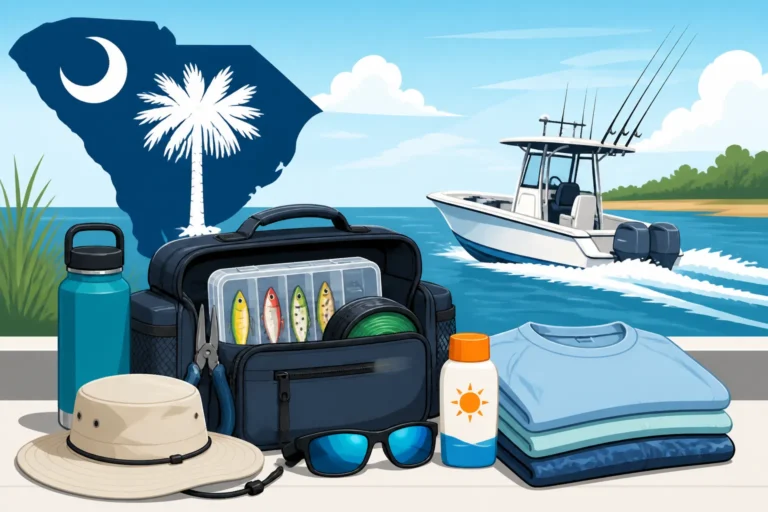
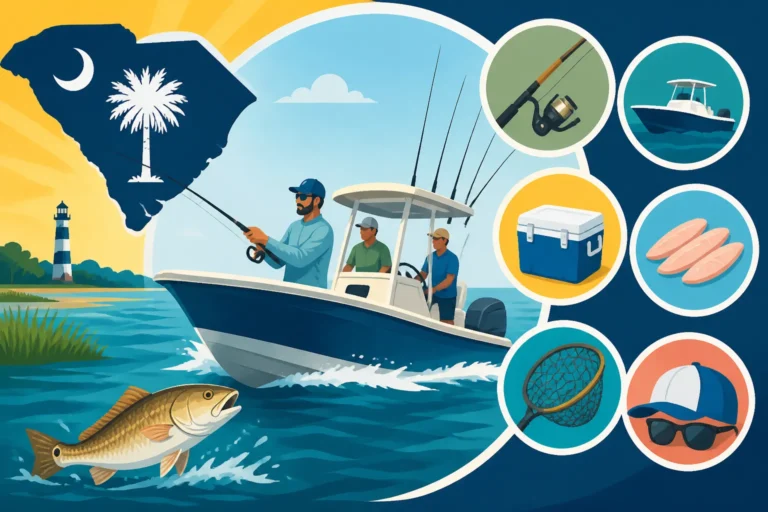
While charters typically provide the fishing essentials, there are some personal items you'll want to bring to ensure your comfort and enjoyment. Think layers, sun protection, and hydration! This is a more detailed breakdown than a quick checklist.
- Sun Protection: This is paramount in South Carolina! Even on cloudy days, the sun's reflection off the water can lead to severe sunburn.
- Sunscreen: High SPF, water-resistant sunscreen is a must. Apply it generously before you leave and reapply throughout the day, especially after getting wet.
- Hat: A wide-brimmed hat offers much better protection than a baseball cap, shielding your ears and neck.
- Sunglasses: Polarized sunglasses are highly recommended. They not only protect your eyes but also help cut the glare on the water, allowing you to see fish or structure more clearly.
- Light, Long-Sleeved Clothing: Breathable, moisture-wicking shirts with long sleeves offer excellent sun protection without making you overheat. Many fishing shirts are specifically designed for this purpose.
- Appropriate Clothing:
- Layers: The temperature can change drastically from early morning to midday, or if you head offshore. Bring layers you can easily add or shed. A light jacket or rain jacket (even if rain isn't forecast, a spray from waves can happen) is always a good idea.
- Footwear: Wear comfortable, non-slip shoes. Flip-flops might seem appealing, but they offer little protection or stability on a wet, rocking boat. Deck shoes or sneakers with good grip are ideal.
- Food and Drink:
- Snacks and Lunch: While some charters might offer drinks, bringing your own snacks and drinks (water, Gatorade, etc.) is always a good idea. Fishing is hungry work!
- Water: Stay hydrated! Bring more water than you think you'll need.
- Cooler: The charter will usually have a cooler for your catch, but a small personal cooler for your food and drinks is a good plan.
- Seasickness Medication (If Needed): If you're going offshore or are prone to motion sickness, take medication like Dramamine or Bonine before you get on the boat. Once you're feeling sick, it's often too late for them to be effective. Ginger chews or wristbands can also help.
- Camera: Capture those memories! Just ensure it's secure or waterproof.
- Small Bag: A small, soft-sided bag to keep your personal items organized and protected from spray.
For a more comprehensive checklist, check out our guide on What to Bring on a South Carolina Fishing Charter.
Licensing and Gear: What's Usually Covered?
This is a common question for first-timers, and thankfully, charters simplify things immensely.
- Fishing License: In most cases, when you book a licensed charter boat in South Carolina, your fishing license is covered under the captain's commercial license. This means you, as a passenger, generally do not need to purchase your own individual fishing license for the duration of the trip. However, it's always wise to confirm this directly with your captain when you book, just to be absolutely sure. This is a huge benefit for tourists or those just trying fishing for the first time. For more general information about licenses, you can refer to our South Carolina Fishing License Guide.
- Fishing Gear and Bait: This is almost universally included. Your charter will provide rods, reels, lines, hooks, lures, and all the bait you'll need. The captain will choose the appropriate gear for the target species and conditions. You don't need to bring your own unless you have a favorite lucky rod you simply can't leave behind (and even then, clear it with the captain first!).
- Safety Equipment: As mentioned, life jackets (including child sizes), first-aid kits, communication devices, and other essential safety gear are mandated and provided by the charter.
On the Water: Maximizing Your First Charter Experience
The boat is moving, the sun is shining, and your line is in the water. This is what you came for! But how do you make the most of it, especially as a beginner?
Working with Your Captain and Crew
Your captain and mate (if there is one) are your guides and teachers for the day.
- Listen Attentively: They'll give instructions on how to cast, how to reel, and what to do when you get a bite. Pay close attention; their advice is born from years of experience.
- Don't Be Afraid to Ask Questions: There are no "stupid questions" when you're learning! Ask about the fish you're targeting, the bait, the techniques, or even local history. Most captains love sharing their knowledge and passion.
- Communicate Your Needs: If you're feeling unwell, need a break, or have a specific goal (like catching a certain type of fish), let them know. They want you to have a good time and can adjust the plan if possible. For example, if your child is getting bored, they might suggest moving to a spot known for smaller, more frequent bites.
- Follow Safety Instructions: This is non-negotiable. Always listen to and follow their directions, especially concerning moving around the boat, handling equipment, or in case of unexpected weather.
Basic Fishing Etiquette
Being on a charter boat, especially a shared one, means being considerate of others and the crew.
- Give Space: If there are other anglers, be mindful of their space when casting or reeling. Tangled lines are a common frustration and easily avoidable.
- Wait Your Turn: If the captain or mate is busy with another angler, patiently wait your turn for assistance.
- Handle Fish Carefully (as Instructed): When you catch a fish, the crew will often help you unhook it. If you're asked to handle it yourself, do so gently and as instructed to minimize stress on the fish and prevent injury to yourself. Fish have sharp fins, teeth, and hooks can be dangerous.
- Keep the Deck Clear: Try to keep your personal belongings in your bag and out of the way to prevent tripping hazards.
- Respect the Environment: Don't litter! Keep all trash contained on the boat.
Handling Your Catch: Keep or Release?
This is a big part of the fishing experience, especially in South Carolina where conservation is taken seriously.
- Regulations Are Key: Your captain is an expert on current fishing regulations, including minimum sizes, bag limits, and seasons for various species. They will ensure that any fish kept are within legal limits. For example, species like Redfish have a specific South Carolina Redfish Slot Limit Rules that charters must adhere to. The crew will measure your fish against these regulations.
- Catch and Release: Many charters practice catch and release, especially for certain species or if you've already met the bag limit for a particular fish. The crew will demonstrate how to properly handle and release a fish to maximize its survival chances. This includes wetting your hands before touching the fish, supporting its body, and releasing it quickly.
- Keeping Your Catch: If you catch a legal keeper and wish to take it home, the crew will typically place it on ice in a cooler. They'll often offer to clean and fillet your fish for you at the end of the trip, which is a fantastic service for first-timers! You can learn more about this process in Cleaning and Filleting Your Catch After a South Carolina Charter.
Post-Trip Considerations and Making Memories
The lines are pulled in, the boat is heading back to the dock, and you're likely buzzing from the excitement. There are just a few more things to consider to wrap up your first charter experience perfectly.
Tipping Your Crew
Just like in other service industries, tipping your captain and mate is customary and very much appreciated. They work hard to provide a safe, enjoyable, and successful trip, often starting long before you arrive and finishing long after you leave, cleaning the boat and preparing for the next outing.
- Standard Practice: A common gratuity is 15-20% of the total charter price. If the crew went above and beyond, or if you had an exceptional day, feel free to give more.
- How to Tip: It's best to give the tip directly to the mate, who will then typically split it with the captain. If there's no mate, give it directly to the captain.
- Why It Matters: The crew's wages often rely heavily on tips. It's a direct way to show your appreciation for their expertise, hard work, and service. For more details, see Tipping Your South Carolina Fishing Guide.
What Happens to Your Fish?
If you were fortunate enough to keep some fish, your captain and crew will likely take care of the processing.
- Filleting Service: Most charters offer complimentary filleting and bagging of your legal catch. They are professionals and will do a much cleaner, more efficient job than a first-timer attempting it on the dock. This is a huge perk!
- Transport Home: Once your fish are filleted and bagged, they'll be ready for you to take home. Make sure you have a cooler ready in your car to transport them safely, especially if you have a long drive. If you're staying locally, many restaurants even offer "cook your catch" services.
- Sustainable Practices: Remember that the regulations, like South Carolina Redfish Slot Limits and What You Can Keep on Charter Trips, are in place to ensure sustainable fishing for future generations.
Booking Your Next Adventure
For many first-timers, one charter trip is all it takes to get hooked! After experiencing the thrill and ease of a guided trip, you might find yourself already planning your next outing.
- Reflect and Review: Think about what you enjoyed most and what you might want to try differently next time. Did you love the calm inshore waters, or are you ready for the deep blue of an offshore adventure?
- Consider a Different Trip Type: South Carolina's diverse waters mean you could try a different kind of trip next time. Perhaps a dedicated shark fishing trip, or a journey to chase specific species like Mahi-Mahi.
- Loyalty: If you had a fantastic experience with your captain, don't hesitate to book with them again. Building a rapport with a good guide can lead to even better trips in the future, as they'll know your preferences and skill level. Many happy anglers find their go-to captain on platforms like FishingBooker.
Your first fishing charter in South Carolina is more than just a fishing trip; it's an educational experience, an adventure, and a fantastic way to create lasting memories. By understanding what to expect and being prepared, you're setting yourself up for an incredible day on the water. Enjoy the beautiful South Carolina coast, the thrill of the catch, and the camaraderie of the open sea!
Disclaimer
This article is for general informational purposes only and does not constitute professional advice. Laws, prices and regulations vary by location and change over time. Consult a qualified professional for guidance on your specific situation.