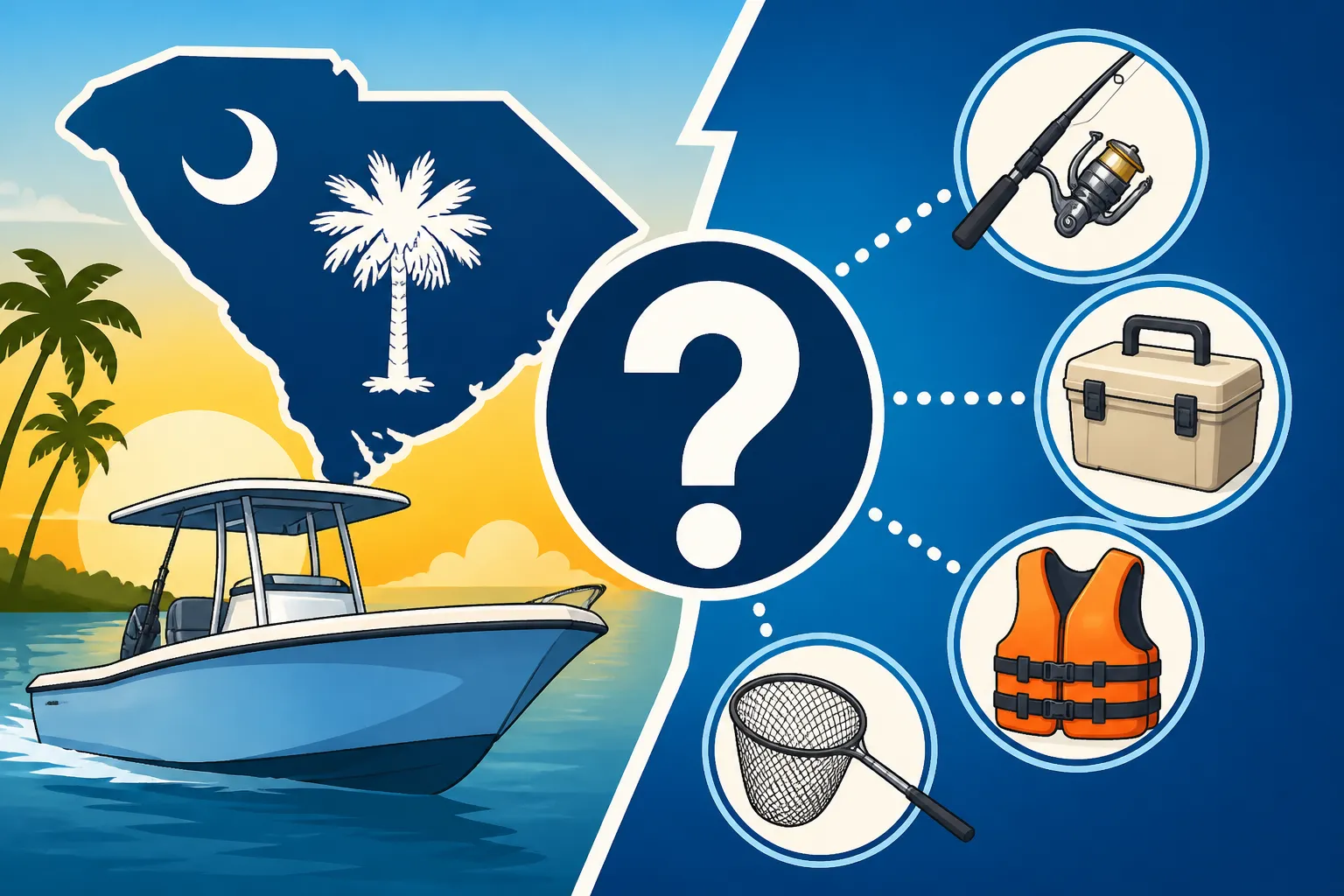
Does South Carolina Charter Price Include Gear and License?
One of the biggest anxieties when you're planning a fishing trip, especially with a charter, is wondering what's truly included in that upfront price. No one wants to be surprised by hidden costs for essential items like rods, bait, or even the license itself! This guide is here to untangle the typical inclusions and exclusions for South Carolina fishing charters, helping you set expectations and budget like a pro for your next Lowcountry or Upstate angling adventure.
The All-Important Question: Are Fishing Licenses Included?
This is perhaps the most common question, and honestly, it's where a lot of anglers get confused. Generally speaking, for most South Carolina fishing charters, your individual fishing license is not included in the price of the trip. It's often your responsibility to secure the appropriate freshwater or saltwater fishing license before you step aboard.
Think of it like this: your captain and crew are licensed professionals who operate the vessel and guide you to the fish. Their licenses cover their commercial operations. However, when you, as an individual angler, drop a line into the water, you are required by law to have your own license. This applies whether you're a resident or a visitor from out of state. It's crucial to understand the rules, and you can find a comprehensive breakdown in our South Carolina Fishing License Guide.
There are, however, a few specific scenarios where a license might be covered:
- Head Boats or Party Boats: These larger vessels, especially those operating offshore, sometimes operate under a blanket federal permit that covers everyone on board for specific species. This is more common for offshore trips targeting species like snapper or grouper in federal waters. Always confirm this directly with the head boat operator.
- Youth Anglers: In South Carolina, kids under a certain age are typically exempt from needing a fishing license. So, if you're bringing youngsters along, they might not need one anyway, regardless of what the charter includes. Check out Fishing License Rules for Kids in South Carolina for the age specifics.
- Private Ponds: If you're somehow booking a guided trip on a completely private, self-contained pond where the owner has stocked the fish, a state fishing license might not be required. This is a niche situation, though, and not what most people think of as a "fishing charter."
For the vast majority of inshore, nearshore, and lake charters, you'll need to purchase your own license. It's typically a straightforward process, and you can often buy them online through the SCDNR website or at authorized vendors. If you're a nonresident, you'll want to review your options in our South Carolina Nonresident Fishing License Guide as the fees and durations can differ. Always double-check with your specific charter captain when you book to be absolutely certain. It’s better to ask upfront than to risk a fine from a conservation officer, which can certainly put a damper on an otherwise fantastic day on the water.
What About the Gear? Rods, Reels, and Bait.
Now, this is usually where the good news comes in! When you book a fishing charter in South Carolina, the expectation is almost universally that all necessary fishing gear will be provided. This is one of the huge benefits of booking a guided trip, as it removes a major barrier to entry for many people.
Let's break down what "gear" typically entails:
- Rods and Reels: Your captain will supply rods and reels that are specifically matched to the type of fish you'll be targeting and the fishing techniques you'll be employing. If you're chasing powerful redfish in the marsh, they'll have stout setups ready. If you're bottom fishing for snapper offshore, expect heavier gear. These aren't just any rods; they're well-maintained, specialized tools chosen for South Carolina's diverse fisheries.
- Tackle and Lures: Lines, hooks, weights, swivels, and a variety of artificial lures (like jigs, soft plastics, or topwater plugs) are all part of the package. Your guide knows what's biting and what works best in local conditions, so they'll have a fully stocked tackle box at the ready.
- Bait: Whether it's live shrimp, mud minnows, cut bait, or even specialized chum, the bait appropriate for your target species and location will be provided. Sourcing fresh, lively bait is often a pre-dawn task for your captain, and that effort is factored into your charter fee.
Why Charters Provide the Gear
There are several compelling reasons why South Carolina fishing charters almost always include gear:
- Specialization: Charter captains spend hundreds of days a year on the water. They know exactly what rods, reels, and tackle perform best for the local species and conditions. They invest in high-quality, durable equipment that can withstand the rigors of frequent use and fighting big fish.
- Maintenance: Good gear requires constant maintenance. Lines need to be changed, reels serviced, and rods inspected. By providing their own gear, captains ensure everything is in top working order, maximizing your chances of a successful catch and minimizing frustrating equipment failures.
- Convenience: For you, the angler, it's incredibly convenient. You don't have to worry about packing bulky rods, buying tackle you might only use once, or figuring out what bait to use. Just show up, and the captain has everything covered. This is especially true for visitors flying into the state who can't easily transport their own fishing rods.
- Safety: Properly maintained and selected gear is safer. A reel that can handle a strong run from a bull redfish prevents equipment damage and potential injury.
Bringing Your Own Gear
While charters provide gear, some experienced anglers prefer to bring their own favorite rod and reel. Most captains are perfectly fine with this, especially if you're targeting specific species with specialized techniques you're comfortable with. However, it’s always a good idea to ask your captain beforehand. They might have specific preferences, or they might need to ensure your gear is compatible with their boat setup or the target species for the day. For example, if you bring a super light freshwater spinning reel on an offshore trip, it might not be suitable for fighting larger saltwater species, and the captain might politely ask you to use their equipment for your own success and the safety of the fish.
Beyond Gear and Licenses: Other Costs to Consider
So, while the gear is usually covered, and the license is typically on you, what other costs should you be aware of when planning your South Carolina fishing adventure? Being prepared for these "extras" ensures a smooth, enjoyable, and surprise-free trip.
Gratuity for Your Hardworking Crew
This is a big one, and it's something many first-time charter guests overlook. Tipping your captain and mate is customary and highly encouraged in the fishing charter industry. These folks work incredibly hard before, during, and after your trip – cleaning the boat, rigging lines, baiting hooks, helping you land fish, filleting your catch, and ensuring your safety.
A standard gratuity typically ranges from 15% to 20% of the total charter price. If you had an exceptional experience, saw incredible effort, and caught a lot of fish, a higher tip is always appreciated. On the flip side, if the weather was tough and the fish weren't biting, but the crew worked tirelessly and maintained a great attitude, they still deserve a good tip for their effort and professionalism. It’s a reflection of their service, not just the number of fish caught. Many captains even split the tip with their mate, so your generosity directly impacts their income. We have a whole guide dedicated to Tipping Your South Carolina Fishing Guide if you want to dive deeper into the etiquette.
Fish Cleaning and Packaging
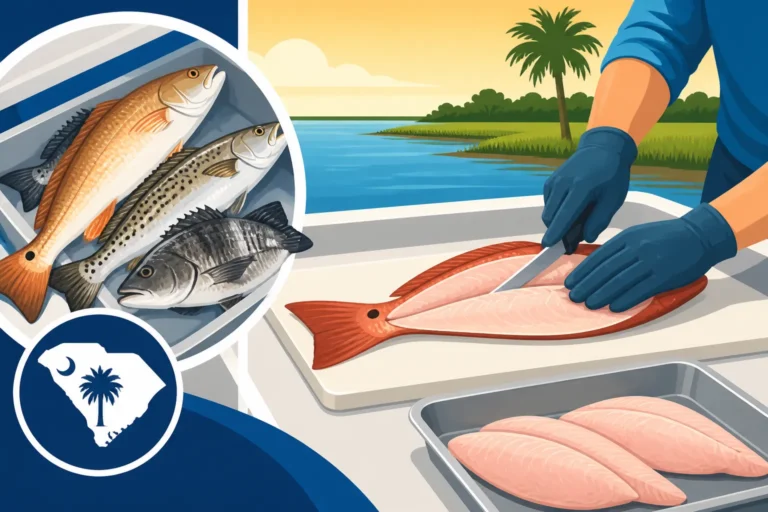
After a successful day of fishing, you'll likely have some keepers! Most South Carolina charter captains will clean and fillet your catch for you right there at the dock. This is usually included in the charter price as a standard service. They're skilled at it, and it saves you a huge mess at home or your rental.
However, sometimes for very large catches, or if you request special processing (like skinning every fillet or portioning in a particular way), there might be a small additional charge. Also, while they'll clean the fish, you'll typically need to bring your own cooler with ice to transport your fillets home safely. This is a critical point – a large cooler is a must-have item. Always confirm the fish cleaning policy and if you need to bring a cooler when you book your trip.
Food, Drinks, and Personal Items
While your captain is responsible for the fishing, they aren't usually running a restaurant! You'll need to bring your own food and beverages for the day. This could be anything from sandwiches and snacks to water, sodas, or adult beverages (if permitted by the captain and consumed responsibly after fishing).
Beyond sustenance, remember to pack other personal essentials:
- Sunscreen: The South Carolina sun can be intense, even on cloudy days.
- Hat and Sunglasses: Protection for your eyes and face is key. Polarized sunglasses are also incredibly helpful for seeing into the water.
- Appropriate Clothing: Dress in layers, as mornings can be cool and afternoons warm. Quick-drying fabrics are a plus.
- Rain Gear: Weather can change quickly in South Carolina. A lightweight rain jacket is a smart addition, even if the forecast looks clear.
- Medication: If you need specific medications, bring them.
- Camera: To capture those memorable moments!
Many captains will have a cooler with some bottled water on board, but don't count on it. Always plan to bring your own provisions.
Fuel Surcharges
This is less common for standard inshore or nearshore trips but can occasionally apply to certain longer offshore excursions, especially when fuel prices are particularly volatile. A fuel surcharge means an additional fee might be added to cover the cost of fuel beyond a certain baseline. This is typically communicated upfront, but it's always worth a quick question if you're booking a deep-sea trip that involves a long run out to sea. This information would usually be detailed on their booking platform, perhaps on a site like FishingBooker.
Photography Services
Some charter companies or individual guides might offer professional photography or videography services as an add-on. This is usually an extra charge, but it can be a fantastic way to memorialize a special trip without having to worry about your own camera getting wet or distracted from fishing. If you're celebrating a special occasion, it's something to consider!
Here's a quick overview of what to expect:
| Item | Typically Included in Charter Price | Often an Extra Cost or Your Responsibility | Notes |
|---|---|---|---|
| Fishing Licenses | No (with rare exceptions) | Yes | Almost always your responsibility. Confirm with captain, especially for head boats. |
| Rods & Reels | Yes | No | High-quality, species-appropriate gear provided. |
| Tackle & Lures | Yes | No | All necessary hooks, weights, and artificials. |
| Bait | Yes | No | Live and/or cut bait supplied, chosen for target species. |
| Fuel | Yes (usually) | Yes (rare surcharge) | Usually part of the base price; very long offshore trips might have a fuel surcharge. |
| Captain/Crew Service | Yes | No (but gratuity expected) | Professional guidance and assistance are provided. |
| Fish Cleaning | Yes | No (rarely, for special requests) | Filleting and bagging usually included. Bring your own cooler and ice for transport. |
| Gratuity | No | Yes | Expect to tip 15-20% for good service. This is separate from the charter fee. |
| Food & Drinks | No | Yes | Bring your own snacks, meals, and beverages. |
| Personal Items | No | Yes | Sunscreen, hats, sunglasses, rain gear, medications, etc. |
Knowing about these potential costs upfront helps you avoid any surprises and ensures you can focus entirely on enjoying your time on the water. Planning ahead for these aspects is just as important as knowing the South Carolina Fishing Bag Limits Explained for your target species!
How to Confirm What's Covered Before You Book
The best way to avoid any confusion or unexpected charges on your South Carolina fishing charter is simple: communicate clearly and ask specific questions before you finalize your booking. Don't assume anything, even if it seems obvious.
Here’s a step-by-step approach to ensure you're fully informed:
Review the Charter's Website or Booking Platform
Most reputable South Carolina fishing charters, especially those listed on platforms like FishingBooker, will have a dedicated section detailing "What's Included" and "What to Bring." This is your first and often most comprehensive resource. Look for bulleted lists or clear paragraphs outlining:
- Fishing licenses: Do they provide them, or do you need to buy your own? If you need one, is it freshwater or saltwater?
- Gear: Explicitly state if rods, reels, tackle, and bait are included.
- Fish cleaning: Confirm if this service is offered and if there's any extra charge.
- Coolers/Ice: Do they provide a cooler for your drinks, or should you bring your own? Do they have ice for your catch?
- Water/Beverages: Sometimes basic bottled water is included, but don't count on it unless explicitly stated.
If you're using a booking platform like FishingBooker, make sure you carefully read the "Details" or "What's Included" sections for each specific charter listing. Different captains, even in the same area, might have slightly different offerings.
Ask Direct Questions During the Booking Process
Whether you're calling a captain directly, emailing, or using a messaging feature through a platform like FishingBooker, don't hesitate to ask these key questions:
- "Do I need to purchase a South Carolina fishing license for this trip, or is it covered?"
- "Are rods, reels, tackle, and bait provided, or should I bring my own?"
- "Is fish cleaning included, and do I need to bring a cooler for my fillets?"
- "What are your recommendations for food and drinks? Should I bring my own snacks and beverages?"
- "What is your policy on gratuities for the crew?"
These questions are standard, and any professional captain will be happy to provide clear answers. This is also a good opportunity to gauge their communication style and professionalism, which can be an important factor in Choosing the Right South Carolina Fishing Guide.
Get It in Writing
Once you've discussed the details, it's always a good idea to have confirmation in writing, even if it's just an email or a message thread. This provides a clear record of what was agreed upon, protecting both you and the charter operator. Most online booking systems will automatically send a confirmation that includes these details.
Being proactive about understanding what's included will significantly enhance your charter fishing experience in South Carolina. It allows you to budget accurately and arrive at the dock fully prepared, ready to cast a line without any nagging worries about unexpected expenses. Knowing you're covered on the essentials lets you focus on the excitement of the chase, whether you're heading out for some Mount Pleasant Redfish and Trout Fishing Spots or exploring the deeper waters off the coast.
Disclaimer
This article is for general informational purposes only and does not constitute professional advice. Laws, prices and regulations vary by location and change over time. Consult a qualified professional for guidance on your specific situation.