Mount Pleasant Redfish and Trout Charter Trips
Oh, Mount Pleasant! If you've ever dreamt of casting a line into serene marsh creeks, feeling that tell-tale tug, and battling a feisty redfish or a shimmering spotted seatrout, then you've absolutely picked the right corner of the Lowcountry. It's a truly special place for inshore angling, but like any great fishing destination, it helps to know what you're getting into before you head out. This guide is all about demystifying Mount Pleasant redfish and trout charter trips, helping you understand what makes them so fantastic, what to expect, and how to make the most of your adventure on the water.
Why Mount Pleasant is an Inshore Angler's Paradise
Mount Pleasant isn't just a charming town; it's a gateway to some of the most vibrant and productive inshore fisheries on the East Coast. Anglers from all over flock here, and for good reason. The unique geography and rich ecosystems create the perfect nursery and hunting grounds for sought-after species like redfish and spotted seatrout.
The Rich Estuaries and Salt Marshes
When you look at a map of Mount Pleasant and the surrounding areas, you'll immediately notice the intricate web of tidal creeks, expansive salt marshes, and shallow grass flats. This isn't just pretty scenery; it's the engine of the Lowcountry's incredible fishery. These vast estuaries are constantly flushed by the tides, bringing in nutrient-rich water from the ocean and protecting countless species of baitfish, shrimp, and crabs.
For redfish and trout, these environments are absolutely ideal. The shallow grass flats, especially during high tide, become prime feeding grounds where redfish will literally "tail" as they root around for fiddler crabs and other crustaceans. Those deeper creek channels and oyster beds? They're perfect ambush points for spotted seatrout waiting for an unsuspecting mullet or shrimp to drift by. It’s a dynamic, ever-changing landscape, and understanding its rhythms is key to successful fishing – something your charter captain knows intimately. They've spent years learning the subtle shifts, the hidden potholes, and the oyster rakes that hold the most fish.
Accessibility and Natural Beauty
One of the great perks of fishing out of Mount Pleasant is its fantastic accessibility. You're just a stone's throw from Charleston, making it easy to get to, whether you're a local or visiting from out of state. But once you leave the busy boat ramps and navigate into the maze of creeks, you'll feel a million miles away from city life. The natural beauty of the Lowcountry is simply breathtaking. Imagine the sun rising over Spartina grass, a heron stalking its breakfast, and the quiet splash of a jumping mullet – it’s an experience that goes beyond just catching fish.
This area offers numerous access points, from public boat landings to private marinas, allowing charters to easily reach diverse fishing grounds, from the expansive waters of Charleston Harbor to the narrower, more secluded creeks. This means your captain has a wide array of options to choose from, adapting to the day's tides, weather, and where the fish are most active. You might start your day poling through glassy flats and end it drifting a deeper channel, all within a relatively short boat ride, taking in views that truly define the Palmetto State.
Understanding Your Target Species: Redfish and Spotted Seatrout
When you book a Mount Pleasant charter specifically for redfish and trout, you're targeting two of the most iconic and exciting inshore species in South Carolina. Each offers a unique angling experience, and knowing a little about them can heighten your appreciation for the trip.
The Allure of Redfish (Red Drum)
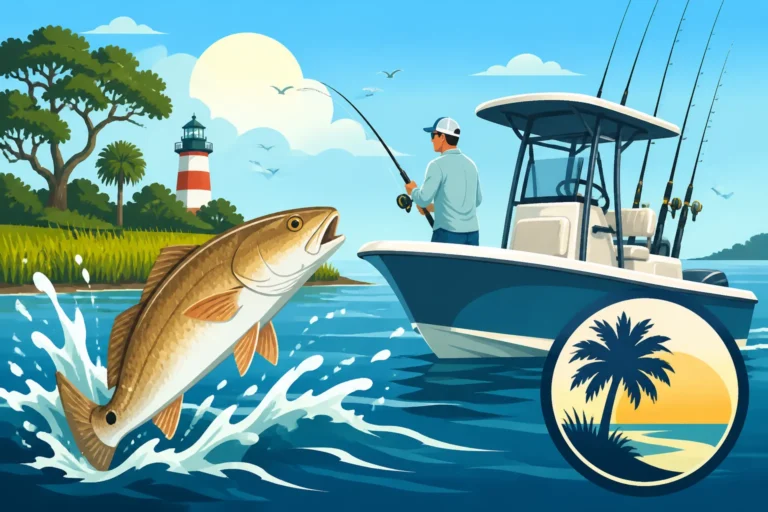
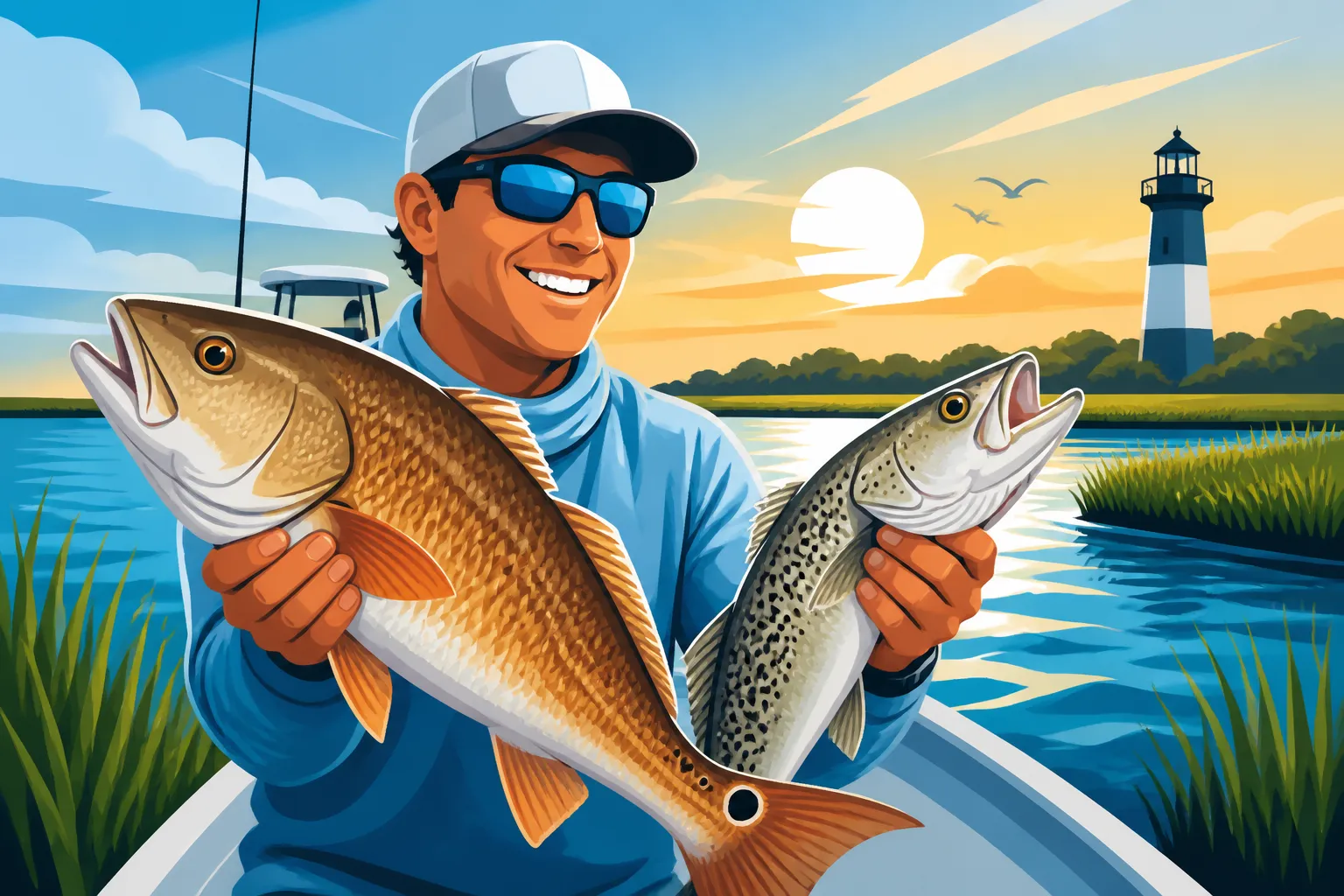
Oh, the redfish! There’s a reason these copper-colored beauties are such a favorite among Lowcountry anglers. They are powerful, stubborn fighters, and when you hook into a good one, you'll know it. Their aggression makes them a blast to catch, whether they're smashing a topwater lure at dawn or pulling drag against a stout spinning rod.
In Mount Pleasant's intricate marsh system, redfish are often found in shallow grass flats, around oyster rakes, and along the edges of deeper channels. They love to patrol these areas, constantly on the hunt for food. During higher tides, you might experience the thrill of "sight fishing" where your captain poles the boat silently across a flat, looking for the tell-tale "tails" of redfish feeding head-down in the grass. This is an incredibly visual and exciting way to fish. For anglers new to the area, it's important to be aware of the South Carolina Redfish Slot Limit 18 to 25 Inches and the South Carolina Redfish Daily Bag Limit Per Person, as these regulations are strictly enforced to protect the fishery. Your charter captain will, of course, be fully up-to-date on all current rules, ensuring you stay compliant and fish responsibly.
Chasing Spotted Seatrout
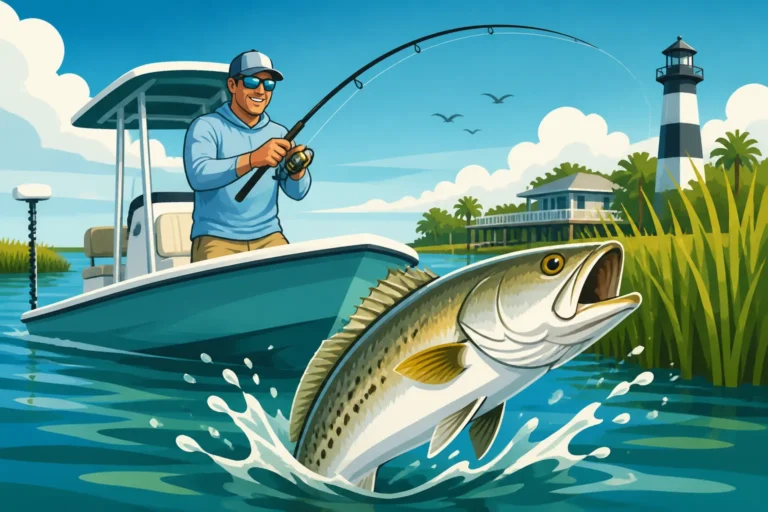
While redfish are the bruisers of the marsh, spotted seatrout offer a different kind of excitement. Often referred to simply as "trout" by locals, these sleek, silvery predators are known for their beautiful spotted flanks and their tendency to school up. They aren't quite the brute fighters that redfish are, but they make up for it with their aggressive strikes and delicious table fare.
Spotted seatrout in Mount Pleasant tend to prefer slightly deeper water than redfish, often congregating in creek mouths, potholes, and along current breaks where they can ambush baitfish. They are particularly active during cooler months but can be found year-round. Many anglers love to target trout with popping corks and live shrimp, creating a "pop" sound that mimics a feeding fish and attracts their attention. Another popular method involves casting artificial lures, like soft plastics on jig heads, to mimic small baitfish. Just like with redfish, there are important regulations to follow, including the South Carolina Spotted Seatrout Minimum Size 14 Inches and the South Carolina Spotted Seatrout Daily Bag Limit of 10 Fish. Your captain will guide you through these rules and ensure that any trout you keep are legal and healthy specimens.
What to Expect from a Mount Pleasant Charter Trip
Booking a fishing charter is about more than just a boat ride; it’s an immersive experience designed to put you on the fish with the guidance of a local expert. When you sign up for a redfish and trout trip in Mount Pleasant, here's a closer look at what your day might entail.
Types of Charters and Boats
Most Mount Pleasant redfish and trout charters are considered "inshore" trips, meaning you'll be fishing in the protected waters of the estuaries, creeks, and bays, rather than heading far out into the open ocean. This is great for those who might be prone to seasickness or simply prefer calmer waters.
You'll typically find yourself on a shallow-draft boat, often referred to as a "skiff" or "bay boat." These vessels are specifically designed to navigate the skinny waters of the Lowcountry marsh, allowing your captain to get you into areas that larger offshore boats simply can't reach. The smaller size often means a more intimate experience, usually accommodating 2-4 anglers comfortably. Your guide's knowledge is truly invaluable here; they've spent countless hours learning the tides, the currents, and the secret spots that hold fish throughout the changing seasons. The duration of these trips usually varies between half-day (4 hours) and full-day (6-8 hours), with half-day trips being a popular choice for families or those new to charter fishing.
Gear, Bait, and Techniques Used
One of the best parts about booking a charter is that almost everything you need is provided! You won't have to worry about buying expensive rods and reels or knowing exactly what bait to use. Your captain will have high-quality spinning gear rigged and ready, appropriate for targeting redfish and trout.
As for bait, captains often carry a variety of options. Live bait is a staple in the Lowcountry, with live shrimp, mud minnows, and finger mullet being common choices, depending on the season and what the fish are feeding on. You'll also likely use a range of artificial lures. Soft plastic jigs are incredibly versatile for both species, as are popping corks rigged with live or artificial shrimp. Topwater lures can provide exhilarating strikes, especially for redfish and trout in low-light conditions.
Your captain will guide you through the specific techniques. For redfish, this might involve casting accurately to marsh edges or sight fishing on shallow flats, where you cast to visible fish. For trout, it could mean drifting a deeper channel while working a jig, or casting a popping cork near structure. If you're new to this kind of fishing, don't worry! Guides are patient instructors. You can also dive deeper into specific tactics like Inshore Redfish Techniques for Beginners or Inshore Trout Fishing Techniques for Beginners to get a head start. Most importantly, your captain will ensure that all fishing adheres to local regulations, and often, the boat's license covers all passengers, so you usually don't need your own South Carolina Fishing License Guide when on a licensed charter. However, it's always smart to confirm this when booking.
The Role of Your Charter Captain
Your charter captain is more than just a boat driver; they are your expert guide, instructor, and navigator. Their role is multi-faceted and crucial to a successful and enjoyable trip. First and foremost, they know the waters intimately. The Mount Pleasant marsh system is complex, with shifting sands, oyster beds, and countless creeks. Your captain navigates these waters with precision, knowing where to find the fish based on tides, weather, and time of year. They'll also provide all the necessary instruction, whether you're a seasoned angler looking for tips or a complete beginner who needs help with casting.
Beyond finding fish, your captain ensures your safety on the water and that all fishing practices comply with South Carolina regulations. They will be up-to-date on all bag limits, slot limits, and seasonal closures for species like redfish and trout. After a successful day, many captains will also clean and fillet your catch, making it ready for you to take home and cook. Their goal is to make your day on the water as productive and memorable as possible, handling all the logistical complexities so you can simply focus on the joy of fishing.
Planning Your Redfish and Trout Charter in Mount Pleasant
Embarking on a fishing charter requires a little planning to ensure everything goes smoothly. From knowing the best times to fish to understanding the booking process and etiquette, here's what you need to consider for your Mount Pleasant redfish and trout adventure.
Best Time of Year and Day
Timing is everything when it comes to inshore fishing in Mount Pleasant. While redfish and trout can be caught year-round, certain seasons offer prime opportunities.
Spring (March-May): This is often considered one of the best times. As water temperatures rise, fish become more active, and baitfish start moving into the estuaries. Redfish are hungry after the cooler winter months, and trout fishing can be excellent.
Summer (June-August): Fishing remains strong, but you'll often find redfish moving into deeper, cooler waters or becoming more active during early morning and late evening. Trout might be found in cooler, shaded areas. The heat can be intense, so early starts are common.
Fall (September-November): Many consider fall the absolute prime time. The famous "fall run" sees baitfish migrating, and redfish, in particular, gorge themselves in preparation for winter. Trout fishing can be fantastic as well. The cooler weather is also a bonus!
Winter (December-February): Don't count winter out! While some days can be slow, colder temperatures often push redfish into large schools in deep holes, making them easier to target if you find them. Trout fishing can still be productive on warmer, sunny days. Remember, South Carolina's Winter Gigging Ban for Seatrout usually means you'll be using rod and reel, which is perfectly fine.
Beyond the season, tidal influence is absolutely crucial for inshore fishing. Your captain will plan your trip around the tides, knowing that certain tides (incoming, outgoing, high slack, low slack) are better for specific areas or target species. For example, Does Tide Timing Matter for South Carolina Redfish? Absolutely! Many charters will start early in the morning to take advantage of cooler temperatures and active fish, especially during warmer months.
Booking Your Charter and What to Bring
Once you've decided when you want to go, the next step is booking your charter. There are many fantastic captains operating out of Mount Pleasant, and finding the right one can make all the difference. Online platforms like FishingBooker are a great resource, allowing you to browse different captains, compare their offerings, read reviews, and check their availability. When you book, don't hesitate to ask questions:
- What's included in the price (bait, tackle, licenses, fish cleaning)?
- What species are you most likely to target given the season?
- What's their cancellation policy in case of bad weather?
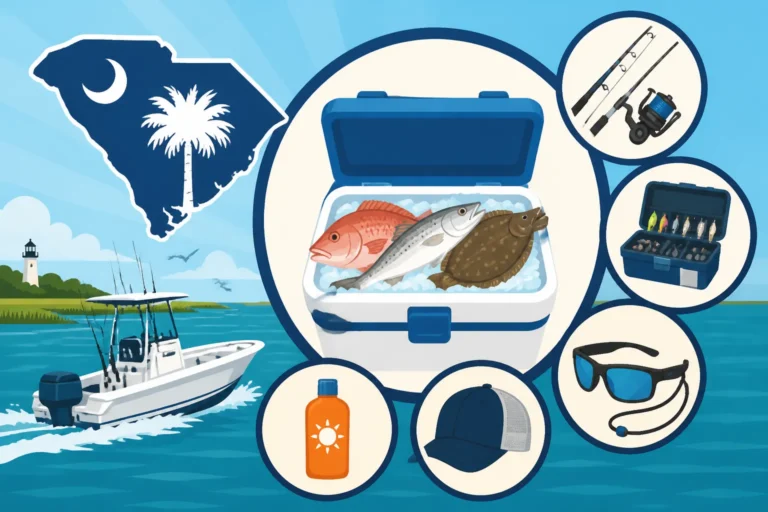
As for what to bring, think comfort and sun protection:
- Sunscreen and Hat: The Lowcountry sun is no joke, even on cloudy days.
- Polarized Sunglasses: These are a game-changer! They cut the glare off the water, allowing you to spot fish and structure more easily.
- Appropriate Clothing: Dress in layers, as mornings can be cool and afternoons warm up.
- Snacks and Drinks: While some charters provide water, it's always good to bring your own, plus some snacks to keep your energy up.
- Cooler (optional): If you plan to keep fish, some charters allow you to bring a small cooler to take your fillets home. Confirm this beforehand.
- Camera: To capture those memorable moments!
- Medication: If you need any personal medications.
You can also check out a more extensive list in articles like What to Bring on a South Carolina Fishing Charter for a complete checklist.
Understanding Costs and Tipping Etiquette
Charter fishing in Mount Pleasant, like anywhere else, involves a cost, which generally covers the boat, fuel, guide's expertise, tackle, and bait. Prices will vary depending on the duration of the trip (half-day vs. full-day) and the number of anglers. Generally, half-day trips are more economical and a good option for beginners or families with young children. Always check the charter's website or booking platform for current pricing.
Beyond the base cost, it's customary to tip your charter captain. This is a significant part of their income and a way to show appreciation for their hard work, knowledge, and effort in making your trip enjoyable and successful. A general guideline is to tip 15-20% of the total trip cost. If your captain went above and beyond, worked extra hard in tough conditions, or was an exceptional instructor, a more generous tip is always appreciated. They spend hours before and after your trip preparing the boat, getting bait, cleaning up, and maintaining equipment. For more specific guidance on this, an article like How Much to Tip Your South Carolina Fishing Guide can offer further insights.
Here’s a quick overview of what to expect from redfish versus spotted seatrout charters, which often get combined in Mount Pleasant:
| Feature | Redfish (Red Drum) | Spotted Seatrout (Speckled Trout) |
|---|---|---|
| Typical Habitat | Shallow grass flats, oyster rakes, marsh edges | Creek mouths, deeper holes, current breaks, structure |
| Fighting Style | Strong, powerful runs; often stubborn bottom fighters | Aggressive strikes, strong head shakes, good aerials |
| Peak Seasons | Spring, Fall (especially good for "tailing") | Spring, Fall (consistent year-round, often good in winter) |
| Common Baits | Live shrimp, mud minnows, mullet, artificial jigs, topwaters | Live shrimp, mud minnows, artificial jigs, popping corks |
| Regulations | Strict slot limits and daily bag limits | Minimum size and daily bag limits |
| Charter Focus | Often involves sight fishing in shallow water | Can involve drifting, targeting structure, popping corks |
Mount Pleasant truly offers a phenomenal inshore fishing experience, whether you're chasing the powerful pull of a redfish or the exhilarating strike of a spotted seatrout. By understanding the environment, the fish, and what to expect from your charter, you're well on your way to a memorable Lowcountry adventure.
Disclaimer
This article is for general informational purposes only and does not constitute professional advice. Laws, prices and regulations vary by location and change over time. Consult a qualified professional for guidance on your specific situation.