Charleston Harbor Redfish Fishing Trips
Oh, the Lowcountry! There's something truly magical about the thought of casting a line into Charleston Harbor, especially when you're dreaming of that signature, bronze-colored beauty: the Redfish. Many anglers, both visiting and local, can feel a bit daunted by the sheer vastness of the harbor and the complexity of its tides, wondering where to even begin their quest for this iconic game fish. But don't worry, friend, this guide is here to untangle the mysteries and help you plan your perfect Redfish fishing trip in the heart of South Carolina's coastal charm.
Why Charleston Harbor is a Redfish Paradise
Charleston Harbor isn't just a picturesque waterway; it's a vibrant, thriving ecosystem that makes it an absolute magnet for Redfish. If you've ever spent time in the Lowcountry, you know the salt marsh is everywhere, a labyrinth of creeks and estuaries that act as the perfect nursery and feeding ground for countless species, Redfish included. It’s a place where the water is constantly moving, bringing in nutrients and baitfish, creating a dynamic environment that Redfish just adore.
The Estuary System and Its Abundance
The extensive network of tidal creeks, oyster beds, and sprawling grass flats within Charleston Harbor and its surrounding estuaries provides a buffet and sanctuary for Redfish. These fish are opportunists, always on the hunt for shrimp, crabs, and small baitfish that thrive in these rich environments. Imagine a grocery store, but it's a vast underwater labyrinth stocked with everything a Redfish could ever want to eat. That's essentially what our Lowcountry estuaries offer. The spartina grass provides cover from predators and ambush points for hunting, while the oyster beds are like natural filtration systems that keep the water healthy and provide even more food sources. This unique combination makes it one of the most productive fisheries on the East Coast. When you look at a map of Charleston Harbor Fishing Spots for South Carolina Anglers, you quickly realize just how much prime habitat there is.
Year-Round Opportunities
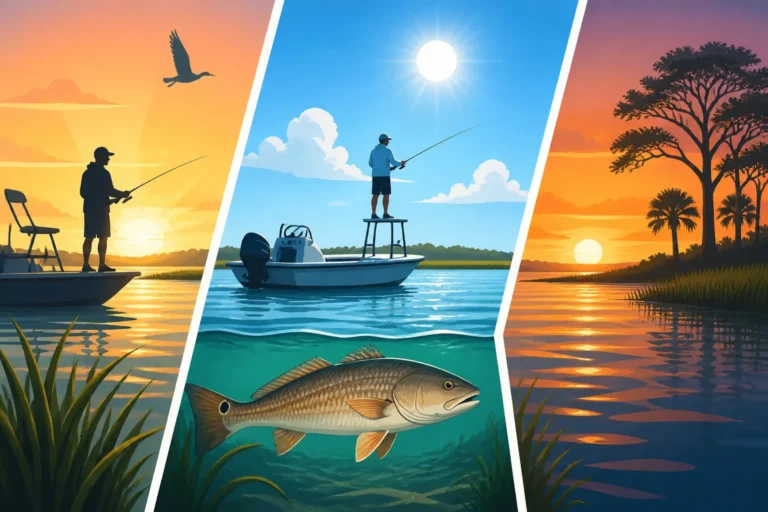
One of the truly fantastic things about Redfish fishing in Charleston Harbor is that it's largely a year-round pursuit. While the techniques might shift with the seasons, the fish are always there, adapting to water temperatures and food availability. In the cooler months, Redfish tend to school up in deeper holes and around oyster bars, offering incredible sight-fishing opportunities on clear, sunny days. During the warmer spring, summer, and fall months, they spread out into the grass flats, tailing in the shallows as they forage for crabs. This adaptability means that no matter when you visit or what time of year you want to fish, there's always a chance to hook into a gorgeous Redfish. It’s a fantastic reason why many people flock to the area, eager to experience this unique fishery. Knowing the South Carolina Fishing Seasons Guide can help you tailor your expectations and techniques.
Understanding Redfish Behavior in Charleston's Tides
If you want to be successful at catching Redfish in Charleston Harbor, you absolutely must understand the tides. It's not just a suggestion; it's the golden rule of Lowcountry inshore fishing. The ebb and flow of the ocean dictate everything, from where the Redfish feed to how aggressively they're biting. Ignoring the tides is like trying to navigate a maze blindfolded – you might get lucky, but you're probably going to get lost.
The Power of the Tides and How Redfish React
The tides in Charleston Harbor are significant, often fluctuating several feet between high and low. This constant movement pushes water in and out of the marsh creeks, creating currents that Redfish use to their advantage. On an incoming tide, fresh baitfish and crustaceans are swept into the grass flats, and Redfish will move into those shallower areas to ambush them. They'll often "tail" in the grass, their tails poking out of the water as they root around for crabs. Conversely, as the tide begins to fall, Redfish will stage themselves along creek mouths, oyster bars, and deeper channels, waiting for bait to be flushed out of the marsh. They use the current to conserve energy while letting their food come to them. Understanding Does Tide Timing Matter for South Carolina Redfish? is a game-changer for any angler.
Prime Feeding Times and Locations
For Redfish, the edges of oyster beds and the vast grass flats are like their favorite diners. During an incoming tide, especially a strong one, the fish will push deep into the grass, sometimes in water barely deep enough to cover their backs. This is when sight fishing can be incredible, as you can spot their tails or backs breaking the surface. As the tide begins to fall, they'll often retreat to the edges of the grass lines, the deeper pockets near oyster bars, or even around submerged structures like docks and jetties, waiting for the bounty to be flushed out. Knowing the South Carolina Redfish Slot Limit and Tide-Based Techniques is critical here, not just for regulations but for understanding how to target keeper-sized fish. You'll often find guides stressing the importance of fishing a specific part of the tide cycle for the best results, whether it's the last two hours of the incoming or the first two hours of the outgoing.
Booking Your Charleston Redfish Fishing Trip
For many, the easiest and most effective way to experience prime Redfish action in Charleston Harbor is to book a trip with a local guide or charter. While you can certainly venture out on your own if you have the right boat and knowledge, the expertise of a seasoned local can dramatically increase your chances of success and save you a lot of guesswork. Plus, they handle all the tricky bits like licenses and gear! Platforms like FishingBooker make finding and comparing reputable local guides incredibly simple, streamlining what could otherwise be a confusing process.
Choosing Between Guides and Charters
When it comes to booking, you essentially have two main options: a guided trip or a fishing charter. For Redfish, especially inshore in the harbor, you're almost always looking at a guided trip on a smaller bay boat or flats boat. These boats are designed to navigate the shallow waters and tight creeks where Redfish live. A good guide isn't just a boat driver; they're a local expert who knows the nuances of the tides, the seasonal patterns of the fish, and the best baits and techniques to use on any given day. They often have years, if not decades, of experience fishing these exact waters. This is different from larger offshore charters that might take you miles out for different species. For more details, consider looking into Charleston Harbor Inshore Fishing Trips specifically. Booking through a service like FishingBooker can help you sort through the options and find guides specializing in Redfish.
What to Expect and What to Bring
Most reputable Charleston Fishing Charters: South Carolina's Harbor Trips will provide all the necessary fishing gear, bait, and often even your fishing license for the day. However, it's always a good idea to confirm this when you book. You definitely want to ensure you have a valid South Carolina Fishing License Guide if you're fishing on your own or with friends without a guide providing it. For a guided trip, expect to bring essentials like sunscreen, a hat, sunglasses (polarized ones are a huge help for spotting fish!), comfortable non-marking shoes, and any food or drinks you might want for the duration of the trip. A cooler for your drinks is usually provided on the boat. It's also wise to check the weather forecast and dress in layers, as mornings can be cool even on warm days. Don't forget your camera, because you'll want to capture that beautiful Redfish!
Essential Techniques for Catching Redfish in the Harbor
Redfish are incredible fighters and can be caught using a variety of techniques, which is part of what makes them so much fun to target. Whether you prefer the thrill of a topwater strike or the subtle tug of a shrimp, there's a method that will appeal to you. Your guide will definitely have their preferred methods, but it's good to know the basics.
Live Bait vs. Artificial Lures
This is often a big debate among anglers, and honestly, both have their time and place for Redfish.
Live Bait: Live bait is often the most consistent producer, especially for beginners or when the bite is tough. Shrimp, mud minnows, and finger mullet are all excellent choices. They provide natural scent and movement, making them irresistible to hungry Redfish. A live shrimp under a popping cork is a classic and highly effective setup, mimicking a shrimp flicking on the surface and drawing fish in. You can also fish live bait on the bottom with a simple Carolina rig. The downside? Keeping live bait can be a hassle, and sometimes it's quickly picked off by non-target species. This is where a charter comes in handy, as they'll typically handle all the live bait sourcing.
Artificial Lures: For the angler who loves to work a lure, artificials offer a more interactive and often more rewarding experience. Soft plastic paddletails or jerk shads rigged on jig heads are incredibly versatile and can mimic baitfish or shrimp. Gold spoons are another classic, particularly effective when Redfish are feeding on mullet. Topwater lures, especially at dawn or dusk, can elicit explosive strikes that get the adrenaline pumping. Fly fishing for Redfish in the shallow marsh grass is also incredibly popular for those seeking a true challenge. If you're looking for specific recommendations, checking out Best Lures for Inshore Redfish Fishing can give you some great ideas.
Here's a quick comparison of popular options:
| Bait/Lure Type | Best Conditions | Pros | Cons |
|---|---|---|---|
| Live Shrimp | All tides, especially moving water | High strike rate, natural scent & action | Can be delicate, eaten by small fish |
| Mud Minnows | Cooler water, slower bite | Hardy, irresistible to Redfish | Can be slower fishing |
| Finger Mullet | Warmer water, bigger fish | Attracts larger Redfish | Harder to keep alive, bigger bait |
| Soft Plastic Jig | Versatile, covering water | Mimics various bait, durable | Requires active retrieve, presentation matters |
| Gold Spoon | Murky water, active baitfish | Great flash, covers ground quickly | Less natural action, retrieve specific |
| Topwater Plug | Low light, calm water | Exciting visual strikes | Can be hit-or-miss, requires patience |
Casting to Structure and Sight Fishing
Redfish are often found around structure, whether it's a rocky bank, a submerged oyster rake, or the lush edges of the marsh grass. These areas provide cover, ambush points, and concentrated food sources. When fishing these areas, accurate casting is key. You want to get your bait or lure as close to the structure as possible without getting hung up. Your guide will likely point out key areas like shell rakes or creek bends where fish are likely to be holding.
Sight fishing, particularly in the shallow grass flats on an incoming tide, is one of the most thrilling ways to catch Redfish. Imagine poling silently through crystal-clear water, scanning for the tell-tale "tail" of a Redfish digging for a crab, or a bronze back moving slowly through the shallows. Once you spot a fish, the challenge is to make a perfect cast, leading the fish just enough so it sees your offering as an easy meal. This technique requires stealth, patience, and good polarized sunglasses. It's an incredibly rewarding experience when it all comes together. Many anglers specifically seek out How to Sight Fish for Redfish in Shallow Water opportunities in the Lowcountry. Remember, always pay attention to the South Carolina Redfish Daily Bag Limit Per Person and the Redfish Slot Limit Rules for Coastal Anglers to ensure you're fishing responsibly and legally.
Embarking on a Redfish trip in Charleston Harbor is an unforgettable experience, combining stunning Lowcountry scenery with the thrill of chasing a powerful, beautiful fish. With a little planning and respect for the tides, you'll be well on your way to a memorable day on the water.
Disclaimer
This article is for general informational purposes only and does not constitute professional advice. Laws, prices and regulations vary by location and change over time. Consult a qualified professional for guidance on your specific situation.