Hilton Head Redfish Fishing Charter Trips
Feeling overwhelmed by the sheer number of fishing charters in Hilton Head, trying to figure out which one will actually put you on some feisty redfish? It's a common struggle, wading through endless websites and reviews, wondering if you'll end up on a boat that truly understands the local waters and how to target these incredible game fish. This guide is here to cut through the confusion, offering a clear path to understanding, choosing, and enjoying successful redfish fishing charter trips around beautiful Hilton Head Island.
Understanding Hilton Head's Redfish Scene
Hilton Head Island isn't just a picturesque beach destination; it's a dynamic ecosystem teeming with life, and for anglers, that means a prime location for chasing redfish. The intricate network of tidal creeks, Spartina grass flats, and oyster beds creates an ideal habitat for these powerful fish, making it a bucket-list destination for many.
Why Hilton Head is a Redfish Hotspot
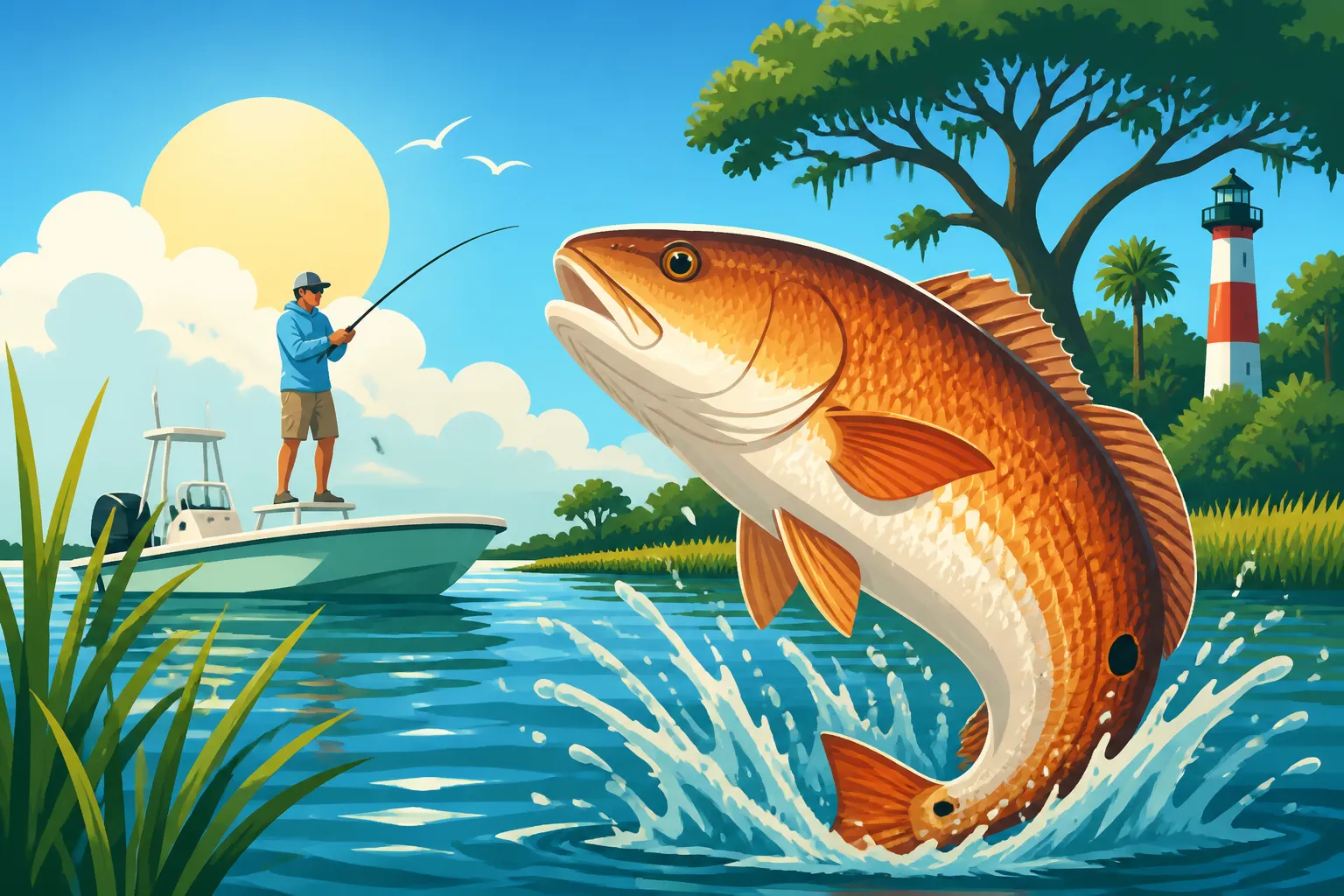
The unique geography of Hilton Head, part of South Carolina's famed Lowcountry, provides an unparalleled environment for redfish. Imagine miles of winding creeks that ebb and flow with the Atlantic tides, revealing vast expanses of mudflats at low tide where redfish "tail" as they forage for fiddler crabs and shrimp. These fertile estuaries are nurseries for all sorts of marine life, which means a constant buffet for hungry redfish. The abundance of natural forage keeps the redfish population healthy and active year-round.
Local guides spend countless hours navigating these waters, learning the patterns and preferences of the redfish in different seasons. They know the subtle signs of tailing fish, the perfect cut of bait to use, and the most productive depths at various tide stages. It’s this intimate knowledge, combined with the rich natural environment, that makes Hilton Head a genuine redfish hotspot. Whether you're sight-casting to a schooling group in a shallow creek or targeting larger "bull reds" in deeper channels, the opportunities here are incredible.
The Importance of Tides and Seasons for Redfish
Redfish activity in Hilton Head is heavily influenced by the moon and the changing seasons. The tidal range can be significant, dramatically altering the landscape of the inshore waters multiple times a day. High tide often means fish pushing deep into the grass to feed, sometimes making them harder to reach, while a falling tide can draw them out into creek mouths and along oyster beds, concentrating them and making them more accessible to anglers. Understanding these tidal movements is paramount to successful redfish fishing. Does Tide Timing Matter for South Carolina Redfish? delves deeper into this fascinating interaction.
Seasonally, redfish behaviors shift. In the cooler months, redfish tend to school up in larger numbers in deeper channels and holes, seeking warmer, more stable water. During spring and fall, when water temperatures are just right, they become incredibly active, often found in shallower waters and providing fantastic sight-casting opportunities. Summer brings warmer water, and while redfish are still present, they might be more active during cooler parts of the day, like early mornings or late evenings, or they might move to areas with more oxygenated water. A good charter captain will tailor the trip to the specific conditions, ensuring you're fishing the right spots with the right techniques for the time of year.
What to Expect on a Redfish Charter Trip
Booking a redfish charter in Hilton Head isn't just about getting on a boat; it's about tapping into local expertise and equipment specifically geared for these incredible fish. Knowing what to expect beforehand can help you maximize your experience and focus on the thrill of the chase.
Typical Trip Lengths and What They Offer
Most Hilton Head redfish charters offer a few standard trip lengths, usually ranging from half-day (4 hours) to full-day (6 or 8 hours). Each option has its own advantages, depending on your group's stamina, budget, and desired fishing intensity.
A half-day trip is often perfect for families with younger children or those new to fishing. It provides enough time to get a feel for the local waters, learn some basic techniques, and usually hook into a few redfish without getting overtired. You'll typically focus on closer-to-shore inshore spots, like the productive creeks and flats near Skull Creek or Broad Creek. It's a great taste of the action without a huge time commitment. Many first-time anglers find the Hilton Head Half-Day Fishing Charter Cost to be a good entry point.
For the more serious angler or those who want to explore a wider range of habitats, a full-day trip is usually recommended. This extra time allows the captain to venture further into the more remote estuaries, chase the tides more effectively, and employ a greater variety of techniques. You might experience multiple tide changes, allowing for different fishing strategies throughout the day. This is where you can really hone your skills, learn about the ecosystem in depth, and increase your chances of finding larger, more elusive fish.
Here's a quick comparison:
| Trip Length | Ideal For | Pros | Cons |
|---|---|---|---|
| Half-Day | Families, Beginners, Quick Trips | Less expensive, less time commitment, good for short attention spans | Limited range, less time to adapt to conditions |
| Full-Day | Serious Anglers, Exploring | More fishing time, wider area covered, better chance for diverse catches | More expensive, longer commitment, can be tiring for some |
Gear, Bait, and Techniques Used by Guides
When you step aboard a Hilton Head redfish charter, you can expect all the necessary gear to be provided. This typically includes high-quality spinning or baitcasting rods and reels, appropriately spooled with line suitable for handling powerful redfish. Your guide will also have a tackle box stocked with a variety of hooks, weights, and lures, chosen specifically for the local conditions and target species. Most importantly, they'll bring the bait – and this is where local knowledge truly shines.
Common baits for redfish in Hilton Head include live shrimp, mud minnows, and cut bait (like mullet or crab). Guides often supplement live bait with artificial lures such as soft plastics (like Gulp! shrimp or various paddletail and jerk shads), spoons, and topwater plugs. The choice of bait and lure often depends on the season, tide, water clarity, and the redfish's feeding mood.
As for techniques, your captain will likely employ a mix of methods. You might start by casting soft plastics or live bait into creek bends or around oyster shell rakes. If the tide is right and conditions allow, you might try sight-casting to tailing redfish on the grass flats – an incredibly exciting and visual way to fish. For deeper channels, bottom fishing with cut bait can be highly effective. The beauty of a guided trip is that your captain will adapt these techniques on the fly, constantly adjusting to put you in the best position to catch fish. For more on what to use, check out Best Bait for Redfish in South Carolina's Marsh Creeks and Best Lures for Tailing Redfish in Grass Flats.
Choosing the Right Hilton Head Redfish Charter
With so many excellent guides and charter operations in Hilton Head, picking the right one can feel like a daunting task. However, by focusing on a few key factors, you can ensure you book a trip that perfectly matches your expectations and delivers an unforgettable redfish experience.
Factors to Consider When Booking Your Trip
Experience and Reputation: Look for guides with a strong local reputation and years of experience specifically targeting redfish in the Hilton Head area. They should be intimately familiar with the local tides, feeding patterns, and best spots. Online reviews are a great resource, as are recommendations from local tackle shops or fellow anglers. Platforms like FishingBooker often provide detailed profiles and customer feedback, making it easier to gauge a captain's expertise. When you're Booking a South Carolina Redfish Fishing Charter, don't be afraid to ask about their experience.
Boat and Equipment: Ensure the charter boat is well-maintained, safe, and appropriate for inshore fishing. Most redfish charters operate bay boats or center consoles that are shallow-drafting enough to navigate the creeks and flats. The boat should be clean, comfortable, and have enough space for your group. As mentioned, all necessary fishing gear should be provided and in good working order.
Communication and Personality: A great guide is not just a good fisherman; they're also an excellent communicator and host. Look for someone who is patient, willing to teach, and enthusiastic about sharing their knowledge. Before booking, consider calling the captain directly to ask questions and get a feel for their personality. You'll be spending several hours with them, so a good rapport can make a huge difference.
Pricing and Inclusions: Understand the pricing structure upfront. Most charters have a set price for the boat, regardless of how many people are in your party (up to the legal limit, usually 4-6 anglers). Clarify what's included: fishing license, bait, tackle, ice, water, and fish cleaning. Ask about any additional costs, such as fuel surcharges or gratuity expectations. While pricing varies, comparing different operations through resources like FishingBooker can help you find a great value.
Safety and Licensing: Verify that the captain is licensed and insured. All reputable charter captains will hold a valid U.S. Coast Guard license and carry appropriate liability insurance. This ensures your safety and peace of mind on the water.
Preparing for Your Redfish Adventure
Once you've booked your Hilton Head redfish charter, a little preparation on your part can go a long way in ensuring a comfortable and successful trip.
What to Wear and Bring: Even on a half-day trip, you'll be exposed to the elements. Dress in layers, as mornings can be cool and midday can get hot, even in spring and fall. Lightweight, breathable clothing is ideal. A hat, sunglasses (polarized lenses are a game-changer for spotting fish!), and reef-safe sunscreen are absolute must-haves. Bring plenty of water to stay hydrated, and perhaps some snacks. Your captain might provide some, but it's always good to have your own. A small, soft-sided cooler can be handy for drinks and personal items. You can learn more by reading What to Pack for a Hilton Head Charter Fishing Trip.
Photography: You'll want to capture those memorable moments! Bring a waterproof camera or a phone with a protective case. Just be mindful of slippery decks and potential splashes. Your guide will be happy to snap a photo of you with your catch.
Respect for Regulations: Familiarize yourself with basic South Carolina fishing regulations, particularly the South Carolina Redfish Slot Limit Explained. While your captain is an expert and will ensure compliance, knowing the rules shows respect for the resource and the guide.
Motion Sickness: Even in the calm inshore waters of Hilton Head, some people can experience motion sickness. If you're prone to it, consider taking preventative medication like Dramamine or Bonine the night before or a few hours before your trip.
Redfish Regulations and Conservation on Charters
Fishing isn't just about catching; it's also about conservation. Responsible angling ensures that the incredible redfish population in Hilton Head and across South Carolina remains healthy for future generations. Charter captains are often at the forefront of these conservation efforts.
Understanding the South Carolina Redfish Slot Limit
South Carolina has specific regulations designed to protect its redfish population, particularly the breeding stock. The most important rule to understand is the slot limit. This means there's a minimum and maximum size for redfish that you are legally allowed to keep. Fish that are too small or too large must be released. For example, if the slot limit is 18 to 25 inches, any redfish shorter than 18 inches or longer than 25 inches must go back into the water. The Redfish Slot Limit Rules for South Carolina Anglers provides an in-depth look at these regulations.
The slot limit is crucial because it allows juvenile fish to grow and mature, and it protects the large, older "bull reds" which are vital for reproduction. Your charter captain will be well-versed in these rules and will have the necessary measuring devices on board to ensure compliance. They will also educate you on how to properly handle and release fish that are out of the slot or if you've already filled your bag limit. Typically, South Carolina Redfish Daily Bag Limit Per Person is fairly restrictive to ensure sustainability. Always double-check current regulations as they can change.
Practicing Responsible Angling and Catch-and-Release
On a redfish charter, your guide will emphasize responsible angling practices. This includes proper fish handling, especially for catch-and-release. Redfish are strong, but they can be delicate once out of the water.
Minimize Time Out of Water: The longer a fish is out of the water, the more stressed it becomes. If you're planning to release a fish, try to keep it wet as much as possible. A quick photo is fine, but avoid extended photo sessions.
Use Proper Unhooking Tools: Your captain will have tools like pliers or dehookers to quickly and safely remove hooks, minimizing harm to the fish. If the fish is deeply hooked, they might cut the line rather than tearing vital organs.
Support the Fish's Body: When holding a redfish for a photo, support its body horizontally. Avoid holding it vertically by the jaw, which can damage its internal organs and spine.
Revive if Necessary: If a fish seems sluggish upon release, your captain may "revive" it by gently holding it in the water, facing into the current, allowing water to flow over its gills until it swims off strongly.
Many anglers choose to practice catch-and-release exclusively for redfish, even on keeper-sized fish. This ethos of conservation is highly valued in the Hilton Head fishing community and ensures that these fantastic game fish will continue to thrive for years to come. Your charter experience often includes understanding the "why" behind these rules, making you a more knowledgeable and responsible angler.
Disclaimer
This article is for general informational purposes only and does not constitute professional advice. Laws, prices and regulations vary by location and change over time. Consult a qualified professional for guidance on your specific situation.