South Carolina Charter Fishing Prices by Trip Type
One of the biggest questions on many anglers' minds when planning a trip to the beautiful South Carolina coast is, "How much is this going to cost me?" It's a completely fair and realistic concern. Booking a fishing charter can feel like a big investment, and understanding the nuances of pricing based on the type of trip you choose is crucial for planning your budget and making sure you get the experience you're truly looking for. This comprehensive guide aims to demystify South Carolina charter fishing prices, breaking down the costs associated with different trip types and what you can expect for your hard-earned money.
Demystifying Charter Trip Categories and Their Price Tags
When you start looking at South Carolina fishing charters, you'll quickly notice that trips are often categorized by where they take you: inshore, nearshore, or offshore. Each of these categories comes with a distinctly different price point, driven by factors like fuel consumption, the size and power of the vessel, the specialized gear required, and the experience level needed from your captain.
Inshore Fishing Charters
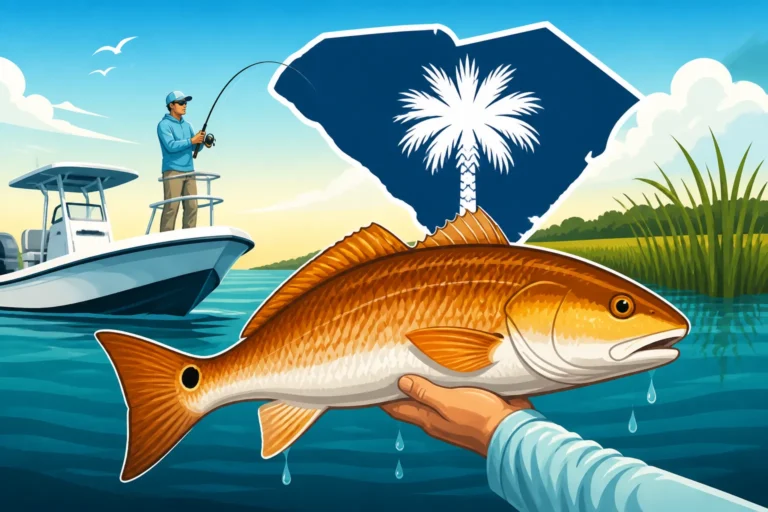
Inshore charters are typically the most budget-friendly option, and for good reason. These trips focus on the shallower, protected waters of estuaries, tidal creeks, bays, and sounds, usually staying within sight of land. This means less fuel burned, often smaller boats, and a generally less complex operation compared to venturing far out into the open ocean.
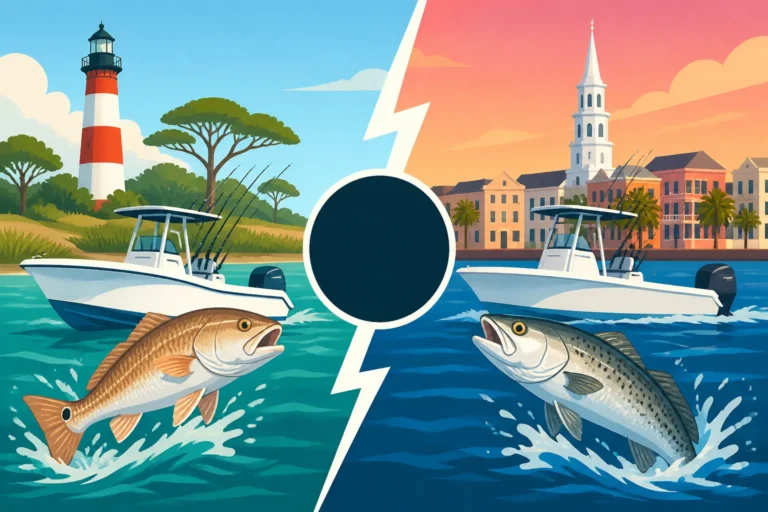
Most inshore charters target species like redfish, spotted seatrout, flounder, and sometimes sheepshead. The boats are typically bay boats, flats boats, or smaller center consoles, designed for navigating skinny water and providing a stable platform for casting. While the costs are generally lower, don't mistake that for a lesser experience. Inshore fishing in South Carolina's Lowcountry is an incredibly rich and exciting adventure, often yielding impressive catches and offering stunning views of the coastal ecosystem. You can learn more about these specific trips in our South Carolina Inshore Fishing Charters Explained guide.
Nearshore Fishing Charters
Stepping up a notch in both price and adventure, nearshore charters take you a bit further out, usually to artificial reefs, wrecks, or natural bottom structures located a few miles off the coast. You're still relatively close to shore, often within sight of land or at least easily able to see the coastline on a clear day, but you're now in waters that require a more robust vessel and potentially more specialized gear.
These trips often target a wider variety of species, including larger red drum, various snapper and grouper species, king mackerel, Spanish mackerel, cobia, and even smaller sharks. The boats used for nearshore trips are typically larger center console vessels with more powerful engines, designed to handle the choppier conditions sometimes found just beyond the inlets. The increased distance from shore and the bigger boat requirements naturally push the price up from an inshore trip.
Offshore Fishing Charters
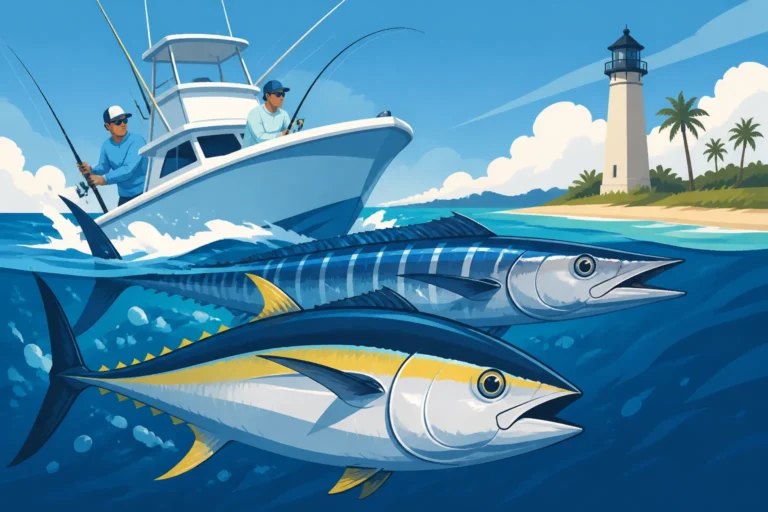
When you think "deep sea fishing," you're thinking offshore charters. These are the most expensive options by far, as they involve traveling significant distances—often 30 to 100 miles or more—into the open Atlantic Ocean. This means much larger, more powerful, and exceptionally seaworthy vessels, such as large center consoles or dedicated sportfishing yachts, with multiple engines and extensive electronics packages.
The target species on offshore trips are often the big game fish that draw anglers from around the world: mahi-mahi (dolphin), wahoo, tuna, sailfish, and marlin. The amount of fuel consumed on these long runs is substantial, and the specialized heavy tackle, bait, and safety equipment are all top-tier. The captain and crew on an offshore charter also possess a highly specialized skill set for navigating, finding pelagic species, and handling potentially rough ocean conditions. This combination of factors makes offshore charters the premium choice, reflected in their higher price point. If you're interested in pursuing these larger catches, our South Carolina Offshore Fishing Charters Explained article can give you more details.
Trip Duration: The Direct Link to Your Wallet
Beyond the type of water you're fishing, the length of your charter trip is arguably the most significant factor influencing its cost. Charter operators calculate their fees based on the time committed, which directly impacts fuel, bait, crew wages, and the overall opportunity cost for the boat.
Half-Day Charters: A Taste of the Action
Half-day charters are typically the shortest option available, often running for 4 to 5 hours. These are usually the most affordable way to get out on the water with a professional guide, making them incredibly popular for families, beginners, or those simply looking for a quick fishing fix without committing to a full day.
During a half-day trip, your captain will likely focus on productive spots that are relatively close to the dock, maximizing your fishing time. You might explore a few different areas inshore or make a quick run to a close-by nearshore reef, depending on the captain's expertise and the current bite. While you won't have as much time to explore or chase a wider variety of species, a well-run half-day charter can still be incredibly rewarding and provide plenty of angling action. This is often an excellent choice for kids or those prone to seasickness, as discussed in Are Hilton Head Fishing Charters Good for Kids?.
Full-Day Charters: Maximizing Your Experience
Full-day charters typically range from 7 to 9 hours and represent a significant jump in cost compared to half-day trips. However, they also offer a dramatically expanded experience and a much better chance at diverse catches or targeting specific, harder-to-find species.
With a full day on the water, your captain has the flexibility to travel further, explore more spots, and adapt to changing conditions. For inshore trips, this might mean moving with the tides to different creek systems or fishing both the incoming and outgoing water. For nearshore and offshore trips, a full day allows for longer runs to deeper, less pressured spots, giving you more time with lines in the water. It’s an ideal choice for serious anglers who want to maximize their chances and enjoy a comprehensive fishing adventure. Many choose full-day trips for a better chance at those trophy catches. Our Half-Day vs Full-Day Fishing Charters in South Carolina guide elaborates on this choice.
Extended or Specialty Charters: For the Dedicated Angler
For the truly dedicated angler, some South Carolina charter operators offer extended full-day trips (often 10-12 hours) or even multi-day expeditions, especially for serious offshore pursuits like tuna or marlin fishing. These trips are at the highest end of the price spectrum, reflecting the extraordinary commitment of time, fuel, provisions, and specialized equipment required.
Extended trips allow for very long runs to distant offshore canyons or prime fishing grounds that are simply unreachable on a standard full-day trip. They are designed for anglers seeking specific, often elusive, big game species and are typically booked by experienced fishing groups. These trips offer an unparalleled opportunity to spend extensive time targeting prime fish, but they come with a corresponding premium price tag.
Here’s a general overview of how trip duration and type influence potential costs:
| Trip Type | Duration | Typical Target Species | Cost Impact | Key Factors Increasing Cost |
|---|---|---|---|---|
| Inshore | Half-Day | Redfish, Spotted Seatrout, Flounder, Sheepshead | Lowest | Less fuel, smaller boats, close to dock. |
| Inshore | Full-Day | Redfish, Spotted Seatrout, Flounder, Sheepshead, Black Drum | Low-Medium | More time on water, more spots, more bait. |
| Nearshore | Half-Day | King Mackerel, Spanish Mackerel, Cobia, Snapper, Grouper | Medium | More fuel, larger boat, slightly further travel. |
| Nearshore | Full-Day | King Mackerel, Spanish Mackerel, Cobia, Snapper, Grouper, Sharks | Medium-High | Longer runs, more varied spots, increased fuel/time. |
| Offshore | Full-Day | Mahi-Mahi, Wahoo, Tuna, Sailfish, Marlin, Amberjack | High | Significant fuel, large vessel, specialized tackle, long travel. |
| Offshore | Extended | Mahi-Mahi, Wahoo, Tuna, Sailfish, Marlin, Amberjack | Highest | Very long runs, multiple fishing grounds, increased crew time. |
Other Critical Factors That Influence Charter Prices
While trip type and duration are primary drivers of cost, several other elements play a significant role in determining the final price of your South Carolina fishing charter. Savvy anglers consider these details when budgeting and comparing different operators.
Boat Size, Amenities, and Crew
Larger boats generally cost more to operate and maintain, and this is reflected in charter prices. A spacious sportfishing yacht with air conditioning, a full galley, and multiple fighting chairs will naturally command a higher price than a bare-bones center console. Similarly, the number of crew members can impact the price. A solo captain running a small bay boat will have different overhead than a larger offshore vessel with a captain and one or two mates who assist with rigging, baiting, gaffing, and cleaning fish. More amenities mean more luxury, and more luxury usually means a higher price.
The condition and age of the vessel also factor in. A newer, meticulously maintained boat with updated electronics and safety gear might have a slightly higher rate due to lower maintenance risks and a premium experience. When browsing options on platforms like FishingBooker, pay attention to the boat's description and photos to understand what you're getting for the price.
Target Species and Specialized Gear
The fish you're hoping to catch can also influence the price. Targeting certain species requires specific, often expensive, gear and techniques. For example, deep-dropping for snapper and grouper requires specialized electric reels and heavy weights, while trolling for pelagic species offshore involves sophisticated outriggers, planer boards, and a spread of expensive lures. These specialized setups contribute to the operational costs that are passed on to the customer.
Some charters might advertise "trophy trips" for particular species, which could also come at a premium. These trips often involve more specific knowledge of locations and feeding patterns, and a higher investment in bait or specialized tactics to increase the chances of landing that dream fish.
Seasonality and Demand
Just like any other tourism-related activity, demand impacts pricing. Peak fishing seasons in South Carolina, generally spring through fall, tend to have higher prices and less availability, especially on weekends and holidays. During these busy times, popular captains and boats can book up months in advance.
Conversely, you might find slightly lower rates or more flexibility during the off-peak season, typically late fall through winter, though this can vary depending on the specific fishery. For instance, winter can be excellent for striped bass in certain freshwater lakes or for specific inshore species, but offshore trips might be less frequent due to weather. Always consider the Best Time of Year to Book a South Carolina Fishing Charter if you have flexibility in your travel plans.
What's Included and What's Not: Avoiding Hidden Costs
One of the most frustrating aspects of planning any vacation activity is encountering hidden costs. When booking a South Carolina fishing charter, it's essential to understand exactly what's included in the advertised price and what you'll be responsible for on top of that. This clear understanding prevents unwelcome surprises at the dock.
Standard Inclusions: What You Can Typically Expect
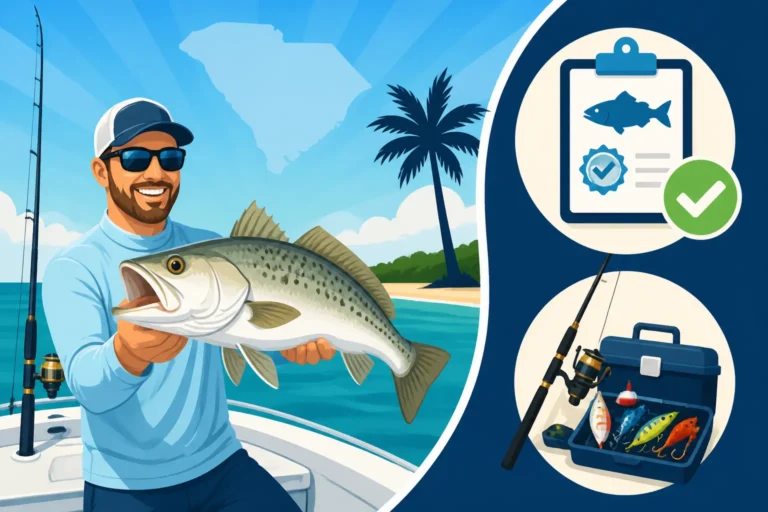
Most South Carolina fishing charters, regardless of type or duration, generally include a few core essentials. First and foremost, the fishing license for everyone on board is almost always covered by the charter's blanket license. This is a huge convenience, as it means you don't have to worry about purchasing individual licenses, which can vary based on residency and duration. However, always confirm this before booking, especially if you're fishing near border waters where reciprocity agreements might apply, as detailed in South Carolina Fishing License Reciprocity With North Carolina.
You can also expect all the necessary fishing gear, including rods, reels, tackle, and bait, to be provided. Reputable charters take pride in offering quality equipment that is well-maintained and appropriate for the target species. This means you don't need to haul your own gear or invest in expensive setups.
Lastly, ice and coolers for your catch are usually on board. The crew will typically clean and bag your fish for you at the end of the trip, making it ready for your cooler. Some charters even go the extra mile and provide a cooler with bottled water for your refreshment during the trip. This is typically covered under What's Included in a South Carolina Charter Fishing Trip.
Common Exclusions and Extra Costs: Budgeting for the "Oh Yeah!"
While many things are included, there are a few common exclusions that anglers often overlook when budgeting for their charter.
- Gratuity for the Crew: This is perhaps the most significant "extra" cost and an absolute expectation. Tipping your captain and mate (if applicable) is customary and polite, typically ranging from 15-20% of the total charter price. These hardworking professionals rely on tips to supplement their income, and they work incredibly hard to ensure you have a safe, enjoyable, and productive trip. Never forget to budget for this vital part of the experience. We delve into this more in Tipping Your South Carolina Fishing Guide.
- Food and Drinks: While some charters might offer bottled water, don't expect a full meal or extensive drink options unless explicitly stated. It's always a good idea to bring your own snacks, sandwiches, and beverages (non-alcoholic, please!) to keep your energy up throughout the trip.
- Sun Protection and Personal Items: Sunscreen, hats, sunglasses, appropriate clothing, seasickness medication, and any personal items you might need are your responsibility. The sun in South Carolina can be intense, even on cloudy days, so come prepared.
- Fish Cleaning: While many charters clean and bag your fish, some might charge a small additional fee for this service, especially on larger catches or if you've caught a significant number of fish. Always clarify this upfront if it's a concern.
- Tournament Fees: If you're booking a charter specifically for a fishing tournament, the tournament entry fees are almost always separate and your responsibility. Some charters specialize in tournament fishing, which might also influence their pricing structure, as mentioned in South Carolina Tournament Fishing License Rules.
Is a South Carolina Fishing Charter Worth the Investment?
This is the million-dollar question for many potential clients. Looking at the prices, it's easy to wonder if paying for a charter is truly worth it compared to just fishing from the bank or your own boat. The answer, almost universally, is a resounding "yes," especially for those new to the area, targeting specific species, or wanting a stress-free experience.
The Value of Expertise and Local Knowledge
The single greatest asset a South Carolina fishing charter provides is the captain's and crew's local expertise. These professionals spend countless hours on the water, intimately understanding the tides, currents, seasonal patterns, and feeding habits of local fish. They know where the fish are, what they're biting on, and how to get them into the boat. This invaluable knowledge dramatically increases your chances of success, turning what might be a frustrating day of trial and error on your own into a productive and exciting fishing adventure.
For visitors to coastal towns like Charleston, Hilton Head, or Myrtle Beach, navigating unfamiliar waters and regulations can be daunting. A charter captain handles all of that, allowing you to simply relax and enjoy the fishing. They're also well-versed in South Carolina Fishing Bag Limits Explained and other regulations, ensuring you stay within legal bounds.
Convenience and Equipment
Imagine not having to worry about buying bait, untangling lines, or having the right rod and reel for a specific fish. On a charter, all the high-quality gear is provided and ready to go. You don't need to invest in expensive equipment or spend precious vacation time preparing. The boat is cleaned, fueled, and stocked, and the captain is there to guide you.
This convenience extends to the entire experience. You simply show up, step on board, and let the professionals handle the rest. For families with children, this makes for a much smoother and more enjoyable outing, as kids often benefit from the immediate gratification of catching fish under expert guidance. Check out Family-Friendly Fishing Charters in South Carolina for more on this.
Safety and Peace of Mind
Navigating coastal waters, especially offshore, comes with inherent risks. Charter captains are licensed professionals, highly experienced in boat handling, navigation, and marine safety. Their vessels are equipped with advanced electronics, communication devices, and all necessary safety gear, from life vests to emergency beacons. Knowing you're in capable hands allows you to fish with complete peace of mind, focusing on the thrill of the catch rather than worrying about navigation or unexpected weather changes. This is particularly important for offshore trips that venture far from shore.
Booking Your South Carolina Fishing Charter
Now that you have a clearer understanding of how South Carolina charter fishing prices break down, the next step is actually booking your trip. This process is fairly straightforward, but a few tips can help you find the perfect charter for your budget and fishing aspirations.
Research and Compare Operators
Don't just jump on the first charter you find. Take some time to research different operators in your desired location (e.g., Charleston Fishing Charters: South Carolina's Harbor Trips or Hilton Head Island Fishing Charters, South Carolina). Read reviews, look at photos of their boats, and see what kind of trips they specialize in. Many captains have social media pages where they post recent catches, giving you a good idea of their success and the types of fish they're currently targeting.
Platforms like FishingBooker are incredibly useful for this research phase. They allow you to browse numerous charters in a specific area, compare prices by trip type and duration, read customer reviews, and often even book directly online. This transparency makes it easier to find a reputable captain that fits your needs.
Communicate Your Expectations Clearly
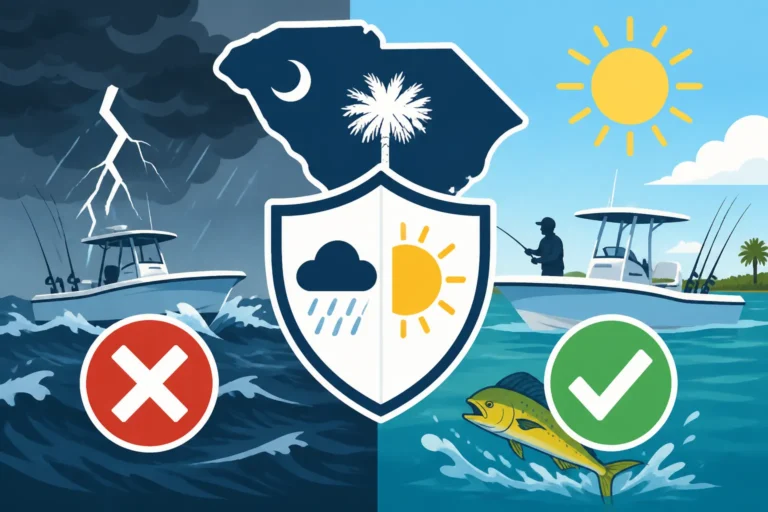
When you contact a charter operator, be very clear about what you're looking for. Are you hoping to catch a specific type of fish? Do you have a budget you need to stick to? Are you bringing kids? The more information you provide, the better the captain can tailor a trip recommendation for you. Don't be shy about asking about their experience, their typical success rates for certain species, or what their policy is if the weather turns bad. This open communication is key to a successful trip and understanding South Carolina Charter Fishing Cancellation and Weather Policy.
Ask About Deposit and Payment Policies
Most South Carolina fishing charters require a deposit to secure your booking, especially during peak season. Make sure you understand their deposit policy, including how much is required, when the balance is due, and their cancellation or rescheduling policy. Some might offer discounts for cash payments, but always verify this upfront. Responsible operators will clearly outline their terms and conditions.
In conclusion, while South Carolina charter fishing prices vary widely based on the type of trip, duration, and other factors, understanding these elements allows you to make an informed decision. The investment often pays dividends in terms of expertise, convenience, safety, and the sheer joy of a guided fishing adventure on the beautiful waters of the Palmetto State.
Disclaimer
This article is for general informational purposes only and does not constitute professional advice. Laws, prices and regulations vary by location and change over time. Consult a qualified professional for guidance on your specific situation.