South Carolina Fishing Bag Limits Explained
There’s nothing quite like the excitement of a productive day on the water, reeling in fish after fish. But that high can quickly turn to anxiety if you’re unsure about how many fish you’re actually allowed to keep, or if that trophy-sized catch fits within the legal slot limits. Misunderstanding South Carolina’s fishing bag limits isn't just a minor inconvenience; it can lead to hefty fines and a ruined day. This comprehensive guide is here to clear up the confusion, walking you through the ins and outs of South Carolina's essential fishing regulations so you can fish with confidence and peace of mind.
The Crucial Role of Fishing Bag Limits in South Carolina
Bag limits, along with size limits and seasons, are not arbitrary rules designed to make your life difficult. They are vital tools in the grand scheme of conservation, playing a monumental role in ensuring the health and sustainability of South Carolina's diverse fish populations for generations to come. Without these regulations, overfishing would quickly deplete our precious resources, leading to a decline in fish numbers, smaller average sizes, and ultimately, fewer opportunities for all of us to enjoy the sport we love.
Preserving Fish Populations for Future Generations
Imagine if everyone kept every fish they caught, regardless of size or species. Our lakes, rivers, and coastal waters would quickly become barren. Bag limits are specifically designed to prevent this by setting a maximum number of fish an individual angler can harvest in a single day. This control helps maintain a healthy breeding stock, allowing enough fish to survive and reproduce, thereby replenishing the population naturally. It's a delicate balance, and the South Carolina Department of Natural Resources (SCDNR) constantly monitors fish stocks and adjusts these limits as needed to ensure long-term sustainability. Think of it as leaving enough in the pantry for tomorrow's meal, not just emptying it all today.
Promoting Healthy Ecosystems
Beyond individual fish populations, bag limits contribute to the overall health of aquatic ecosystems. When one species is overfished, it can have a ripple effect throughout the food web. For example, if a predatory fish species is depleted, its prey might overpopulate, leading to excessive consumption of aquatic plants or smaller fish, disrupting the entire balance. By regulating harvest, the SCDNR helps maintain a diverse and balanced ecosystem where all species can thrive. This interconnectedness is often overlooked, but it's crucial for the vitality of our waterways, from the smallest creek to the vast Atlantic Ocean.
General Principles of South Carolina Fishing Regulations
Navigating South Carolina's fishing regulations can feel like deciphering a complex puzzle, but understanding a few core principles makes it much easier. The state employs a mix of statewide rules and specific, localized regulations to manage its vast array of freshwater and saltwater species. Knowing these general guidelines is the first step toward fishing responsibly and legally in the Palmetto State.
Statewide Versus Localized Rules
Most fish species in South Carolina are subject to statewide bag and size limits, which apply across all public waters. However, it's incredibly important to remember that certain bodies of water or specific regions may have more restrictive regulations than the statewide default. This often happens in areas experiencing higher fishing pressure, specific environmental concerns, or during particular spawning seasons. For example, some trout streams in the Upstate have unique catch-and-release only zones or reduced creel limits to protect sensitive populations. Always, and I mean always, double-check the local rules for the specific lake, river, or coastal area you plan to fish. A quick search on the SCDNR website or consulting the latest fishing guide, which you can often find at local tackle shops or even purchase online on a platform like Amazon, can save you a lot of headaches.
Understanding Daily Creel Limits
A "creel limit" is simply another term for a bag limit – it's the maximum number of fish of a particular species or group of species that an angler can legally possess in a single day. This daily limit applies from midnight to midnight. So, if you catch your limit of largemouth bass on Lake Murray in the morning, you can't go back out later that day and catch more. This rule prevents anglers from continuously harvesting throughout the day. For most species, the daily limit is also the possession limit, meaning you can't have more than that number of fish on you, in your cooler, or in your vehicle at any given time, regardless of when they were caught, unless they are being immediately prepared for consumption at your residence.
Freshwater Fishing Bag Limits in South Carolina
South Carolina boasts an incredible array of freshwater fishing opportunities, from the mountain trout streams to the vast reservoirs like Lake Marion and Lake Moultrie. Each species has its own set of rules, and knowing them is key to a successful and legal trip.
Largemouth Bass Regulations
Largemouth bass are arguably the most popular freshwater game fish in South Carolina. The statewide daily creel limit for largemouth bass is 10 fish per person. However, there's a crucial size limit to consider: all bass between 14 and 20 inches in length must be immediately released. This is what's known as a "slot limit" – it protects the vital breeding-sized fish, allowing them to grow and reproduce, ensuring a healthy population. You can keep bass under 14 inches or over 20 inches, but remember, only 10 total fish per day, and only two of those 10 can be over 20 inches. This specific regulation is a great example of how the SCDNR balances angler opportunity with conservation. Imagine a scenario where you've caught a few smaller bass, and then you land a beautiful 16-inch lunker. As exciting as that is, you'd have to release it back to the water to help sustain the population.
Some lakes, like Lake Hartwell or the Santee Cooper Lakes (Marion and Moultrie), may have specific exceptions or variations to these rules, especially regarding slot limits. It's always best to check the most current South Carolina's Freshwater Fishing Regulations before you head out. These details are updated annually, so what was true last year might have changed.
Crappie and Panfish Limits
Crappie, including both white and black crappie, are a favorite among many South Carolina anglers, especially during the cooler months. The statewide daily creel limit for crappie is a generous 20 fish per person, with no minimum size limit. This allows for excellent opportunities for a fish fry after a successful outing. Similarly, other popular panfish like bluegill, redbreast sunfish, and shellcrackers (redear sunfish) generally have a combined daily creel limit of 30 fish per person. These smaller, abundant species are often the perfect target for a relaxed day on the water, especially when fishing with family and introducing kids to the joy of angling. While these limits are often consistent, very specific private ponds or smaller public lakes might have signs indicating different rules.
Catfish Regulations
South Carolina is a prime destination for catfish anglers, with impressive populations of channel, blue, and flathead catfish in many of its major rivers and reservoirs. The regulations for catfish vary by species:
- Channel Catfish: There's generally no daily creel limit for channel catfish, and no size restrictions. These are abundant and excellent table fare.
- Blue Catfish: The daily creel limit for blue catfish is 25 fish, but only one of those can be 36 inches or longer. This "one over 36-inch" rule is designed to protect the very large, trophy-sized breeding stock, while still allowing anglers to harvest plenty of smaller, delicious blues.
- Flathead Catfish: Similar to blue catfish, there's a daily creel limit of 25 flathead catfish, with only one permitted to be 36 inches or longer.
These regulations ensure that while you can enjoy catching and eating plenty of catfish, the giants that contribute significantly to the gene pool are given a better chance to reproduce. It's a testament to the SCDNR's understanding of the importance of these impressive fish.
Trout Limits
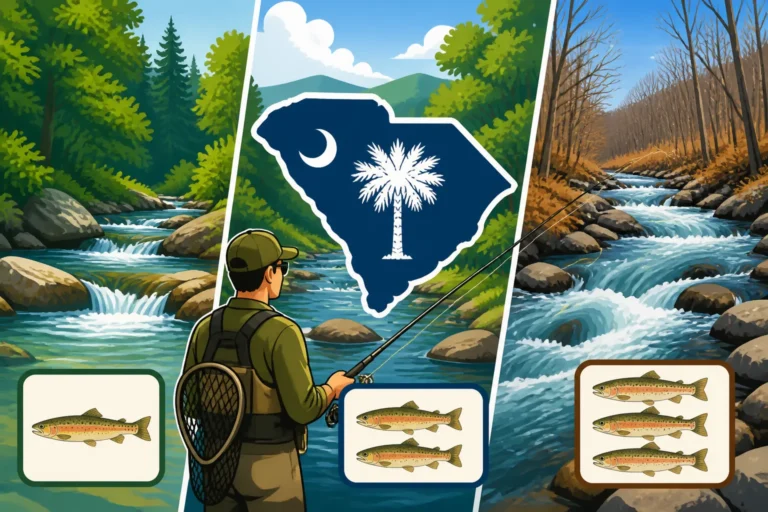
For those who venture into the cooler, clear waters of South Carolina's Upstate, trout fishing offers a different kind of challenge and reward. South Carolina has both native brook trout and stocked rainbow and brown trout. The daily creel limit for trout is generally 10 fish per person, with no minimum size limit, but this is where localized rules become incredibly important.
Many streams in the mountainous regions have special regulations, including specific catch-and-release only sections, artificial lure-only rules, or reduced daily limits. For example, some stretches might have a South Carolina Stocked Trout Daily Limit of 5 fish, while others could be entirely catch-and-release. The SCDNR goes to great lengths to provide detailed information for each stream. Before heading to a particular trout stream, always consult the current SCDNR regulations booklet or website to know precisely what's allowed. For instance, specific stretches of the Chattooga River or the Eastatoe Creek may have unique rules to protect their delicate ecosystems and native populations.
Saltwater Fishing Bag Limits in South Carolina
South Carolina's coast offers world-class saltwater fishing, from inshore estuaries to the open ocean. Just like freshwater, various saltwater species have specific bag and size limits to ensure sustainable fishing pressure. Ignoring these can lead to significant penalties, so pay close attention.
Redfish Slot and Vessel Limits
Redfish, also known as Red Drum, are perhaps the most iconic inshore species in South Carolina's Lowcountry. Their regulations are among the most discussed and frequently updated. Currently, the daily creel limit for redfish is 2 fish per person. However, these two fish must fall within a strict "slot limit" of 15 to 23 inches total length. This means any redfish shorter than 15 inches or longer than 23 inches must be immediately released. The rationale behind this South Carolina Redfish Slot Limit Rules is to protect both juvenile fish that haven't had a chance to spawn and the large, mature breeding adults (often called "bull reds") that are crucial for reproduction.
Adding another layer of regulation, South Carolina also imposes a "vessel limit" for redfish. No more than 6 redfish may be kept per boat, regardless of the number of licensed anglers on board. So, even if you have four anglers on a boat, each legally allowed to keep two slot redfish, your total boat limit is still capped at six. This vessel limit is a conservation measure to prevent large groups from over-harvesting. These rules are regularly reviewed and can change; you should always Understanding Redfish Slot Limit Changes Over Time by checking the latest SCDNR marine regulations.
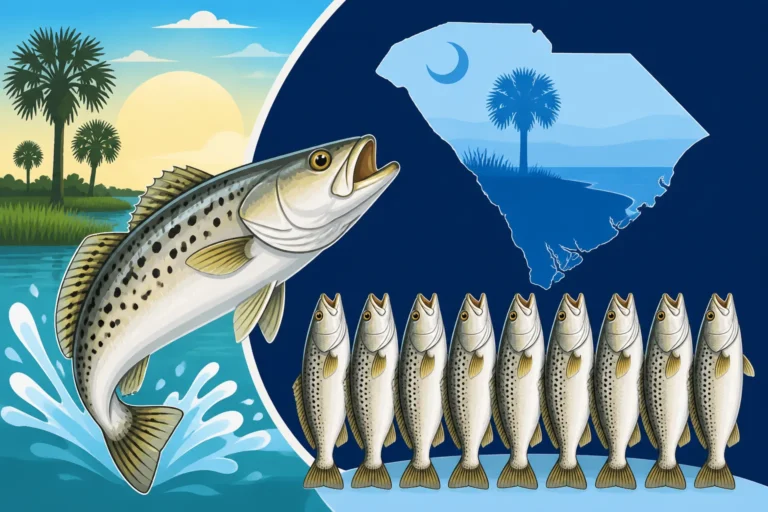
Spotted Seatrout Regulations
Spotted seatrout, often just called "specks," are another highly sought-after inshore species. The daily creel limit for spotted seatrout in South Carolina is 10 fish per person. These fish must have a minimum total length of 15 inches. Unlike redfish, there isn't an upper slot limit, so if you catch a larger trout over 15 inches, and it's within your 10-fish daily limit, you can keep it.
These regulations help protect the younger trout, allowing them to reach a size where they've likely had a chance to spawn at least once. It's important to be accurate with your measurements; a reliable measuring tape, perhaps one you ordered from Amazon, is an essential tool for any serious inshore angler. Remember to handle all fish gently, especially those you intend to release, to give them the best chance of survival. Check out the guide on Spotted Seatrout Size and Bag Limits in South Carolina for more details.
Flounder, Sheepshead, and Black Drum Limits
South Carolina's estuaries are home to a variety of other popular saltwater species, each with its own set of rules:
- Flounder: The daily creel limit for flounder is 5 fish per person, with a minimum size limit of 16 inches total length. Flounder populations can be sensitive to fishing pressure, and these regulations aim to ensure their sustainability.
- Sheepshead: These "convict fish" are challenging to catch and delicious to eat. The daily creel limit for sheepshead is 10 fish per person, with a minimum size limit of 14 inches total length.
- Black Drum: Often mistaken for redfish when they're small, black drum have a distinct set of regulations. The daily creel limit is 5 fish per person, with a minimum size limit of 14 inches total length and a maximum size limit of 27 inches total length. This is another slot limit designed to protect larger breeding fish.
Remember, when fishing from a pier, especially a public one, you still need to adhere to these individual bag and size limits, even if the pier itself has a blanket license covering anglers.
Understanding Size Limits and Slot Limits
Size limits and slot limits are often confused, but they serve distinct purposes in fishery management. Knowing the difference is crucial for legal and responsible fishing in South Carolina.
Minimum Size Limits Explained
A minimum size limit means that any fish you catch below a certain length must be immediately released, regardless of whether you've reached your daily bag limit. This regulation is primarily used to protect juvenile fish, allowing them to grow to a mature size and, critically, giving them a chance to spawn at least once before they can be harvested. For example, if the minimum size limit for spotted seatrout is 15 inches, and you catch a 13-inch trout, it goes straight back into the water. This ensures that the population has a continuous supply of new fish entering the breeding stock. It’s a straightforward rule: if it’s too small, let it go so it can get bigger and make more fish!
The Nuance of Slot Limits
Slot limits are a more sophisticated management tool. Instead of just a minimum, they establish a range of sizes within which fish can be kept. Any fish caught below the minimum of the slot or above the maximum of the slot must be released. The most common application, as seen with South Carolina redfish, is to protect both the very young fish and the large, highly fertile breeding adults. The "slot" represents the middle-aged, rapidly growing fish that contribute less to the overall reproductive output but are still of good size for anglers to harvest.
For example, with South Carolina’s redfish slot limit of 15-23 inches, you are targeting fish that are mature enough to be good fighters and offer good table fare, but not the irreplaceable "bull reds" that produce millions of eggs. It's a smart way to maintain genetic diversity and ensure future generations of fish. This system is designed to provide angling opportunities while ensuring the long-term health of the fishery. Understanding this difference is critical, as violating a slot limit can often carry the same penalties as exceeding a bag limit.
Exceptions and Special Rules to Consider
While general regulations cover most scenarios, South Carolina also has specific exceptions and rules that apply to certain demographics, events, or situations. Being aware of these can prevent misunderstandings and help you make the most of your fishing opportunities.
Fishing License Requirements for Kids
One common question from families revolves around children and fishing licenses. In South Carolina, residents and non-residents alike under the age of 16 are generally exempt from needing a fishing license. This is a fantastic initiative by the state to encourage youth participation in outdoor activities and foster a love for fishing from a young age. So, if you're taking your child, grandchild, or a young friend out fishing, they likely won't need their own Fishing License Rules for Kids in South Carolina. However, they still must adhere to all applicable bag and size limits, just like adult anglers. It’s important to teach them about these rules from the start, instilling a sense of responsibility and conservation.
South Carolina Free Fishing Days
South Carolina typically designates a couple of days each year as "Free Fishing Days." On these special days, residents are allowed to fish in any public waters without needing a fishing license. This is a wonderful opportunity for those who might be new to fishing, haven't fished in a while, or just want to try it out without the upfront cost of a license. The dates for these days are usually announced well in advance by the SCDNR. For example, the state usually has a free freshwater fishing day in May and another on the 4th of July. While you don't need a license on these days, all other fishing regulations, including bag and size limits, remain in effect. This means you still need to know your South Carolina Free Fishing Days Explained and follow the rules for specific species you target. It's not a free-for-all, but rather a chance to experience fishing with one less barrier.
Tournament Angler Rules
Competitive fishing tournaments are hugely popular in South Carolina, particularly for species like largemouth bass, striped bass, and redfish. While individual anglers participating in a tournament must still possess a valid fishing license and generally adhere to the statewide bag and size limits, tournaments often have their own specific rules regarding catch-and-release, live wells, and weigh-in procedures. Some tournaments even require a specific South Carolina Tournament Angler License Rules or permit for the organizers. Anglers often keep fish alive in aerated livewells for weigh-in, then release them, which is a common practice to support conservation while still allowing for competition. If you're participating in or observing a tournament, always be sure to check the specific rules set by the tournament organizers, as they can sometimes be more restrictive than general state regulations.
How to Stay Up-to-Date on Regulations
Regulations aren't set in stone. Fisheries management is a dynamic science, and rules can change based on scientific assessments of fish populations, environmental conditions, and even angler feedback. Staying current with these changes is essential for legal and responsible angling.
SCDNR Website and Publications
The absolute best resource for the most accurate and up-to-date fishing regulations is the South Carolina Department of Natural Resources (SCDNR) itself. Their official website (dnr.sc.gov) is a treasure trove of information, typically featuring a dedicated section for freshwater and saltwater fishing regulations. Here, you'll find detailed breakdowns by species, region, and specific bodies of water. The SCDNR also publishes annual fishing guides that compile all the rules in an easy-to-read format. You can often pick up a physical copy of these guides at local tackle shops, sporting goods stores like Bass Pro Shops or Academy Sports + Outdoors, or print a copy directly from the website. I’ve even seen some anglers keep a digital copy on their phones for quick reference while on the water.
It’s a good habit to check the SCDNR website every year, or even before a trip to a new area, just to make sure you're working with the latest information. Don't rely solely on word-of-mouth or old fishing guides you might have lying around. The SCDNR also frequently releases press statements or news alerts regarding significant changes, such as How Often Redfish Regulations Get Updated or emergency closures.
Mobile Apps and Digital Resources
In our digital age, staying informed is easier than ever. Several reputable mobile applications and digital platforms are designed to help anglers keep track of regulations. While the official SCDNR website is always paramount, apps like Fish Rules provide quick, GPS-based access to state-specific regulations, including bag and size limits, for both freshwater and saltwater species. These apps are often updated promptly when changes occur, making them an incredibly convenient tool for anglers on the go.
You can also find digital versions of the SCDNR regulations booklet on various outdoor recreation platforms or even as a PDF download. Having this information readily accessible on your smartphone means you can quickly verify a limit or size restriction right when you catch a fish, preventing any accidental violations. Investing a little time in setting up these digital resources, or simply downloading the PDF, is a smart move for any angler who wants to stay on the right side of the law. You can often find highly-rated waterproof phone cases on Amazon to protect your device while fishing, ensuring your digital regulations guide is always at hand.
Consequences of Violating Bag Limits
Fishing without respecting bag and size limits isn't just a minor infraction; it's a serious matter with real consequences. Wildlife enforcement officers are out on the water to ensure everyone plays by the rules, and if you're caught breaking them, you could face significant penalties.
Fines and Court Appearances
The most immediate consequence of violating bag limits or size restrictions in South Carolina is typically a monetary fine. These fines can vary widely depending on the severity of the offense, the species involved, and the number of fish over the limit or out of slot. For example, being caught with a couple of undersized flounder might result in a different fine amount than possessing several redfish over the vessel limit. In many cases, exceeding bag limits can lead to a summons to appear in court, adding legal fees and court costs to the initial fine. This means a single mistake can end up costing you hundreds, if not thousands, of dollars. It’s a harsh reality, but it underscores the importance of knowing and respecting the rules.
Loss of Fishing Privileges
Beyond fines, another significant penalty for violating fishing regulations is the potential loss of your fishing privileges. Depending on the nature and frequency of the offense, the SCDNR has the authority to suspend or revoke your fishing license for a period of time. Imagine having your license suspended during prime fishing season because you weren't careful with your redfish measurements. For passionate anglers, losing the ability to legally fish is often a far more painful consequence than any fine. This disciplinary action serves as a strong deterrent, reminding anglers that responsible stewardship of our natural resources is a privilege, not an inherent right. Repeated offenses, or particularly egregious violations, can lead to even longer suspensions or permanent bans. The guide on Penalties for Fishing Without a License in South Carolina also covers similar consequences for other violations.
Table of Key South Carolina Fishing Bag and Size Limits
To help consolidate some of the most critical information, here's a quick reference table for some popular South Carolina fish species. Please remember that these are general guidelines and regulations can change. Always consult the official SCDNR website for the most current rules before heading out.
| Species | Water Type | Daily Bag Limit | Size Limit (Total Length) | Special Notes |
|---|---|---|---|---|
| Largemouth Bass | Freshwater | 10 | 14-20 inch slot (2 over 20 allowed) | 2 fish over 20 inches per day allowed. |
| Crappie | Freshwater | 20 | No minimum | |
| Blue Catfish | Freshwater | 25 | Only 1 fish over 36 inches allowed | |
| Flathead Catfish | Freshwater | 25 | Only 1 fish over 36 inches allowed | |
| Trout (Combined) | Freshwater | 10 | No minimum (highly variable by stream) | Check local stream regulations carefully. |
| Redfish (Red Drum) | Saltwater | 2 | 15-23 inch slot | 6 fish vessel limit. |
| Spotted Seatrout | Saltwater | 10 | Minimum 15 inches | |
| Flounder | Saltwater | 5 | Minimum 16 inches | |
| Sheepshead | Saltwater | 10 | Minimum 14 inches | |
| Black Drum | Saltwater | 5 | 14-27 inch slot |
This table is a handy summary, but it can't replace the full depth of information available from the SCDNR. Always use it as a starting point for your research, not the final word.
Fishing With Confidence and Conservation in Mind
Understanding South Carolina's fishing bag limits, size restrictions, and other regulations is not just about avoiding fines; it’s about being a responsible steward of our natural resources. Every time you measure a fish accurately, release an undersized or oversized catch, or adhere to a vessel limit, you're directly contributing to the health and abundance of South Carolina's fish populations. It ensures that the thrill of the catch and the joy of a fresh seafood meal can be experienced by generations of anglers to come.
Take the time to familiarize yourself with the rules for the specific waters you're fishing. Use the SCDNR's online resources, pick up a physical guide, or even download an app. When in doubt, always err on the side of caution. It's far better to release a fish you're unsure about than to risk a violation. The more we all commit to ethical and legal fishing practices, the brighter the future for South Carolina fishing. So go out there, wet a line, and make some memories – all while being mindful of the limits that protect our precious aquatic world. And hey, don't forget your South Carolina Fishing License Guide before you even leave the house!
Disclaimer
The information provided in this guide is for general informational purposes only and is not intended as legal advice. Fishing regulations in South Carolina can change frequently. Always consult the official South Carolina Department of Natural Resources (SCDNR) website or the current year's printed fishing guide for the most accurate and up-to-date regulations before engaging in any fishing activities. Compliance with all federal, state, and local laws and regulations is the sole responsibility of the angler.