Chasing a Record Largemouth Bass in South Carolina
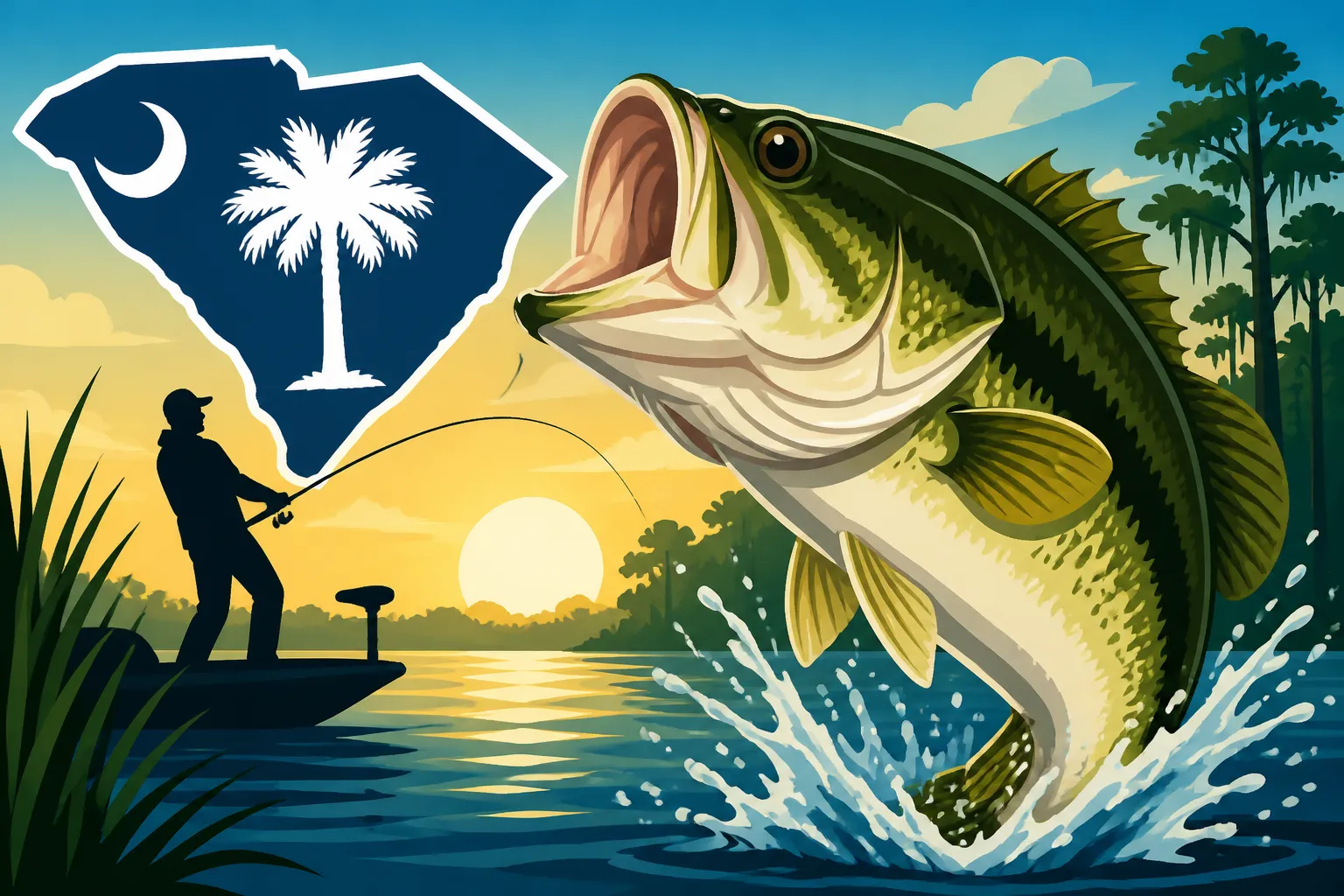
Oh, the dream of catching a record largemouth bass in South Carolina. It’s a pursuit that fuels countless early mornings and late nights, a quest fraught with frustrating dry spells but driven by the whisper of that one monster fish. We've all been there, casting into prime waters, hoping that this cast, this retrieve, will be the one that connects us to a true lunker. This guide is dedicated to every angler who feels that pull, offering a deep dive into what it takes to seriously pursue a record-breaking largemouth in the Palmetto State, from understanding their habitat to the specialized tactics needed to tempt these elusive giants.
Understanding South Carolina's Record Largemouth Bass Potential
South Carolina isn't just a beautiful state; it's a true heavyweight in the world of largemouth bass fishing. When you hear about anglers traveling from all over to fish our waters, it's not just for the numbers, it's for the sheer size. The dream of a new state record is a potent one, and it's built on a foundation of ideal conditions and a proven track record of producing absolute monsters.
The Lure of the State Record: A Glimpse at the Top Fish
Every serious angler knows the number: 16 pounds, 2 ounces. That's the current South Carolina state record largemouth bass, a fish caught decades ago that still stands as the pinnacle of achievement for many. Just imagine, holding a fish of that magnitude, a true beast of the deep. It's a testament to the potential hidden within our lakes, a reminder that while incredibly rare, such giants do exist. Most of us will be thrilled with a 5-pounder, ecstatic with an 8-pounder, and absolutely floored by a double-digit fish. The state record isn't just a number; it's a legendary benchmark that pushes anglers to explore deeper and fish smarter.
Pursuing a fish of that caliber isn't about casual weekend outings; it's a dedicated effort that often spans years. You're not just trying to catch a bass; you're trying to catch the bass, a fish that has grown old and wary, avoiding countless lures and natural predators. It requires an understanding of what makes these older, larger fish tick, what they eat, and where they hide. It's a high-stakes game of hide-and-seek, where the "seek" part involves hours of meticulous preparation and even more hours on the water.
Ideal Conditions for Giant Bass Growth
So, what makes South Carolina such a hotbed for trophy largemouth? It's a perfect storm of environmental factors. We have a wonderfully long growing season thanks to our mild climate, which means bass can feed and grow for more months out of the year compared to colder northern states. This extended growing period allows fish to pack on serious weight and size. Beyond that, our lakes often boast incredibly rich forage bases. We're talking about abundant populations of shad, herring, bluegill, and various other smaller panfish, all providing a high-protein diet that helps bass bulk up.
Think about a lake like Santee Cooper, with its vast shallow waters, submerged timber, and dense aquatic vegetation. These features provide countless ambush points for bass, allowing them to conserve energy while waiting for an easy meal. The warmer water temperatures also keep their metabolism high, encouraging consistent feeding. It's a natural buffet that lets largemouth bass not just survive, but truly thrive and reach incredible sizes, sometimes living for well over a decade, which is crucial for accumulating those trophy pounds.
Historical Trends and Trophy Bass Hotspots
South Carolina has a rich history of producing monster largemouth bass, and certain lakes consistently stand out as trophy factories. The Santee Cooper Lakes (Marion and Moultrie) are arguably the most famous, often appearing on national lists for their incredible big bass potential. These vast reservoirs have the perfect combination of food, cover, and size to grow giants. But they're not the only players in the game. South Carolina's Best Bass Fishing Lakes often highlight others like Lake Murray and Lake Hartwell, which also kick out truly impressive largemouth year after year.
Anglers who consistently catch big bass often track historical catch data, not just for the current year, but over decades. They look for patterns in water levels, forage cycles, and specific areas that consistently yield larger fish. This historical perspective can inform where to spend your most valuable fishing time. For example, knowing that Lake Murray's deep, clear waters are known for producing heavy bass often leads dedicated anglers to focus on deep structure and slow presentations, rather than casting blindly into the shallows.
Prime Locations for Trophy Largemouth Bass in South Carolina
When you're chasing that elusive record largemouth, choosing the right battleground is paramount. South Carolina is blessed with several magnificent lakes, each offering unique challenges and opportunities for big bass. It's not just about finding water, it's about finding the right water with the specific characteristics that cater to the growth and habits of truly enormous fish.
The Legendary Santee Cooper Lakes (Marion & Moultrie)
You can't talk about trophy bass in South Carolina without immediately thinking of the Santee Cooper Lakes. This massive, two-lake system, consisting of Lake Marion and Lake Moultrie, is legendary for a reason. Its sprawling cypress trees, vast stump fields, and abundant aquatic vegetation create an unparalleled habitat for largemouth bass. These shallow, fertile waters are teeming with forage, offering bass everything they need to grow to incredible sizes. It's a true "big bass" factory, where tales of double-digit fish are not just whispers but regular occurrences. Santee Cooper Lakes: South Carolina's Legendary Bass Fishery
Imagine yourself poling quietly through a cypress tree maze on Lake Marion, the water barely rippling as you carefully pitch a heavy jig into the shadows. You know a massive bass could be lurking behind any one of those ancient stumps, waiting to ambush unsuspecting prey. The sheer volume of cover means that big bass have endless places to hide and grow undisturbed, making them challenging but incredibly rewarding to target. The sheer size of the system also means there are always new areas to explore and new patterns to uncover, keeping even the most seasoned angler on their toes.
Lake Murray: A Striper Haven That Holds Giants
While Lake Murray often steals the spotlight for its world-class striped bass fishing, don't let that fool you into thinking it's not a largemouth haven. Beneath its surface, particularly in the lower lake, Lake Murray hides some truly colossal largemouth. The lake's deep, clear waters and abundant blueback herring forage provide a different kind of big bass environment compared to Santee Cooper. Here, you're often looking for bass that relate more to deep structure, humps, ledges, and offshore brush piles. Best Largemouth Bass Spots on Lake Murray, South Carolina
Targeting trophy bass on Lake Murray often requires a shift in tactics. Instead of shallow-water flipping, you might be dragging a Carolina rig across a deep main-lake point or slowly working a big swimbait over submerged timber. These bass are often nomadic, following the baitfish schools, making them a challenge to locate but highly rewarding once you do. The clarity of the water also means you need to be mindful of line visibility and presentation, as these fish can be extremely wary. Don't be surprised if the biggest largemouth of your life comes from a spot you initially thought was only good for stripers. For a unique experience, consider exploring Night Fishing Spots on Lake Murray, South Carolina, as low light often brings out the biggest feeders.
Lake Hartwell: Upstate's Contender for Big Bass
Up in the beautiful Upstate region, Lake Hartwell stands as another formidable contender for record-chasing anglers. While its waters are generally clearer and often hold good numbers of spotted bass, the largemouth population here is robust and capable of producing giants. Hartwell's diverse topography, featuring rocky points, steep bluffs, deep coves, and significant areas of submerged timber, provides a rich tapestry of habitats for big fish. It’s a lake that demands versatility from its anglers, as bass can be found from the shallows to significant depths depending on the season and conditions. Lake Hartwell Spring and Fall Bass Fishing Patterns in South Carolina
Fishing Hartwell for trophy largemouth often means focusing on the transition zones – where shallow water drops into deeper channels, or where hard bottom meets softer sediment. These areas are natural highways for baitfish and prime ambush spots for larger bass. During the spring, you might find monsters cruising the backs of spawning coves, while in summer and fall, they could be relating to deep structure on the main lake. It's a lake that rewards anglers who are meticulous about reading their electronics and willing to experiment with different presentations to crack the code on its resident giants.
Advanced Techniques for Targeting Record-Breaking Bass
Chasing a state record largemouth isn't about simply casting and hoping for the best; it's a strategic endeavor that demands precision, patience, and a deep understanding of bass behavior. It requires moving beyond standard techniques and embracing methods specifically designed to tempt the largest, most wary fish in the lake. These aren't your everyday bass; they're the survivors, the top predators, and they demand a different approach.
Mastering Big Baits for Big Bass
One of the most fundamental shifts in mindset for trophy bass fishing is embracing big baits. It's a simple truth: big fish prefer big meals. Why would a 10-pound bass expend energy chasing a tiny spinnerbait when it can engulf a foot-long swimbait that offers a much larger caloric reward? This isn't just about lure size, but about the slow, deliberate presentations that often accompany them. Think large soft plastic swimbaits, oversized crankbaits, or hefty jigs. These lures mimic the natural prey items that big bass actively seek out, like substantial shad or even smaller panfish.
Learning to throw a 7-inch swimbait or a massive jig isn't always comfortable at first, but it's essential. These baits often require specialized heavy-action rods and reels to cast effectively and, more importantly, to handle the powerful strikes of a record-class fish. Many anglers find a vast selection of these specialized lures and tackle accessories available on Amazon, making it easy to experiment with different styles and colors without having to visit multiple tackle shops. The retrieve is also critical; big bass are often lazy, so a slow, methodical retrieve that makes the bait appear injured or easy to catch can be incredibly effective.
Seasonal Strategies: Timing Your Pursuit
Understanding the seasonal patterns of largemouth bass is critical, especially when targeting trophy fish. The time of year dictates where bass will be, what they'll be eating, and how aggressively they'll bite. For truly massive bass, the pre-spawn period in early spring is often considered prime time. This is when the largest females are at their heaviest, full of eggs, and actively feeding to prepare for spawning. They move from deep wintering grounds to shallower staging areas, making them more accessible and catchable. Largemouth Bass Spawn Timing in South Carolina Reservoirs
As spring progresses into the actual spawn, these fish can become incredibly difficult to catch, as their focus shifts entirely to reproduction. However, skilled anglers can sometimes coax a bite from a bedding female, though many choose to avoid disturbing them during this crucial period. Summer sees bass moving deeper to escape the heat, often relating to thermoclines and deep structure, requiring entirely different deep-water tactics. Fall brings a renewed feeding frenzy as bass fatten up for winter, often becoming more aggressive and chasing baitfish in the shallows. Each season presents a unique puzzle, and solving it is key to consistently encountering big fish.
Understanding Structure and Cover
Trophy largemouth bass are masters of their environment, using structure and cover to their advantage for ambush points, security, and thermal regulation. You won't find many record-breakers just swimming in open water. They relate to specific features, whether it's submerged timber, dense hydrilla beds, rocky points, deep ledges, or brush piles. These aren't just random spots; they're strategic locations where baitfish congregate, and where a big bass can lie in wait, hidden from view.
Learning to "read" the water and identify these key holding areas is paramount. This involves not just looking at what's visible on the surface, but understanding what lies beneath. On a lake like Santee Cooper, acres of flooded timber are obvious cover, but knowing which specific clumps of trees or stumps hold fish is the true challenge. On clearer lakes like Murray or Hartwell, deep structure like humps and ledges become more important. Using your boat's electronics to scan these areas thoroughly, looking for subtle changes in depth, hard bottom, or suspended baitfish, can give you a significant advantage in locating that next potential state record.
Essential Gear and Electronics for Trophy Bass Anglers
You wouldn't try to move a piano with a skateboard, and you shouldn't try to land a record largemouth with gear that isn't up to the task. Targeting trophy bass demands specialized equipment that can not only handle the fight of a lifetime but also stand up to the rigorous demands of fishing heavy cover and deep water. This isn't just about having expensive gear; it's about having the right gear for the job.
Rods, Reels, and Line Built for Battle
When that monstrous bass finally decides to bite, you need a rod, reel, and line combination that can turn its head and bring it to the boat. Forget your medium-action spinning rod; for trophy largemouth, you're looking at heavy to extra-heavy power baitcasting rods, typically between 7' and 8' in length. These rods provide the backbone needed to cast heavy baits accurately and, more importantly, to muscle a double-digit bass out of thick cover like hydrilla or submerged timber. The sensitivity is important, but sheer power is paramount.
Pair these rods with powerful baitcasting reels featuring a robust drag system and a good retrieve ratio, allowing for both slow, deliberate presentations and quick line pick-up when needed. Line choice is equally critical. Many trophy hunters opt for 15-25 pound fluorocarbon for its abrasion resistance and low visibility, especially in clear water. For fishing truly dense cover, braided line in the 50-80 pound range is often preferred for its incredible strength and lack of stretch, giving you maximum leverage to extract a big fish. You can find a fantastic array of these heavy-duty setups from reputable brands on Amazon, ensuring you're ready for whatever a record bass throws at you.
The Role of Advanced Electronics
In today's world of trophy bass fishing, advanced electronics are no longer a luxury; they're a necessity. Side imaging, down imaging, and high-definition 2D sonar have revolutionized the way anglers find and target big fish. These technologies allow you to scan vast areas quickly, identifying subtle changes in bottom composition, isolated brush piles, rock formations, and even individual fish that might be holding tight to structure. GPS mapping, often integrated into these units, allows you to mark precise waypoints and navigate back to productive spots with pinpoint accuracy.
Imagine cruising over a deep main-lake point, and your side imaging reveals a massive school of baitfish tucked into a creek channel, with two large arcs — unmistakable big bass — lurking just below them. Without these electronics, you might have idled right over them, never knowing they were there. It's not enough to simply have these tools; learning how to interpret the images and data they provide is an art form in itself. The ability to distinguish a submerged tree from a rock pile, or a school of crappie from a group of actively feeding bass, takes practice, but it's an invaluable skill for any serious record chaser.
Specialized Lures and Tackle Considerations
Beyond the main rod and reel setup, the smaller details of your tackle can make all the difference. When throwing big baits for big bass, your terminal tackle needs to match. That means using strong, sharp hooks that can penetrate the tough mouth of a lunker and hold firm during a violent fight. Upgrade hooks on factory-rigged swimbaits and crankbaits to ensure they can withstand the stress. Heavy-duty weights are also crucial for punching through matted vegetation or keeping your bait on the bottom in deep water and current. Best Lures for Largemouth Bass in Muddy Water might offer some good insights for specific conditions.
Think about the environment you're fishing. If you're targeting heavy cover like lily pads or hydrilla, weedless hooks and jig skirts are essential to prevent constant snags. Keep a wide array of options in your tackle box, neatly organized so you can quickly adapt to changing conditions. Many anglers keep a dedicated "big bass" box, loaded with their most trusted heavy-duty jigs, large soft plastics, and oversized topwater lures. Having a well-stocked and organized tackle bag, often sourced from Amazon for convenience, allows for quick adjustments and keeps your focus on the fish, not fumbling for gear.
| Lake Name | Primary Feature for Big Bass | Typical Water Clarity | Primary Forage | Key Techniques |
|---|---|---|---|---|
| Santee Cooper | Flooded timber, stump fields, hydrilla | Stained to Muddy | Shad, Bluegill, Panfish | Flipping/pitching jigs, large plastics, crankbaits |
| Lake Murray | Deep humps, ledges, submerged brush | Clear to Slightly Stained | Blueback Herring, Shad | Carolina rigs, swimbaits, deep cranks, dropshot |
| Lake Hartwell | Rocky points, bluffs, deep coves | Clear | Blueback Herring, Threadfin Shad | Jigs, football heads, swimbaits, dropshot, spoons |
| Lake Greenwood | Standing timber, creek channels | Stained | Shad, Sunfish | Jigs, spinnerbaits, large worms |
Mindset and Patience: The Long Game of Record Bass Fishing
Chasing a record largemouth bass in South Carolina is as much a mental game as it is a physical one. It's a journey that tests patience, resilience, and the willingness to learn from every experience. You can have all the right gear, be in the best spots, and use the perfect techniques, but without the right mindset, the pursuit can quickly become discouraging.
Persistence and Dealing with the "Zero Day"
Let's be real: fishing for truly giant bass often means enduring long stretches without a single bite, let alone a trophy fish. You might spend days, even weeks, on the water, casting relentlessly, meticulously working every piece of cover, and come home with nothing but a few small keepers or, worse, empty livewells. These "zero days" can be incredibly frustrating and disheartening. It’s easy to question your tactics, your spots, or even your sanity. This is where persistence truly comes into play.
A seasoned trophy hunter understands that these dry spells are part of the game. They use these times to observe, to analyze conditions, to experiment with new retrieves or subtle variations. Maybe the bass moved slightly deeper, or the bite window shifted an hour later. Instead of giving up, they recalibrate, they adapt, and they return to the water with renewed focus. That one magical bite often comes after hours of nothing, making the reward all the sweeter. You never know if the very next cast is the one that will make your dream a reality. How Big Do Largemouth Bass Get in South Carolina Lakes is a great article to read to reinforce the scale of the challenge.
Learning from Every Cast, Every Trip
Every single cast you make, whether it results in a fish or not, is an opportunity to learn. Trophy bass anglers are meticulous note-takers, both mentally and physically. They pay attention to the smallest details: the exact retrieve speed that triggered a bite, the specific depth where the baitfish were holding, the type of cover that seemed most productive, or even subtle changes in water temperature or clarity. Keeping a detailed logbook can be invaluable, allowing you to track patterns over time, correlate conditions with success, and avoid repeating mistakes.
This continuous learning is what separates the casual angler from the dedicated trophy hunter. They're constantly evaluating, adjusting, and refining their approach. Did that fish hit on the fall, or after the bait hit bottom? Was it sunny or cloudy? What was the tide doing in the tidal rivers? Even when a trip feels like a bust, there are always clues to uncover that can lead to future success. It's about building a mental database of knowledge about bass behavior in various conditions, allowing you to make more informed decisions on subsequent trips. For general insights, consider What Do Largemouth Bass Eat in South Carolina Ponds? to understand their diet, which can influence lure choice.
Respecting the Resource and Catch-and-Release
When you're fortunate enough to hook into a true monster largemouth, especially a fish that might challenge the state record, it carries a significant responsibility: respecting the resource. These truly giant bass are often old, slow-growing, and crucial to the genetics of the lake. For many trophy hunters, the goal is the catch, the photo, and the safe release of the fish, allowing it to continue its life and potentially pass on its superior genetics.
Practicing proper catch-and-release techniques is vital. Minimize the fight time, handle the fish as little as possible, and support its full body weight, especially when taking photos. Get it back into the water quickly, ensuring it swims away strongly. If you're targeting a potential record, consider having a portable scale and measuring board ready, and knowing the proper protocols for documenting and certifying a catch with the state wildlife agency. The thrill of the catch is immense, but ensuring the continued health and viability of our trophy bass populations is the mark of a truly ethical angler. If you're starting on your bass fishing journey, Largemouth Bass Fishing in South Carolina: The Complete Guide offers a solid foundation.
Disclaimer
This article is for general informational purposes only and does not constitute professional advice. Laws, prices and regulations vary by location and change over time. Consult a qualified professional for guidance on your specific situation.