South Carolina’s Native Brook Trout: A Blue Ridge Mountain Original
Oh, the whisper of cold, clear mountain water and the flash of iridescent scales against a backdrop of ancient forest – that's the dream for many an angler in South Carolina. But let's be real, chasing after South Carolina's native brook trout isn't like casting a line in a stocked pond. It's a quest, a journey into the wild heart of our Blue Ridge Mountains, often met with challenges like navigating dense thickets, reading tricky currents, and identifying these elusive beauties amidst their introduced cousins. This guide isn't just about catching fish; it's about understanding and appreciating these unique, vibrant jewels of our streams and equipping you with the knowledge to seek them out respectfully and successfully.
Understanding the Uniqueness of South Carolina's Brook Trout
When we talk about brook trout in South Carolina, we're not just talking about any trout. We're talking about a living piece of our state's natural history, a species that has called these mountain streams home for millennia. They are a testament to the pristine conditions of our highest elevations and represent a unique ecological treasure that deserves our utmost respect and conservation efforts.
The Southernmost Range and Isolated Populations
It might surprise some folks to learn that South Carolina, largely known for its coastal plains and bustling beaches, harbors a population of native brook trout. But tucked away in the highest reaches of the Blue Ridge Mountains, in cold, oxygen-rich headwaters, these incredible fish thrive. What makes them so special here is their geographical isolation; South Carolina's native brook trout represent some of the southernmost populations of this species in the entire world. They've been separated from other brook trout populations for thousands of years, evolving unique characteristics and adaptations to their specific South Carolina homes. This isolation makes them particularly vulnerable, but also incredibly resilient and fascinating. Each small, isolated stream can hold its own distinct genetic lineage, making every native brook trout a living, breathing artifact of ancient ecosystems. This isn't just a fish; it's a testament to the deep, cool springs and untouched wilderness that still exists here. Why South Carolina Has One of the World's Southernmost Brook Trout Populations dives deeper into this fascinating geographical anomaly.
How Native Brook Trout Differ from Stocked Trout
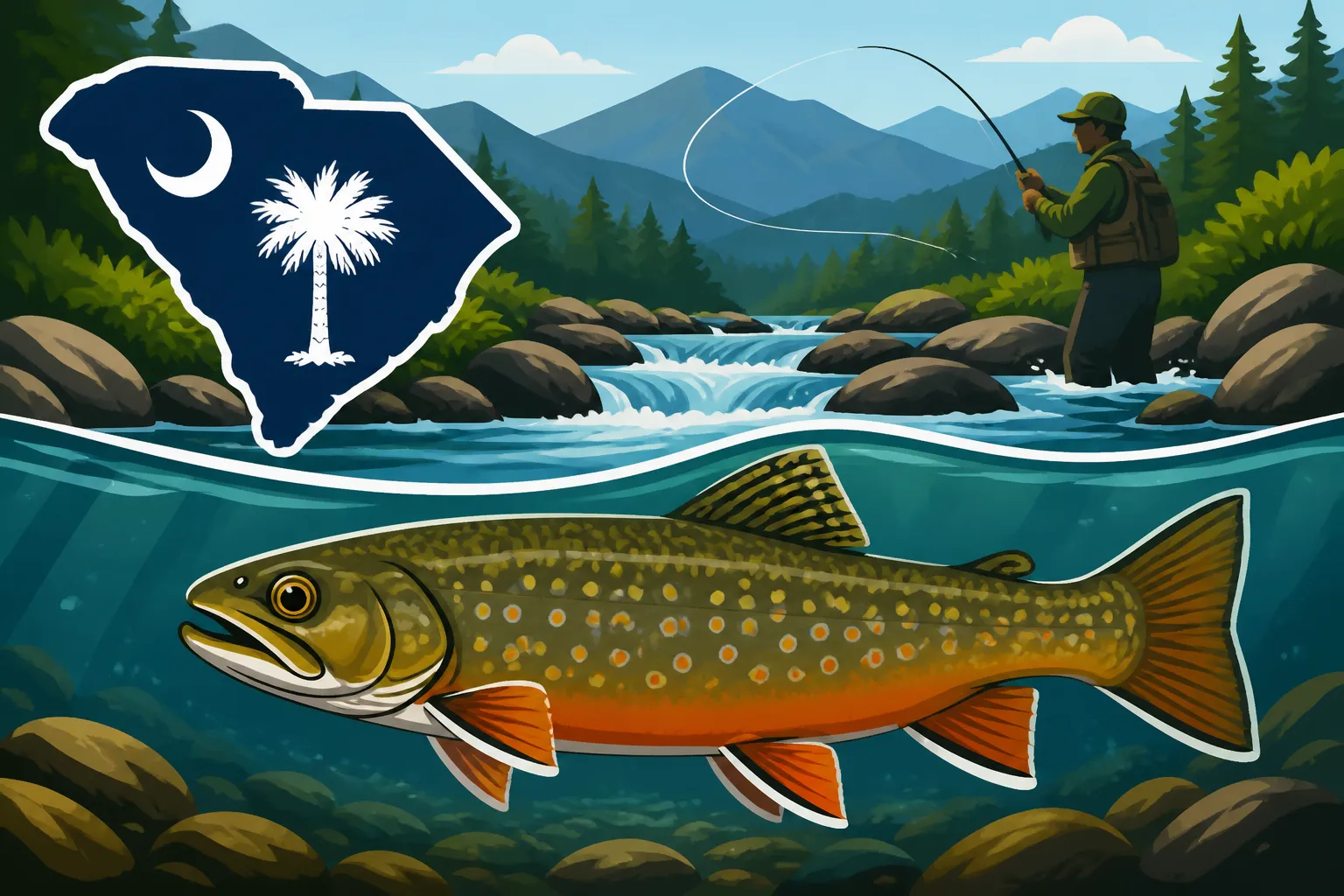
Okay, let's clear up a common misconception right away: a native brook trout is not the same as a stocked trout, even if both are "brook trout." You might encounter other brook trout in our state, but chances are, if they're not in the higher reaches of the Blue Ridge, they're likely stocked fish. The native variety are typically smaller, though no less feisty, and display much more vibrant, almost painterly colors. Their backs are usually a dark olive green, often adorned with worm-like patterns (known as vermiculation), while their sides boast a beautiful array of red and yellow spots, some with blue halos. Their fins, especially the lower ones, are tipped with a distinctive white leading edge, followed by black and then orange-red. Stocked trout, on the other hand, often appear duller, with worn fins from hatchery life, and lack the intense coloration of their wild cousins. When you hook into a native brookie, you'll know it by its dazzling beauty and sheer fight for its size. Understanding these differences is key to appreciating what you've found. South Carolina's Native Brook Trout vs Stocked Trout offers a detailed comparison to help you tell them apart.
Their Role in the Ecosystem
These little powerhouses play a critical role in their fragile mountain ecosystems. As apex predators in their small streams, they help keep insect populations in check, feeding on aquatic invertebrates like caddisfly larvae, stonefly nymphs, and mayflies, as well as terrestrial insects that fall into the water. This predation helps maintain a healthy balance within the stream's food web. Furthermore, the very presence of native brook trout is a strong indicator of excellent water quality. They require cold, clear, highly oxygenated water to survive, meaning if you find them, you're in a truly healthy and undisturbed environment. Their absence can often signal environmental issues like habitat degradation, pollution, or rising water temperatures. Protecting these fish isn't just about saving a species; it's about preserving the entire delicate fabric of our mountain watersheds, ensuring clean water for all downstream life, including us humans.
Where to Find These Elusive Gems: Prime Habitats
Finding native brook trout isn't about driving up to a big lake or a wide river. It's about journeying into the wilder, often more challenging, parts of our Upstate. These fish demand specific conditions, and knowing what to look for is half the battle.
The Blue Ridge Mountains: A Sanctuary
The undisputed heartland for South Carolina's native brook trout lies exclusively within the state's sliver of the Blue Ridge Mountains, specifically in areas like the Sumter National Forest and state parks nestled in the higher elevations. We're talking about the steepest, most rugged terrain where the streams tumble down from pristine mountain springs. Places like the headwaters of the Chattooga, Chauga, and Saluda rivers, or smaller tributaries feeding into these larger systems, are prime territory. These are typically high-gradient streams, meaning they drop significantly in elevation over a short distance, creating cascades, riffles, and deep plunge pools that provide the oxygenation and cool temperatures brook trout crave. Access often involves hiking through dense forest, crossing rough terrain, and a willingness to get a little lost (in the best possible way, of course!). You won't find them downstream where the water warms up or widens significantly. Native Brook Trout Streams in South Carolina's Blue Ridge Mountains provides specific geographic insights.
Identifying Ideal Stream Conditions
When you're bushwhacking through the mountains looking for brookies, keep an eye out for certain tell-tale signs of ideal habitat. The water should be strikingly clear, almost transparent, and feel noticeably cold, even on a warm day. Look for a stream bed composed of a mix of rocks, gravel, and sand, often with larger boulders and downed logs providing cover and current breaks. Overhanging vegetation, like rhododendrons and mountain laurels, is also a great indicator, as it helps shade the water and keep temperatures down. Deep pools behind waterfalls or large rocks are prime holding areas, as are undercut banks where fish can hide from predators and strong currents. You'll often find them tucked into eddies, behind obstacles, or in the seams where faster water meets slower water. Pay attention to the forest around the stream too; a healthy, intact canopy helps regulate stream temperatures and minimizes runoff.
Public Access Points vs. Remote Wilderness
While some state parks and national forest lands offer relatively easy access to trailheads that lead to trout streams, the best native brook trout fishing often requires venturing into more remote wilderness areas. Don't expect paved paths leading right to prime spots. These fish thrive where human disturbance is minimal. This means you might be hiking several miles, navigating by map and compass (or a reliable GPS app), and forging your own path through the undergrowth. The reward, however, is an unparalleled sense of solitude and the genuine thrill of discovering untouched fishing holes. Always be mindful of private land boundaries and respect all posted signs. For those seeking true wilderness, the journey to these hidden gems is as much a part of the experience as the fishing itself. Remember, a little extra effort usually pays dividends in terms of less pressured fish and a more profound connection with nature. For those who enjoy solitude, seeking Remote and Uncrowded Fishing Spots in South Carolina can lead to some incredible brook trout encounters.
The Art of Pursuing Brook Trout: Techniques and Gear
Catching native brook trout isn't about brute force; it's about finesse, stealth, and understanding their environment. These fish are wary, dwelling in tight quarters, and often require a delicate touch.
Fly Fishing: The Classic Approach
For many purists, fly fishing is the only way to pursue native brook trout. A lightweight fly rod, typically a 2-weight or 3-weight, between 6 and 7.5 feet long, is ideal for navigating tight casting conditions and handling these smaller fish. A simple floating fly line and a short leader (7.5 feet, 4x or 5x tippet) are all you need. Presentation is key: you want your fly to drift naturally, mimicking a real insect. Dry flies like an Adams, Elk Hair Caddis, or Parachute Adams work well when insects are hatching on the surface. For subsurface action, small nymph patterns such as a Pheasant Tail, Hare's Ear, or a simple Copper John are incredibly effective. Streamers can also work in larger pools, imitating small baitfish or leeches. Remember to approach the stream quietly, keeping a low profile, as these fish are incredibly sensitive to vibrations and shadows. A precise cast into a small pocket or under an undercut bank can be the difference between a strike and spooking the fish. For those new to the craft, Fly Fishing Basics for Stocked Trout can provide a good foundation, which can then be adapted for native brookies.
Spin Fishing for Native Brookies
Don't let anyone tell you that you must fly fish for brook trout. Spin fishing can be just as effective and sometimes more practical in overgrown streams where casting a fly line is nearly impossible. Opt for an ultralight spinning rod, around 4.5 to 5.5 feet long, paired with a small spinning reel spooled with 2-4 pound test monofilament or fluorocarbon line. Small inline spinners, like a classic Panther Martin or a Rooster Tail, in sizes 0 or 1, are deadly. Earth tones, black, gold, and silver are often effective. Small spoons or even tiny soft plastics (like micro-grubs or worms) rigged on a lightweight jig head can also entice a strike. The key is to keep your lures small, your presentations subtle, and your retrieves slow. Cast upstream and let the current carry your lure naturally past likely holding spots, reeling just enough to keep the spinner blades turning. Again, stealth is crucial; avoid heavy footsteps on the bank, which can send vibrations through the water and alert the fish. Spin Fishing Techniques for Stocked Trout Streams offers helpful tips that can be applied to these wilder environments.
Essential Gear for Mountain Stream Fishing
Beyond your rod and reel, a few key pieces of gear will make your native brook trout pursuit more enjoyable and successful. First, good wading boots with felt or sticky rubber soles are crucial for navigating slippery rocks. Many anglers pair these with durable wading pants or even just quick-drying hiking pants, as full waders can be cumbersome in steep terrain, though useful in colder conditions. A small backpack to carry water, snacks, a first-aid kit, and rain gear is essential. Polarized sunglasses are non-negotiable for spotting fish and reading the water. A hat for sun protection is also a must. For the actual fish handling, a small, soft-mesh landing net helps protect these delicate fish, especially if you're practicing catch-and-release. Finally, don't forget a pair of hemostats or forceps for easy hook removal and a small tackle box or fly box. You can find excellent selections of all these items, from ultralight rods to specialized wading boots, on platforms like Amazon, making it easy to prepare for your adventure.
Conservation Matters: Protecting South Carolina's Native Brook Trout
The pursuit of native brook trout carries a profound responsibility. These fish are not just game; they are a vital part of our natural heritage, and their continued existence depends heavily on our mindful actions.
Catch-and-Release Practices Explained
For native brook trout, catch-and-release isn't just a suggestion; it's often a necessity for their survival. Many streams where they reside are protected with specific regulations emphasizing this practice, or even designating certain areas as catch-and-release only. The goal is to minimize stress and injury to the fish, ensuring they can return to the water unharmed to spawn and contribute to future generations. Here's how to do it properly:
- Handle with care: Wet your hands before touching the fish to protect its slime coat, which acts as a barrier against disease. Avoid squeezing or rough handling.
- Minimize air exposure: Keep the fish in the water as much as possible. If you must lift it for a quick photo, do so quickly and gently.
- Use appropriate tackle: Barbless hooks are highly recommended, or you can crimp down the barbs on your existing hooks. This makes hook removal much easier and less damaging.
- Quick release: Use forceps or hemostats to remove the hook swiftly. If the fish is deeply hooked, cut the line as close to the hook as possible rather than tearing tissue.
- Revive if necessary: Hold the fish gently in the current, facing upstream, until it can swim away under its own power. Don't simply toss it back; ensure it's strong enough to recover.
These practices are not just good etiquette; they are crucial for maintaining the delicate balance of these precious populations.
Understanding Regulations and Why They Exist
South Carolina has specific regulations in place to protect its native brook trout populations, and it's absolutely vital to know and follow them to the letter. These regulations often include restrictions on bag limits (sometimes zero, meaning catch-and-release only), size limits, and even tackle types in certain areas. For instance, some streams might only permit single-hook artificial lures. Always check the current regulations published by the South Carolina Department of Natural Resources (SCDNR) before you head out. These rules aren't arbitrary; they are carefully crafted based on scientific research to ensure the long-term health and sustainability of these vulnerable populations. They account for factors like spawning cycles, population density, and habitat fragility. Ignoring them not only risks hefty fines but, more importantly, can have devastating impacts on these irreplaceable fish. Always be certain of the rules before casting your line, especially regarding Stocked Trout Limits in South Carolina which often differ significantly from native brook trout rules. Knowing South Carolina Fishing License Guide is also a foundational requirement.
The Impact of Habitat Preservation
While responsible angling practices are critical, the most significant threat to native brook trout is habitat degradation. Factors like deforestation, pollution from agricultural runoff or industrial discharge, sedimentation from improper land use, and rising water temperatures due to climate change or loss of tree canopy all pose severe threats. These trout need pristine, cold, clear water to survive. Efforts to preserve the intact forest canopy along mountain streams, minimize erosion, and prevent chemical runoff are paramount. Organizations dedicated to conservation often work to restore degraded habitats, plant riparian buffers, and educate the public on the importance of these fragile ecosystems. As anglers, we can contribute by supporting these efforts, minimizing our own impact (leaving no trace!), and advocating for policies that protect our wild places. Every piece of litter removed, every erosion point mitigated, helps secure a future for South Carolina's native brook trout.
Best Times to Fish for Brook Trout in the Palmetto State
Timing is everything when it comes to enticing these elusive fish. The seasons bring different challenges and rewards, and understanding the trout's behavior throughout the year will significantly increase your chances of success.
Spring's Promise: Awakening Streams
Spring, typically from March through May, is often considered one of the best times to target native brook trout. As the snow melts and mountain rains swell the streams, water levels rise, and temperatures begin to climb, triggering increased insect activity. This means the trout become more active, feeding eagerly after a winter of slower metabolism. The landscape is also bursting with new life, making for incredibly picturesque outings. Look for periods after the initial snowmelt, when water levels stabilize but remain slightly elevated and cool. Early spring might still call for nymphs and streamers, but as insect hatches begin in earnest, dry fly fishing can be exceptional, particularly in late spring. Keep an eye on water clarity; heavy spring rains can blow out streams, making fishing difficult until the water clears. This season truly offers the promise of vibrant fishing in a rejuvenating landscape.
Summer's Challenge: Seeking Cooler Waters
Summer can be a trickier time for native brook trout, especially as South Carolina's heat descends upon the mountains. These fish are highly sensitive to water temperature, and prolonged periods of warm weather can push them into deeper, colder pockets or make them less active. However, dedicated anglers can still find success by adjusting their approach. The key is to focus on early mornings, late evenings, or even after a refreshing summer rain, when water temperatures are at their lowest. Target the highest elevation headwater streams that remain spring-fed and shaded by dense canopy. Seek out plunge pools, deep runs, and areas with significant current where oxygen levels are highest. Using smaller, more delicate presentations and taking extra care with catch-and-release practices during warmer periods is essential, as heat stress can be fatal to the fish. Sometimes, seeking out the absolute remotest, highest streams will be your best bet for a summer encounter.
Fall's Reward: Vibrant Colors and Active Fish
As autumn paints the Blue Ridge Mountains in breathtaking hues of red, orange, and gold, the fishing for native brook trout can be phenomenal. From September through November, water temperatures cool down significantly, and stream flows typically stabilize. This is often when brook trout prepare for their spawning season, becoming more aggressive and actively feeding to build up energy reserves. They'll readily strike at a variety of flies and lures. The reduced foliage also makes accessing some streams a bit easier, and the absence of summer crowds adds to the tranquility. Fall is an excellent time for both dry fly fishing, especially with attractor patterns, and nymphing. The crisp air and stunning scenery make for an unforgettable angling experience, offering some of the most consistent action of the year for these beautiful fish. This truly is a prime time, and Best Time of Year to Fish for Brook Trout in South Carolina's Mountains will give you even more seasonal detail.
Beyond the Catch: The Experience of Mountain Trout Fishing
While the thrill of hooking a native brook trout is undeniably exciting, the experience of fishing for them goes far beyond the fish itself. It's about connecting with nature on a profound level and embracing the journey.
The Serenity of the Backcountry
One of the greatest rewards of pursuing native brook trout is the sheer serenity and solitude of the backcountry. These streams are typically found deep within forests, far from the hustle and bustle of everyday life. The sounds you'll hear are the rushing water, the rustling leaves, and the calls of birds, not car horns or human chatter. There's a peace that settles over you as you navigate moss-covered rocks and ancient trees, a feeling of being completely immersed in the natural world. This quietude offers a chance to clear your mind, recharge your spirit, and simply exist in the moment. It's a reminder of the precious wild spaces that still exist in our state and the importance of preserving them for future generations. For many, the mental break and connection to nature are just as important as any fish caught.
Spotting Wildlife and Enjoying Nature
When you venture into native brook trout country, you're not just entering a fishing spot; you're entering a vibrant ecosystem teeming with life. Keep your eyes and ears open, and you're likely to encounter a diverse array of wildlife. You might spot white-tailed deer delicately picking their way through the underbrush, hear the distinct call of a pileated woodpecker, or catch a glimpse of a black bear lumbering through the distant woods. Raptors like hawks and owls often soar overhead. In the streams themselves, you'll see evidence of otters, crayfish, and countless aquatic insects. The diverse flora, from ancient hemlocks and oaks to delicate wildflowers and ferns, adds to the beauty of the experience. It's a full sensory immersion, reminding you that you're a guest in a truly wild home.
Planning a Multi-Day Trout Expedition
For those truly bitten by the native brook trout bug, a single day often isn't enough. Planning a multi-day expedition allows for deeper exploration of these remote areas and offers an even more immersive experience. This might involve backpacking into a designated wilderness area, setting up a backcountry camp, and spending several days exploring different stretches of stream. Proper preparation is key: consult maps, check weather forecasts, and pack all necessary gear, including a reliable water filter, durable tent or hammock, and enough food. Tell someone your itinerary and expected return time. This type of trip demands self-sufficiency and a good understanding of Leave No Trace principles. While challenging, the reward of waking up to the sound of a rushing mountain stream and having miles of pristine trout water all to yourself is an unparalleled adventure. It transforms a fishing trip into a truly unforgettable wilderness journey.
Here's a quick comparison of native vs. stocked brook trout:
| Feature | Native Brook Trout (Wild) | Stocked Brook Trout |
|---|---|---|
| Origin/Genetics | Indigenous, evolved in specific stream, genetically unique | Hatchery-raised, often from generic strains |
| Appearance | Vibrant colors, distinct vermiculation, white-tipped fins | Duller coloration, worn fins, less defined patterns |
| Size | Typically smaller (4-10 inches), though larger exist | Varies widely, often larger when first stocked |
| Habitat | Pristine, cold, oxygenated headwater streams | Can be found in various waters, often less demanding |
| Fight | Feisty, strong for their size | Can be sluggish initially, but adapt |
| Wariness | Extremely wary, sensitive to shadows & vibrations | Less wary, accustomed to human presence |
| Survival Rate (C&R) | Higher, especially with proper handling in cool water | Varies, can be more susceptible to stress after release |
| Conservation Status | Vulnerable, often protected, focus on catch-and-release | Managed for recreational harvest |
Disclaimer
This article is for general informational purposes only and does not constitute professional advice. Laws, prices and regulations vary by location and change over time. Consult a qualified professional for guidance on your specific situation.