Best Fishing Techniques for a Rising Barometer
There’s nothing quite like planning a fishing trip, only to check the forecast and see the barometer doing its confusing dance. You might wonder if it's even worth heading out, or if the fish will simply vanish. It’s a common frustration for anglers, but understanding how a rising barometer affects fish behavior can actually give you a significant advantage. This guide will demystify those pressure changes and equip you with the best techniques to find success on the water here in South Carolina when the barometer is on the climb.
Understanding the Rising Barometer and Fish Behavior
The barometer is essentially measuring atmospheric pressure. When it rises, it means the air pressure is increasing, usually signaling clearing skies, calmer weather, and often a stable, post-front condition. For us anglers, it's not just about the weather we experience; it's about what's happening under the water. Fish, like most creatures, are highly sensitive to these changes, and a rising barometer typically influences their comfort, feeding patterns, and where they choose to hang out.
The Science Behind the Pressure Change
Think of it this way: fish have a swim bladder, an internal organ that helps them maintain buoyancy at different depths. When atmospheric pressure increases, it exerts more pressure on the water, which in turn compresses a fish's swim bladder. To compensate for this, fish often move deeper into the water column where the ambient pressure helps equalize the internal pressure on their bladders. This isn't just about comfort; it's a fundamental physiological response. They're seeking a depth where they don't have to work as hard to maintain equilibrium. This often means they become less active and might be less inclined to chase bait aggressively near the surface.
Beyond the swim bladder, a rising barometer is frequently associated with brighter, clearer skies after a period of instability or a storm. Clearer water and brighter light can make fish more wary, especially larger, older fish that have learned to be cautious. They might retreat to deeper water, denser cover, or shaded areas. This doesn't mean they stop eating entirely, but their feeding windows might become shorter, and their approach to striking a lure or bait might be more subtle. It's about adapting our presentation to their current mood.
General Fish Reactions to Increasing Pressure
Generally, when the barometer is rising steadily, fish tend to settle into a more comfortable, though sometimes less aggressive, pattern. They might move deeper, as mentioned, but also closer to structure where they feel secure. This could be submerged timber, rock piles, ledges, or even deep grass beds in freshwater lakes like Lake Murray or Lake Hartwell. In saltwater, this might mean hugging deeper channels, oyster beds, or artificial reefs. Their metabolism tends to slow down a bit, meaning they're less likely to expend a lot of energy chasing fast-moving baits.
This is where the angler needs to shift gears. Forget the frantic topwater bites or aggressive power fishing that might work during a falling barometer or stable, overcast conditions. When the pressure is rising, it's often a time for slower presentations, more natural baits, and careful lure selection. You're trying to tempt a fish that isn't necessarily in a high-energy feeding frenzy but is still willing to eat if the meal is easy and appealing. It’s less about triggering a reaction strike and more about offering an irresistible invitation.
Freshwater Strategies for a Rising Barometer
For those of us hitting the lakes and rivers of the Palmetto State, a rising barometer calls for specific adjustments. Whether you're chasing largemouth bass, crappie, or striped bass, subtle changes in your approach can make all the difference between a frustrating day and a successful one.
Slowing Down for Largemouth Bass
When the barometer is on the rise, largemouth bass in South Carolina’s reservoirs, like the Santee Cooper lakes or Lake Greenwood, often become more lethargic. They'll generally move away from shallow, open water and seek deeper cover. This doesn't mean they're not eating; they just aren't actively cruising the flats. Instead, focus on areas with abrupt depth changes, like ledges, points that drop into deeper water, or submerged brush piles and timber. The fish will often be tucked right into this cover, sometimes even suspending just above it.
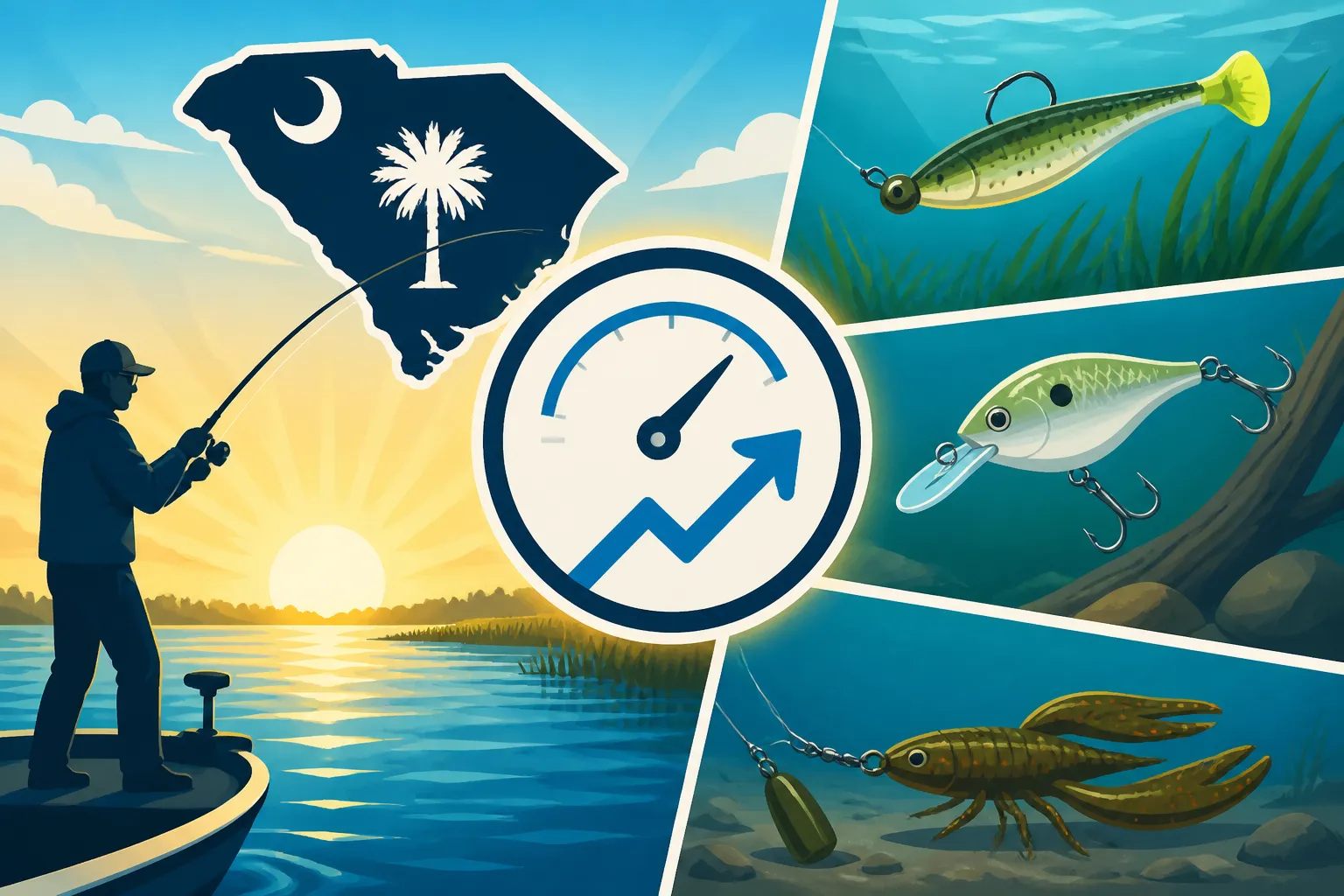
This is the perfect time for slower, more methodical presentations. Forget the speedy crankbaits or buzzbaits. Instead, reach for a Texas-rigged or Carolina-rigged plastic worm, a jig, or a creature bait. Work these baits slowly along the bottom, pausing frequently. The idea is to make the bait look like an easy meal that's just moving along without much effort. You might even find success with finesse techniques like a drop shot rig, especially if the water is clear. Pay close attention to your line for the faintest tap or change in pressure, as bites can be incredibly subtle. Sometimes, simply dragging a jig or worm along a contour line will provoke a strike from a bass that isn't willing to chase. Remember that South Carolina Bass Fishing Techniques by Season provides a broader context, but a rising barometer might override typical seasonal patterns temporarily.
Targeting Deeper Crappie and Stripers
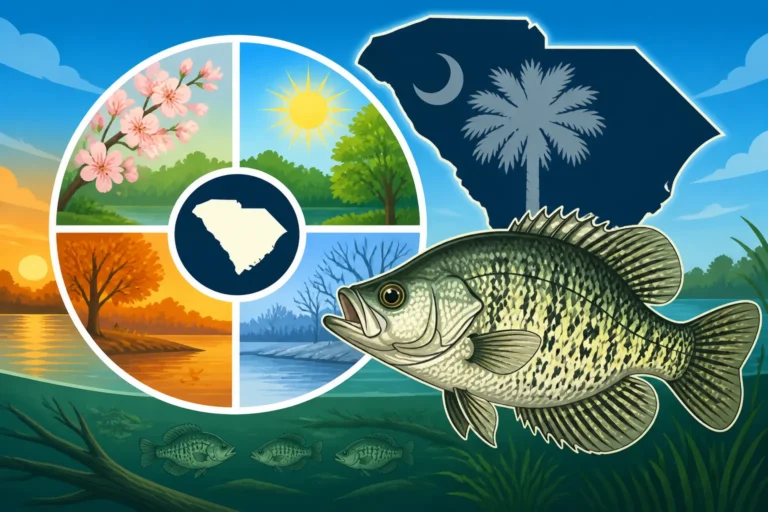
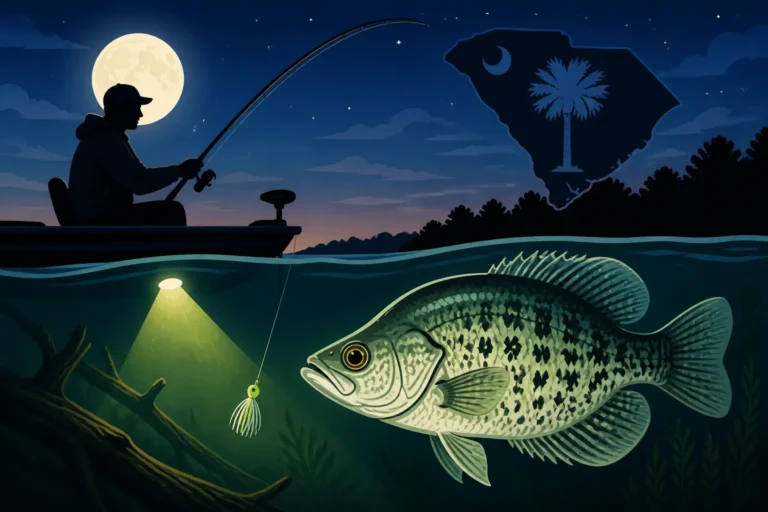
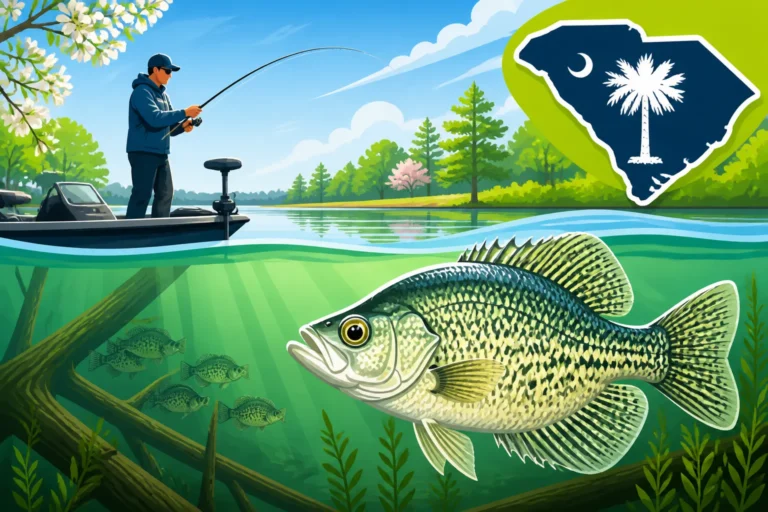
Crappie, much like bass, will often retreat to deeper, structured areas during a rising barometer. Look for them holding tight to brush piles, sunken trees, or bridge pilings in waters like Lake Wateree or Lake Moultrie. This is prime time for vertical jigging or slow trolling with small jigs or live minnows. Instead of casting and retrieving, position your boat directly over the cover and drop your bait straight down. Use your fish finder to pinpoint schools of crappie and then present your offering at their depth. They might be concentrated very tightly, so once you find one, you're likely to find more. Keep your baits small and your presentation delicate. A light line and a sensitive rod are key to detecting those soft bites. You can find more specific advice on Crappie Jigging Techniques for Beginners.
For striped bass in places like Lake Murray, a rising barometer often means they'll move into deeper pockets, especially along the main lake channel or around deep humps and ledges. Live bait, such as herring or shad, presented on a downline or planer board, can be highly effective. The key is to get your bait down to where the stripers are comfortable. Pay attention to your electronics, looking for schools of baitfish and the tell-tale arcs of stripers beneath them. Trolling deep-diving crankbaits or umbrella rigs can also work, but keep your speeds on the slower side. The stripers aren't necessarily chasing down fast-moving prey; they're looking for an opportunistic meal without much exertion. Sometimes, just soaking a cut bait on the bottom in a deep channel can produce results. Consider checking Lake Murray Fishing Guide for South Carolina Anglers for more insight into this specific fishery.
Table: Freshwater Adjustments for a Rising Barometer
| Species | Typical Location Shift (Rising Barometer) | Recommended Techniques | Key Bait/Lure Types |
|---|---|---|---|
| Largemouth Bass | Deeper ledges, submerged brush, timber | Slow jigging, dragging, finesse | Texas-rigged worms, jigs, creature baits |
| Crappie | Deep brush piles, bridge pilings | Vertical jigging, slow trolling (minnows) | Small jigs, live minnows |
| Striped Bass | Deep channels, humps, ledges | Downlining, planer boards, slow trolling | Live bait (herring, shad), deep crankbaits |
Saltwater Tactics When the Barometer Climbs
Heading out to the coastal waters of South Carolina, a rising barometer also dictates a different approach. Whether you're stalking redfish in the marshes or heading further offshore, adapting to the pressure changes will improve your chances dramatically.
Inshore Species: Redfish and Spotted Seatrout
In the expansive salt marsh estuaries and tidal creeks of the South Carolina Lowcountry, like those found near Charleston Harbor or Murrells Inlet, redfish and spotted seatrout can become a bit shy with a rising barometer and subsequent clearer, brighter conditions. Redfish might pull off shallow grass flats and seek refuge in deeper creek channels, oyster bars, or around docks and pilings. South Carolina Redfish Slot Limit Rules are always important, but catching them in these conditions requires patience. You'll want to present baits slowly and deliberately.
Live bait, like mud minnows or shrimp, fished on a Carolina rig or under a popping cork with a long leader, can be incredibly effective. The idea is to keep the bait in their strike zone for as long as possible without appearing overly aggressive. Soft plastic lures, such as a Gulp! shrimp or a paddle tail, worked slowly along the bottom or jigged gently near structure, can also entice a bite. Avoid making too much commotion, as the fish might be more sensitive to sudden movements or loud noises in the clearer water. For spotted seatrout, which also retreat to deeper areas, especially over oyster rakes or in deeper bends of creeks, a similar slow-and-steady approach with live shrimp or small suspending lures can be productive. Remember South Carolina Spotted Seatrout Daily Bag Limit of 10 Fish rules when planning your catch.
Offshore Adjustments for Pelagic and Bottom Fish
When you're venturing offshore from places like Hilton Head or Myrtle Beach, a rising barometer generally signifies stable weather, which is often welcomed by offshore anglers. However, it can still influence fish behavior. Pelagic species like mahi-mahi, wahoo, and tuna might still be active, but their feeding windows could be tighter. Focus on structure where bait congregates, such as temperature breaks, weed lines, or current eddies. Trolling a spread of lures at a consistent, moderate speed can still provoke strikes, but pay extra attention to your lure presentation – ensure they're swimming naturally and efficiently.
For bottom fish, like snapper and grouper, a rising barometer might see them hunkering down closer to artificial reefs, wrecks, and natural ledges. This is a good time for careful bait presentation directly on or very near the structure. Heavy jigging with butterfly jigs or slow-pitch jigs, along with natural baits like cut fish or squid, fished on a standard bottom rig, can be productive. The key is precision – getting your bait right into their hiding spots. The calmer seas often associated with a rising barometer make accurate boat positioning much easier, allowing you to thoroughly work a piece of structure. Even if they're not aggressively feeding, a well-presented, easy meal can be hard to pass up.
Essential Gear and Considerations
Having the right gear and understanding a few additional considerations can further stack the odds in your favor when the barometer is rising. It’s not just about what you throw, but how you present it and what you’re using to do so.
Rods, Reels, and Line Selection
For any type of fishing during a rising barometer, sensitivity is your best friend. Fish bites are often light and hesitant. This means opting for a medium-light to medium action rod with a fast tip. A sensitive graphite rod will transmit those subtle taps much better than a heavier, slower rod. Pair this with a smooth spinning reel or a baitcasting reel with good drag, spooled with a lighter line than you might typically use. For freshwater bass and crappie, 6-10 lb fluorocarbon or braided line with a fluorocarbon leader is excellent. The low stretch of braid, combined with the invisibility of fluorocarbon, gives you the best of both worlds. For inshore saltwater, 10-20 lb braid with a 20-30 lb fluorocarbon leader will offer both strength and sensitivity. You can often find great deals on these specialized lines on Amazon, ensuring you have the right setup.
Lighter line also creates less drag in the water, allowing your baits to fall more naturally and remain in the strike zone longer without being pulled away by current. This becomes especially important when fish are finicky. When you're fishing slowly and deliberately, you need every advantage you can get to detect a bite and effectively set the hook.
Bait and Lure Presentation Techniques
This is where the art of fishing truly shines during a rising barometer. As discussed, slowing down is paramount. For soft plastics and jigs, a "dead stick" retrieve can be incredibly effective. Cast your lure out, let it sink to the bottom, and then simply let it sit for several seconds before making a very subtle twitch or slow drag. Many strikes will occur when the bait is completely still. Think of it like this: the fish isn't going to chase, so bring the food to them and make it an easy target.
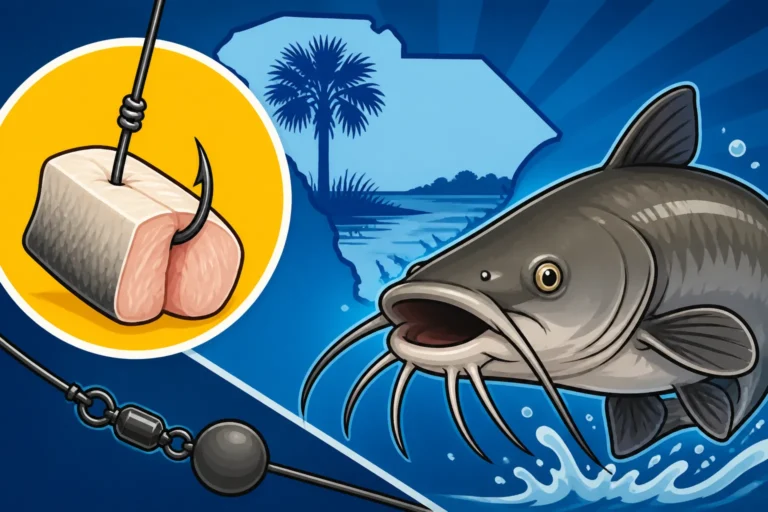
Live bait, when available, is often your trump card. A frisky live minnow, shrimp, or mullet struggling naturally can be irresistible to a lethargic fish. Present these on simple rigs that allow them to move freely but keep them in the target zone. Whether it's a small split shot to keep a minnow down for crappie or a Carolina rig for a mud minnow for redfish, natural movement is key. When fishing with artificials, consider scent attractants as well. A little bit of extra appeal can sometimes be the difference maker when bites are few and far between. It's always a good idea to have a variety of soft plastic baits on hand, and Amazon is a convenient place to stock up before your next trip.
Other Environmental Considerations
Beyond the barometer itself, consider how it interacts with other environmental factors in South Carolina. Clearer skies often mean brighter sunlight, which can push fish into deeper, shadier areas. Focus on the shady side of docks, submerged structures, or deeper pockets of water where light penetration is reduced. If you’re on the coast, a rising barometer typically accompanies an incoming or outgoing tide, which influences where fish stage in relation to current breaks and oyster bars. Consult a tide chart and plan your movements accordingly.
Water temperature also plays a role. If a rising barometer is accompanied by a sudden cold front, fish can become even more sluggish. In these cases, your presentations need to be even slower and closer to the bottom. Conversely, a rising barometer after a long period of dreary weather could signal improving conditions that might encourage a more active bite, though still likely deeper than average. Understanding these nuances and how they combine with barometric pressure will help you fine-tune your approach, turning a potentially tough day into a truly rewarding fishing experience. Always remember to check Best Time of Year to Fish in South Carolina for overarching seasonal advice that can be combined with these barometric insights.
Disclaimer
This article is for general informational purposes only and does not constitute professional advice. Laws, prices and regulations vary by location and change over time. Consult a qualified professional for guidance on your specific situation.