Do Stocked Trout Bite Better After Rain?
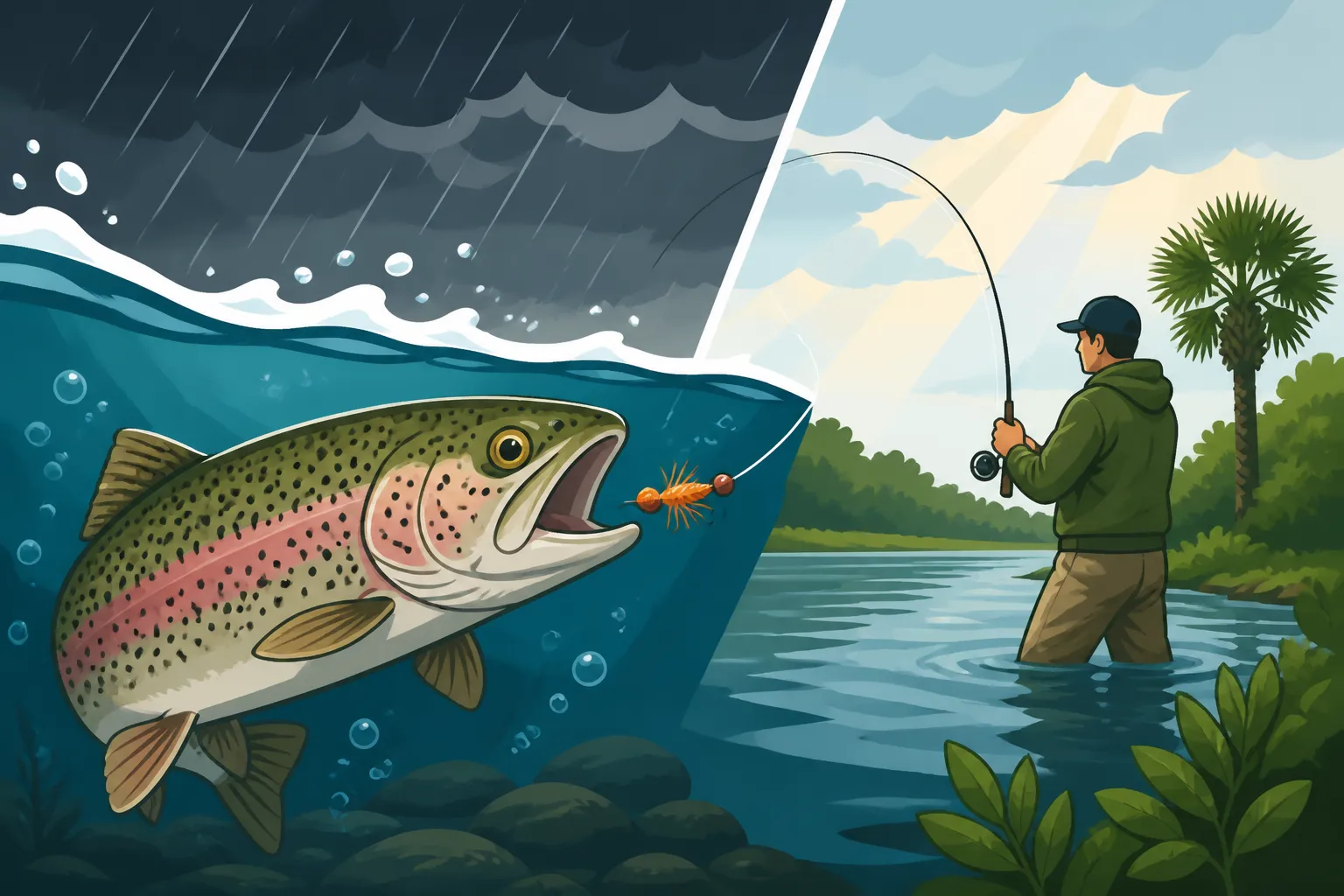
Oh, the age-old question that has probably crossed every angler's mind when they see those first drops hit the water: "Do stocked trout bite better after rain?" It's not just a casual thought; it's a genuine puzzle that can make or break a fishing trip, especially when you've planned a day specifically to chase those lively stocked trout in South Carolina's pristine mountain streams. You're trying to figure out if you should grab your gear and head out, or if you're better off waiting for the sun to return. This guide is here to unravel that mystery, diving deep into how rain, in its many forms, truly impacts the behavior of stocked trout and what that means for your success on the water.
Understanding the Impact of Rain on Trout Behavior
Rain isn't just rain when it comes to fishing. It's a complex weather event that can trigger a cascade of changes in a trout's environment, directly influencing their mood, their location, and ultimately, whether they're willing to bite your line. Understanding these environmental shifts is key to knowing when to hit the water and when to hold back.
How Rain Affects Water Temperature and Clarity
One of the first things rain does is interact with the water temperature. If it's a warm summer day and a cool rain starts to fall, that influx of cooler water can be a blessing for trout, especially in streams that might be getting a little too warm for their comfort. Trout thrive in cooler, oxygen-rich water, so a refreshing downpour can make them more active and eager to feed. Conversely, if it's already a cold spring day and a freezing rain comes through, it could shock the system and temporarily shut them down.
Then there's the clarity, or lack thereof. Rain, particularly heavy rain, washes sediment, dirt, and debris from the banks and surrounding landscape into the stream. This can quickly turn crystal-clear water murky or even muddy. For us anglers, it can be frustrating because it feels like you can't see anything. For a trout, however, a slight stain can sometimes work in their favor. It offers them more cover from predators, including us, making them feel safer to venture out from their hiding spots. But there's a fine line: too much turbidity, where the water is thick with mud, can make it impossible for them to see your bait or lure, and it can also clog their gills.
Increased Water Flow and Oxygen Levels
Think about a gentle stream turning into a slightly more robust flow after a good rain. That increased water volume and current bring a couple of critical changes. First, it boosts oxygen levels. Raindrops hitting the surface and runoff entering the stream churn up the water, introducing more dissolved oxygen, which is vital for trout metabolism. When oxygen levels are high, trout tend to be more active and energetic, moving around and seeking food.
Second, the increased flow can dislodge food sources that were previously inaccessible. Worms from the bank, insects that fell into the stream, and even small crustaceans living on the bottom can all get swept up and carried downstream by the stronger current. This creates a natural "conveyor belt" of food, and trout are savvy enough to position themselves in prime ambush spots to take advantage of this sudden feast. This is often why anglers report improved fishing after a rain—the trout are more oxygenated and have more food coming their way.
Dislodged Food Sources and Trout Feeding
This point truly brings it all together. When rain hits, especially if it's been dry for a while, the banks become saturated. Worms and other terrestrial insects get flushed into the water. If the rain is heavy enough to cause significant runoff, these sudden buffet lines can be irresistible to trout. They'll move out of their typical holding lies and position themselves where the current brings these new food items right to them.
It's like ringing a dinner bell. Trout, being opportunistic feeders, won't pass up an easy meal. This is particularly true for stocked trout, which are often less wary than their wild counterparts and more accustomed to a consistent food supply. They're often raised on pellets, so anything new and easy to catch that floats by is a welcome change. This surge of natural food is a primary reason why many anglers observe a spike in activity immediately following a rainfall. It’s an angler's dream to hit the water when the trout are actively feeding, and understanding these "dinner bell" moments can make all the difference.
When Rain Can Be Your Friend: Ideal Post-Rain Fishing Scenarios
Not all rain is created equal for fishing. There are specific types of rain events and post-rain conditions that can genuinely turn a slow day into an incredibly productive one. Knowing these scenarios can help you decide when to brave the weather and when to pack a raincoat.
Light Rain or Post-Drizzle Conditions
Imagine a gentle, steady drizzle, or perhaps the calm that settles in right after the rain stops, leaving the air cool and fresh. These are often some of the best conditions for stocked trout fishing. A light rain doesn't typically cause excessive turbidity, meaning the water might get a slight stain but remains clear enough for trout to see your offerings. The gentle disturbance on the water's surface also breaks up their view of the sky, making them less wary of overhead predators – including you standing on the bank.
In these conditions, the increased oxygen from the rain and the subtle washing of terrestrial insects into the stream can make trout much more active. They feel safer, the water feels better, and there's a fresh supply of food. This is when you can often find them cruising the edges of the stream or holding in calmer pockets where the current brings food to them. Anglers often find success using natural baits like worms or small jigs that mimic the dislodged insects during these times. It's a delicate balance, but a light rain or the immediate aftermath of a drizzle often signals prime trout feeding time. If you're wondering Do Stocked Trout Bite Better After Rain? in general, this is usually the sweet spot.
Fishing During a Steady, Moderate Rain
Now, let's talk about actually fishing while it's raining. A steady, moderate rain, not a deluge, can be fantastic. The constant disturbance on the water's surface provides consistent cover, allowing trout to feel more secure in open water. This means they might be more willing to move out of deep holes or undercuts to feed actively. The increased flow continually washes food into the stream, keeping their attention.
However, fishing during the rain comes with its own set of challenges. Visibility for the angler can be poor, and handling wet gear can be a hassle. Waterproof clothing is an absolute must! For your approach, focus on areas where the current might deposit food, such as eddies behind rocks, slower seams along the banks, or the mouths of feeder creeks that are now flowing stronger. When considering South Carolina Stocked Trout Season Fishing Techniques , fishing during a moderate rain often calls for slightly more aggressive presentations or baits with a strong scent to compensate for reduced visibility. You might even find success with heavier lures that get down quickly in the increased current.
The "Right" Amount of Stained Water
We touched on clarity, but it's worth emphasizing the concept of "just right" stained water. Picture a trout stream that usually runs gin-clear, where every ripple and shadow reveals a fish. While beautiful, ultra-clear water often makes trout incredibly spooky. They see everything, including your shadow, your line, and your every move.
After a rain, if the water takes on a slight tea stain or a light milky tint, this can be incredibly beneficial. This "stained" water reduces visibility just enough to make trout feel much more comfortable and less cautious. They won't bolt at the first sign of movement. They still have enough visibility to spot your bait or lure, but they also have the psychological advantage of concealment. This allows them to feed more aggressively and confidently. Anglers can often get closer to prime fishing spots without spooking fish, and trout are less likely to shy away from your presentation. It’s a bit like fishing under low light conditions, but with the added benefit of a constant influx of food and oxygen. This is a prime time to use your sense of touch and smell in your bait and lure choices.
When Rain Can Be Your Foe: Challenging Post-Rain Conditions
While some rain can be great for fishing, there's definitely a point where too much of a good thing turns into a nightmare for both anglers and trout. Knowing when to simply call it a day and wait for better conditions is crucial for safety and success.
Heavy Downpours and Flash Floods
This is perhaps the most obvious "foe" scenario. A true heavy downpour, especially one that leads to flash flooding, is not only dangerous but also makes fishing virtually impossible. Rivers and streams can swell rapidly, becoming raging torrents that are unsafe to wade or even stand near. The current becomes incredibly strong, sweeping away everything in its path, including any potential food sources or fishing gear.
From a trout's perspective, these conditions are about survival. They're not thinking about feeding; they're trying to find safe refuge from the powerful currents. They'll hug the bottom, hide behind the largest boulders, or seek shelter in eddies and slack water pockets that offer a reprieve from the force of the flow. In these extreme conditions, the water is usually completely blown out and muddy, making it impossible for them to see anything. Trying to fish during a flash flood event is not only unproductive but incredibly risky. Always prioritize your safety over catching a fish.
Extremely Muddy or High-Turbidity Waters
While a slight stain can be beneficial, there's a point where the water becomes so muddy and filled with sediment that it's detrimental. Think of water that looks like chocolate milk, where you can't see more than an inch or two into the depth. In South Carolina, some of our trout streams can experience this, especially in areas with softer banks or after heavy, localized thunderstorms.
When the water reaches this level of high turbidity, stocked trout simply can't see your bait or lure. They rely heavily on sight to feed, even with their other senses. The mud also irritates their gills, forcing them to expend more energy to filter water, making them less inclined to feed. They often become lethargic and hunker down, waiting for the water to clear. In these conditions, even the strongest scents or vibrations might not be enough to entice a bite. It's usually best to wait a day or two for the water to begin clearing up before heading back out.
Drastic Temperature Swings
Rain can also bring significant temperature changes, and not always for the better. If a sudden, very cold rain hits during a warm spell, it can cause the water temperature to drop too quickly. Trout, while preferring cooler water, are sensitive to rapid changes. A drastic temperature swing can put them into a state of shock or make them inactive as their bodies try to adjust. They might move to deeper, more stable thermal refuges and cease feeding temporarily.
Conversely, if warm rain falls into already warm water during a hot summer, it might not offer enough cooling effect and could even exacerbate low oxygen levels if the stream is slow-moving. While this is less common for our mountain trout streams, it's a factor to consider in some of the larger, slower-moving bodies of water. The key is moderation: gradual temperature shifts or stabilizing temperatures are usually beneficial, while rapid, extreme changes are not. Being aware of the water temperature before and after a storm can give you a vital clue about how the trout might be reacting.
Adjusting Your Approach: Techniques for Post-Rain Trout Fishing
Knowing if trout might bite after rain is only half the battle. The other, equally important half is knowing how to fish for them in these changed conditions. You can't just use the same old tricks; a smart angler adapts.
Bait and Lure Selection for Stained Water
When the water has that beneficial slight stain, trout's visibility is reduced, but so is their wariness. This is your chance to use baits and lures that stand out. Forget the subtle, natural colors you might use in gin-clear water. This is the time to go for contrast and vibrance.
- Bright Colors: Think fluorescent greens, yellows, oranges, and chartreuse. These colors have a higher visibility index in murky water. Jigs, spinners, or small spoons in these hues can be incredibly effective. Consider checking out various options on Amazon for a wide selection of these high-visibility lures.
- Scented Baits: When trout can't rely solely on sight, their sense of smell becomes more critical. Natural baits like red worms, nightcrawlers, or corn are always good choices. You can also add scent attractants to your artificial lures. There are many brands that offer gels, sprays, or pastes that you can apply to your soft plastics or even hard baits to give them an added olfactory appeal. Many anglers stock up on these handy additions from retailers like Amazon before a fishing trip.
- Vibration: Lures that create a lot of vibration can also be very effective. Spinners with larger blades, crankbaits, or even soft plastics retrieved with a jigging motion can send out vibrations that trout can detect through their lateral line, helping them home in on your offering even if they can't clearly see it. When fishing for stocked trout, experimenting with different types of retrieves, from slow and steady to stop-and-go, can help you find what triggers a strike. Remember, sometimes a heavier lure might be necessary to get down through the increased current after a rain.
When it comes to How to Fish Bait for Stocked Trout or even using artificials, adjusting to the water clarity is paramount. A bright, scented offering that creates some vibration is often a winning combination in post-rain conditions.
Targeting New Feeding Zones
After a rain, the stream environment changes, and so do the trout's preferred feeding lies. They're no longer just hiding in their usual spots; they're actively repositioning to take advantage of the new food delivery system.
- Eddies and Current Seams: These are gold mines after a rain. An eddy is a section of water where the current slows down or even swirls backward, often found behind large rocks, fallen logs, or sharp bends in the river. Current seams are the lines where fast water meets slow water. Trout will hold in the slower water, expending minimal energy, while waiting for the faster current to wash food directly into their strike zone. Focus your casts on these transition areas.
- Feeder Creek Mouths: If there are smaller creeks or ditches that flow into the main trout stream, their mouths become prime feeding zones. Rain causes these smaller tributaries to swell, washing countless terrestrial insects, worms, and organic matter into the main stream. Trout will congregate at these junctions, eagerly awaiting the influx of new food. Cast your bait or lure into the mouth of the feeder creek and let the current carry it into the main flow.
- Shallow Banks and Overhanging Vegetation: With increased water levels and reduced clarity, trout often feel more comfortable moving into shallower water along the banks, especially if there's overhanging vegetation or brush. These areas often have less current, and the vegetation provides additional cover and can shed more insects into the water. If you're using techniques like Spin Fishing Techniques for Stocked Trout Streams or even How to Drift a Fly for Stocked Trout in these conditions, make sure to target these edges carefully. Don't be afraid to fish closer to the bank than you normally would in clear water.
Remember that How to Read a Trout Stream for Beginners becomes even more crucial after rain, as you need to quickly identify where the changes in current and food presentation are occurring.
Safety First
It cannot be stressed enough: safety always comes first. Fishing after heavy rain can be dangerous, and no fish is worth risking your life.
- Monitor Water Levels and Current: Before you even consider going out, check local weather reports and stream gauges if available. If the water is rising rapidly, or the current looks dangerously strong, stay home. Even seemingly calm spots can have powerful undertows.
- Wear Appropriate Footwear and Waders: If you plan to wade, sturdy wading boots with good traction are essential. Always use a wading staff for stability and to probe the bottom for hazards. Never wade into water that's above your knees, especially if the current is strong. Consider hip or chest waders, ensuring they fit properly to avoid them filling with water and becoming a hazard. For added safety, a wading belt is a must-have to prevent water from entering your waders if you happen to take a tumble. You can find reliable waders and wading boots on Amazon, which can make a huge difference in staying dry and safe.
- Be Aware of Changing Conditions: Rain can be intermittent, and a sunny morning can quickly turn into a stormy afternoon. Keep an eye on the sky and be prepared to head back to shore if conditions worsen. Flash floods can occur rapidly, even if the rain isn't falling directly on your location.
- Fish with a Buddy: Whenever possible, fish with a friend. In case of an accident, having someone else there can be a lifesaver. Ensure someone knows where you're going and when you expect to return.
- Protect Your Electronics: If you bring a phone or other electronics, make sure they are in waterproof bags. Accidents happen, and a wet phone is useless in an emergency.
By prioritizing safety, you can enjoy the potential benefits of post-rain fishing without putting yourself at unnecessary risk. Even during our South Carolina Free Fishing Days in 2026 or any other time, safety should be your top priority.
Post-Rain Trout Fishing Scenarios: A Quick Guide
To summarize the varying impacts of rain, here's a handy table to help you quickly assess the conditions.
| Rain Type/Condition | Water Level & Current | Water Clarity | Trout Activity | Angler Strategy |
|---|---|---|---|---|
| Light Drizzle / Post-Rain Calm | Stable to slightly higher | Slight stain, good visibility | High, actively feeding | Natural baits, small jigs, bright spinners. Target edges, eddies. |
| Moderate, Steady Rain | Gradually rising | Slight to moderate stain | High, less wary | Brighter, scented lures/baits. Focus on current seams, feeder creek mouths. |
| Heavy Downpour / Flash Flood | Rapidly rising, dangerous | Extremely muddy | Low, survival mode | Do not fish. Prioritize safety. Wait for conditions to normalize. |
| Very Muddy Water | High but receding | Extremely turbid | Low, inactive | Wait for water to clear. Very limited success if any. |
| Cold Rain on Warm Day | Stable to rising | Varies, often slight stain | High, invigorated | Similar to light/moderate rain, focus on active presentations. |
| Warm Rain on Cold Day | Stable to rising | Varies, often slight stain | Moderate to low | Slower presentations, focus on deeper pockets where temperature is stable. |
This table simplifies the decision-making process, helping you figure out if conditions are ripe for casting or if it’s better to cozy up indoors with a cup of coffee.
So, do stocked trout bite better after rain in South Carolina? The short answer, as with most things in fishing, is: it depends! A light rain or the immediate aftermath of a moderate downpour can absolutely turn on the bite, providing increased oxygen, washing in new food, and offering trout the cover they need to feel bold. However, heavy, sustained rain leading to blown-out, muddy conditions or dangerous currents will likely shut them down completely and pose a significant safety risk to you.
The key is to understand the nuances of the rain event, assess the resulting stream conditions—paying attention to clarity, flow, and temperature—and then adjust your techniques accordingly. Be ready with those brighter lures and scented baits for the stained water, and always keep an eye on safety. By doing so, you'll be well-prepared to make the most of those magical post-rain windows when the trout are truly on the chew. Always consult current regulations and conditions for specific streams, whether you're interested in Checking a Stream's Trout Limit Before You Fish It or understanding Where Stocked Trout Limits Are Stricter Than the Statewide Default for certain areas. Tight lines!
Disclaimer
This article is for general informational purposes only and does not constitute professional advice. Laws, prices and regulations vary by location and change over time. Consult a qualified professional for guidance on your specific situation.