Does Tide Direction Change Where Trout Feed?
Oh, the age-old question that keeps coastal anglers up at night! You’re standing on the dock or poling through a creek, watching the water move, and you just know those spotted seatrout are somewhere out there. But are they actively feeding right now, or are they waiting for a different tide? It’s a common frustration, feeling like you’re in the right spot but at the wrong time because you haven't quite cracked the code of the tides. This guide is all about demystifying how tide direction impacts where and when spotted seatrout decide to grab a bite in South Carolina's beautiful waters.
Understanding Spotted Seatrout and Their Habitat in South Carolina
Before we dive into the nitty-gritty of tidal influence, let's take a moment to appreciate our target species: the spotted seatrout. These beautiful, iridescent fish are a staple of inshore fishing in the Palmetto State, known for their aggressive strikes and delicious fillets. But to consistently catch them, you first need to understand their natural environment and how they survive in it.
The Dynamic World of South Carolina's Estuaries
South Carolina’s coastline is a labyrinth of salt marshes, tidal creeks, and sprawling estuaries—a perfect playground for spotted seatrout. These brackish water environments are incredibly dynamic, constantly changing with the ebb and flow of the ocean tides. Estuaries act like vast nurseries, teeming with juvenile fish, shrimp, and crabs, which make up the bulk of a trout's diet.
The tidal influence here isn't just about water moving in and out; it's about shifting food sources, fluctuating water depths, and ever-changing access to cover. Trout, being savvy predators, learn to use these changes to their advantage. They don't just hang out randomly; they position themselves strategically, waiting for the tide to deliver their next meal right to their mouths. Understanding this fundamental connection to their environment is your first step in predicting their behavior. The sheer complexity of these environments can be daunting, but with a bit of observation and knowledge, you'll start to see patterns. These spots, whether it's Spotted Seatrout Fishing Near Beaufort or up closer to Charleston, all share common tidal characteristics that influence feeding behavior.
What Spotted Seatrout Eat and How They Hunt
Spotted seatrout are opportunistic carnivores with a diverse diet. Their primary food sources include various baitfish like mullet, menhaden, and pilchards, as well as shrimp, small crabs, and even sometimes smaller, unsuspecting invertebrates. They are visual predators with excellent eyesight, often lying in wait in ambush points, ready to dart out and strike.
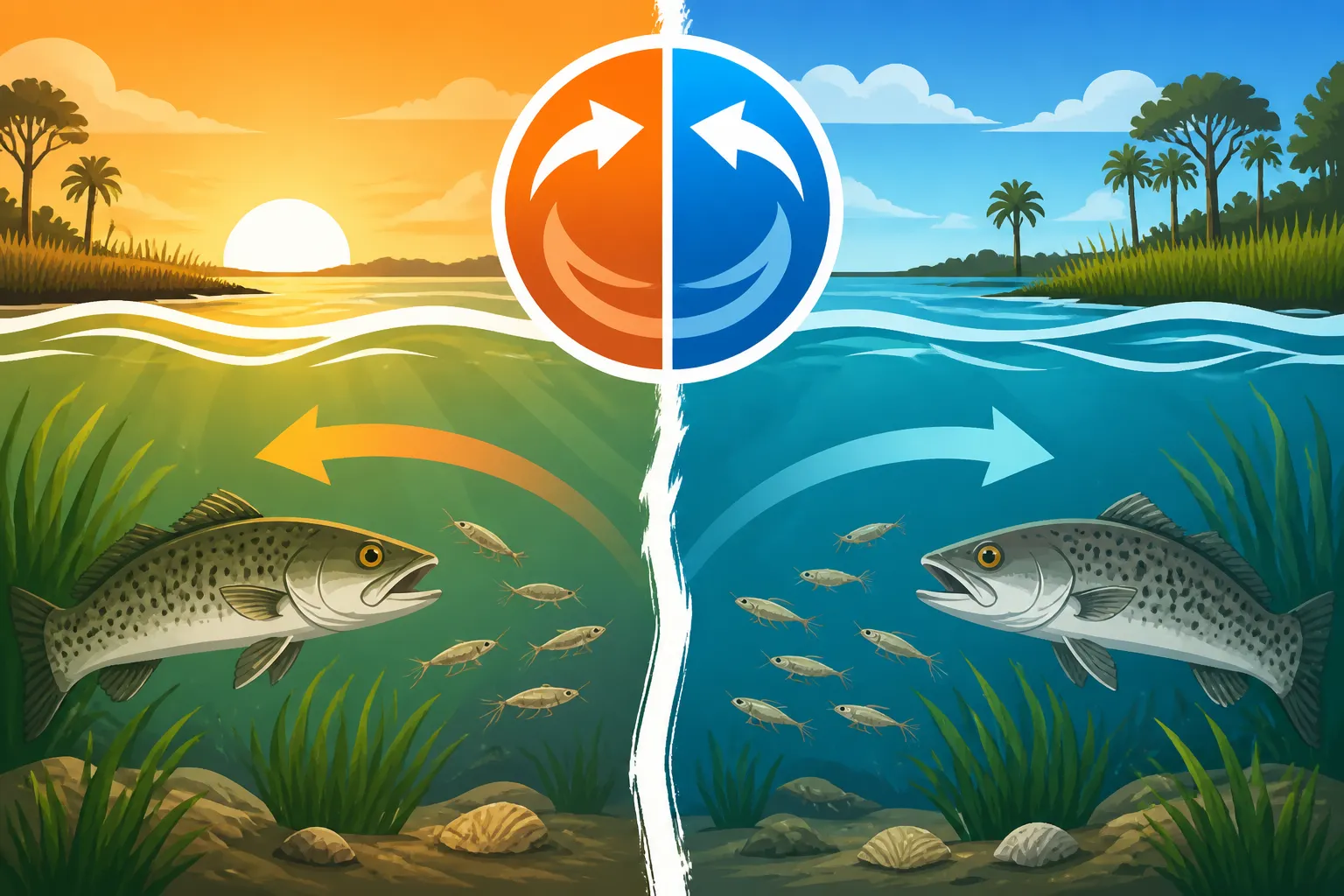
The tide plays a crucial role in delivering these food sources directly to the trout. When the water moves, it dislodges bait from cover, washes shrimp out of the grass, and generally creates a current that makes it easier for trout to find and capture prey. Think of it like a conveyor belt of food. Their hunting strategy is finely tuned to these tidal movements. They conserve energy, letting the current do some of the work, and then explode with speed when an opportunity arises. The combination of strong eyesight and ambush tactics makes them incredibly efficient hunters, especially when the conditions, dictated by the tide, are just right for a feeding frenzy.
How Tide Direction Influences Spotted Seatrout Feeding
Now for the main event: how does the actual direction of the tide affect where and when trout decide to eat? It's not just "high tide is good" or "low tide is bad"; it's far more nuanced, and understanding these subtleties can dramatically improve your success.
The Incoming Tide: A Buffet Line for Trout
Many experienced inshore anglers swear by the incoming tide, and for good reason. As the water pushes in from the ocean, it brings with it a fresh supply of baitfish and shrimp. This rising water also allows trout to access areas that were too shallow during low tide, like flooded grass flats, oyster rakes, and the edges of marsh islands. These areas become prime feeding grounds as the water covers previously exposed bottom, dislodging crabs and shrimp and providing new ambush points.
During an incoming tide, trout will often move with the water, pushing into creek mouths and along grass lines, eagerly awaiting the influx of prey. The increased water clarity that often accompanies the incoming tide (as it filters out sediment from the creeks) also works in their favor, making it easier for them to spot their next meal. This is a fantastic time to target shallow areas, focusing on the edges where bait might be seeking cover. The strategies for targeting redfish during this period, as explored in How to Fish an Incoming Tide for Redfish, can be remarkably effective for trout as well, as both species share similar feeding behaviors on the flats.
The Outgoing Tide: Draining the Dinner Plate
While some anglers might prefer an incoming tide, the outgoing tide can be equally, if not more, productive for spotted seatrout, especially if you know where to look. As the water recedes, it acts like a giant drain, pulling baitfish, shrimp, and other food sources out of the flooded grass and shallower creeks. This action concentrates the bait into deeper channels, guts, and choke points—essentially funneling dinner to the waiting trout.
During an outgoing tide, trout will often stage themselves in strategic locations where they can ambush prey as it’s swept past. Think about the mouths of creeks, oyster shell beds that create current breaks, deeper holes in the middle of a creek, or points that jut out into a main channel. These are all prime spots where bait will be funneled, making it easier for trout to pick them off. It’s also an excellent time to target the edges of oyster reefs or drop-offs, as trout will often hug these structures, waiting for a passing meal. If you're out fishing as the seasons start to change, understanding How to Catch Trout in Cooler Fall Water can be combined with outgoing tide strategies is key to consistent catches.
Slack Tide: The Brief Pause
Ah, slack tide – that brief, often frustrating period when the water seems to stop moving entirely, both at high and low. Many anglers view slack tide as a "dead" time for fishing, and sometimes they're right. With no current to move bait or stimulate feeding, trout can become less active and harder to entice.
However, "less active" doesn't mean "not feeding at all." At slack high tide, especially if it coincides with dawn or dusk, trout might still be found lingering in the newly flooded shallow areas, picking off any remaining stragglers or enjoying a quiet meal. At slack low tide, they might gather in deeper pockets or holes, conserving energy but still potentially responsive to a well-presented bait. This can be a good time to try slower presentations or switch to live bait, tempting a less aggressive fish. It's also worth noting that the actual "slack" period is often shorter than you might think, sometimes only lasting 15-30 minutes before the current begins to shift again. Patience during this time, or moving to a different spot with slightly different tidal flow, can sometimes yield unexpected results. Remember that while Does Tide Direction Change Where Trout Feed? is a primary concern, the exact moment of slack can offer its own unique challenges and opportunities.
Reading the Tides and Adapting Your Approach for Seatrout
Successfully fishing for spotted seatrout in South Carolina's tidal waters isn't about rigid rules; it's about understanding the principles and adapting your approach. Being able to read the water, predict the tides, and adjust your tactics are hallmarks of a truly effective angler.
Tools and Resources for Tracking South Carolina Tides
You don't need to be a meteorologist to understand the tides, but having reliable resources at your fingertips is invaluable. Tide charts are your best friend, whether they're printed versions from a local tackle shop or, more commonly these days, digital apps on your smartphone. Many excellent fishing apps provide real-time tide data for specific locations along the South Carolina coast, showing high and low tide times, as well as current strength. These apps can be downloaded from platforms like Amazon, offering convenience right from your phone.
Beyond charts, local knowledge is golden. Talk to tackle shop owners, other anglers, or even your charter captain if you're lucky enough to be on a guided trip. They often have insights into how specific locations fish on different tides. Finally, nothing beats simple observation. Spend time watching the water, seeing how the current flows around structures, and how baitfish react. This firsthand experience will solidify your understanding far more than any chart alone. Before you even head out, it's always a good idea to refresh your memory on the current South Carolina Spotted Seatrout Fishing Regulations Explained to ensure you're compliant.
Essential Gear and Techniques for Tidal Trout Fishing
When it comes to gear for tidal trout fishing, versatility is key. A medium-light to medium action spinning rod, paired with a matching reel spooled with braided line, is a popular choice for its sensitivity and casting distance. Fluorocarbon leader is almost a must for its invisibility in clear water.
Your lure and bait choices should reflect the tide. On an incoming tide, as trout push into shallower areas, topwater lures can be incredibly exciting, especially at dawn or dusk. Soft plastic baits rigged on jig heads are also highly effective, mimicking shrimp and baitfish. During an outgoing tide, when bait is concentrated, consider fishing deeper with heavier jig heads, or using live bait like shrimp or mud minnows under a popping cork. A popping cork creates disturbance that mimics a feeding frenzy, drawing attention to your bait. You can learn more about this in How to Fish a Popping Cork for Redfish, as the principles apply equally well to trout.
When shopping for new lures or tackle, many anglers turn to Amazon for their wide selection and convenient delivery. For instance, a quick search on Amazon for "spotted seatrout lures" will bring up a plethora of options, from classic jig heads to specialized soft plastics. Don't forget to check out Best Lures for Spotted Seatrout in Grass Flats for more specific recommendations that work well in these environments, especially as the tide floods the marsh.
Factors Beyond Tide: Other Influences on Trout Behavior
While tide direction is undeniably a major player in trout feeding habits, it's just one piece of a larger, more complex puzzle. Savvy anglers know that other environmental factors can significantly influence whether those spotted seatrout decide to bite, regardless of the current.
Water Temperature and Salinity
These two factors are fundamental to the comfort and metabolism of spotted seatrout. Trout are sensitive to extreme changes. In the colder months, they'll seek out warmer, deeper waters, often congregating in protected creeks or channels. In warmer months, they might disperse more, but will still prefer areas with good oxygen levels, sometimes found in slightly cooler, deeper pockets or areas with good current flow. Salinity, or the salt content of the water, also plays a role. Estuaries naturally have fluctuating salinity, and trout will move to find their preferred range.
A sudden drop in water temperature, for example, can shut down a bite even if the tide looks perfect. Similarly, heavy rainfall can significantly lower salinity in certain areas, pushing trout towards more saline waters closer to the ocean. Understanding that Does Tide Direction Change Where Trout Feed? is often amplified or diminished by temperature and salinity helps you adjust your expectations and strategy. If the water is too cold, for instance, you might need to adjust your retrieve speed to be much slower, as discussed in How to Catch Trout in Cooler Fall Water.
Weather Conditions and Barometric Pressure
Just like us, fish respond to the weather. Overcast days can sometimes extend feeding windows, as the reduced light makes trout feel more comfortable in shallower water for longer periods. Bright, sunny days might push them into deeper, shadier spots. Wind, too, can be a double-edged sword: a light breeze can create a beneficial chop on the water's surface, breaking up the light and making it harder for prey to spot predators. A strong wind, however, can make fishing difficult and muddy the water, putting trout off the bite.
Barometric pressure is another subtle but important factor. A stable or rising barometer often indicates stable weather and can encourage active feeding. A rapidly falling barometer, usually signaling an approaching storm, can sometimes trigger a pre-front feeding frenzy, followed by a post-front slowdown as the fish feel the pressure change. While tides offer consistent predictions, weather can throw a curveball into any fishing plan. When you're planning your trip, consider checking a local weather app (many of which are available on Amazon) to get a sense of these broader conditions.
Structure and Cover
No matter the tide or weather, spotted seatrout are drawn to structure and cover. These features provide ambush points, protection from predators, and a steady supply of food. Think about oyster beds, docks, fallen trees, marsh grass lines, and channel edges. Trout will often position themselves on the downcurrent side of these structures, waiting for prey to be swept past.
While the tide determines when and how bait moves around these structures, the structures themselves offer consistent refuge and feeding opportunities. A particular oyster bed or a submerged log in a creek will likely hold trout regardless of the tide, though their exact position around that structure will change with the current. This focus on structure is why specific locations, like those offering excellent Where to Catch Spotted Seatrout in South Carolina's Inshore Waters, remain productive year after year. Learning to identify these key structures on maps or with your fish finder can be just as crucial as understanding the tide.
| Tide Phase | Trout Behavior | Ideal Fishing Strategy | Best Locations |
|---|---|---|---|
| Incoming Tide | Move into shallow water, follow bait into grass. Active. | Target creek mouths, grass lines, shallow flats. Faster retrieve. | Flooded grass flats, oyster rakes, shallow creek bends. |
| High Slack | May linger in flooded areas, less aggressive. | Slower retrieve, live bait. Topwater at dawn/dusk. | Edges of grass lines, deeper pockets within flats. |
| Outgoing Tide | Position in ambush points, wait for bait to be flushed. | Target channels, drop-offs, current breaks. Slower retrieve. | Creek mouths, oyster beds, deeper channels, points. |
| Low Slack | Gather in deep holes or channels. Less active. | Live bait, slow jigging, bottom fishing. | Deep holes, channel junctions, protected depressions. |
Disclaimer
This article is for general informational purposes only and does not constitute professional advice. Laws, prices and regulations vary by location and change over time. Consult a qualified professional for guidance on your specific situation.