How to Fish the Bass Spawn on South Carolina’s Lake Hartwell
There's nothing quite like the electric anticipation of bass fishing during the spawn on South Carolina's magnificent Lake Hartwell. Yet, let's be honest, those big, beautiful bass can be incredibly finicky during this crucial period, often sitting stubbornly on their beds, seemingly daring you to make a move. It's a time of both immense opportunity and profound frustration for many anglers. This comprehensive guide is designed to cut through the guesswork, offering you a realistic, in-depth look at how to successfully navigate the bass spawn on Lake Hartwell, from understanding their movements to mastering the techniques that get those stubborn fish to bite.
Understanding the Bass Spawn on Lake Hartwell
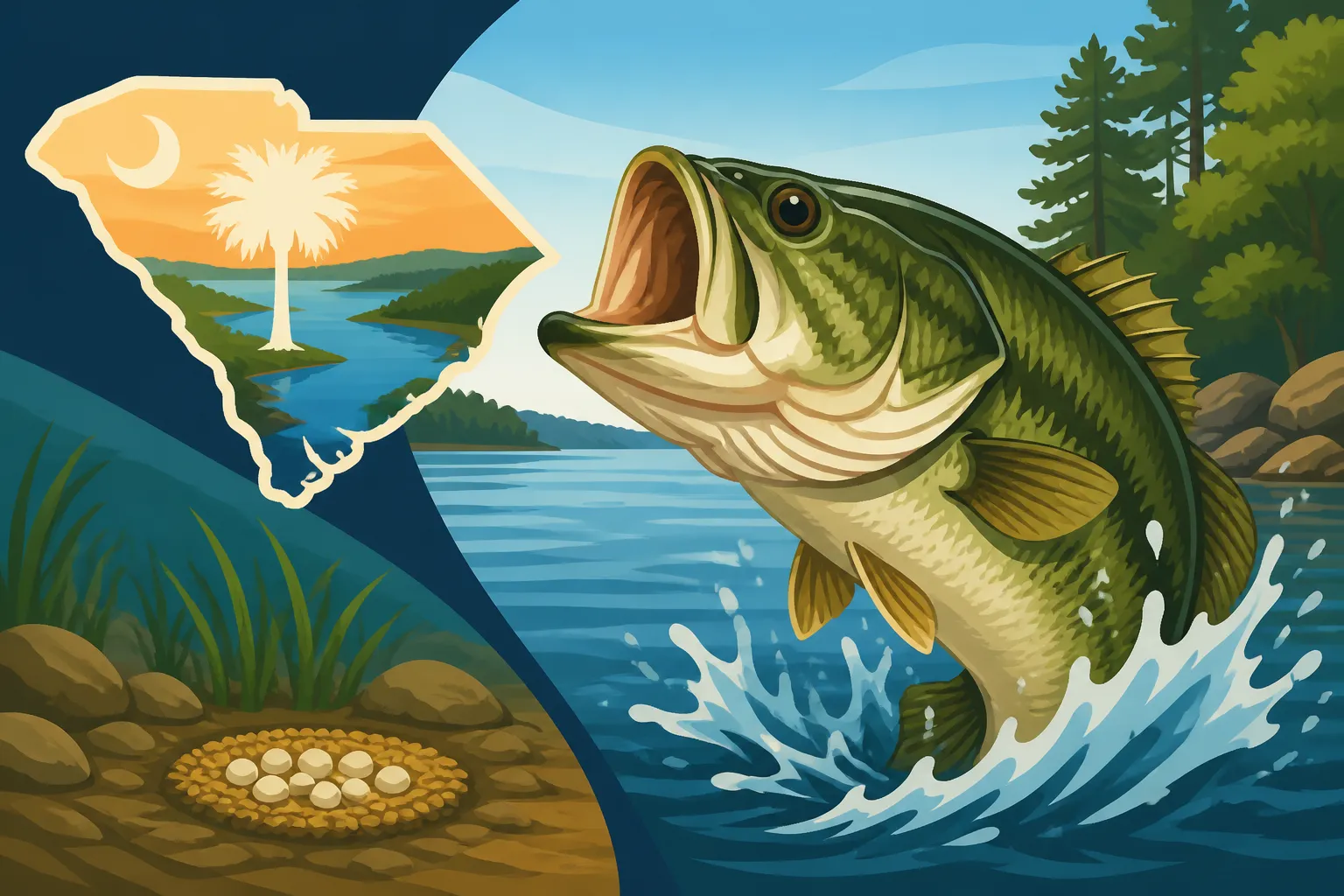
The bass spawn is a magical but fleeting time on Lake Hartwell, marking a period of intense activity as largemouth bass shift from their deeper wintering grounds to the shallows to reproduce. Successfully fishing this window requires more than just luck; it demands a deep understanding of bass behavior, seasonal patterns, and the environmental cues that trigger this annual event. Getting these elements right can make all the difference between a tough day and a truly memorable one.
When Does the Spawn Occur?
The exact timing of the bass spawn on Lake Hartwell is highly dependent on water temperature, which typically ranges between 58 to 68 degrees Fahrenheit. Usually, this window opens up in early to mid-March and can extend through April, sometimes even into early May, depending on the year's weather patterns. A sudden cold snap can halt the process, pushing the fish back into deeper water, only for them to return once temperatures stabilize and begin to climb again.
It's crucial to remember that the spawn doesn't happen all at once across the entire lake. Generally, the shallower, warmer pockets and coves in the mid-lake and lower lake sections will see activity begin earlier. The larger, deeper main lake areas and the cooler, often more stained waters of the upper Tugaloo and Seneca River arms might experience the spawn a bit later. Keep a close eye on those water temperature gauges on your boat, or even a simple hand-held thermometer if you're bank fishing; it's your best friend during this time.
Understanding these temperature triggers is paramount. If you're out on the water and the temps are still in the low 50s, you're likely in the pre-spawn phase, and your tactics should reflect that. If they've jumped well into the 70s, you might be looking at post-spawn bass. Constant monitoring and adaptation are the keys to consistent success.
Pre-Spawn Activity and Locations
Before the bass commit to their beds, they enter a crucial "pre-spawn" phase. During this time, they're typically staging in slightly deeper water, often near the entrances of spawning coves or along main lake points that offer easy access to the shallower flats. They are actively feeding, trying to pack on as much energy as possible for the exhausting process of spawning. This is often when you can catch some of the biggest bass of the year, as they are less territorial and more focused on feeding.
Look for these pre-spawn giants in areas like creek channel bends, submerged points, and around brush piles or rock formations that provide cover and ambush points for baitfish. On Lake Hartwell, popular areas for pre-spawn staging can be found near the mouths of major creeks like Eighteen Mile Creek, Seneca Creek, and the larger coves in the Fair Play and Andersonville regions. These areas act as natural highways for bass moving from deep winter haunts to shallow spawning grounds.
During this stage, bass are often schooling up, making them a fantastic target for power fishing techniques. You might find groups of them congregating in 10-20 feet of water, chasing schools of shad or other baitfish. Transition zones, where hard bottoms meet soft mud, or where deep water suddenly rises to a flat, are also prime real estate for pre-spawn bass, offering them both feeding opportunities and quick retreats.
Prime Spawning Locations on Lake Hartwell
Lake Hartwell, with its vast network of coves, pockets, and diverse shoreline, offers countless potential spawning grounds for largemouth bass. Knowing what to look for and where to focus your efforts can save you a lot of time and lead you directly to where the action is. The key is to think like a bass: where would you want to build a nest that's safe, warm, and protected?
Shallow Coves and Protected Pockets
The most classic spawning grounds on Lake Hartwell are undoubtedly the shallow, protected coves and small pockets off the main lake. Bass prefer areas that are shielded from strong winds and boat traffic, allowing them to build and guard their nests without excessive disturbance. These areas often have a hard bottom, like gravel, sand, or small rocks, which is ideal for a bass bed.
Look for these havens in the backs of larger creeks or in smaller, secondary coves that branch off. Water clarity also plays a significant role; bass typically prefer clearer water to spot predators and potential mates, but they can adapt to slightly stained conditions if the protection and bottom composition are right. Common examples might include the countless little nooks and crannies around the larger islands, or the very shallow, sunny flats tucked into larger bays. These spots warm up faster in the spring, signaling to the bass that it's time to move in.
Within these coves, target specific features like isolated docks, fallen timber, cypress trees, or even large rocks. These provide a visual reference and a bit of overhead cover for the bass guarding their beds. Keep your eyes peeled for subtle changes in bottom color – lighter, circular patches on the bottom often indicate a freshly fanned bed.
Rocky Banks and Submerged Timber
While soft, sandy bottoms in quiet coves are classic, Lake Hartwell's diverse structure means bass also utilize rocky banks and areas with abundant submerged timber for spawning. The Tugaloo River arm and other upstream sections of the lake, known for their rockier shorelines and steeper drops, can also hold spawning bass, particularly the spotted bass population. These areas might warm up a little slower, so the spawn can occur later here.
Bass will often seek out flatter, rocky shelves or even small ledges that provide a stable platform for their beds. Submerged timber, especially old stumps or fallen trees, offers excellent protection and shade, making them highly attractive to spawning fish. These spots can be tougher to fish due to snags, but they often hold some of the biggest and most protective bass. Always be on the lookout for visible cover near shallower water as you motor through these sections.
When fishing these areas, remember that bass might not be as easily visible as they are on open, sandy beds. You'll need to make more precise casts to the edges of cover, bumping your bait off rocks or letting it fall through the branches of submerged trees. A good pair of polarized sunglasses is an absolute must-have for identifying these subtle spots and any lurking bass.
Essential Techniques for Spawning Bass
Fishing the bass spawn isn't a one-size-fits-all endeavor. Different phases of the spawn—pre-spawn, active spawn (on beds), and post-spawn—demand different strategies and lure presentations. Mastering these nuances will significantly increase your chances of success on Lake Hartwell. The key is to observe fish behavior and adjust your approach accordingly.
Sight Fishing for Bedding Bass
Sight fishing for bedding bass is arguably the most exciting, and often the most frustrating, technique during the spawn. It involves visually locating a bass on its bed and then trying to coax it into biting. This technique works best in clear, shallow water where you can easily spot the lighter, fanned-out circular depressions that are bass beds. A good pair of polarized sunglasses, like those you might find on Amazon, is essential for this.
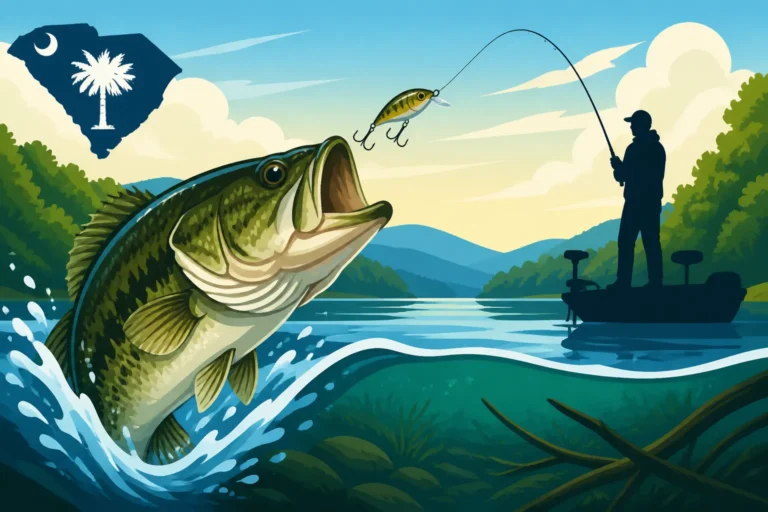
Once you spot a bass on a bed, the approach is usually patient and subtle. Cast your lure (often a soft plastic creature bait, lizard, or jig) beyond the bed, then slowly drag or twitch it into the bed. The goal isn't necessarily to trigger a feeding strike, but to provoke a defensive reaction. The bass isn't hungry; it's protecting its future. Sometimes, a series of casts to different parts of the bed, or even a different lure, can finally push that stubborn fish over the edge. Don't be afraid to leave and come back later if a fish is particularly finicky.
A common frustration is when a bass will repeatedly nudge or pick up the lure without fully committing. This is a sign of extreme territoriality. Try different retrieve speeds, subtle twitches, or even letting the bait sit motionless on the bed for extended periods. Sometimes, switching to a more "offensive" color, like white or chartreuse, can trigger that final, angry strike. Remember to make sure you have your South Carolina Fishing License Guide in order before you start your day!
Targeting Pre-Spawn and Post-Spawn Bass
While sight fishing for bedded fish is popular, many anglers find more consistent success by targeting pre-spawn and post-spawn bass, which are often more aggressive feeders.
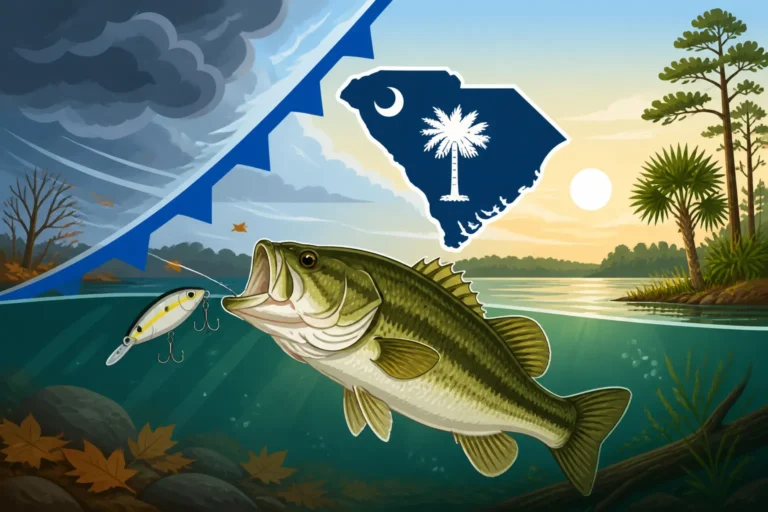
For pre-spawn bass, which are actively gorging themselves before the spawn, power fishing techniques shine. Think crankbaits, jerkbaits, spinnerbaits, and bladed jigs. These lures cover a lot of water quickly and mimic fleeing baitfish, triggering aggressive reaction strikes from bass looking for a big meal. Focus on those staging areas: creek mouths, points, and sudden depth changes leading into spawning flats. Fish these baits with confidence and at a good clip, as these fish are ready to chase. You might want to stock up on some of these versatile baits, many of which are readily available through retailers like Amazon.
Post-spawn bass, on the other hand, are often exhausted and recuperating. They'll typically move to slightly deeper water near the spawning areas but won't be as aggressive as pre-spawners. Slower, more subtle presentations are often the ticket. Weightless worms, shaky heads, finesse jigs, or even a slow-rolled swim jig can be effective. These fish might be holding around submerged brush, docks, or other cover, recovering their energy. They're still catchable, but require a more delicate touch.
Recommended Baits and Lures
Choosing the right bait can be a game-changer during the spawn. For sight fishing bedding bass, soft plastics that mimic crawfish, lizards, or small baitfish are incredibly effective.
- Soft Plastic Creature Baits & Lizards: Brands like Zoom's Brush Hog or Strike King's Rage Tail line are popular choices. Their appendages provide lots of action with minimal movement, often irritating bass into striking. Green pumpkin, watermelon red, and natural crawfish colors are go-to options.
- Jigs: A finesse jig with a small craw trailer can be deadly. Skipping it under docks or pitching it precisely onto a bed allows for a subtle presentation. Black and blue, brown, or green pumpkin are versatile colors.
- Weightless Worms/Senkos: A weightless, wacky-rigged Senko or similar stick bait has an irresistible shimmy on the fall, making it a classic for enticing bedded fish or weary post-spawners.
For pre-spawn and actively feeding fish, consider these:
- Crankbaits: Medium-diving crankbaits in shad or crawfish patterns are excellent for bumping off structure in staging areas. The deflection can trigger fierce strikes.
- Jerkbaits: Suspending jerkbaits worked with a twitch-twitch-pause retrieve can be deadly when bass are suspended off points or in cooler, clearer water. The longer pause can be key.
- Spinnerbaits & Bladed Jigs: For covering water quickly, especially in stained conditions or around emergent vegetation, these vibrating lures are fantastic for drawing reaction strikes. White, chartreuse, and white/chartreuse combos are traditional favorites.
Reading the Water and Conditions
Successful bass fishing during the spawn on Lake Hartwell isn't just about throwing the right lure; it's about understanding how the environment influences bass behavior. The lake is a dynamic ecosystem, and conditions can change rapidly, forcing anglers to constantly adapt their strategies. Knowing how to read the water and current weather patterns will give you a significant advantage.
Water Temperature and Clarity
As we've touched on, water temperature is the ultimate trigger for the bass spawn. The ideal range is consistently above 58 degrees Fahrenheit. If temperatures drop below this, bass will often pull back to deeper water, seeking stable conditions. Conversely, if the water gets too warm (approaching 70-75 degrees), many bass will have already moved into their post-spawn recovery phase. Continually monitoring your water temperature will tell you if you're in the pre-spawn, active spawn, or post-spawn window.
Water clarity also plays a crucial role. In clearer water, sight fishing for bedding bass is much easier, and you might find bass building nests in slightly deeper areas where they feel less exposed. Here, more natural bait colors and subtle presentations are often best. Conversely, in stained or muddy water, sight fishing becomes impossible. You'll need to rely on feel and sound, using louder, more vibrant lures like spinnerbaits or bladed jigs in chartreuse or white, or perhaps a black and blue jig, which creates a strong silhouette. Bass in stained water often spawn in shallower areas, closer to the surface, as sunlight penetrates less deeply.
Always adjust your retrieve speed and lure selection based on clarity. If the water's murky, slow down and use baits that displace more water or have strong vibrations. In crystal-clear conditions, scale down your line size and use lighter, more natural-looking presentations. This constant adjustment is what separates average anglers from truly successful ones.
Weather Patterns and Their Impact
Mother Nature has a huge say in how the bass spawn unfolds, and understanding her moods is key to predicting fish behavior.
- Warm Fronts: A period of stable, warm weather leading up to and during the spawn is an angler's dream. It steadily raises water temperatures, encourages bass to move shallow, and keeps them actively on their beds. During these periods, bass are generally more predictable and aggressive.
- Cold Fronts: These are the spawn's biggest nemesis. A sudden drop in air temperature, especially after a period of warmth, can send bass scrambling back to deeper water. When this happens, they become lethargic and extremely difficult to catch. Your best bet after a cold front is to target those deeper staging areas with slower, more subtle baits. It might take a few days for them to recover and move back shallow.
- Wind: Wind can be a double-edged sword. A light, consistent breeze can be beneficial, creating a chop on the water that makes bass feel more secure and less wary, and also makes it harder for them to see you. However, strong winds can make boat control difficult, stir up mud, and push cooler surface water into spawning areas, potentially disrupting the spawn. On windy days, try to find protected coves or leeward banks where the water is calmer.
Paying attention to the extended weather forecast can help you plan your fishing trips strategically. Knowing when a cold front is coming, for instance, might encourage you to hit the lake hard in the days before it arrives, rather than struggling through a post-front slowdown.
Ethical Angling During the Spawn
While the bass spawn is an incredible time for catching big fish, it's also a critical period for the species' reproduction. As responsible anglers, we have a vital role to play in ensuring the health and sustainability of Lake Hartwell's bass population for generations to come. This means practicing ethical angling techniques that minimize stress on spawning bass and adhere to all local regulations.
Minimizing Stress on Spawning Bass
When you're sight fishing for bedding bass, remember that these fish are highly vulnerable. They are focused on guarding their eggs and fry, making them aggressive towards anything that approaches their nest, including your lure. While it's tempting to try and catch every bedded fish you see, consider the impact.
- Limit Your Time: If you catch a bass off its bed, try to release it as quickly as possible. The longer a bass is away from its nest, the more vulnerable its eggs and fry become to predators like bluegill, crappie, or even other bass.
- Handle With Care: Always handle bass gently, supporting their weight, and avoid touching their eyes or gills. Minimize their time out of the water, especially for those larger females.
- Consider "Leaving Them Be": Sometimes, the most ethical choice is to simply observe the bass on their beds and move on. There are plenty of actively feeding pre-spawn and post-spawn fish that are less critical to the reproductive cycle to target. Remember, fishing without a valid license can lead to Penalties for Fishing Without a License in South Carolina, so always have yours handy.
By practicing responsible catch-and-release and showing respect for the spawning process, we contribute to the long-term health of Lake Hartwell's fishery, ensuring that future generations of anglers can experience the thrill of the bass spawn.
Understanding South Carolina Regulations
Before you even launch your boat or cast a line, it is absolutely imperative that you are familiar with and adhere to all South Carolina Department of Natural Resources (SCDNR) fishing regulations. These rules are in place to protect the fishery and ensure its sustainability. Not knowing the rules is no excuse, and wardens patrol Lake Hartwell regularly.
For bass on Lake Hartwell, this includes understanding current bag limits and size restrictions. These regulations can change, so it's always a good idea to check the latest SCDNR guidelines before your trip. For instance, the general statewide daily creel limit for largemouth bass is 10 fish per person. There might also be specific size limits, such as a minimum length, which can sometimes vary by water body. For comprehensive details on general requirements, you can always refer to the South Carolina Fishing License Requirements in South Carolina guide.
Additionally, remember that you need a valid South Carolina Fishing License Guide to fish Lake Hartwell. This applies to both residents and nonresidents, with certain age exemptions for kids. Ensure your license is current and on your person (or easily accessible digitally) at all times while fishing. Adhering to these regulations not only keeps you out of trouble but also demonstrates your commitment to responsible angling practices that protect Lake Hartwell's precious resources.
Spring Bass Spawn Baits & Techniques for Lake Hartwell
| Spawn Phase | Recommended Baits | Presentation Style | Key Tip |
|---|---|---|---|
| Pre-Spawn | Crankbaits (medium-diving), Jerkbaits, Spinnerbaits, Bladed Jigs | Aggressive, fast retrieve, covering water | Focus on staging areas like points and creek mouths near flats. |
| Active Spawn | Soft Plastic Creature Baits, Lizards, Jigs, Weightless Worms | Slow, subtle twitches, target the bed directly | Provoke a defensive strike, not a feeding strike. Patience is key. |
| Post-Spawn | Weightless Worms, Shaky Heads, Finesse Jigs, Small Swimbaits | Slower, more delicate, around recovery cover | Target slightly deeper cover near spawning areas; bass are recovering. |
Disclaimer
The information provided in this guide is for general informational purposes only and is subject to change. Fishing regulations, conditions, and fish behavior can vary. Always consult the official South Carolina Department of Natural Resources (SCDNR) website or publications for the most current and accurate regulations before engaging in any fishing activities. Adherence to all local, state, and federal laws is the responsibility of the angler.