Fishing Techniques After Heavy Rain
It’s a common story in South Carolina: you plan a perfect fishing trip, maybe to Lake Murray or the lowcountry estuaries, only for a torrential downpour to wash away your hopes of clear skies and calm waters. Many anglers simply pack up and go home, convinced the fishing will be terrible. But what if I told you that heavy rain, far from ruining your day, can actually open up incredible fishing opportunities if you know how to adapt your techniques? This guide will dive deep into specialized strategies and gear adjustments to help you land fish when the waters are high and muddy after a serious rain event.
Understanding the Impact of Heavy Rain on Fish Behavior
When heavy rain sweeps across South Carolina, it doesn't just make things wet; it fundamentally changes the aquatic environment. Rivers swell, lake levels rise, and coastal estuaries become a mix of freshwater runoff and saltwater. Understanding how these changes affect fish behavior is the first step to turning a washout into a successful fishing trip. Fish don't just disappear; they react to these shifts, often moving to new areas or altering their feeding patterns.
How Water Levels and Clarity Shift After Rainfall
Heavy rain introduces a cascade of changes to the water itself. For starters, water levels often rise dramatically, especially in rivers and lakes. This influx of water can create new currents, flood shoreline vegetation, and expand the overall fishable area. Along with increased volume comes decreased clarity. The rain washes sediment, dirt, and organic matter from the land into the water, turning crystal-clear streams into murky, coffee-colored flows. This sudden drop in visibility forces fish to rely less on sight and more on other senses, like their lateral line and scent.
Think about a small creek emptying into Lake Marion. Before the rain, it might be a trickle, hardly noticeable. After a heavy storm, it transforms into a gushing torrent, carrying all sorts of debris and nutrients. This sudden influx acts like a dinner bell for many species. Similarly, along the coast, heavy rain can create distinct freshwater plumes extending miles offshore, significantly impacting salinity and water temperature in the nearshore environment. Anglers who understand these shifts can predict where fish will congregate and what they’ll be looking for.
Fish Movement and Feeding Adjustments
The changes in water level and clarity directly influence where fish decide to hang out and what they're willing to eat. Many species, particularly predatory fish, will follow the new influx of water and food. In freshwater lakes and rivers, this often means moving into newly flooded shallow areas, leveraging the cover of submerged grass or brush. They'll also seek out current breaks behind obstacles where they can expend less energy while waiting for dislodged prey to drift by.
Their feeding habits change too. With reduced visibility, visual hunters like bass might become less effective, but species that rely on scent or vibration, such as catfish or some types of panfish, can thrive. They're no longer scanning for a meal; they're smelling it, feeling the vibrations of something moving past them. This is why certain baits and lure types become exceptionally effective after a rain event. It’s all about capitalizing on their adapted senses and instincts. For a deeper dive into these environmental shifts, check out our guide on South Carolina Fishing Seasons Guide.
Adapting Your Approach for Freshwater After a Deluge
Freshwater systems in South Carolina, from the sprawling Santee Cooper Lakes to smaller rivers like the Edisto, respond uniquely to heavy rainfall. Anglers need to adjust their tactics drastically to match the conditions. The good news is that these post-rain periods can offer some of the most exciting and productive fishing, especially for certain species.
Targeting Inflow Areas and Current Breaks
One of the most crucial strategies after heavy rain is to focus on inflow areas. These are the spots where creeks, ditches, or even culverts drain rainwater into a larger body of water like a lake or river. This incoming water carries nutrients, small baitfish, worms, insects, and other food sources that get washed off the land. This creates a natural buffet line for fish. Bass, crappie, and catfish will often stack up in these areas, eagerly awaiting an easy meal.
When you approach an inflow, look for current breaks. These are places where the main flow of water is interrupted by a submerged log, a rock pile, a point, or even a slight bend in the bank. Fish don't want to fight the current constantly, so they'll position themselves just out of the main flow, in a calmer eddy, ready to dart out and grab whatever drifts by. Try casting your bait or lure upstream of these current breaks and allowing the flow to carry it naturally into the strike zone. This mimics the food sources that are being washed in. On Lake Murray, for example, after a strong rain, targeting the mouths of tributaries or feeder creeks where they enter the main lake can be incredibly productive for striped bass. Learn more about specific lake techniques in our Lake Murray Fishing Guide for South Carolina Anglers.
Fishing Submerged Structures and Flooded Cover
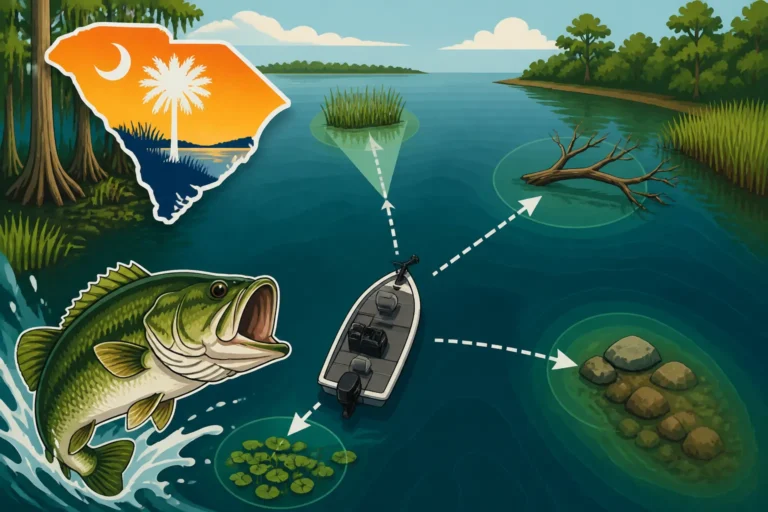
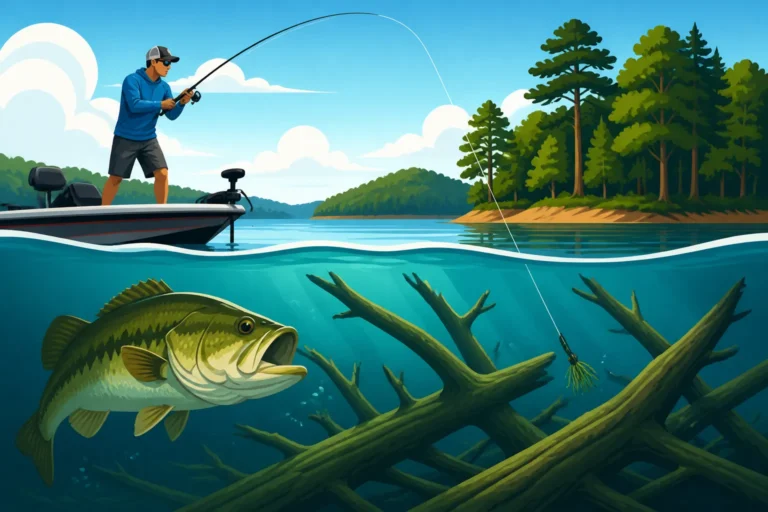
Rising water levels after heavy rain mean that areas previously dry or only partially submerged are now under several feet of water. This creates new habitat and cover for fish, particularly in lakes and reservoirs. Shoreline brush, docks, trees, and even grassy areas become prime hiding and ambush spots. Largemouth bass, in particular, love to move into this newly flooded cover. They feel secure there and can ambush prey that might also be seeking refuge or food.
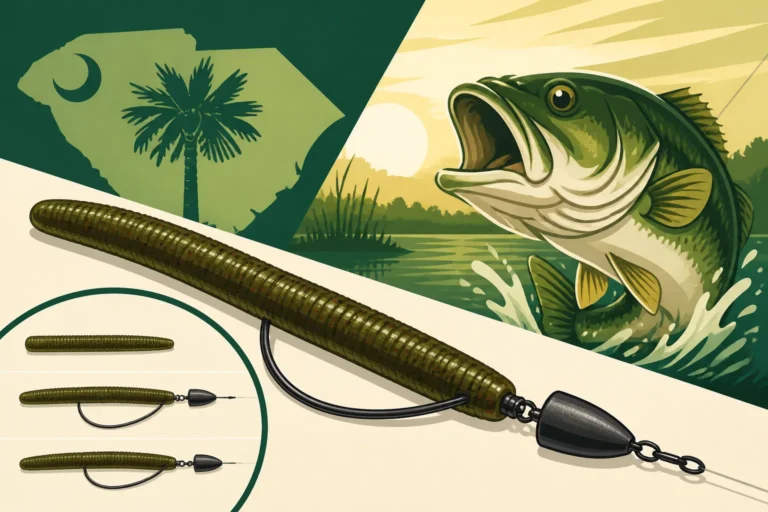
When fishing these areas, you'll want to use weedless setups or lures that can be worked through snags without getting hung up. Flipping and pitching jigs or Texas-rigged soft plastics into flooded bushes and trees can be highly effective. The key is to get your bait right into the heart of that cover, where the fish are hiding. Don't be afraid to put your lure in places that might seem too thick; that's often exactly where the fish are. After all, the challenge of snagging is a small price to pay for landing a trophy fish.
Best Lures and Baits for Stained Freshwater
In muddy, stained freshwater, visibility is severely limited, which means fish rely more on sound, vibration, and scent. Bright colors and baits that create a lot of commotion are often winners.
| Species | Recommended Lure/Bait | Key Characteristics |
|---|---|---|
| Largemouth Bass | Spinnerbaits, Chatterbaits, Dark-colored Jigs, Worms | Vibration, Flash, Profile, Scent |
| Striped Bass | Rattling Crankbaits, Large Swimbaits, Live Herring | Strong Vibration, Large Profile, Natural Scent |
| Catfish | Cut Bait (shad, bream), Stink Baits, Nightcrawlers | Strong Scent, Natural Food Source |
| Crappie | Bright-colored Jigs (chartreuse, orange), Minnows | Visual Attraction (color), Subtle Movement, Scent |
| Bream/Panfish | Worms, Crickets, Small Jigs | Scent, Natural Food Source, Small Profile |
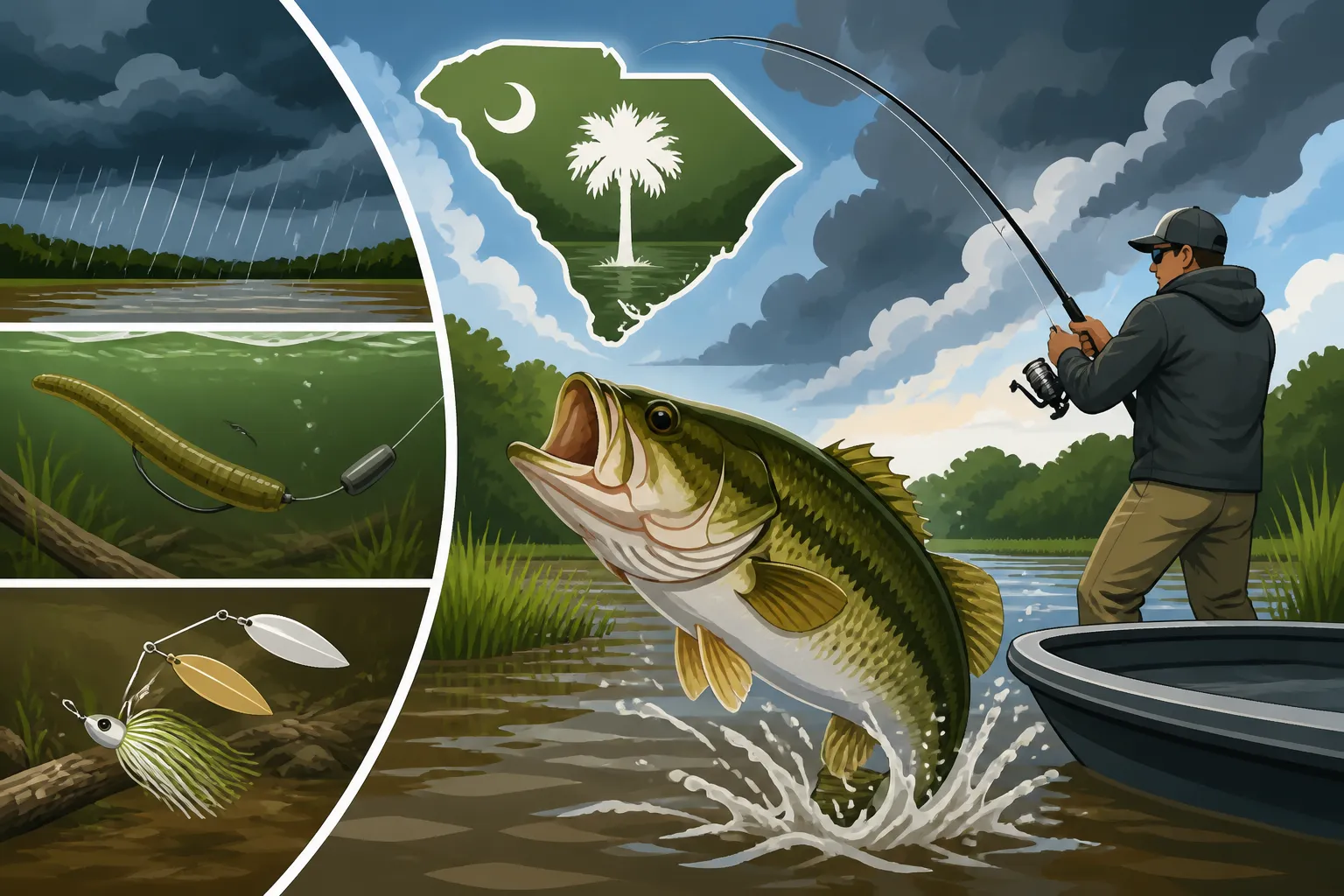
For bass, consider throwing spinnerbaits with large, thumping blades that create a lot of vibration, or chatterbaits that send out a unique rattling pulse. Darker colors like black and blue or junebug often create a better silhouette in murky water than lighter, natural colors. For a vast selection of these baits, you can usually find a good variety on Amazon, often at competitive prices. Live bait, like shiners or worms, also becomes incredibly effective because of the natural scent trail they leave. Catfish, already highly dependent on scent, will be on high alert for strong-smelling baits like cut shad or commercial stink baits. Even for crappie, while often sight feeders, bright chartreuse or orange jigs with a slow retrieve can stand out in the murk. For more bait ideas, check out our guide on Best Lures for Largemouth Bass in Muddy Water.
Tackling Saltwater Fishing Post-Rainfall
Saltwater environments, particularly the estuaries and nearshore waters of South Carolina, react differently to heavy rain than purely freshwater systems. The influx of freshwater can dramatically change salinity, temperature, and current patterns, leading to unique fishing opportunities. Coastal anglers who understand these dynamics can often find success where others fail.
Focusing on Estuary Runoff and Creek Mouths
Just like in freshwater, estuary runoff and the mouths of creeks become prime targets after heavy rains. However, the dynamics are a bit different here. The freshwater flowing into the brackish estuaries creates a distinct "tannin line" or current break where the murkier, less saline water meets the clearer, more saline bay or ocean water. Many popular inshore species like redfish and spotted seatrout will congregate along these lines. They might be ambushing baitfish flushed out of the creeks, or simply enjoying the slight temperature and salinity variations.
Consider areas like Murrells Inlet or the creeks around Mount Pleasant. After a significant rain, the smaller feeder creeks will be pumping freshwater into the main channels. Fishing the edges of these freshwater plumes, especially on an outgoing tide, can be incredibly productive. The key is to identify where this transition zone occurs. Often, you can see the color change in the water. Cast your lures or baits right along that seam, allowing them to drift from the murky water into the clearer water or vice-versa. This is where predator and prey often meet.
Nearshore Opportunities After a Storm
Heavy rain doesn't just impact estuaries; it can also create exciting opportunities in the nearshore ocean waters. Large amounts of freshwater runoff from rivers like the Cooper or Santee can form expansive freshwater plumes that extend several miles offshore, especially near the river mouths. While this might seem counterintuitive for saltwater fishing, these plumes often carry an abundance of nutrients and terrestrial insects, which attract baitfish. In turn, larger predatory species like redfish, flounder, and even some migratory species can be found feeding along the edges of these plumes.
Anglers targeting nearshore species should look for these visible "dirty water" lines. Often, you'll find clearer, saltier water on one side and murky, less saline water on the other. Fishing the transition zone, particularly when there's a good current, can be highly effective. Drifting live baits or casting artificials like soft plastics or spoons along these edges can yield surprising results. Also, consider areas around jetties, piers, and nearshore reefs that are still influenced by the changing water conditions. Remember to always be aware of regulations, such as South Carolina Redfish Slot Limit Rules, which might impact your catch.
Selecting Baits for Post-Rainfall Saltwater
Similar to freshwater, stained saltwater calls for baits and lures that rely on senses other than sight. Scent and vibration are paramount. Live bait is almost always a superior choice in dirty water because of its natural scent and movement. Live shrimp, mud minnows, or small finger mullet are excellent options for redfish, spotted seatrout, and flounder. They release a strong scent trail and their natural wiggling motion creates irresistible vibrations.
If you're using artificials, opt for soft plastics with added scent, or those infused with attractants like Pro-Cure or Gulp!. Larger profiles and vibrant colors like chartreuse, electric chicken, or even dark purples can stand out better in murky water. Jigs with noisy rattles, or those paired with soft plastics that have strong vibrating tails, are also highly effective. Consider using a popping cork with a scented soft plastic or live shrimp underneath; the popping action calls attention to your bait in conditions where sight is limited. When stocking up on your favorite scented baits or bright soft plastics, don't forget that online retailers like Amazon offer a wide array of choices for South Carolina anglers.
Gear and Bait Adjustments for Muddy Waters
Successfully fishing after heavy rain isn't just about finding the fish; it's also about presenting your offerings in a way they can find and are willing to strike. This often means making specific adjustments to your tackle, baits, and presentation.
Utilizing Scent and Vibration
As we've touched on, scent and vibration become your best friends in muddy water. Fish use their lateral line to detect vibrations in the water, and their olfactory senses (smell) become crucial for locating food.
Scent:
- Live Bait: This is the ultimate scent provider. Live shrimp, minnows, worms, or cut bait (like shad or bream) continuously release natural pheromones and odors that attract fish from a distance.
- Scented Artificials: Many soft plastics come pre-scented, like those from Berkley Gulp! or Z-Man ElaZtech baits. If your lures aren't scented, consider adding commercial scent attractants. Brands like Pro-Cure, Fishbites, or even simple garlic spray can be game-changers. Apply them liberally and reapply frequently.
- Marinated Baits: Some anglers pre-soak their soft plastics in a strong scent solution for a day or two before fishing. This allows the scent to deeply penetrate the lure, providing a longer-lasting aroma.
Vibration:
- Spinnerbaits and Chatterbaits: These lures are kings in stained water due to their intense vibration and flash. The blades on spinnerbaits thump and flash, while chatterbaits have a unique, erratic vibration that fish can feel from afar.
- Rattling Lures: Crankbaits, lipless crankbaits, and even some jigs come equipped with internal rattles. These create audible sound waves that travel well through murky water, alerting fish to their presence.
- Soft Plastics with Action: Choose soft plastics with larger paddle tails, curly tails, or ribbed bodies that displace more water and create more vibration as they move. A slow, steady retrieve can maximize this effect. You can find a huge selection of these lures on Amazon, allowing you to experiment with different sizes and actions.
Heavier Tackle and Line Choices
Heavy rain often means stronger currents, especially in rivers and near inflow areas. To combat this and keep your bait in the strike zone, you'll need to beef up your tackle.
- Heavier Weights/Sinkers: You'll likely need heavier jig heads or slip sinkers to get your bait down to where the fish are holding in stronger currents. Don't be afraid to go up a size or two from what you'd normally use. If your bait isn't reaching the bottom or is getting swept away too quickly, it's not going to catch fish.
- Stronger Rods: A medium-heavy to heavy action rod will give you the backbone needed to cast heavier lures and weights, as well as to fight larger fish in current or pull them out of thick, flooded cover.
- Braided Line: Braided line has several advantages in dirty water conditions. It has virtually no stretch, which gives you better sensitivity to feel subtle bites that might be masked by the current or debris. Its thinner diameter for its strength also cuts through the water better, reducing drag from the current. Furthermore, its abrasion resistance can be a huge asset when fishing around flooded branches and snags. While mono or fluorocarbon might still be preferred in certain situations, braided line is a strong contender for post-rain fishing.
Opting for Brighter and Darker Lure Colors
When it comes to lure color in muddy water, it might seem counterintuitive, but both very bright and very dark colors tend to perform best.
- Bright Colors: Fluorescent colors like chartreuse, neon orange, hot pink, or electric chicken stand out significantly in murky water because they absorb and reflect what little light is available, creating a strong visual presence. These colors are often effective for species like crappie, trout, and even redfish.
- Dark Colors: Dark colors like black, blue, purple, or junebug create a clear silhouette against the water's surface, even in extremely stained conditions. Fish looking up at the lure will see a distinct shape rather than a blending color. Imagine looking at a dark object against a cloudy sky – it stands out. This is particularly effective for bass. Often, combining a dark body with a brightly colored tail (like a black and blue jig with a chartreuse tip) can offer the best of both worlds.
The general rule is to avoid "natural" or translucent colors that would blend in with clearer water. When the water is muddy, you want your lure to scream "I'm here!" to the fish.
Safety First: Essential Considerations After Heavy Rain
Fishing after heavy rain can be incredibly rewarding, but it also presents unique hazards that demand extra caution. Safety should always be your top priority, whether you're on a boat or casting from the bank.
Navigating Debris and Stronger Currents
One of the most immediate dangers after heavy rainfall, especially in rivers and larger lakes, is the abundance of debris in the water. Logs, branches, trash, and even entire trees can be washed into the main channels, creating significant navigation hazards for boaters.
- Boating Safety: If you're using a boat, proceed with extreme caution and at reduced speeds. Designate a lookout to constantly scan the water ahead for debris. Submerged logs can cause serious damage to your propeller or hull, and hitting them at high speeds can lead to dangerous situations. Avoid traveling at night if possible, as visibility will be even more limited. Ensure all navigation lights are functional.
- Current Awareness: Rivers and inflow areas will have significantly stronger currents. This can make boat control difficult and create dangerous situations, especially if you're not familiar with the waterway. Always be aware of your surroundings and understand how the current might affect your boat's movement or your ability to retrieve a fish. In some cases, waiting a day or two for the currents to subside slightly might be the safest option.
- Bank Fishing Safety: Even from the bank, strong currents can be dangerous. Be cautious when wading, as the bottom might be unstable or the current stronger than anticipated. Avoid steep, slippery banks that could give way.
Checking Water Quality and Conditions
Heavy rain doesn't just bring debris; it can also introduce pollutants and increase bacterial levels in the water, particularly in areas near urban runoff or agricultural lands.
- Pollution Concerns: Runoff can carry chemicals, pesticides, and other contaminants into waterways. While fish generally aren't immediately affected, direct skin contact with heavily polluted water can pose health risks. Always wash your hands thoroughly after handling fish or gear, especially before eating.
- Bacterial Contamination: Heavy rainfall can sometimes overwhelm wastewater treatment systems, leading to overflows into rivers and coastal waters. This can elevate levels of harmful bacteria. Areas with posted advisories for swimming or shellfishing should generally be avoided for fishing, or at least, any fish caught there should be thoroughly cooked. Checking local news or environmental agency websites for water quality advisories is always a good idea.
- Water Temperature and Oxygen: While less common, extreme rainfall can sometimes lead to rapid changes in water temperature and oxygen levels, particularly in smaller, shallower bodies of water. These changes can stress fish, making them less likely to bite.
Being Prepared with Essential Safety Gear
No matter where you're fishing after a storm, being prepared with the right safety gear is non-negotiable.
- Personal Flotation Devices (PFDs): Everyone on a boat should wear a PFD, especially when navigating uncertain waters.
- Communication Device: A fully charged cell phone in a waterproof case, or a marine radio, is essential for calling for help in an emergency.
- First-Aid Kit: Minor injuries are more likely when navigating slippery banks or dealing with debris. A well-stocked first-aid kit is crucial.
- Whistle or Air Horn: For signaling for help if you're in distress.
- High-Visibility Clothing/Rain Gear: Not only will this keep you dry, but bright colors can also make you more visible to other boaters or rescuers. You can find excellent, durable options for high-visibility rain gear on Amazon.
- Anchor and Rope: If boating, a reliable anchor can prevent you from being swept into dangerous situations by strong currents.
- Sun Protection: Even on cloudy, rainy days, UV rays can still be intense. Don't forget sunscreen, a wide-brimmed hat, and polarized sunglasses.
- Hydration: Bring plenty of water, as physical exertion in humid post-rain conditions can lead to dehydration.
Always inform someone of your fishing plans – where you're going and when you expect to return. This "float plan" is a simple but incredibly effective safety measure. For a general overview of safety, see our article on South Carolina Fishing License Guide, as some safety measures are linked to licensing.
Post-Rainfall Fishing: Species-Specific Strategies
Different fish species react to heavy rainfall in various ways. Understanding these specific behaviors can help you tailor your approach for maximum success.
Largemouth Bass: Leveraging New Cover and Forage
For many largemouth bass anglers in South Carolina, a post-rain situation can be a goldmine. Bass are opportunistic predators, and the new conditions often create ideal ambush points and an influx of food.
- Key Areas: Focus on newly flooded shoreline vegetation, fallen trees, brush piles, and the mouths of feeder creeks. Bass will often move shallow, leveraging the increased cover and the abundance of worms, insects, and baitfish washed in from land.
- Techniques: Flipping and pitching jigs (especially black and blue or junebug) or Texas-rigged soft plastics (like worms or creature baits) into dense cover is highly effective. Slowly work these baits through the submerged wood and grass. Spinnerbaits and chatterbaits are also excellent for covering water and triggering reaction strikes in stained conditions. Don't forget to use a slow, steady retrieve.
- Bait Tip: Consider using larger profile baits than usual. In muddy water, a bigger silhouette makes it easier for bass to locate your offering. Live shiners or crawfish, if available, can also be irresistible. For more detail, check out our guide on Bass Fishing Techniques for Muddy Water After Rain.
Catfish: Following the Scent Trail
Catfish are arguably one of the best species to target after heavy rain. Their superior sense of smell and preference for murky water make them perfectly adapted to these conditions.
- Key Areas: Focus on the main river channels, deep holes, and especially the mouths of tributaries and ditches where runoff enters the river or lake. Catfish will follow the scent trails of washed-in food and the general current flow.
- Techniques: Bottom fishing with cut bait is the most effective method. Use a Carolina rig or a three-way swivel rig with a heavy sinker to keep your bait on the bottom in the current. Chicken livers, shad, bream, or even commercial stink baits are excellent choices. Jug fishing or trotline fishing can also be highly productive if regulations allow.
- Bait Tip: The fresher and smellier the bait, the better. Cut bait from oily fish like shad or mullet works wonders. Ensure your bait is securely hooked, as catfish can be quite aggressive feeders. Learn more about specific techniques in our How to Catch Catfish After Heavy Rain article.
Redfish and Spotted Seatrout: Lowcountry Adjustments
In the saltwater estuaries of South Carolina, redfish and spotted seatrout respond to rain in ways that savvy anglers can exploit.
- Key Areas: Look for redfish in the shallowest, muddiest parts of the marsh, particularly around oyster beds and flooded spartina grass. They'll be rooting around for displaced crabs, shrimp, and worms. Spotted seatrout will often position themselves at the edges of freshwater runoff plumes, ambush points, and creek mouths, where baitfish are concentrated.
- Techniques for Redfish: Casting weedless gold spoons, scented soft plastics (dark colors or bright chartreuse), or live mud minnows/shrimp into flooded grass flats can be very productive. The key is a slow, methodical retrieve. Low tide after a heavy rain can also be good as redfish might be trapped in depressions, feeding aggressively.
- Techniques for Spotted Seatrout: Use popping corks with live shrimp or scented soft plastics. Cast along the edges of the dirty water lines and work the cork to create sound. suspending a jig or soft plastic under a float is also effective, allowing the current to carry the bait naturally.
- Bait Tip: Live shrimp are a universal favorite for both species. For artificials, consider Gulp! shrimp or swimming mullet imitations, especially those in brighter or darker colors.
Crappie: Adapting to Murky Conditions
Crappie can be a bit more challenging in muddy water but are certainly catchable with the right approach.
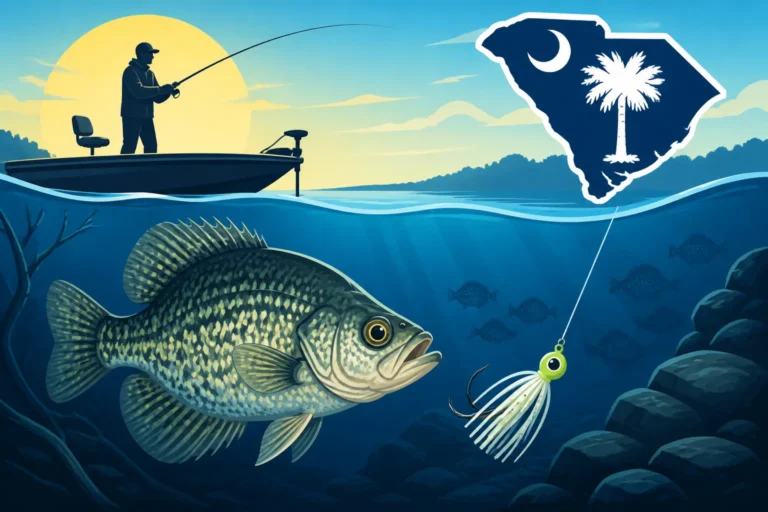
- Key Areas: Crappie will often move to vertical structures that provide a distinct edge in the murky water, like bridge pilings, deep docks, or standing timber. They may also concentrate at the mouths of creeks, similar to bass, to feed on washed-in insects and baitfish.
- Techniques: Slow trolling with small, bright-colored jigs (chartreuse, pink, orange) or live minnows is often effective. Spider rigging multiple poles allows you to cover different depths and presentations. In specific structures, vertical jigging or dipping a minnow directly into the cover can entice strikes.
- Bait Tip: Live minnows are hard to beat in these conditions, as their natural movement and scent are very appealing. If using jigs, use ones with a lot of movement in the tail and consider adding a drop of crappie attractant.
Sunfish and Panfish: Simple Pleasures
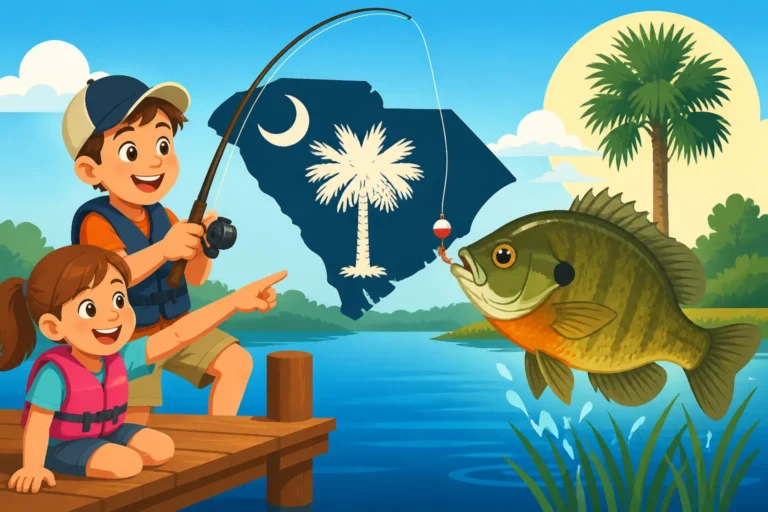
Don't overlook the simple joy of catching sunfish and other panfish after heavy rain. They are often less affected by murky conditions and can provide consistent action, especially for beginners or kids.
- Key Areas: Focus on the edges of flooded vegetation in smaller ponds, lakes, or slow-moving creeks. Panfish will often move into these areas to feed on worms and insects that have been dislodged by the rain.
- Techniques: A simple bobber-and-worm setup is often all you need. Crickets, small pieces of corn, or even tiny jigs can also work. Cast close to cover and watch for that bobber to dip!
- Bait Tip: Red worms, nightcrawlers, and crickets are irresistible to most panfish. Keep your presentation simple and light.
Remember, fishing after heavy rain is all about being observant, adapting, and embracing the challenge. The fish are still there, they're just playing by a new set of rules.
Disclaimer
Fishing conditions and regulations in South Carolina can change rapidly. Always consult the latest rules and advisories from the South Carolina Department of Natural Resources (SCDNR) before heading out. This guide provides general information and should not replace official regulations or personal judgment regarding safety.