Fishing Spots Close to Downtown Greenville
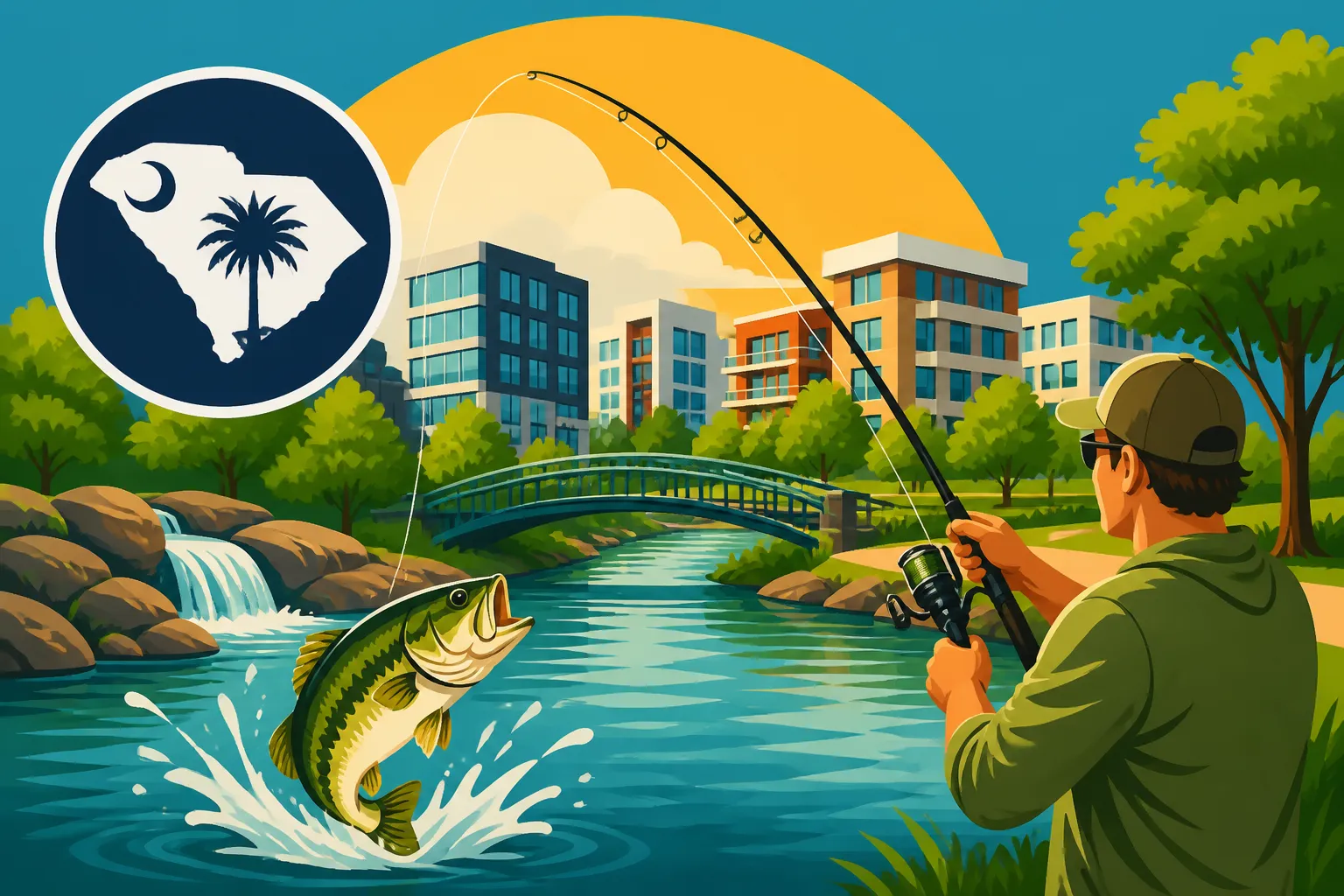
You're in downtown Greenville, surrounded by vibrant city life, but the urge to cast a line is calling. It's a common frustration for urban dwellers – wanting to wet a line without a long drive, searching for those peaceful fishing spots that are surprisingly close to the hustle and bustle. This guide is all about revealing those hidden angling gems and practical advice for fishing right on the doorstep of downtown Greenville, South Carolina.
The Allure of Fishing Near Downtown Greenville
Greenville might be known for its stunning falls and lively Main Street, but what many don't realize is just how accessible quality fishing can be right outside the city limits. There's a certain magic to being able to leave the urban landscape, drive just a few minutes, and find yourself in a tranquil setting where the only sounds are the rustling leaves and the splash of a rising fish. It offers a quick escape, a way to decompress and reconnect with nature without sacrificing an entire day to travel.
This convenience is a huge draw for busy individuals or families looking for a spontaneous outing. You don't need a massive boat or a full weekend dedicated to a far-flung adventure. Many of these close-to-home spots are perfect for bank fishing, kayaking, or even launching a small jon boat, making them incredibly versatile for different styles and experience levels.
Why Greenville is a Hidden Gem for Anglers
Greenville, nestled in the Upstate region of South Carolina, benefits from a unique blend of topography and freshwater resources. The area is dotted with smaller lakes, rivers, and ponds fed by mountain runoff, creating diverse habitats for a variety of freshwater species. While not as famous as the massive Santee Cooper Lakes for fishing, the local waters offer a more intimate and often less crowded experience, perfect for a peaceful afternoon.
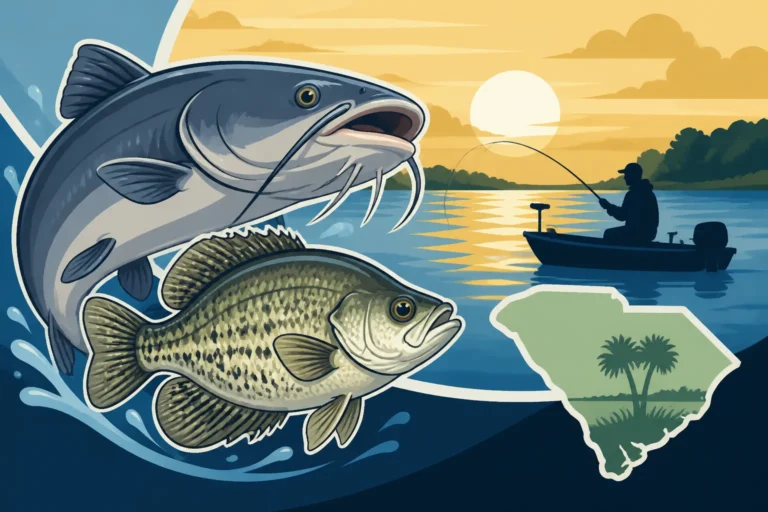
The fish populations in these waters are often robust, supported by local conservation efforts and natural ecosystems. You can expect to find popular species like largemouth bass, various panfish suchas bluegill and redbreast sunfish, crappie, and even catfish. This variety means there's usually something biting, regardless of the season or your preferred fishing method, making every trip an exciting prospect.
General Tips for Urban and Suburban Fishing
Fishing close to urban areas comes with its own set of considerations. Firstly, always be mindful of local regulations and private property boundaries. Public access points are key, and respecting posted signs ensures these spots remain open for everyone. Secondly, while convenient, these spots can sometimes see more foot traffic, so consider going during off-peak hours like early mornings or late evenings for a more solitary experience.
Being prepared with essential gear that's easily transportable is also a big plus. A lightweight spinning rod, a small tackle box with a selection of lures and bait, and maybe a small cooler for drinks are often all you need. Remember, the goal here is accessibility and enjoyment, not necessarily a trophy hunt, though you never know what might surprise you in these waters!
Top Freshwater Fishing Spots Easily Accessible from Downtown
Let's dive into some of the prime locations where you can wet a line just a stone's throw from the heart of Greenville. Each of these offers a unique experience, catering to different preferences and fishing styles.
Lake Conestee Nature Park
Located just a short drive south of downtown Greenville, Lake Conestee Nature Park is a true ecological treasure and an outstanding fishing destination. This sprawling 640-acre nature preserve features walking trails, boardwalks, and, of course, the Reedy River and Lake Conestee itself. It's an ideal spot for bank anglers and those who prefer to fish from a kayak or canoe, offering a serene environment rich with wildlife.
The lake and river sections within the park are known for healthy populations of largemouth bass, crappie, bluegill, and various catfish species. Anglers often find success targeting bass around fallen trees and submerged vegetation with soft plastics or spinnerbaits. For crappie and panfish, small jigs and live minnows or worms fished under a bobber can be very effective, especially in the shallower coves and along the reedy banks. This park is a fantastic example of a Best Bank Fishing Spots in South Carolina.
Saluda River
While the Saluda River stretches a good distance, sections upstream and slightly west of downtown Greenville offer excellent freshwater fishing opportunities. Depending on how far you're willing to drive, you can find different experiences. Closer sections are more typical Piedmont river fishing, with shoals, slower pools, and rock structure. Farther upstream, particularly closer to the mountains, you might even encounter some cool-water species.
Anglers targeting the Saluda in the Greenville vicinity will primarily be looking for largemouth bass, spotted bass, various sunfish, and catfish. Kayak fishing is a popular way to explore the river, allowing access to spots unreachable from the bank. Using small crankbaits, jigs, and topwater lures can be effective for bass, while worms and small artificials work well for panfish. Always be aware of current conditions, especially after heavy rains, as water levels and clarity can change quickly.
Lake Robinson
Venturing slightly northeast of downtown, Lake Robinson offers a beautiful, larger reservoir experience without a lengthy commute. Managed by Greenville Water, this 800-acre lake is highly regarded for its excellent largemouth bass, crappie, and bream fishing. It's a peaceful spot, often less crowded than some of the larger, more well-known lakes in the state.
Lake Robinson has several public access points, including a boat ramp that makes it suitable for larger boats, though smaller craft and kayaks are also very popular. Bass anglers will appreciate the lake's abundant cover, including standing timber, hydrilla, and docks. Early mornings or late evenings with topwater lures can be explosive for bass, while flipping jigs or Texas-rigged worms around structure is a reliable daytime strategy. Crappie school up around brush piles and drop-offs, often best caught with small jigs or minnows. For detailed information on specific techniques, you might want to look into South Carolina Crappie Fishing Techniques by Season or South Carolina Bass Fishing Techniques by Season.
Important Regulations and Considerations
Before you head out, it's absolutely vital to be familiar with South Carolina's fishing regulations. Not only does it ensure you're fishing legally, but it also contributes to the health and sustainability of our precious fish populations. Ignoring these rules can lead to fines and penalties, which nobody wants when they're trying to enjoy a relaxing day on the water.
This includes understanding everything from statewide length and bag limits to any special restrictions that might apply to particular bodies of water, which can sometimes be more stringent than the general rules. A quick check of the South Carolina Department of Natural Resources (SCDNR) website before each trip is always a smart move to stay informed about the latest updates.
Licensing and Permits
The first and most crucial step for any angler in South Carolina is securing a valid fishing license. Whether you're a resident or just visiting, if you're 16 years of age or older, you'll need one. This applies to both freshwater and saltwater fishing, and it's essential to have the correct type of license for the waters you intend to fish. For instance, if you're planning on fishing the Saluda River or Lake Conestee, a freshwater license is what you'll need. You can learn more about securing your license through the South Carolina Fishing License Guide.
Licenses can be purchased online through the SCDNR's Go Outdoors South Carolina portal, at authorized local vendors like tackle shops, or even at some Walmart locations. It's always a good idea to have your license readily available, either as a printed copy or on your phone, in case a game warden checks. Understanding your South Carolina Annual Fishing License Price Breakdown can also help you choose the best option for your fishing habits.
Catch and Release vs. Harvest
Many anglers in the Greenville area practice catch and release, especially for larger bass, to help maintain healthy fish populations. However, there are certainly opportunities to harvest fish for a delicious meal, particularly panfish like bluegill and crappie, or catfish. It's important to know the specific bag and size limits for each species you're targeting. For example, South Carolina's Freshwater Fishing Regulations will outline how many largemouth bass or crappie you can keep in a day and their minimum or maximum lengths.
Remember that regulations can change, so staying informed is key. Some areas might have special regulations for certain species or times of the year. For instance, some trout streams have specific catch-and-release only sections, though this is less common in the immediate Greenville area for warmwater species. Respecting these limits ensures that future generations can enjoy the same great fishing experiences we do today.
Planning Your Greenville Fishing Excursion
Getting out on the water, even close to home, benefits from a little planning. Knowing what to bring and when to go can significantly impact your success and enjoyment. It’s all about making the most of your time and resources, ensuring a smooth and rewarding experience.
Sometimes, even with local knowledge, having an extra set of hands or a professional opinion can make a difference. While this article focuses on DIY spots, if you ever feel the need for a guided experience to truly unlock the secrets of these waters, platforms like FishingBooker can connect you with local guides who specialize in the Greenville area. They can offer invaluable insights and take you directly to the hot spots.
Essential Gear for Local Waters
For fishing in the lakes and rivers around Greenville, a versatile light to medium-action spinning rod and reel combo is usually perfect. Spool it with 8-12 lb monofilament or fluorocarbon line, or even braided line with a fluorocarbon leader for added sensitivity. Your tackle box should include a variety of artificial lures:
- For Bass: Soft plastic worms (Texas-rigged or wacky-rigged), spinnerbaits, crankbaits, and perhaps a topwater frog or popper for early morning or late evening.
- For Crappie: Small jigs (1/16 to 1/8 oz) in various colors (chartreuse, white, black), small curly-tail grubs, and live minnows if you prefer bait.
- For Panfish (Bluegill/Bream): Tiny jigs, crickets, worms (red wigglers are excellent), and small artificial lures that mimic insects.
- For Catfish: Prepared stink baits, cut bait (chicken liver is a classic), or live worms fished on the bottom.
Don't forget essentials like a pair of pliers for hook removal, a small pair of clippers for line, sunscreen, insect repellent, a hat, polarized sunglasses, and plenty of water. A small cooler with ice for drinks and any fish you plan to keep is also a good idea. Having a small landing net can also be a lifesaver for larger catches.
Best Times to Fish Near Greenville
Timing your fishing trip can significantly increase your chances of success. Generally, early mornings and late evenings are prime fishing times, especially during the warmer months. Fish are often more active during these cooler periods and when light levels are lower, making them more willing to feed. This is especially true for species like bass.
Spring and fall are often considered the best seasons overall for freshwater fishing in South Carolina. In spring, fish are moving into shallower waters for spawning, making them easier to locate. In fall, they feed heavily in preparation for winter. Even winter can offer good opportunities, particularly for crappie and catfish that may congregate in deeper holes. Summer can be productive, but it's often best to stick to those early morning or late evening windows to avoid the midday heat and less active fish. If you're looking for more general guidance, checking a Best Time of Year to Fish in South Carolina guide could prove useful.
Here's a quick comparison of some local fishing spots:
| Fishing Spot | Distance from Downtown Greenville | Primary Species Targeted | Best Access Method | Notes |
|---|---|---|---|---|
| Lake Conestee Nature Park | ~10-15 minutes | Bass, Crappie, Panfish, Catfish | Bank, Kayak, Canoe | Excellent bank access, walking trails, diverse habitats |
| Saluda River | ~15-25 minutes | Bass, Spotted Bass, Panfish | Kayak, Bank | River current, can vary in depth and flow, some bank access points |
| Lake Robinson | ~20-30 minutes | Bass, Crappie, Bream | Boat, Kayak, Bank | Larger lake, quieter, good for both artificial and live bait |
| Paris Mountain State Park | ~15-20 minutes | Bass, Panfish | Bank, Kayak, Canoe | Smaller lakes, good for beginners and families, serene environment |
Remember to always consult the specific park or lake rules before you go, as some locations may have restrictions on boat types, fishing hours, or bait choices.
Disclaimer
The information provided in this guide is for general informational purposes only and is subject to change. Fishing regulations, licensing requirements, and specific conditions at fishing locations can vary and be updated frequently by the South Carolina Department of Natural Resources (SCDNR) or local authorities. Always consult the official SCDNR website or contact local park/lake management for the most current and accurate information before planning your fishing trip. Adherence to all local, state, and federal laws and regulations is the responsibility of the angler.