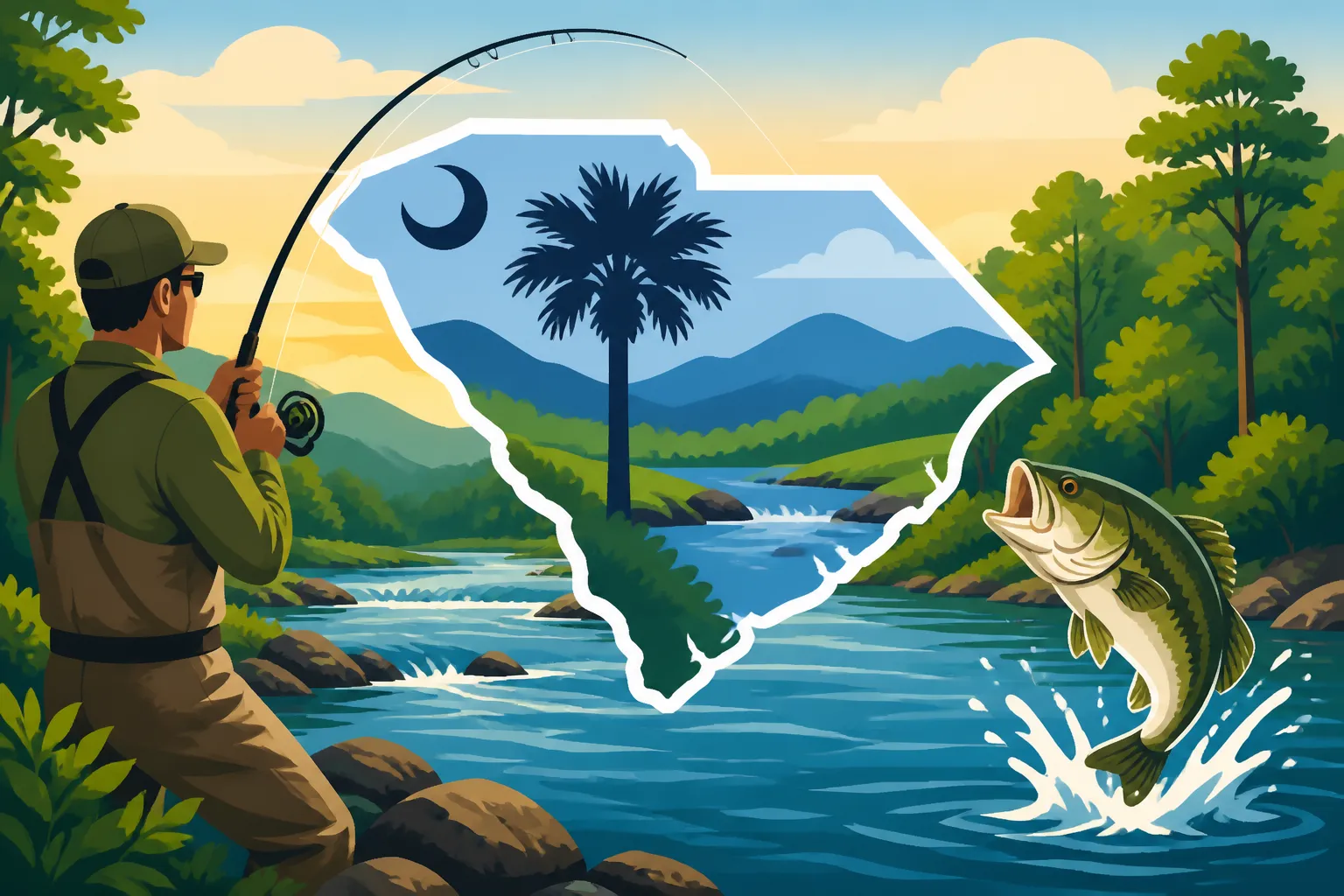
Best River Fishing Spots in the South Carolina Upstate
Many anglers feel overwhelmed trying to pinpoint the prime river fishing spots in South Carolina's Upstate, often struggling with finding public access or understanding which fish thrive where. It's a vast region with hidden gems, but knowing where to start can be daunting, leading to wasted trips and missed opportunities. This comprehensive guide is designed to cut through that confusion, detailing the region's best rivers, the species you can expect to catch, and practical tips to ensure your next Upstate river fishing adventure is both fruitful and enjoyable.
The Pristine Waters of the Chattooga and Chauga Rivers
When you think of genuine wilderness fishing in the South Carolina Upstate, the Chattooga and Chauga Rivers immediately spring to mind. These aren't your typical leisurely float rivers; they demand respect and a willingness to explore, but the rewards are truly exceptional, especially for those chasing trout in a wild, unadulterated setting.
Wild Trout and Scenic Beauty
The Chattooga River, renowned for its Wild and Scenic River designation, truly lives up to its name. It's a place where the air feels cleaner, the sounds of civilization fade, and the fishing feels like a step back in time. This river is a stronghold for wild trout, offering a challenging yet incredibly rewarding experience for anglers. You'll primarily find native brook trout in its colder, higher elevation tributaries, along with robust populations of wild rainbow and brown trout in the main stem. Fishing here often means traversing rugged terrain, wading through swift currents, and employing precise fly-fishing techniques. The experience is less about catching a limit and more about the pursuit, the solitude, and the raw beauty of the surroundings. For anyone wondering about South Carolina's Native Brook Trout: A Blue Ridge Mountain Original, this is precisely the kind of habitat they call home.
The Chauga River, a significant tributary of the Tugaloo River, offers a slightly more accessible, yet equally rewarding, experience. While still possessing a wild character, certain sections of the Chauga are more conducive to wading and offer clearer access points. It holds similar species to the Chattooga—wild rainbow and brown trout—and is a fantastic destination for spin fishing or fly fishing. The smaller, intimate nature of the Chauga can sometimes make for a more concentrated fishing experience, where knowing How to Read a Trout Stream for Beginners really pays off. The river's cooler waters, fed by mountain springs, ensure a healthy trout population, particularly in the upper reaches.
Navigating Access and Regulations
Fishing these pristine waters isn't just about technique; it's also about understanding and respecting the rules designed to preserve them. First and foremost, you'll need a valid South Carolina Fishing License Guide. It's not just a formality; it directly supports conservation efforts. Beyond that, both the Chattooga and Chauga, especially their trout-designated sections, fall under specific South Carolina's Freshwater Fishing Regulations that can include tackle restrictions (like artificial lures only with single, barbless hooks) and specific size and bag limits. Always check the latest South Carolina Department of Natural Resources (SCDNR) regulations before heading out, particularly for specifics like the South Carolina Stocked Trout Daily Limit or how Checking a Stream's Trout Limit Before You Fish It can vary.
Access to these rivers primarily involves navigating through the Sumter National Forest. Designated public access points are available but can sometimes require a bit of a hike. Popular spots might include specific bridges or marked trails. For the Chattooga, sections like those near Burrells Ford or the Walhalla Fish Hatchery offer starting points, but always be prepared for a wilderness trek. The Chauga also has various access points, often off forest roads. Safety is paramount: these are powerful rivers with strong currents and slippery rocks. Always let someone know your plans, carry appropriate gear, and be aware of rapidly changing weather conditions. If you're unsure about navigating the rugged terrain or understanding the nuances of these rivers, consider booking a local guide. Many professional guides found on platforms like FishingBooker possess invaluable local knowledge for these specific, challenging waters.
Saluda River's Diverse Waters Near Greenville
Moving away from the remote wilderness, the Saluda River, particularly its upper reaches in the true Upstate, offers a different, yet equally exciting, fishing experience. This river provides fantastic opportunities closer to urban centers, making it a popular choice for many local anglers.
Upper Saluda for Bass and Panfish
The Upper Saluda River, flowing through areas near Greenville and Easley before it widens into Lake Greenwood, is a gem for warmwater species. Unlike the lower Saluda's famous tailwater trout fishery (which is further south below Lake Murray), this Upstate section is all about the fight of a largemouth bass, the acrobatic leaps of a smallmouth bass, and the subtle tug of various panfish. You'll find excellent populations of largemouth bass, especially in the slower pools and around submerged structures. For a different challenge, keep an eye out for smallmouth bass in the rockier, faster-flowing sections, particularly common in the more northern stretches. There are even opportunities for Redeye Bass Fishing Tips for Upstate South Carolina in some of the smaller, clearer tributaries that feed into the main river.
This section of the Saluda River offers year-round potential. Spring and fall are prime times for bass fishing, as these fish are more active and shallower. During the warmer summer months, bass might move to deeper pools or seek shade under overhanging banks, making early morning or late evening fishing more productive. Panfish like bluegill and redbreast sunfish are abundant and can be caught throughout the warmer seasons, offering fun for anglers of all skill levels. They are often found around fallen logs, weed beds, and slower eddies.
Bank and Kayak Fishing Advantages
One of the great appeals of the Upper Saluda River is its accessibility, especially for those who prefer not to use a large boat. There are numerous opportunities for Best Bank Fishing Spots in South Carolina, with public parks and bridge crossings providing easy access to the riverbanks. Areas like the Saluda River Blueway offer established access points and even designated fishing areas, perfect for a casual afternoon of casting. These spots are fantastic for bait fishing with worms or crickets for panfish, or casting spinnerbaits and soft plastics for bass.
For those looking to explore more, kayaking or canoeing the Saluda is an extremely popular option. Paddling allows you to reach less pressured sections of the river, glide silently past prime fishing habitats, and enjoy the scenery from a unique perspective. Many outfitters in the Greenville area rent kayaks and provide shuttle services, making a float trip easy to organize. When kayaking, focus on fishing structures like downed trees, undercut banks, and current seams. Always be aware of river conditions, especially after heavy rains, as currents can become swift. It's also important to wear a life vest and understand local water safety guidelines. If you're new to kayak fishing or want to maximize your chances, consider hiring a local guide who can show you the best put-in and take-out points and share their knowledge of productive fishing spots. Platforms like FishingBooker list guides specializing in these types of river trips.
Exploring Other Upstate River Gems
Beyond the more prominent Chattooga, Chauga, and Saluda, the South Carolina Upstate is crisscrossed by a network of smaller, equally rewarding rivers, each with its own character and fishing opportunities. These hidden gems often offer a more intimate experience and can be excellent for those looking to get away from the crowds.
Broad River and Enoree River for Bass and Panfish
The Broad River, as it flows through the Upstate before joining the Congaree, offers a diverse fishery primarily focused on bass, panfish, and catfish. This river is known for its varied habitat, ranging from rocky shoals and rapids that hold smallmouth bass, to slower, deeper pools where you can target largemouth bass and various catfish species, including channel and flathead cats. Wading in below shoals can be particularly productive for targeting spotted bass and smallmouth bass, offering a different challenge than lake fishing. Spinnerbaits, crankbaits, and soft plastics are effective for bass, while cut bait or nightcrawlers will entice the catfish. The river's character changes significantly along its length, so exploring different sections can yield entirely different results.
The Enoree River, a tributary of the Broad, is a smaller, more intimate blackwater river. It's perfect for those seeking a tranquil experience, often wading or using a small jon boat or kayak to access its winding bends and cypress-lined banks. Here, you'll find healthy populations of largemouth bass, various species of sunfish (like redbreast and bluegill), and robust catfish. Its slower, tannin-stained waters can be incredibly productive, especially when targeting fish in shaded areas or around fallen timber. The Enoree truly feels like stepping into a wild, undeveloped part of South Carolina, making it ideal for those seeking Remote and Uncrowded Fishing Spots in South Carolina.
Local Knowledge and Online Resources
One of the biggest keys to success on these varied Upstate rivers is tapping into local knowledge. The conditions, species activity, and best techniques can change rapidly depending on rainfall, water levels, and time of year. Don't underestimate the value of a quick chat with staff at local bait and tackle shops; they often have the most up-to-date intel on what's biting and where. Community fishing forums or social media groups dedicated to South Carolina fishing can also be a goldmine of information, connecting you with experienced anglers who are often happy to share tips (within reason, of course, no one gives away their secret honey holes easily!).
For planning a comprehensive trip, especially if you're unfamiliar with the area, online resources are invaluable. The SCDNR website is your official source for all regulations, public access points, and fishing reports. Beyond that, platforms like FishingBooker can connect you with experienced, licensed guides who specialize in these Upstate rivers. A good guide can be worth their weight in gold, not only for putting you on fish but also for safely navigating the river, understanding complex regulations, and providing all the necessary gear. For instance, a guide might have specific expertise in Fly Fishing Basics for Stocked Trout on mountain streams or Spin Fishing Techniques for Stocked Trout Streams in the upper reaches of rivers. Leveraging such resources can transform a potentially frustrating outing into a memorable and successful fishing adventure.
South Carolina Upstate River Fishing Overview
To help you get a quick grasp of the diverse opportunities available, here’s a summary of some key Upstate rivers and what they offer:
| River | Primary Species | Best Fishing Methods | Key Characteristics | Access Notes |
|---|---|---|---|---|
| Chattooga River | Wild Brook, Rainbow, Brown Trout | Fly Fishing, Wading | Wild & Scenic, Remote, Rugged Terrain | US Forest Service, challenging hikes |
| Chauga River | Wild Rainbow, Brown Trout | Fly Fishing, Spin Fishing, Wading | Slightly more accessible than Chattooga, pristine | US Forest Service, some improved access |
| Upper Saluda River | Largemouth, Smallmouth, Redeye Bass, Panfish | Bank Fishing, Kayak/Canoe, Wading | Closer to urban areas, varied flow, good structure | Public parks, Blueway access, bridge crossings |
| Broad River | Largemouth, Smallmouth, Spotted Bass, Catfish | Bank Fishing, Kayak/Canoe, Wading | Rocky shoals to deeper pools, diverse habitats | Multiple public access points, boat ramps |
| Enoree River | Largemouth Bass, Panfish, Catfish | Wading, Kayak/Canoe | Blackwater, intimate, secluded, cypress banks | Limited public access, often remote |
This table highlights just a few of the fantastic options available, but always remember that each trip offers new lessons and new opportunities.
Disclaimer
The information provided in this guide is for general informational purposes only and is subject to change. Always consult the official South Carolina Department of Natural Resources (SCDNR) website for the most current regulations, license requirements, and safety guidelines before planning any fishing trip. Fishing conditions can vary widely based on weather, water levels, and seasonal changes.