Congaree River Fishing Spots Near Columbia, South Carolina
It's easy to feel overwhelmed when you're staring at a map of a massive river system like the Congaree, especially when you're trying to pinpoint those perfect fishing spots right near Columbia. You want to know where the fish are hiding, how to get to them, and what you'll need to make your trip a success without wasting precious hours. This comprehensive guide will cut through the confusion, revealing the best Congaree River fishing spots near Columbia, how to approach them, and what magnificent species you can expect to reel in.
Understanding the Congaree River's Unique Character for Anglers
The Congaree River isn't just any waterway; it's a dynamic blackwater river, born from the confluence of the Broad and Saluda Rivers right in Columbia. This unique blend of sediment-rich flows and tannin-stained waters creates a fascinating, albeit sometimes challenging, environment for anglers. Understanding its character is the first step to unlocking its fishing potential.
The Allure of Blackwater and Its Influence on Fishing
Blackwater rivers, like the Congaree, get their dark, tea-stained color from decaying vegetation, primarily cypress and tupelo trees, releasing tannins into the water. This isn't dirty water; it's a natural phenomenon that significantly impacts visibility and, consequently, fish behavior. For anglers, this means a few things: fish often rely more on scent and vibration than sight, and darker lures or baits can sometimes be more effective as they provide a better silhouette against the dark background. The dense canopy overhead in many sections also casts deep shadows, which can keep water temperatures cooler and provide excellent cover for fish. It’s a truly wild and ancient feel you get when you’re out on these waters, a feeling of being connected to something much older than yourself.
Beyond the color, the Congaree River's blackwater nature also means a rich, diverse ecosystem. These waters are typically more acidic, but they support a thriving community of baitfish, insects, and crustaceans, which in turn feed the larger game fish. The river's flow, especially after heavy rains, can stir up these food sources, creating prime feeding opportunities for species like catfish and striped bass. However, fluctuating water levels can also make access tricky and change where fish congregate. Always check the river levels before heading out, as a sudden rise can make certain spots unfishable or even dangerous. The river’s personality shifts constantly, and a seasoned angler learns to read its moods.
Navigating the River: Access Points and Challenges
Getting onto the Congaree River near Columbia requires a bit of planning, as direct public access points are somewhat limited, especially for those looking to launch larger boats. Most access comes from established boat ramps or specific points within Congaree National Park. For instance, the Congaree River Blue Trail offers several access points, primarily for kayaks and canoes, but some allow for smaller motorized vessels. Navigating the river itself can also present challenges. Strong currents, especially after significant rainfall, require careful boat handling. Furthermore, fallen trees (snags) and submerged obstacles are common, so paying close attention to river markers and using a good depth finder is crucial.
Bank fishing opportunities are even more restricted outside of designated parks and certain bridge areas. While enticing, attempting to access the river from private property without permission is, of course, a no-go. This is why knowing the official launch sites and public lands is paramount. Finding remote, uncrowded fishing spots in South Carolina can sometimes feel like a treasure hunt, but with a bit of research, you can discover hidden gems. For those without a boat, targeting areas around bridges or small public parks with river frontage will be your best bet, though you'll often contend with more anglers. Always be prepared for a bit of a hike to reach some of the more secluded spots, and remember to pack light but efficiently.
Seasonal Fluctuations and Their Impact on Fish Behavior
Like any major river system, the Congaree's fishing success is heavily influenced by the seasons. The fish's behavior, their preferred depths, and even their feeding patterns can change dramatically throughout the year. Understanding these cycles is key to maximizing your catch.
In the spring, as water temperatures begin to rise, many species become highly active, moving into shallower waters to spawn and feed aggressively. This is often an excellent time for targeting largemouth bass, crappie, and panfish in backwater areas and oxbow lakes. The warming temperatures trigger a feeding frenzy as fish recover from winter sluggishness and prepare for the rigors of spawning. You might find some incredible action on topwater lures or spinnerbaits during this period.
Summer brings hot temperatures, which can push fish into deeper, cooler waters, often near structure or in shaded areas. Early mornings and late evenings become prime fishing times, especially for catfish, which remain active throughout the warmer months. Striped bass will also seek out cooler refuges, often congregating in deeper channels or near the confluence points where oxygen levels are higher. Knowing the best bait for summer catfish fishing can be a game-changer during these hotter periods.
As fall arrives, the cooling water temperatures signal another burst of activity. Many fish species begin to feed heavily in preparation for winter, making this a fantastic time for aggressive fishing. Largemouth bass and striped bass, in particular, can be found actively chasing baitfish in schools. The moderate temperatures also make for more comfortable fishing conditions for anglers.
Winter fishing on the Congaree can be challenging but rewarding. Fish activity slows down, and they often hold in deep holes, slack water, or near thermal refuges. This is a prime time for targeting large catfish with prepared baits or cut bait, and even some striped bass might be found if you know where to look in the deeper sections. Slow, methodical presentations are often the most effective during the colder months.
Prime Fishing Spots Along the Congaree Near Columbia
The Congaree River system around Columbia offers a variety of fishing environments, from the wild, protected waters of a national park to more accessible public boat ramps. Each area presents unique opportunities and requires different approaches.
Congaree National Park: Serene Backwaters and Oxbow Lakes
For a truly immersive and tranquil fishing experience, Congaree National Park is unparalleled. While the main river channel flows alongside, the real treasures for anglers within the park are its numerous oxbow lakes and backwater sloughs, often brimming with largemouth bass, crappie, and various panfish. These areas, like Weston Lake or Cedar Creek, offer calm, protected waters perfect for kayaking, canoeing, or even bank fishing in designated spots. The serenity of the old-growth bottomland hardwood forest surrounding you is a bonus, creating an atmosphere that feels miles away from the city, even though Columbia is just a short drive away.
Accessing these backwaters typically involves paddling in from specific launch points within the park. While motorized boats are restricted in most of the park's interior waters, the quiet approach of a paddle craft allows you to get right into the heart of the cypress knees and submerged logs where fish love to hide. For those without a boat, limited bank fishing is available around boardwalks and designated trails, offering a chance to cast a line into the quiet waters. Remember that fishing within the park still requires a valid South Carolina fishing license, and all state regulations regarding bag limits apply. You can find comprehensive details about South Carolina Fishing License Requirements in South Carolina and South Carolina Fishing Bag Limits Explained to ensure you're compliant.
Local Boat Ramps and Public Access Points
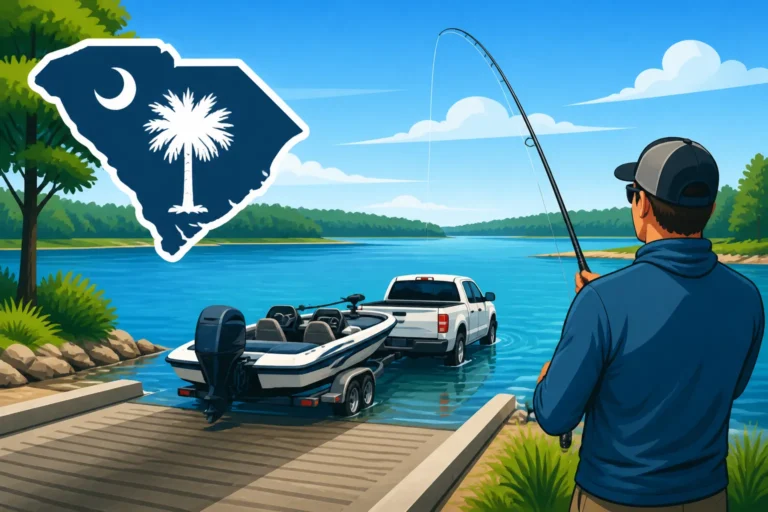
For anglers with boats, several public boat ramps offer direct access to the main stem of the Congaree River near Columbia, allowing you to explore its deeper channels and faster currents. These ramps are your gateway to targeting species like striped bass and the larger catfish that often hold in the main river.
A popular choice is the Bluff Road Public Boat Landing in Columbia. This ramp provides easy access to the main river channel, putting you quickly into productive waters for catfish, stripers, and bass. From here, you can navigate upriver towards the Broad and Saluda River confluences or downriver towards Congaree National Park. The convenience of these access points makes them a favorite for local anglers looking for a quick morning or afternoon trip.
Another key access point is often found closer to the city, providing a quick launch into the action. These spots are usually well-maintained by local municipalities or the state. Remember to check local maps or the South Carolina Department of Natural Resources (SCDNR) website for the most current information on ramp conditions and any potential closures. These public access points are crucial for connecting anglers with the river’s vast resources, whether you’re casting for Congaree River Catfish Fishing Spots Near Columbia or seeking out other species. When using these ramps, always be courteous to other boaters and ensure your vessel is properly launched and retrieved to keep things flowing smoothly.
Targeting Confluences and Deeper Channels
The Congaree River's origins—where the Broad and Saluda Rivers meet—create a dynamic and nutrient-rich environment that is a magnet for fish. The confluence points themselves are often agitated, oxygenated, and rich in baitfish, making them prime hunting grounds for predatory species. Moving away from these confluences, the main river channel deepens, forming distinct ledges, drop-offs, and scour holes that provide perfect ambush points and resting areas for larger fish.
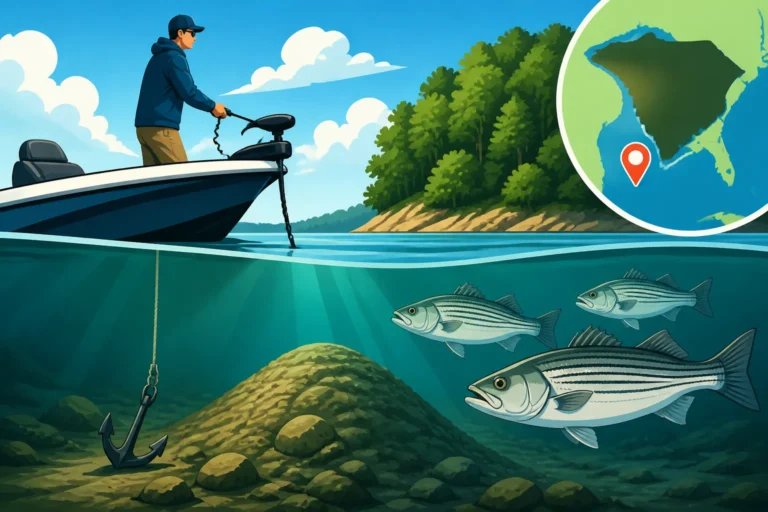
These deeper channels are especially productive for catfish (Blue, Channel, and Flathead) and striped bass. Catfish often hug the bottom, especially in areas with slower currents or submerged structure, waiting for an easy meal to drift by. Using stout bottom-fishing rigs with cut bait or stink baits can be incredibly effective here. Striped bass, known for their powerful runs, will often cruise these channels, particularly during cooler months or early mornings/late evenings in summer, chasing schools of baitfish. Vertical jigging or trolling with large swimbaits or crankbaits can entice these hard fighters.
Identifying these key structural elements often requires a good fish finder or knowing the river well. Look for sudden depth changes, underwater humps, or areas where the current creates eddies behind submerged rocks or fallen trees. These are all indicators of potential fish-holding zones. Exploring the main stem of the river from the confluence downstream towards the national park boundaries will reveal a wealth of these deeper, more productive areas. It’s a completely different experience than fishing the calmer backwaters, demanding heavier tackle and a more robust understanding of river dynamics.
Top Fish Species to Target in the Congaree River
The Congaree River near Columbia is a diverse fishery, offering a wide array of species for anglers of all skill levels. From powerful catfish to hard-fighting bass, there’s always something exciting to pursue in these waters.
Chasing Catfish: Blues, Channels, and Flatheads
The Congaree River is a renowned hotspot for catfish, drawing anglers from all over for a chance at a trophy catch. You'll find three main species thriving here: Blue Catfish, Channel Catfish, and the elusive Flathead Catfish. Each offers a unique angling experience.
Blue Catfish are often the target for those seeking sheer size. These powerful fish can grow enormous in the Congaree, regularly exceeding 50 pounds, with some reaching over 100! They prefer the deeper, main river channels and often congregate in large schools. Their diet is primarily fish, so fresh cut bait (like shad, mullet, or bream) is typically the most effective offering. Heavy rods, large reels, and strong line are essential when targeting these behemoths. Learning how to bottom fish for catfish effectively will serve you well here, as they often hug the riverbed.
Channel Catfish are more widespread and can be found in various habitats, from deeper channels to slower backwaters. They are known for their voracious appetite and will readily strike a variety of baits, including prepared stink baits, chicken livers, shrimp, or even small cut bait. While they don't reach the gargantuan sizes of blues, a 10-15 pound channel cat still puts up a respectable fight and makes for excellent table fare. They are a great target for family fishing trips, as they are often more cooperative for less experienced anglers.
Flathead Catfish are the apex predators of the catfish world in the Congaree. They are solitary, ambush predators that prefer live bait, such as small sunfish or other baitfish. Flatheads are typically found near heavy cover like fallen trees, logjams, or rock piles in moderate to slow current. They can grow very large and offer an incredibly strong fight, making them a prized catch for dedicated catfishermen. Targeting them requires patience and precise bait placement. For anyone interested in the sheer thrill of landing a monster, the Congaree is truly one of the Best Catfish Fishing Spots in South Carolina.
Bass Fishing: Largemouth, Stripers, and Hybrids
Beyond catfish, the Congaree River offers fantastic opportunities for various bass species, providing diverse challenges and rewards for freshwater enthusiasts. The blend of flowing river and quiet backwaters creates ideal habitats for different types of bass.
Largemouth Bass thrive in the Congaree's slower moving sections, particularly in the oxbow lakes, sloughs, and protected coves found within areas like Congaree National Park. They are ambush predators and will hide around submerged timber, lily pads, and other aquatic vegetation. Spinnerbaits, soft plastic worms (Texas-rigged or Carolina-rigged), crankbaits, and topwater lures are all effective, depending on the season and water conditions. During the spring spawn, you can find them guarding their beds in shallower, protected areas. For a more detailed look, check out our guide on Largemouth Bass Fishing in South Carolina: The Complete Guide.
Striped Bass, or "stripers," are a highly sought-after game fish in the Congaree. While they are a saltwater fish by nature, landlocked populations and anadromous runs exist in South Carolina's river systems. The Congaree is known for its excellent striper fishing, especially during cooler months when these powerful fish migrate upriver. They are strong fighters and can be caught trolling with large crankbaits, casting big swimbaits, or live-lining shad or other baitfish in the main river channels, particularly near current breaks and deeper holes. These fish put up an incredible fight, and landing a big one is an unforgettable experience. South Carolina even considers Striped Bass: South Carolina's Official State Fish, highlighting their importance to the state's angling culture.
You might also encounter Hybrid Striped Bass, a cross between striped bass and white bass. These fish are stocked in many South Carolina waters and are known for their aggressive strikes and strong fighting ability, often schooling together and chasing baitfish near the surface. They typically prefer similar habitats and tackle to pure stripers but are often found in slightly shallower areas or more open water.
Panfish and Other Opportunities
The Congaree River isn't just about trophy fish; it's also a fantastic place to enjoy a relaxing day catching panfish and exploring other species. These smaller, often overlooked fish provide consistent action, especially for beginners and families, and are excellent table fare.
Bluegill and Redbreast Sunfish are abundant throughout the river system, particularly in the calmer backwaters, oxbow lakes, and slower-moving eddies. They love to hide around submerged logs, cypress knees, and lily pads. A simple setup—a cane pole or light spinning rod, a small hook, a bobber, and some worms or crickets—is all you need for a fun and productive day targeting these feisty little fighters. They are perfect for introducing kids to fishing, as they bite readily and offer constant entertainment.
In addition to bluegill and redbreast, you might also encounter Crappie (both black and white) in the Congaree's backwaters, especially during cooler months. Crappie often school around submerged brush piles, standing timber, or docks. Small jigs (1/32 to 1/8 ounce) tipped with minnows or soft plastic crappie baits are highly effective. Tightlining for crappie in deep water can be particularly productive when they suspend in deeper cover.
Beyond the main targets, anglers might also encounter other species like Bowfin (a prehistoric, hard-fighting fish often found in shallow, weedy areas), various suckers, and even carp, which can grow quite large and offer a surprising fight on light tackle. The diversity of the Congaree ensures that every cast offers the potential for something new and exciting to reel in. Just remember to adjust your tackle and bait to match the species you're targeting.
Essential Gear and Techniques for Congaree River Success
Having the right gear and knowing how to use it effectively can make all the difference between a frustrating day and a successful fishing trip on the Congaree River. This dynamic environment calls for thoughtful preparation.
Rods, Reels, and Line Choices for River Fishing
The varied nature of the Congaree River—from heavy current main channels to serene backwaters—means that a "one-size-fits-all" approach to tackle won't cut it. Your rod, reel, and line choices should be dictated by the species you're targeting and the conditions you expect to encounter.
For catfish and striped bass in the main river, you'll need stout equipment. A medium-heavy to heavy action spinning or baitcasting rod, typically 7 to 9 feet long, is ideal. This length provides leverage for casting heavy baits and fighting powerful fish in current. Pair this with a large, durable reel (size 4000-6000 for spinning, or a comparable baitcasting reel) spooled with 30-50 pound monofilament or braided line. Braided line offers superior sensitivity and strength, which is crucial for detecting subtle bites in current and hauling big fish out of heavy cover. A fluorocarbon leader of 20-40 pounds can be added for abrasion resistance and stealth.
When targeting largemouth bass in the backwaters or smaller coves, a medium to medium-heavy action spinning or baitcasting rod (6.5 to 7.5 feet) is more appropriate. This offers the versatility needed for various lures and techniques. A size 2500-3000 spinning reel or a standard baitcasting reel spooled with 10-20 pound braided line (with a 10-15 pound fluorocarbon leader) works well. This setup provides the sensitivity for finesse presentations and the power to pull bass from light cover.
For panfish like bluegill and crappie, a light to ultralight spinning rod (5 to 6.5 feet) paired with a small reel (size 1000-2000) and 4-8 pound monofilament or braided line is perfect. This lighter tackle maximizes the fun of catching smaller fish and is more sensitive to their subtle bites. It's also ideal for casting small jigs and bobber rigs.
Effective Baits and Lures for Different Species
Matching your bait or lure to the target species and conditions is paramount on the Congaree. The blackwater environment, as mentioned, often means scent and vibration can be more important than visual appeal.
For catfish, live and cut baits reign supreme. Fresh cut shad, bream, or mullet are irresistible to large blue and flathead catfish. Chicken livers, shrimp, and various prepared stink baits are excellent for channel catfish. Placing these baits directly on the bottom using a slip-sinker rig or a Carolina rig is usually the most effective method. During warmer months, knowing the Best Bait for Summer Catfish Fishing can really boost your success.
Largemouth bass respond well to a wide array of artificial lures. In spring and fall, spinnerbaits, crankbaits (in natural or darker colors), and soft plastic jerkbaits can be highly effective. During summer, plastic worms, jigs, and topwater frogs or poppers worked around cover during low-light hours are good choices. Don't be afraid to experiment with darker colored lures (black, blue, junebug) due to the stained water.
For striped bass and hybrid stripers, large swimbaits, lipless crankbaits, and heavy spoons are great for mimicking baitfish. Live bait, particularly shad, fished on a Carolina rig or free-lined, is often the most productive method, especially for trophy fish. Trolling these lures or baits can also cover a lot of water and help locate active schools.
Panfish are typically less picky. Live worms, crickets, small pieces of corn, or even dough balls fished under a bobber are classic and effective. Small jigs (1/32 to 1/16 ounce) tipped with a tiny piece of worm or a micro-plastic grub can also be deadly, especially for crappie. Simplicity is often key when targeting these smaller, abundant species.
River Safety and Best Practices
Fishing on a large, dynamic river like the Congaree demands respect for its power and a commitment to safety. Even experienced anglers need to adhere to best practices to ensure a smooth and enjoyable trip.
Wear a life jacket: This is non-negotiable, especially when boating. Accidents can happen quickly, and a life jacket can be the difference between a scare and a tragedy. Children under 12 are required to wear one by South Carolina law.
Be aware of currents and obstacles: The Congaree's currents can be strong, particularly after heavy rains. Know your boat's capabilities and always be on the lookout for submerged logs, sandbars, and other hazards. When paddling, understand how to read the water to avoid dangerous situations.
Check weather and river conditions: Always consult the forecast and river level reports before heading out. Sudden storms can develop quickly, and rapidly rising or falling water levels can change conditions dramatically, impacting access and fish behavior.
Inform someone of your plans: Let a friend or family member know where you're going, when you expect to return, and what your float plan is. This is a crucial safety measure, especially when exploring more remote areas.
Practice Leave No Trace principles: Pack out everything you pack in, and dispose of trash properly. Respect the natural beauty of the Congaree and its surrounding environment. Avoid disturbing wildlife and be mindful of other anglers. This includes being careful with fishing line, which can be lethal to birds and other animals. These best practices contribute to the preservation of the river's pristine nature, ensuring it remains a fantastic fishery for future generations.
Planning Your Congaree River Fishing Trip
A well-planned trip leads to a more enjoyable and successful outing. When it comes to the Congaree River, thinking ahead about guidance, regulations, and environmental responsibility will make all the difference.
Hiring a Local Guide or Charter
For those unfamiliar with the Congaree River, or for anyone looking to maximize their chances of success and learn the ins and outs from a seasoned pro, hiring a local fishing guide or charter is an excellent idea. A good guide knows the river like the back of their hand—they understand the seasonal patterns, where the fish are holding, and what baits and techniques are currently working best. They can often put you on fish faster than you could on your own, saving you valuable time and frustration.
Many experienced guides operate out of the Columbia area, specializing in catfish, striped bass, or even bass fishing in the river's backwaters. They typically provide all the necessary gear, bait, and often cover your fishing license requirements for the day. This means you just show up ready to fish! Platforms like FishingBooker make it incredibly easy to find and compare local guides, read reviews from other anglers, and book your trip with confidence. You can search for specific types of trips, like a "Congaree River Catfish Fishing" trip, or look for guides who specialize in particular species.
Before booking, make sure to communicate your expectations clearly. Are you hoping for a trophy catfish, or are you looking for a fun day catching panfish with the family? Different guides might specialize in different experiences. Also, inquire about what's included in the price—sometimes tips are not, and it’s customary to tip your guide for a good day on the water. A charter trip can be particularly beneficial for first-time visitors to the area or for those looking to improve their river fishing techniques. They provide an invaluable learning experience alongside the thrill of the catch. For anyone wondering about South Carolina Fishing Charter Costs and Trip Types, a quick search on FishingBooker will give you a clear picture of what to expect.
Checking Regulations and Licenses
Before you even think about casting a line in the Congaree River, it's absolutely critical to be aware of and comply with South Carolina's fishing regulations. Fishing without a valid license, or exceeding bag and size limits, can lead to hefty fines and confiscation of your catch and gear. The good news is that obtaining a license is straightforward, and the rules are well-documented.
Every angler aged 16 and older needs a valid South Carolina freshwater fishing license. You can easily purchase these online through the South Carolina Department of Natural Resources (SCDNR) Go Outdoors SC portal, at authorized local retailers, or even by phone. Options range from annual licenses to shorter-term permits, which might be ideal for visitors or those planning a single trip. Our comprehensive guide, South Carolina Fishing License Guide, can walk you through the entire process.
Beyond the general license, familiarize yourself with specific regulations for the species you plan to target. For instance, there are daily bag limits and sometimes minimum size limits for species like striped bass, largemouth bass, and various panfish. These regulations are put in place to ensure the sustainability of the fishery and protect populations for future generations. For example, specific rules might apply to the number of catfish you can keep, especially for larger specimens. Always consult the most current SCDNR fishing regulations manual, available online, before each trip, as rules can sometimes change. Being a responsible angler means being a knowledgeable one.
Respecting the Environment and Fellow Anglers
Fishing on the Congaree River, or any natural waterway, comes with a responsibility to protect the environment and show respect to other users. We're all guests in nature's home, and our actions impact everyone's experience and the health of the ecosystem.
Leave No Trace: This principle is paramount. Whatever you bring onto the river, take it back with you. This includes all trash, such as empty bait containers, fishing line, food wrappers, and drink bottles. Discarded fishing line, in particular, can be incredibly harmful to wildlife. Consider carrying a small trash bag with you to collect not only your own waste but also any litter you might encounter from others. Keeping the river clean ensures its beauty and health for both wildlife and future anglers.
Respect Wildlife: The Congaree River is home to a vast array of wildlife, including alligators, various bird species, deer, and more. Observe them from a respectful distance and avoid disturbing their natural behaviors. Do not feed wildlife, as it can make them dependent on humans and aggressive. Be especially cautious of nesting areas during certain seasons.
Mind Your Noise and Wake: If you're using a motorized boat, be mindful of your speed and the wake you create, especially in no-wake zones or when passing other anglers (whether in boats or on the bank) and kayakers. Excessive noise can disturb wildlife and detract from the peaceful experience of others. Slowing down not only shows courtesy but also helps prevent erosion along the banks.
Practice Catch and Release: While keeping some fish for dinner is part of the experience, consider practicing catch and release, especially for larger breeding fish or species that are less abundant. If you do release fish, handle them gently, minimize their time out of water, and revive them properly to increase their chances of survival. Using barbless hooks can also make releasing fish easier and less stressful for them. By being a thoughtful and environmentally conscious angler, you contribute to a positive experience for everyone and ensure the Congaree River remains a vibrant fishery for years to come.
Disclaimer
Please note that fishing regulations, conditions, and fish behavior can change. Always consult the latest South Carolina Department of Natural Resources (SCDNR) regulations before your trip. The information provided here is for general guidance only. Fishing involves inherent risks; please prioritize your safety.