How Often Redfish Regulations Get Updated
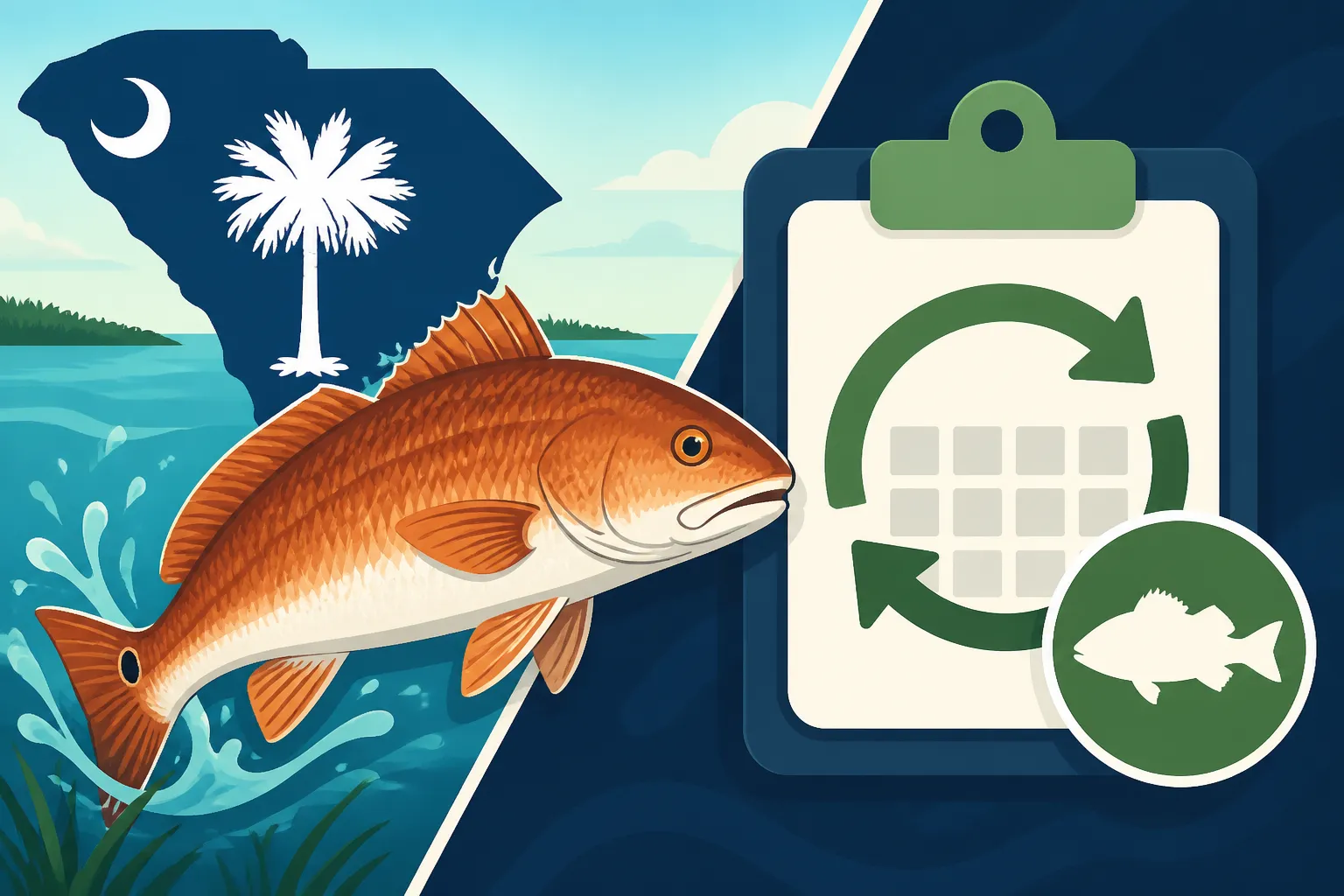
It’s a common frustration among anglers in South Carolina: you think you've got the Redfish regulations down, only to hear whispers on the dock that something has changed. Keeping up with bag limits, slot sizes, and other rules can feel like trying to hit a moving target, leaving many wondering how often Redfish regulations get updated and why it feels so unpredictable. This guide is here to demystify that process, explaining the ins and outs of how South Carolina’s Redfish rules evolve, why they do, and how you can stay ahead of the curve.
The Dynamic Nature of Redfish Regulations in South Carolina
The idea that fishing regulations are set in stone for years on end is a comforting thought, but when it comes to a highly sought-after species like the Redfish in South Carolina, it's rarely the reality. These regulations are far from static, and for good reason. They are living documents, constantly evaluated and adjusted to ensure the health of our fisheries for both today’s anglers and future generations.
Why Fisheries Management Isn't Static
Imagine a delicate ecosystem where every element plays a crucial role. Redfish populations are influenced by a myriad of factors, both natural and human-induced, making constant vigilance and adaptive management absolutely necessary.
- Ecological Factors: This is the big one. Redfish populations are dynamic, meaning their numbers go up and down based on a host of natural elements. We're talking about spawning success, which can be affected by everything from water temperature and salinity to habitat availability. Prey availability also plays a huge role; if the shrimp or baitfish population dips, Redfish numbers can follow. Even ocean currents and weather patterns can impact the survival rate of juvenile Redfish. Scientists are constantly monitoring these natural fluctuations, and when they see significant trends, it often triggers a review of existing regulations. For instance, a few years of poor spawning might lead to stricter limits to allow the population to rebound.
- Environmental Shifts: Our coastal environment in South Carolina is always changing, sometimes subtly, sometimes dramatically. Habitat loss due to coastal development, pollution from runoff, and the increasing impacts of climate change—like rising sea temperatures or more intense storms—can all put stress on Redfish habitats and populations. When crucial marsh grass habitats are degraded, it directly impacts where juvenile Redfish can shelter and feed. These larger environmental shifts can necessitate changes in regulations to compensate for external pressures on the fish.
- Angler Impact and Fishing Pressure: Let's be honest, we love catching Redfish! But the sheer number of anglers, both recreational and commercial, can have a significant impact on fish stocks. Modern fishing gear, improved boat technology, and simply more people on the water mean increased fishing pressure. If too many fish are being harvested, or if too many mature breeding fish are being removed, it can quickly lead to a decline in the population. The South Carolina Department of Natural Resources (SCDNR) monitors harvest rates closely. If data shows that anglers are consistently catching more fish than the population can sustainably replenish, then changes to daily bag limits or slot limits become inevitable. This is a direct response to ensure we don't "fish out" our favorite spots.
The Goal: Sustainable Fishing for Future Generations
It might feel inconvenient when the rules change, but at the heart of every regulation update is a single, vital objective: sustainability. The SCDNR isn't just trying to make your life harder; they're working tirelessly to strike a delicate balance between allowing anglers to enjoy their passion and ensuring there will be healthy Redfish populations for our kids and grandkids to enjoy.
They operate with a long-term vision, understanding that knee-jerk reactions are rarely the best solution. Instead, they aim for adaptive management that can respond to scientific data while considering the economic and social impacts on local communities and the angling industry. Think about it: if we overfish now, we'll lose not only the fish but also the charters, bait shops, and tourism that depend on healthy fisheries. The goal is to avoid that scenario at all costs, ensuring that the thrill of a Redfish on the line remains a staple of the South Carolina fishing experience for generations to come.
The SCDNR Process: How Regulations Get Updated
Understanding why regulations change is one thing, but knowing how they actually change helps demystify the process and makes it feel less arbitrary. The South Carolina Department of Natural Resources (SCDNR) follows a structured, data-driven approach, often involving extensive research, public input, and multiple layers of review. It's not a decision made lightly or quickly.
Data Collection and Scientific Assessment
The foundation of any regulation change is solid science. The SCDNR employs a team of dedicated marine biologists, fisheries scientists, and technicians who are constantly in the field, gathering critical data.
- Monitoring Programs: This involves everything from regular fish surveys, where scientists go out and net, tag, and release fish to assess their health, size distribution, and abundance, to acoustic tagging studies that track fish movements and spawning aggregations. They also conduct juvenile fish surveys in nursery habitats to get an early read on recruitment—how many young fish are surviving.
- Angler Reports and Creel Surveys: Believe it or not, your fishing experience contributes to the data! The SCDNR often conducts creel surveys, where staff interview anglers at boat ramps and docks to ask what they caught, where, and how big. These direct reports from the angling community are invaluable for understanding real-time harvest rates and fishing pressure. SCDNR also encourages voluntary reporting through various apps and programs, allowing anglers to submit their catch data directly.
- Stock Assessments: All this data feeds into comprehensive stock assessments, which are like detailed health check-ups for the entire Redfish population. These assessments use complex models to estimate population size, spawning stock biomass, mortality rates, and overall population trends. When a stock assessment indicates that a fish population is declining, or is at risk of declining below sustainable levels, it triggers a red flag and signals a need to review current regulations. This scientific rigor ensures that decisions are based on the best available evidence, not just anecdotal observations.
Public Input and Commission Review
Once the scientific data suggests a change might be necessary, the process opens up to involve the broader community. This is where your voice as an angler becomes crucial.
- Public Hearings and Feedback: Before any significant regulation change is finalized, the SCDNR typically holds public hearings across the state. These meetings are vital opportunities for anglers, fishing guides, conservation groups, and concerned citizens to voice their opinions, ask questions, and provide feedback on proposed changes. This input is meticulously collected and reviewed by the SCDNR Board. For example, if there's a proposal to adjust the South Carolina Redfish Slot Limit 18 to 25 Inches, these hearings would be where you could learn the reasoning and share your perspective.
- SCDNR Board and Commission Review: After gathering public input, the proposed changes go before the SCDNR Board, which is comprised of appointees from across the state. They review the scientific data, consider public comments, and discuss the implications of the proposed regulations. This body makes the final decision on whether to adopt, modify, or reject a proposed regulation. This multi-layered approach ensures that decisions are not just scientifically sound but also socially and economically considered. It’s a transparent, though sometimes lengthy, process.
Legislative Action and Emergency Measures
While most changes go through the SCDNR, sometimes state lawmakers get involved, and there are provisions for immediate, critical adjustments.
- Legislative Involvement: Occasionally, particularly significant or controversial changes, or those that require broad policy shifts, may need approval or direct action from the South Carolina state legislature. This can add another layer of complexity and time to the process, as legislative sessions operate on their own schedules. An example might be a fundamental change in how licenses are structured or funded, which often requires legislative consent.
- Emergency Measures: In rare but critical situations, the SCDNR has the authority to implement emergency regulations. These are typically short-term measures put in place to protect a fishery from immediate harm, such as a sudden, drastic decline in a fish population due to an unforeseen environmental event (like a severe red tide bloom) or an acute surge in fishing pressure that jeopardizes the stock. These emergency actions are designed to act swiftly and bypass the longer public review process, though they often come with clear expiration dates and are followed by a more comprehensive review. For instance, if an unexpected event severely impacted juvenile Redfish survival, you might see an emergency reduction in the South Carolina Redfish Daily Bag Limit Per Person.
Understanding the Frequency: When to Expect Changes
One of the most vexing aspects of fishing regulations is the lack of a predictable schedule for updates. It's not like clockwork, and that can certainly be frustrating for anglers who just want to know the rules.
No Fixed Schedule, But General Patterns Emerge
Forget annual updates; Redfish regulations in South Carolina operate on a need-be basis. There's no specific day or month each year when the SCDNR sits down to revise all Redfish rules.
- Event-Driven Adjustments: Instead, changes are event-driven. This means that regulations are typically revisited when new scientific data, stock assessments, or significant environmental shifts clearly indicate that the current rules are no longer sufficient to maintain a healthy and sustainable Redfish population. If the scientific monitoring shows the population is healthy and stable, there's little reason to make changes. Conversely, if a stock assessment highlights declining numbers or a shift in fish size distribution, that’s when the gears start turning toward potential adjustments.
- Announcements and Lead Times: While there's no fixed schedule, major regulation changes are rarely sprung on anglers overnight (unless it's an emergency measure). The SCDNR generally provides ample warning and public announcement periods. You’ll often see proposals discussed months in advance through their public outreach channels, allowing time for comment and assimilation of new information. This lead time is crucial, as it allows anglers to understand "Current Redfish Regulations for Coastal Waters" and adjust their fishing plans, whether that means changing their targeting techniques or even their gear from Amazon.
Recent Historical Adjustments and Why They Happened
To illustrate how these changes manifest, let's look at some significant Redfish regulation adjustments in South Carolina over recent years. These aren't just arbitrary decisions; they reflect real-world responses to population dynamics.
For a long time, South Carolina's Redfish regulations aimed for stability. However, concerns about the long-term health of the fishery, coupled with data indicating increased pressure and potential declines in spawning stock, led to significant adjustments.
- The Slot Limit and Vessel Limit Changes: One of the most talked-about changes in recent memory was the adjustment to the Redfish slot limit and the implementation of a vessel limit. For a period, South Carolina's Redfish slot limit was adjusted to 15-23 inches, with a daily bag limit of three fish per person. But as scientific data continued to roll in, particularly regarding the need to protect larger, more prolific breeding fish and spread the harvest more evenly, further adjustments were deemed necessary. More recently, anglers have been grappling with a new standard: the South Carolina Redfish Slot Limit 18 to 25 Inches. This change aimed to increase the survival rate of smaller fish while still allowing anglers to keep some fish, and more importantly, it was designed to let a greater proportion of the breeding-size fish remain in the water.
- The Two-Fish Vessel Limit: Hand-in-hand with the slot limit adjustments came the introduction of the South Carolina Redfish Two-Fish Vessel Limit Explained. This regulation means that regardless of how many licensed anglers are on a boat, the entire vessel can only possess two legal Redfish. This was a direct response to concerns about overall harvest pressure. Even if individual anglers were adhering to their bag limits, a boat with multiple anglers could still take out a significant number of fish. The vessel limit was implemented to further reduce the total number of Redfish removed from the fishery, giving the population a better chance to rebuild and thrive. Has South Carolina's Redfish Slot Limit Changed Recently? Yes, and these changes often spark lively discussions among the fishing community, but they are rooted in the SCDNR's ongoing commitment to sustainable management.
These changes highlight that when the scientific data indicates a need for stronger conservation measures, the SCDNR is prepared to act. It's a continuous balancing act, and these recent examples show a clear trend towards more conservative management to protect a prized species.
Your Strategy for Staying Informed on Redfish Rules
Given the dynamic nature of Redfish regulations, staying informed is not just good practice—it's essential for compliance and for being a responsible angler. No one wants to face a fine or confiscation because they missed a crucial update.
Official SCDNR Resources are Your Go-To
When in doubt, always go to the source. The South Carolina Department of Natural Resources (SCDNR) provides several official channels that are meticulously maintained and always up-to-date.
- The SCDNR Website: This should be your first and most frequent stop. The SCDNR website (dnr.sc.gov) has a dedicated section for fishing regulations. Bookmark it on your phone or computer. Before every fishing trip, especially if it's been a while or you're fishing a new area, take a few minutes to quickly review the relevant sections. Regulations can vary not just by species but sometimes by specific bodies of water, so a quick check is always warranted. This is where you'll find the official word on things like the South Carolina Redfish Daily Bag Limit Per Person, seasonal closures, and any recent amendments.
- Newsletters and Social Media: The SCDNR often sends out newsletters to subscribers and posts updates on their social media channels (Facebook, Twitter, Instagram). Following these accounts or signing up for their email list is an easy, passive way to get alerts about proposed changes, upcoming public meetings, and finalized regulations directly in your feed or inbox.
- The Go Outdoors South Carolina Portal: This online portal is more than just where you buy your licenses; it's an important hub for regulatory information. When you're logged into your account on Go Outdoors South Carolina, you can often find links to the most current regulations, and sometimes, alerts about changes that might affect your fishing. It’s a handy tool, especially if you also need to manage your fishing license details.
Community & Commercial Resources
Beyond the official channels, there's a wealth of information available in the angling community and through commercial outlets. These can often provide context, discussion, and practical interpretations of the rules.
- Local Tackle Shops and Marinas: These are goldmines of information. The folks working at your local Charleston tackle shop or Murrells Inlet marina are usually avid anglers themselves and are often the first to hear about or interpret new regulations. They can provide practical advice on how changes might impact your fishing strategy, what bait to use, or even suggest "Best Inshore Fishing Spots in South Carolina" that align with current rules. They're often passionate about ensuring local anglers are well-informed.
- Fishing Guides: Booking a trip with a reputable South Carolina fishing guide is not only a fantastic way to catch fish, but it’s also an excellent way to get real-time information on regulations. Guides are professionals whose livelihoods depend on knowing the rules inside and out. They are often active in public hearings and conservation efforts, making them incredibly knowledgeable resources. They’ll usually provide all the necessary gear and ensure your trip is compliant with current regulations, including the South Carolina Redfish Vessel Limit Rules Explained.
- Online Forums and Social Media Groups: While unofficial, dedicated South Carolina fishing groups on platforms like Facebook or local fishing forums can be great places to hear about changes and discuss them with other anglers. Just be cautious and always cross-reference any information you hear with official SCDNR sources. Use these as a heads-up, not as the definitive authority.
- Retailers like Amazon: When buying new fishing gear, whether it's a new reel, a selection of soft plastics, or a waterproof case for your phone, it’s a good habit to quickly check the regulations on the SCDNR site. For example, if you're eyeing a specialized Redfish lure on Amazon, a quick check of current regulations can ensure you're compliant with any gear restrictions or specific techniques that might be affected by recent rule changes. This habit of checking regulations before you hit the water can prevent issues, and can even help you decide if that new piece of gear is really going to be useful under the current rules.
The Buddy System and Direct Confirmation
Never underestimate the power of shared knowledge and, when absolutely necessary, direct inquiry.
- Talk to Other Experienced Anglers: If you’re heading out with a buddy, make it a point to discuss the current regulations. Often, one of you might have caught a recent update that the other missed. This simple conversation can prevent misunderstandings on the water. It’s also a good way to reinforce knowledge and learn from others' experiences. Just remember, even experienced anglers can sometimes miss an update, so verify if there's any doubt.
- Directly Contact SCDNR: If you're truly confused about a specific regulation, or if you can't find clear information online, don't hesitate to contact the SCDNR directly. They have regional offices and a main phone line where you can speak with staff who can clarify any rule. It's always better to ask a question beforehand than to face the penalties for fishing without a license in South Carolina, or for violating other regulations.
By combining these strategies, you can build a robust system for staying on top of South Carolina's ever-evolving Redfish regulations. It takes a little effort, but it's well worth it for the peace of mind and the continued health of our fantastic fishery.
Here’s a quick overview of some recent Redfish regulation adjustments:
| Regulation Aspect | Previous Rule (Example) | Current Rule (General) | Rationale Behind Change |
|---|---|---|---|
| Slot Limit | 15-23 inches | 18-25 inches | Protects juvenile fish and larger breeding stock. |
| Daily Bag Limit | 3 fish per person | 2 fish per person | Reduces individual harvest pressure. |
| Vessel Limit | N/A (per person only) | 2 fish per vessel, per day | Limits total harvest by groups on a single boat. |
| Seasonal Closures | Generally open year-round | Generally open year-round (no specific seasonal Redfish closure) | Based on stable seasonal movements, though always monitored. |
Note: Always double-check current regulations on the SCDNR website before fishing, as rules can change based on ongoing stock assessments and environmental factors.
Disclaimer
Please remember that fishing regulations are subject to change. While every effort has been made to provide accurate and up-to-date information in this guide, it is your responsibility as an angler to consult the official South Carolina Department of Natural Resources (SCDNR) website or their official publications for the most current rules and regulations before engaging in any fishing activity. This article is intended for informational purposes only and does not constitute legal advice.