Is Seatrout Gigging Legal in South Carolina in December?
Navigating the ever-changing world of fishing regulations can feel like trying to untangle a particularly stubborn fishing knot, especially when it comes to specific techniques and seasons. Many anglers, especially those new to the South Carolina coast or accustomed to different rules elsewhere, often wonder about the legality of certain methods. One common question that pops up as the cooler weather arrives is whether seatrout gigging is allowed in South Carolina during December. This guide is here to clear up that confusion and provide you with all the essential details you need to fish responsibly and successfully.
Understanding the Seatrout Gigging Ban in South Carolina
Let's cut right to the chase: No, seatrout gigging is not legal in South Carolina during December. This is a crucial regulation that many anglers, especially those who enjoy the thrill of gigging, need to be aware of. The South Carolina Department of Natural Resources (SCDNR) has implemented a specific seasonal ban to protect these popular inshore game fish. It’s not just about December either; the ban extends beyond that month, encompassing a significant portion of the colder season when seatrout are particularly vulnerable.
The Winter Gigging Prohibitions
The gigging ban for spotted seatrout in South Carolina's saltwater extends from December 1 through the end of February each year. This means that throughout the entire winter season, from the start of December, through January, and all of February, using a gig to harvest seatrout is strictly prohibited. This regulation is a conservation measure, put in place to ensure the long-term health and sustainability of the spotted seatrout population in our coastal waters. It acknowledges a critical period in the fish's life cycle when they become more susceptible to certain harvesting methods.
What "Gigging" Actually Means
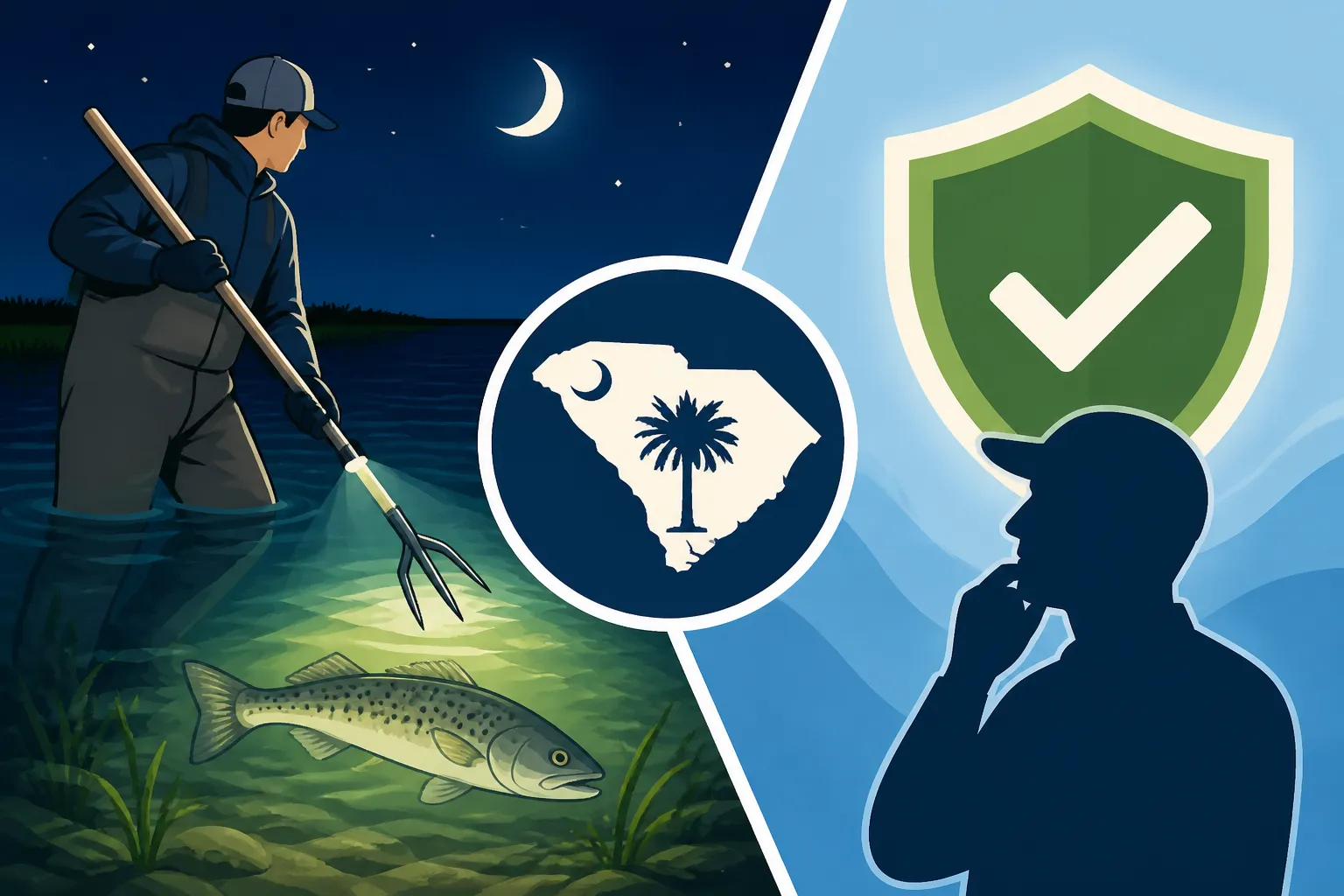
For those unfamiliar, gigging is a method of harvesting fish using a multi-pronged spear, or "gig." Anglers typically use gigs at night, often from a boat specially equipped with bright lights, to locate fish in shallow waters. The lights illuminate the bottom, making it easier to spot fish like flounder and, traditionally, spotted seatrout, which can then be speared. It’s a very visual and active form of fishing, often done in calm, clear water conditions. However, because it relies on directly targeting individual fish at night, it can be an incredibly effective and sometimes overly efficient method, especially when fish are concentrated in specific areas.
The Impact on Anglers
This ban can certainly be a bummer for those who enjoy the unique experience of gigging for seatrout. It's a tradition for some, a preferred method for others, and its absence during the winter months means a shift in how anglers approach the fishery. We all love to get out on the water, and having a go-to technique suddenly off-limits can feel restrictive. However, it's vital to remember that these regulations are designed for the greater good of the fishery, ensuring that future generations can also enjoy the abundance of South Carolina's spotted seatrout. Knowing these rules is part of being a responsible angler, and you can learn more about general rules in our guide to South Carolina's Winter Gigging Ban for Seatrout.
Why the Winter Ban is in Place for Seatrout Conservation
Understanding the "why" behind a regulation can often make it easier to accept, even if it changes your fishing plans. The winter gigging ban for spotted seatrout in South Carolina isn't arbitrary; it's a carefully considered measure based on scientific understanding of the species' biology and behavior. The SCDNR monitors fish populations closely, and these rules are a direct response to conservation needs, particularly during a vulnerable time for seatrout.
Protecting Spawning and Overwintering Fish
Spotted seatrout, while generally resilient, become more vulnerable during colder months. As water temperatures drop, these fish often seek out deeper, more stable water in estuaries, creeks, and rivers where they "overwinter." They tend to school up in these thermal refuges, becoming more lethargic and less active than they would be in warmer waters. This behavior makes them much easier targets for gigging, as they are concentrated in predictable areas and are less likely to spook and flee when approached with lights.
During this period, they are also conserving energy, and excessive disturbance or harvest can have a disproportionate impact on their overall population health. The ban helps reduce fishing pressure during this critical overwintering phase, allowing the fish to conserve energy and survive until spring, which is vital for their spawning success in the warmer months. Protecting them when they are most concentrated and least active helps ensure that there are plenty of healthy fish to reproduce, leading to robust populations in the future.
The Role of SCDNR in Management
The South Carolina Department of Natural Resources (SCDNR) is the agency tasked with managing the state's natural resources, including its marine fisheries. They employ biologists, researchers, and enforcement officers to study fish populations, develop management plans, and ensure compliance with regulations. The gigging ban is one example of how the SCDNR actively works to balance recreational fishing opportunities with the imperative of conservation. They collect data on fish stocks, assess environmental factors, and consult with stakeholders to make informed decisions that promote sustainable fishing. These efforts are part of a larger strategy to maintain healthy ecosystems and provide lasting recreational benefits for anglers across the state. You can often find detailed information about specific species, including Spotted Seatrout Size and Bag Limits in South Carolina, directly from the SCDNR's official website.
Alternatives to Gigging for Winter Seatrout
Just because gigging for seatrout is off the table in December doesn't mean you have to hang up your fishing gear! South Carolina offers fantastic winter fishing opportunities, and catching spotted seatrout with a rod and reel during these colder months can be incredibly rewarding. It just requires a slight adjustment in your approach and a bit of patience. The fish are still there, just behaving a little differently.
Rod and Reel Fishing Remains Permitted
The good news is that traditional rod and reel fishing for spotted seatrout is absolutely permitted throughout December, January, and February, provided you have a valid South Carolina Fishing License Guide and adhere to all other regulations like size and bag limits. This means you can still enjoy the thrill of targeting these beautiful fish, you just need to swap out your gig for a fishing rod. In fact, many experienced anglers find winter rod and reel fishing for seatrout to be a highly productive and enjoyable pursuit, often leading to some of the largest trout of the year.
Effective Rod and Reel Techniques for Winter Seatrout
When the water cools down, seatrout become more sluggish, so your presentation needs to match their mood. Think slow and deliberate.
- Go Deeper: As discussed, seatrout move to deeper pockets, channels, and creek bends to escape the cold. Focus your efforts on these areas. Use your electronics to find drop-offs, submerged structures, and concentrations of baitfish.
- Slow Down Your Retrieve: Forget the fast, erratic retrieves of summer. In winter, a slow, methodical retrieve is key. Seatrout aren't going to chase down a fast-moving lure; they're conserving energy. Let your baits sit longer in the strike zone.
- Soft Plastics and Jigs: Jig heads paired with soft plastic lures are absolute winners for winter trout. Colors like chartreuse, white, electric chicken, or darker natural shades often work well. Keep the jig head weight appropriate for the depth and current; you want it to bounce gently along the bottom. Brands like Z-Man or Vudu Shrimp offer fantastic options often available on Amazon that are incredibly durable and mimic natural baitfish or shrimp.
- Live Bait: Live shrimp, mud minnows, or small finger mullet are always excellent choices, especially when fished under a popping cork or on a Carolina rig. Present them slowly, letting them drift naturally with the current in deeper holes. A popping cork can still be effective, but use it sparingly to avoid over-agitating lethargic fish.
- Targeting Structure: Look for structure that offers protection and holds warmth, such as oyster beds, docks, deeper ledges along marsh banks, and even bridges. These spots often concentrate both baitfish and the trout that feed on them.
Targeting Other Species in December
If winter seatrout are proving elusive or you just want to broaden your horizons, December in South Carolina still offers plenty of other exciting fishing opportunities. Our inshore waters are home to a diverse array of fish that remain active even when the temperatures dip.
- Redfish: Often referred to as "red drum," these powerful fish are a winter favorite. Redfish tend to school up in shallow, sun-warmed flats during low tide, making them excellent targets for sight fishing. They'll readily hit a variety of lures and baits, especially scented soft plastics or live shrimp. Check out our guide to South Carolina Redfish Slot Limit Rules for current regulations.
- Sheepshead: These "convict fish" with their human-like teeth are plentiful around structures like oyster beds, pilings, and jetties. They're notorious bait stealers, but if you can master their subtle bite, they offer a great fight and delicious table fare. Small pieces of fiddler crabs or barnacles are prime bait.
- Flounder: While flounder gigging might be associated more with warmer months, some flatfish can still be caught with a rod and reel in December, often in deeper channels or near structure. Slowly dragging a Gulp! shrimp on a jig head or a live mud minnow along the bottom can produce results.
- Nearshore Reefs: If conditions allow for a short boat ride offshore, the nearshore reefs and wrecks can hold black sea bass, triggerfish, and even some snapper species in December. These spots can offer fast action and a chance to fill the cooler.
Exploring these different species and techniques can keep your fishing rod bent all winter long, even when seatrout gigging is on hiatus. Don't forget to keep an eye on the South Carolina Saltwater Fishing Seasons to know what's biting best.
Penalties for Violating the Gigging Ban
Ignoring fishing regulations, especially a clear seasonal ban like the one for seatrout gigging, isn't just a minor oversight—it carries real consequences. SCDNR enforcement officers are out patrolling our waterways year-round, and they take these conservation laws seriously. Getting caught violating the gigging ban can lead to a range of penalties that will quickly sour any fishing trip. It’s far better to be informed and compliant than to risk the repercussions.
What Happens If You're Caught
If a SCDNR officer finds you gigging for spotted seatrout during the prohibited season (December through February), you can expect to face significant legal ramifications. These often include:
- Fines: You'll likely be issued a hefty fine, which can easily range into the hundreds of dollars, depending on the severity of the violation and whether it's a first offense. These aren't just minor tickets; they are designed to deter illegal activity.
- Forfeiture of Equipment: The gigging equipment itself, including your gig, lights, and potentially even your vessel, could be subject to confiscation. Imagine losing your boat or expensive gigging setup – it's a huge financial hit on top of the fine.
- Suspension or Revocation of Fishing Privileges: Beyond monetary penalties, your South Carolina fishing license could be suspended for a period, or even permanently revoked in cases of repeated or egregious violations. This means you wouldn't be able to fish legally in the state for a set amount of time.
- Criminal Charges: In some extreme cases, or for repeat offenders, violations could escalate to misdemeanor charges, potentially leading to court appearances and a criminal record.
These penalties are in place to underscore the importance of conservation and to ensure that regulations are respected by all anglers. It's a clear message that protecting our fisheries is a shared responsibility. Anglers can find more information about the serious nature of these violations in resources like Penalty for Fishing Without a License in South Carolina, which highlights the state's commitment to enforcing fishing laws.
Importance of Knowing the Rules
The onus is always on the angler to know and understand the current fishing regulations before heading out on the water. Ignorance of the law is not considered a valid excuse. Regulations can change, sometimes annually, so it's crucial to regularly check the most up-to-date information provided by the SCDNR. This might mean visiting their website, picking up a current regulations pamphlet, or downloading a fishing app that provides real-time rule updates.
For instance, while the general South Carolina Fishing License Requirements in South Carolina might stay consistent, specific bag limits for species like redfish and seatrout, or seasonal prohibitions like the gigging ban, can be adjusted based on scientific assessments of fish populations. By staying informed, you not only avoid costly penalties but also contribute positively to the conservation efforts that keep South Carolina a premier fishing destination. After all, we all want to ensure that our favorite fish species are around for us, and for future generations, to enjoy.
Seatrout Gigging Ban Summary
To make things absolutely clear, here's a quick reference on the seatrout gigging ban:
| Method | Species | Status in December | Seasonal Restriction Dates | Reason for Restriction |
|---|---|---|---|---|
| Gigging | Spotted Seatrout | ILLEGAL | December 1 – February 28/29 | Conservation of overwintering fish |
| Rod and Reel Fishing | Spotted Seatrout | LEGAL | Year-round (with license & limits) | Sustainable harvest |
| Gigging | Flounder | LEGAL (check specific regs) | Varies, generally allowed in winter, but always check current SCDNR regulations. | Management of flounder populations |
| Rod and Reel Fishing | Redfish | LEGAL | Year-round (with license & limits) | Sustainable harvest |
| Rod and Reel Fishing | Sheepshead | LEGAL | Year-round (with license & limits) | Sustainable harvest |
Always consult the latest South Carolina Department of Natural Resources (SCDNR) regulations before any fishing trip, as rules can change. This table is a general guide.
Disclaimer
Please note that fishing regulations are subject to change. While we strive to provide the most current and accurate information, it is always the angler's responsibility to verify all rules and regulations with the South Carolina Department of Natural Resources (SCDNR) before engaging in any fishing activity. This article is intended for informational purposes only and should not be considered legal advice.