Fishing License Rules for Kids in South Carolina
It’s a common moment for many families: you’re packing up the car, excited for a day of fishing with the kids, only to have that nagging thought creep in – do my children even need a fishing license in South Carolina? The rules can feel confusing and overwhelming, especially when you just want to enjoy some quality time outdoors. This comprehensive guide will untangle the specific fishing license requirements for kids in South Carolina, ensuring you understand exactly when and why a junior angler might need one, and how to get it done without a headache.
The General Rule for Kids and Fishing Licenses in South Carolina
Let's get straight to the point because this is where most of the confusion starts. South Carolina, like many states, understands the importance of getting youth involved in fishing. They want to make it as easy as possible for parents and guardians to introduce kids to the joys of casting a line, and that often means providing some leeway when it comes to licenses.
Age-Based Exemptions: When a License Isn't Needed
The primary rule you need to etch into your memory, especially if you're taking youngsters out, is this: children under the age of 16 do not need a fishing license in South Carolina. This applies to both freshwater and saltwater fishing activities. It's a wonderful exemption that removes a significant barrier for families, encouraging them to head out to the lakes, rivers, or coastal waters without the added step of purchasing a separate license for each child.
Imagine a Saturday morning at Lake Murray or a quiet afternoon along a marshy creek near Mount Pleasant. If you have a 10-year-old and a 14-year-old, you, as the adult, would need your appropriate South Carolina fishing license, but your kids would be free to fish alongside you, reel in hand, without any additional paperwork. This exemption is designed to foster participation and make those family fishing trips hassle-free. It’s all about creating positive early experiences with fishing and conservation, rather than burdening families with extra red tape right from the start.
Understanding the "Under 16" Guideline
While the "under 16" rule seems straightforward, it's worth a moment to truly understand what it means. It's not about being exactly 16 years old; it's about being under that age threshold. So, if your child's 16th birthday is next week, they are still exempt today. The moment they turn 16, however, they will officially require their own fishing license to continue fishing legally in South Carolina. This applies whether they're fishing in freshwater or saltwater, from the bank or from a boat.
This age cutoff is pretty standard across many states and simplifies enforcement for wildlife officers. It means you don't have to carry a birth certificate or other proof of age for your younger kids, though it's always wise to have some form of identification on hand in case there's ever a question. For most families, it simply means less to worry about and more time to focus on baiting hooks and untangling lines – the real challenges of fishing with kids! You can find more details about general rules in the Fishing License Age Requirements in South Carolina.
Why These Age Limits Exist
The South Carolina Department of Natural Resources (SCDNR) sets these age limits with a few key objectives in mind. Firstly, it's about promoting youth engagement in outdoor activities. Fishing is a fantastic way for kids to connect with nature, learn patience, and develop an appreciation for wildlife and conservation. By making it free and easy for them to participate, the state encourages families to spend time together outdoors, creating lifelong memories and potentially nurturing the next generation of responsible anglers.
Secondly, it's a practical consideration. The financial burden of purchasing multiple licenses for a family can be a deterrent, especially if fishing is only an occasional activity. Removing the requirement for younger children helps alleviate this. Lastly, it acknowledges that young children are typically fishing under the direct supervision of an adult who is already licensed and accountable for adhering to regulations like bag limits and size restrictions. It's a pragmatic approach to regulation that balances conservation needs with the desire to make fishing accessible and enjoyable for everyone, especially those just starting out.
Specific Scenarios and Exceptions for Young Anglers
While the "under 16" rule covers most situations, fishing can happen in a variety of places, and sometimes these specific locations or events come with their own nuances. It's important to be aware of these, so you're not caught off guard.
Fishing in Private Ponds and Farm Lakes
This is one of those areas where people often assume licenses aren't needed at all, regardless of age, and while that's mostly true, there's a small but significant detail to remember. In South Carolina, if you are fishing in a completely private pond or lake that is entirely enclosed on private land and does not have any connection to public waterways (meaning fish cannot enter or leave naturally), then no fishing license is required for anyone, regardless of age. This is a common situation for farm ponds or small community lakes that are isolated.
However, the key is that it must be truly isolated. If the pond is fed by a public stream, or drains into one, even intermittently, then it's considered part of the public water system, and licenses would be required for those aged 16 and older. For your children under 16, they remain exempt in any case. But it's crucial for the supervising adult to understand this distinction. Many people fish their own private ponds and assume this exemption covers all scenarios, but if that pond has an outflow into a creek that leads to a larger river, suddenly you're in public waters, and the rules change. When in doubt, it’s always better to assume you need a license if you’re 16 or older.
The Role of Supervised and Educational Fishing Events
South Carolina is fantastic about hosting youth fishing rodeos, educational clinics, and other supervised events designed to introduce kids to angling. These events are often structured specifically to make it easy for children to participate. For the most part, if your child is participating in an official, organized youth fishing event sponsored or sanctioned by the SCDNR or a local conservation group, they will likely not need a fishing license, regardless of whether they are under or over 16 (though the event organizers will specify if any age groups do need one).
These events are designed to be hands-on learning experiences, and removing the license requirement is another way to lower barriers to entry. Event organizers typically secure special permits or operate under blanket exemptions for these specific days. It's a fantastic opportunity for kids to learn about fish species, proper handling techniques, and the importance of conservation from experienced anglers. Always check with the specific event organizers for their rules, but generally, these are license-free fun days for the kids. You can learn more about similar initiatives during South Carolina Free Fishing Days Explained.
Fishing from Public Piers and Chartered Boats
This is another area where confusion often arises. Let’s break it down:
Public Piers
When fishing from a public pier in South Carolina, the situation for children under 16 remains the same: they do not need a license. The pier itself usually holds a blanket saltwater fishing license that covers all its patrons. This means that anyone fishing from that specific pier, regardless of whether they're a resident or non-resident, is covered by the pier's license. This is a huge benefit, especially for tourists who might not have their own licenses or for families looking for an easy, accessible way to fish the coast.
However, the adult accompanying the child (if the adult is 16 or older) should still confirm that the pier indeed holds such a license. Most major public piers, like those in Myrtle Beach or Folly Beach, do. But always double-check. And remember, this blanket license only applies while you are on that pier. If you decide to go surf fishing on the beach just a few yards away, the pier's license no longer covers you, and those aged 16 and up would need their individual licenses.
Chartered Boats
Booking a fishing charter in South Carolina is a popular option for many families, especially visitors, as it provides all the gear and expertise needed for a successful outing. The great news is that children under 16 on a licensed South Carolina fishing charter boat generally do not need their own individual fishing license. The charter boat captain operates under a specific vessel license that covers all passengers on board.
This is a fantastic convenience, as it means you don't have to worry about buying separate licenses for everyone in your group. It simplifies the planning process immensely, letting you focus on the excitement of the trip. Just like with public piers, the captain's license covers everyone fishing from that specific boat during the trip. This applies to both inshore and offshore charters. So, if you're taking your kids out with a guide near Charleston for redfish or spotted seatrout, or heading offshore for mahi-mahi or king mackerel, they'll be covered. You can learn more about these trips in the South Carolina Fishing Charters: The Complete Guide. Always confirm with your specific charter captain, but this is the standard practice.
What if a Child Does Need a License?
Okay, so we've covered that kids under 16 generally don't need a license. But what happens on their 16th birthday? Suddenly, those rules shift, and they'll need their own to continue fishing legally. It's important to be prepared for this transition.
Navigating the South Carolina Department of Natural Resources (SCDNR)
Once your child hits 16, they become an adult in the eyes of fishing regulations and will need to acquire a license just like any other adult angler. The primary authority for this is the South Carolina Department of Natural Resources (SCDNR). Their website, particularly the "Go Outdoors South Carolina" portal, is your best friend for understanding current regulations, purchasing licenses, and finding general information. It can feel like a labyrinth if you're not used to it, but with a bit of patience, it's quite manageable.
The SCDNR provides detailed information on all license types, including those for residents and non-residents, and options for different durations (annual, 14-day, 3-year). It’s a good idea to familiarize yourself with their site, even before your child turns 16, so you’re not scrambling at the last minute. They also provide comprehensive guides on various topics, from bag limits to season specifics. Knowing how to use this resource efficiently will save you a lot of headaches in the long run.
Different License Types for Youth (and How They Compare)
When your child turns 16 and needs a license, they'll be looking at the same options as any adult. The type of license they need will depend on a few factors:
- Residency: Are they a South Carolina resident or a non-resident? This is the biggest factor in cost. Resident licenses are significantly cheaper. You can explore Resident Freshwater Fishing License Costs in South Carolina or Nonresident Freshwater Fishing License Costs in South Carolina.
- Water Type: Will they be fishing in freshwater, saltwater, or both? South Carolina requires separate licenses for freshwater and saltwater, or you can purchase a combination license that covers both.
- Duration: Do they fish frequently throughout the year, or just for a short trip? Options typically include annual licenses, 14-day licenses, or even 3-year licenses for residents.
Here’s a quick comparison of the most common options a 16-year-old might consider:
| License Type | Residency | Duration | Coverage | Typical Cost (Approx.) | Notes |
|---|---|---|---|---|---|
| Freshwater Fishing License | Resident | Annual | Freshwater | $10 | Most common for residents, very affordable. |
| Saltwater Fishing License | Resident | Annual | Saltwater | $15 | Needed for coastal fishing. |
| Freshwater Fishing License | Non-Resident | Annual | Freshwater | $35 | Higher for out-of-state visitors. |
| Saltwater Fishing License | Non-Resident | Annual | Saltwater | $75 | Even higher for non-resident coastal access. |
| 14-Day Freshwater License | Resident | 14 Days | Freshwater | $5 | Great for short trips or beginners. |
| 14-Day Freshwater License | Non-Resident | 14 Days | Freshwater | $11 | More economical for non-residents on a short visit. |
| 7-Day Saltwater License | Non-Resident | 7 Days | Saltwater | $30 | Best for a week-long beach vacation. |
| All Water Fishing License | Resident | Annual | Fresh & Salt | $25 | Often the best value for residents who fish both. |
Costs are approximate and subject to change by SCDNR. Always check current prices.
The best choice for a 16-year-old will depend entirely on their fishing habits and where they live. If they're a South Carolina resident who loves both Lake Marion bass fishing and coastal redfish, an annual All Water License is likely the most cost-effective and convenient. If they're an out-of-state visitor only planning a single weekend trip to fish for trout in the Upstate, a 14-day non-resident freshwater license would be more appropriate. You can read more about options in South Carolina Annual Fishing License Price Breakdown and Short-Term Fishing License Options in South Carolina.
How to Purchase a License for a Minor
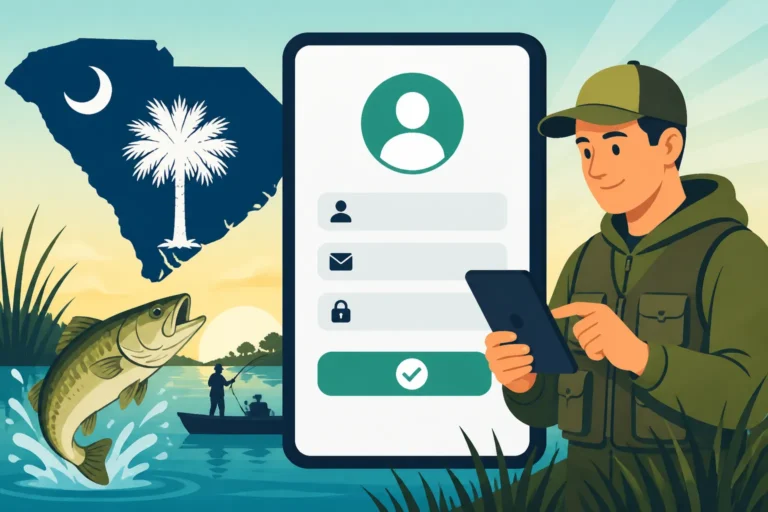
Purchasing a fishing license for a 16-year-old is the same process as buying one for an adult. The easiest and most common way to do it is online through the Go Outdoors South Carolina portal on the SCDNR website. This platform allows you to create an account, select the desired license type, and pay with a credit card. You can even print a temporary license immediately after purchase, which is super convenient.
Alternatively, licenses can be purchased in person at authorized SCDNR license vendors. These vendors are typically bait and tackle shops, sporting goods stores, and even some Wal-Marts. If you prefer a face-to-face transaction or need help navigating the options, this is a great choice. Just make sure to bring proof of residency if purchasing a resident license (like a South Carolina driver's license or state ID). For a 16-year-old, their parent or guardian can help them set up the online account or accompany them to a vendor. It's usually a quick and painless process, taking just a few minutes.
Common Pitfalls and Misunderstandings
Even with clear rules, real-world situations can throw a wrench in things. A few common scenarios often lead to confusion or unintentional violations, especially when involving younger anglers.
The Grandparent/Guardian Conundrum
It's a beautiful sight: grandparents taking their grandchildren fishing. But this heartwarming scene can sometimes hit a snag with license requirements if not understood properly. While the "under 16" exemption applies to the grandchild, the grandparent (or any adult guardian) still needs their appropriate South Carolina fishing license. There's no special exemption for adults just because they are supervising children, unless they are covered by one of the free fishing days or specific exemptions like the Senior Lifetime License at certain ages.
For example, a grandparent from North Carolina visiting their 12-year-old grandchild in South Carolina decides to take them fishing on Lake Murray. The 12-year-old needs no license. The grandparent, however, being a non-resident and over 16, would need a valid South Carolina Nonresident Freshwater Fishing License. Failure to have one could result in a fine for the grandparent, even if they're just helping the child cast. The focus is always on the individual angler's age and residency for those 16 and older. It's a common oversight, so it's worth a specific mention. You can find more specific information on this in Fishing License Rules for Grandparents Taking Kids Fishing.
Border Waters: South Carolina vs. Neighboring States
South Carolina shares borders with North Carolina and Georgia, and along these borders are rivers and lakes that can be fished from either state. This creates a unique situation where license reciprocity comes into play, which can be particularly confusing for families. For instance, the Savannah River forms a significant border with Georgia, and sections of the Catawba River system flow into North Carolina.
Generally, if you are fishing in border waters that are designated as such, South Carolina has reciprocity agreements with North Carolina and Georgia. This means if you possess a valid resident fishing license from South Carolina, you can often fish in the reciprocal waters of North Carolina or Georgia, and vice-versa, without needing a second license.
However, these agreements only apply to the adult angler (16 and over) holding the license. For children under 16, their South Carolina exemption generally applies to South Carolina waters. If you cross into Georgia waters, for example, your 14-year-old might technically fall under Georgia's rules, which could differ. Always check the specific reciprocity agreements for the exact body of water you plan to fish. The details can be found on the SCDNR website or through the wildlife agencies of the neighboring states. It's a tricky area, and it's always better to err on the side of caution or call the SCDNR if you're unsure about a specific border water crossing. More on this topic can be found at South Carolina Fishing License Reciprocity With North Carolina or South Carolina Fishing License Reciprocity With Georgia.
Penalties and Enforcement for Unlicensed Fishing (Even for Families)
While wildlife officers are generally understanding when it comes to families, the rules are still the rules. For children under 16, since they are exempt, there's obviously no penalty for them not having a license. The issue arises when an adult (16 or older) is found fishing without the proper license, even if they are primarily focused on helping a child.
The penalty for fishing without a license in South Carolina can range from fines to confiscation of equipment, depending on the severity and whether it's a repeat offense. It's classified as a misdemeanor. While an officer might give a warning for a first-time, minor infraction, they are well within their rights to issue a citation. Imagine you're out with your kids, having a great time, and then you're hit with a fine of over $100 just because you forgot to renew your own license. It can certainly ruin a family outing and make you rethink future trips.
The SCDNR's enforcement officers patrol lakes, rivers, and coastal areas regularly. They aren't there to ruin your day, but to ensure compliance with regulations that are in place for the health of South Carolina's fish populations. It's a small price to pay for the privilege of enjoying the state's beautiful fisheries, and it sets a good example for the younger generation about following rules and respecting nature. So, always make sure your own license is current before you head out, and if your child is turning 16 soon, help them get theirs to avoid any unpleasant surprises. You can read more about this in Penalty for Fishing Without a License in South Carolina.
Fostering a Love for Fishing Responsibly
Getting kids into fishing is more than just catching fish; it's about instilling values of respect, patience, and environmental stewardship. The license exemptions are a gateway, but the real education happens on the water.
Teaching Kids About Regulations and Conservation
Even though children under 16 don't need a license, it's never too early to start teaching them about why these rules exist. Explain that fishing licenses help fund conservation efforts, stock fish, maintain boat ramps, and manage healthy fish populations across South Carolina. This helps them understand that fishing isn't just a free-for-all; it's a privilege that comes with responsibility.
Talk to them about bag limits and size restrictions (like the South Carolina Redfish Slot Limit or Spotted Seatrout Size and Bag Limits in South Carolina). Use it as a learning opportunity. If you catch a fish that's too small or too big, show them how to properly measure it and explain why it needs to go back into the water. Demonstrate proper catch-and-release techniques to minimize stress on the fish. These lessons are far more valuable than any fish they might catch. They teach respect for the resource and the importance of sustainability, ensuring that future generations will also have abundant waters to fish.
Making Fishing Accessible and Fun
The best way to keep kids interested in fishing is to make it an enjoyable and accessible activity. Start with simple setups, like a basic spin-cast rod and reel. Brands like Zebco offer excellent, kid-friendly combos that are durable and easy to use. For bait, think worms, crickets, or even corn – anything that guarantees a bite! Bluegill and other panfish are perfect targets for young anglers because they are plentiful and eager to bite. Remember, it's not about catching a trophy fish every time; it's about the excitement of the tug on the line.
Choose locations that are easy to access and relatively safe, like a local pond or a designated fishing pier. Public parks and state parks often have great spots for family fishing. Consider bringing snacks, drinks, and maybe even a small toy or book for when their attention wanes. Keep the trips short at first, building up endurance as their interest grows. The goal is to create positive associations with fishing, turning it into a cherished family tradition rather than a chore. Finding a good, calm spot can make all the difference, perhaps one of the Family-Friendly Fishing Spots in South Carolina.
Essential Gear for Young Anglers
While you don't need to break the bank, having the right gear can significantly enhance a child's fishing experience. Safety should always be paramount, so a properly fitted life jacket is non-negotiable, especially when on a boat or near deep water.
Here’s a small checklist of essentials you might consider, many of which are readily available on platforms like Amazon:
- Kid-Sized Rod and Reel Combo: Look for a lightweight, easy-to-use spin-cast reel (like those from Zebco or Shakespeare Ugly Stik Jr.). A shorter rod (4-5 feet) is easier for small hands to manage.
- Basic Tackle Box: A small, simple tackle box filled with hooks (barbless hooks are great for beginners), sinkers, bobbers, and maybe a few colorful lures or plastic worms.
- Bait: Live bait like worms or crickets are often the most effective and exciting for kids. Pack them in a small container.
- Pliers/Forceps: Essential for safely removing hooks from fish. This can be a job for an adult, but kids can learn the importance of it.
- Small Cooler: For snacks, drinks, and keeping any keeper fish fresh.
- Sun Protection: Sunscreen, a hat, and sunglasses are vital for long hours outdoors. You can find excellent, kid-specific sun protection gear on Amazon.
- First-Aid Kit: Small cuts from hooks or scrapes are common.
- Camera: To capture those precious memories of their first catch!
By providing them with their own gear, even if it's inexpensive, you empower them and make them feel like a true angler. Remember, the journey of becoming a skilled angler starts young, and providing them with the right tools and knowledge will set them on a path to a lifelong love of the sport.
Disclaimer
Please note that fishing regulations, including license requirements and age exemptions, can change. While every effort has been made to provide accurate and up-to-date information, it is the angler's responsibility to verify current rules with the South Carolina Department of Natural Resources (SCDNR) before fishing.