What Fish Can You Catch on a South Carolina Inshore Charter?
When you're dreaming of a fishing trip to South Carolina, especially along its beautiful coast, you might find yourself wondering, "What exactly will I catch if I book an inshore charter?" It's a valid question! With so many estuaries, tidal creeks, and shallow flats, the inshore waters of the Palmetto State are teeming with life, but knowing which fish you'll actually encounter can help manage expectations and build excitement for your angling adventure. This guide will walk you through the most common and sought-after species you can expect to target on a South Carolina inshore charter, along with what makes them such popular catches.
Understanding South Carolina's Inshore Waters
Before we dive into the specific species, let's chat about what "inshore" truly means in the context of South Carolina fishing. Unlike offshore trips that take you miles out into the vast Atlantic, inshore fishing keeps you within sight of land, exploring the intricate network of tidal rivers, salt marshes, sounds, bays, and creeks that define our stunning Lowcountry coastline. These shallow, nutrient-rich waters are incredibly dynamic, influenced heavily by the daily ebb and flow of the tides.
The Lifeblood of the Estuary
Our estuaries are vital nurseries for countless marine species, providing shelter and abundant food sources for juvenile fish, shrimp, and crabs. This rich ecosystem means a vibrant food chain, making these areas prime hunting grounds for predatory fish. The combination of oyster beds, spartina grass, and submerged structures creates a diverse habitat where fish can thrive, find protection from larger predators, and ambush their prey. It's a complex, beautiful environment that changes constantly with the tides, presenting new challenges and opportunities for anglers and their guides. Understanding this dynamic is key to appreciating why certain fish call these waters home.
Tides and Seasons: Guiding Your Catch
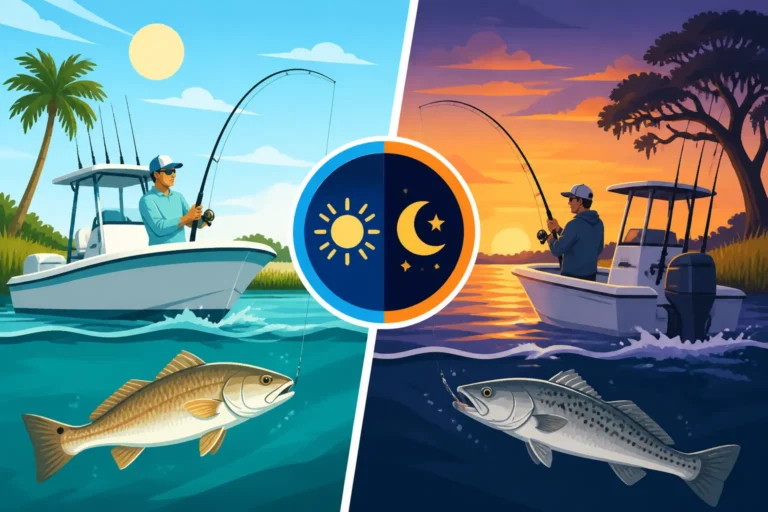
The tides play an enormous role in inshore fishing in South Carolina. High tide can push water deep into the grass flats, allowing redfish to "tail" as they root for crabs. Low tide can expose oyster rakes and channel edges, concentrating fish in deeper pockets and making them easier to target. Your charter captain will be an expert in reading these tidal movements, knowing exactly where to go and when to maximize your chances. Beyond tides, the seasons also dictate what's biting. While some species are year-round residents, others, like tarpon, are migratory visitors, making their appearance during warmer months. This seasonal shift means every trip can offer something a little different, keeping things exciting no matter when you cast a line.
The Main Targets: Star Species of Inshore South Carolina
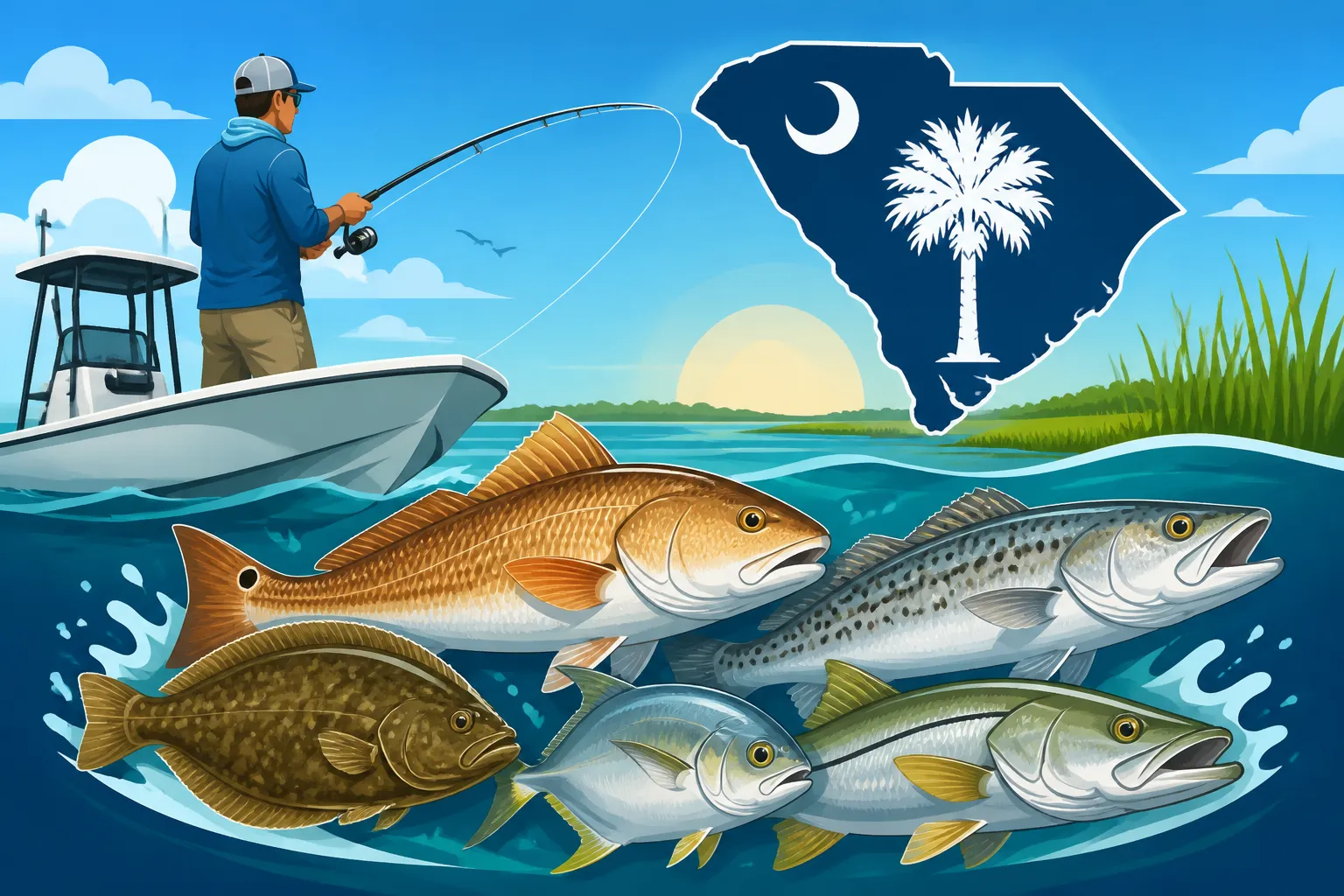
When you hop aboard an inshore charter in South Carolina, there are a few "holy grail" species that most anglers hope to encounter. These are the fish that define the inshore experience here, offering thrilling fights and often delicious rewards.
Redfish Red Drum
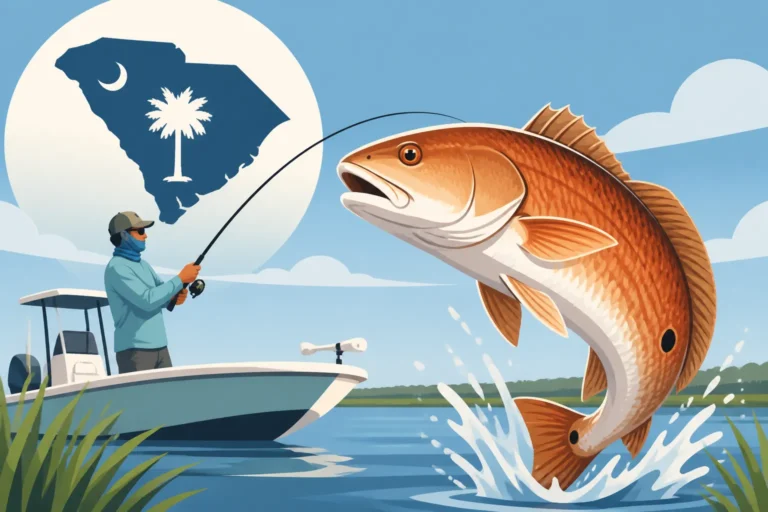
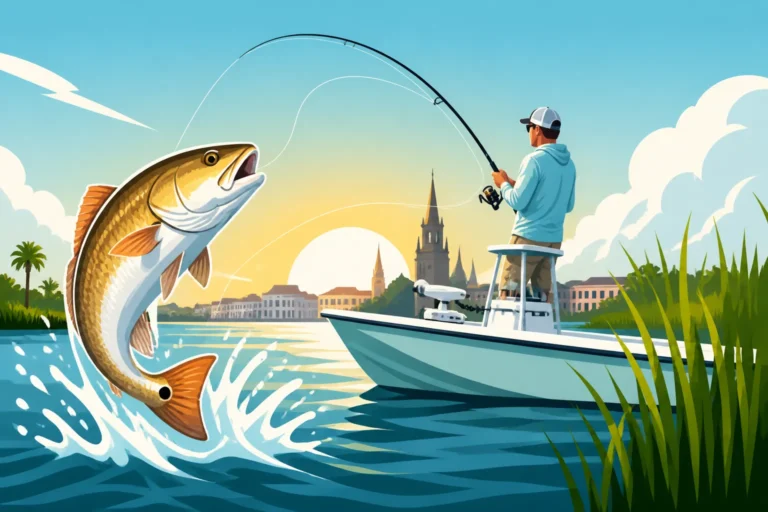
Ah, the mighty Redfish, or Red Drum as they're also known! If there’s one fish that epitomizes South Carolina inshore fishing, it’s this bronze beauty. Redfish are incredibly popular due to their fighting spirit, beautiful coloration, and the sheer challenge of targeting them in shallow water. You'll often find them cruising grass flats, around oyster rakes, along creek banks, and near docks and other structures. They're opportunistic feeders, munching on crabs, shrimp, and smaller baitfish.
Anglers often target redfish with a variety of techniques, from casting artificial lures like soft plastics and spoons to presenting live bait such as mud minnows or shrimp. Watching a redfish "tail" on a flood tide as it forages in the grass is an unforgettable experience, and sight-casting to them in clear water is the stuff of legends. Just remember, conservation is key, and adhering to regulations like South Carolina Redfish Slot Limit 18 to 25 Inches and South Carolina Redfish Daily Bag Limit Per Person ensures these incredible fish will be here for generations to come. Your captain will always ensure you are fishing within the legal limits.
Spotted Seatrout Speckled Trout
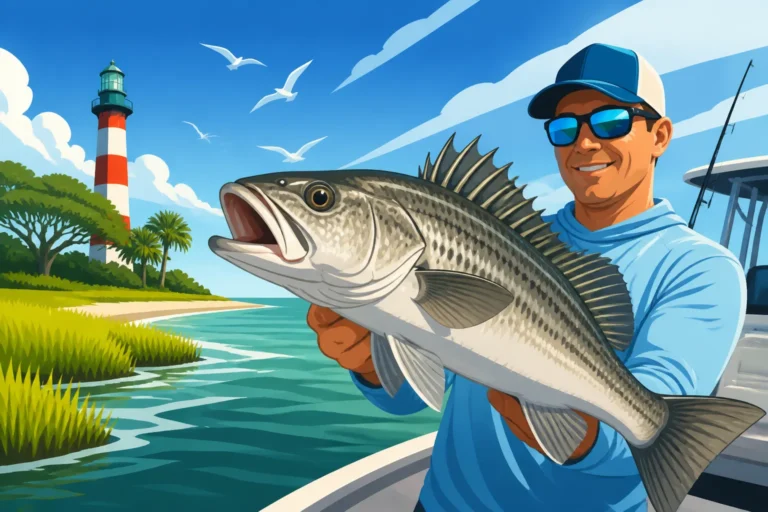
Another inshore superstar is the Spotted Seatrout, affectionately known as "Speckled Trout" or simply "Specks." These sleek, often iridescent fish are known for their delicate, flaky white meat and aggressive strikes. While they share the "trout" name with their freshwater cousins, Spotted Seatrout are entirely saltwater dwelling, inhabiting the same estuaries and tidal creeks as redfish. They tend to prefer areas with good current and ambush points, often lurking near oyster beds, grass edges, and channel drop-offs.
Spotted Seatrout are primarily piscivorous, meaning they love to eat small fish, but they won't pass up a shrimp or mud minnow. They respond well to soft plastic swimbaits, suspending twitch baits, and of course, live shrimp under a popping cork. The "pop" of the cork mimics a feeding fish, drawing them in for an irresistible strike. They typically range from 12 to 20 inches, but larger "gator" trout are always a possibility. Be sure to be mindful of the South Carolina Spotted Seatrout Minimum Size 14 Inches and South Carolina Spotted Seatrout Daily Bag Limit of 10 Fish when planning your catch.
Flounder
Flat and fabulous, the Flounder is a highly prized inshore game fish and a favorite for the dinner table. There are several species of flounder in South Carolina, with Southern Flounder being the most commonly targeted inshore. These masters of camouflage lie perfectly still on sandy or muddy bottoms, waiting to ambush unsuspecting prey like shrimp, crabs, and small baitfish. You'll find them in tidal creeks, around jetties, near oyster beds, and along the edges of channels.
Flounder fishing often involves slow-drifting or dragging live bait, like mud minnows or finger mullet, along the bottom. Artificial lures such as jig heads tipped with soft plastics can also be effective. The key is to keep your bait or lure in constant contact with the bottom where these flatfish lurk. They have a subtle bite, often feeling like a gentle tug or added weight, so patience and a keen sense of touch are crucial. Keep an eye on the Flounder Fishing Season in South Carolina and specific size limits, as these can sometimes change to protect populations.
Other Exciting Inshore Catches
While Redfish, Seatrout, and Flounder are the inshore "big three," South Carolina's diverse waters offer a chance to catch a variety of other exciting species. Many of these provide unique angling challenges and are equally rewarding.
Sheepshead
If you're looking for a challenge, the Sheepshead is your fish. These convict-striped fish are notorious bait stealers, with a mouth full of human-like teeth perfectly adapted for crushing crustaceans and mollusks. They love structure and are typically found around pilings, jetties, oyster reefs, and bridge supports. Their diet primarily consists of barnacles, oysters, and fiddler crabs, making these tough-shelled critters the best bait.
Catching a Sheepshead requires finesse and quick reflexes. Their bite is often described as a subtle "tick" or a gentle pressure, and if you're not ready to set the hook immediately, they'll clean your bait right off the hook without you ever feeling it. It's a true test of an angler's skill! Read up on Sheepshead Fishing Tips for South Carolina's Brackish Waters before you head out, and you might just get an edge on these clever fish.
Black Drum
Often confused with their red drum cousins, Black Drum are another popular inshore species, especially known for their larger size. While they share a similar body shape, Black Drum typically have whiskers (barbels) under their chin, no spots (though juveniles can have vertical bars), and a more grayish or darker overall coloration. They are bottom feeders, using those barbels to root around in the mud for oysters, mussels, and crabs.
You'll find Black Drum in deeper channels, around oyster beds, and near structure. They can grow quite large, offering a powerful fight. They're not as aggressive as redfish, often taking a bait slowly. Cut bait, shrimp, or even whole crabs are excellent choices. If you're wondering how to tell them apart on the boat, check out Redfish vs Black Drum: How to Tell Them Apart.
Tripletail
For something truly unique and a bit more uncommon, keep an eye out for Tripletail. These peculiar-looking fish are masters of disguise, often found floating near buoys, crab trap floats, or any other floating debris, mimicking a leaf or piece of trash. They have three distinct "fins" (dorsal, anal, and caudal) that give them their name.
Tripletail are primarily sight-fished. Your captain will slowly cruise areas where they are known to congregate, and when one is spotted, you'll make a precise cast with a live shrimp or small artificial lure. They can be finicky, but once hooked, they put up a surprisingly strong fight. Catching a Tripletail is often considered a special bonus on an inshore trip.
Tarpon Seasonal
While more commonly associated with Florida, the "Silver King" – Tarpon – make seasonal appearances in South Carolina's inshore waters, particularly during the warmer summer and early fall months. These magnificent migratory fish are known for their incredible size, acrobatic leaps, and sheer power. Targeting tarpon is a specialized endeavor, and while not a guaranteed catch, some inshore charters will specifically pursue them when they are present.
Tarpon can be found in coastal rivers, large bays, and even nearshore areas. They primarily feed on large baitfish like mullet and menhaden. If your charter aligns with tarpon season, and your captain offers it, going after one of these prehistoric giants can be the highlight of a lifetime. Just be prepared for a long, grueling fight – and remember that tarpon are almost exclusively catch-and-release due to their protected status and bony mouths.
Planning Your Inshore Charter Trip
Ready to hit the water? Planning your South Carolina inshore charter is an exciting process, and knowing what to expect can make it even better.
When to Go for Specific Species
The beauty of South Carolina's inshore fishing is that there's usually something biting year-round. However, certain times of the year are prime for specific species:
| Species | Best Season (General) | Notes |
|---|---|---|
| Redfish | Year-round | Excellent throughout the year, with tailing tides in spring/fall. Winter offers clearer water and sight-fishing opportunities. Summer has active fish, but they seek deeper, cooler water in the heat of the day. |
| Spotted Seatrout | Spring, Fall, Early Winter | Spring and fall are peak seasons. Early winter can be fantastic with cooler water concentrating fish. Summer trout are present but may be less active in the heat. |
| Flounder | Spring, Summer, Fall | Strongest bite from late spring through fall. They move into shallower waters for spawning in summer. |
| Sheepshead | Late Winter, Spring | Excellent in cooler months when they school up around structures for spawning. Can be caught year-round, but winter/spring offers higher concentrations. |
| Black Drum | Year-round | More active in cooler months, often found in deeper holes or near structures. |
| Tripletail | Late Spring, Summer, Early Fall | Most prevalent when water temperatures are consistently warm, often found near floating debris or crab pot markers. |
| Tarpon | Summer, Early Fall | Migratory species, typically present from June through September/October, depending on water temperatures. Highly specialized targeting. |
Remember, these are general guidelines, and local conditions can always affect the bite. Your charter captain will have the most up-to-date information for South Carolina Fishing Seasons Guide.
What to Expect from Your Charter
When you book an inshore charter, you're not just paying for a boat ride; you're paying for expertise, equipment, and a guided experience. Most reputable charters will provide all the necessary fishing gear, including rods, reels, tackle, and bait. They'll also typically cover your fishing license for the duration of the trip, so you don't have to worry about that. This is a huge convenience, and it's always good to confirm what's included, like South Carolina Charter Fishing Licenses and Gear Included.
Your captain is a local expert, intimately familiar with the tides, fishing spots, and fish behavior. They'll work tirelessly to put you on fish, offering tips, baiting hooks, and generally ensuring you have a great time. Don't hesitate to ask questions; they love sharing their knowledge! Trips can range from a half-day to a full-day, so consider your group's stamina and interest when choosing the duration. For more details on trip options, check out South Carolina Fishing Charter Trip Lengths Compared.
Booking Your Adventure
Finding the right inshore charter in South Carolina is easier than ever. Many anglers rely on platforms like FishingBooker to browse reputable captains, read reviews, and compare offerings. Whether you're looking for a quick morning trip out of Mount Pleasant or an afternoon adventure near Hilton Head, these services make it simple to connect with experienced guides. When booking, be clear about your expectations and any specific species you're hoping to target. This helps the captain tailor the trip to your preferences, ensuring a memorable experience.
What to Bring Along
Even though charters provide most of the essentials, there are a few things you should bring to ensure your comfort and safety. Sun protection is paramount in the South Carolina sun: a wide-brimmed hat, polarized sunglasses, and plenty of sunscreen are a must. Light, breathable clothing, non-marking shoes, and any personal medications are also important. Bringing snacks and drinks is a good idea, as well as a camera to capture those fantastic catches! A small cooler can also be handy for any fish you plan to keep. For a comprehensive list, consult What to Bring on a South Carolina Fishing Charter.
Conservation and Regulations
Responsible angling is vital to maintaining South Carolina's incredible fisheries. Always listen to your captain regarding bag limits, size restrictions, and catch-and-release practices. Many species, especially larger redfish, are often released to ensure breeding populations thrive. Your guide will be well-versed in all current regulations and will ensure your trip adheres to them. This commitment to conservation helps protect the fish for future generations of anglers.
South Carolina's inshore waters offer an incredible array of fishing opportunities, from the powerful pull of a redfish to the delicate strike of a speckled trout. No matter what fish you're hoping to encounter, an inshore charter provides the best chance to experience the thrill of fishing our beautiful Lowcountry.
Disclaimer
This article is for general informational purposes only and does not constitute professional advice. Laws, prices and regulations vary by location and change over time. Consult a qualified professional for guidance on your specific situation.